
Choosing the right kids knee guards for beginner inline skaters requires balancing robust impact absorption, a secure fit that does not slip during movement, and breathable materials suited for a tropical climate. While protective gear is essential for minimizing the impact of falls, it is a supportive tool that works best when paired with proper skating instruction, supervised practice, and an understanding of basic falling techniques. Parents should focus on verifying product specifications, measuring their child’s legs accurately, and selecting gear designed specifically for the skating environment.
By focusing on key design elements rather than generic age recommendations, you can find protective gear that keeps your child comfortable and confident. This guide outlines the essential features to look for, how to ensure a precise fit, and how to maintain the gear to ensure long-term effectiveness.
Why Proper Knee Protection Matters for Beginners
Beginner inline skaters face a unique set of balance challenges as they learn to find their center of gravity on wheels. To maintain stability, instructors typically teach new skaters to keep their knees bent and lean slightly forward. When balance is lost, this forward posture naturally directs the momentum of a fall toward the front of the body, making the knees the primary point of impact in a high percentage of beginner mishaps.
Products mentioned in this guide
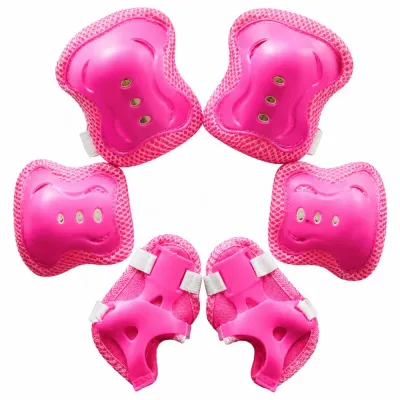
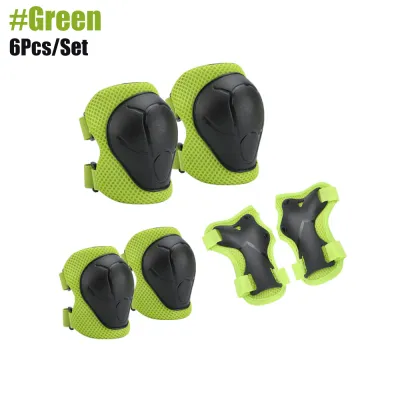
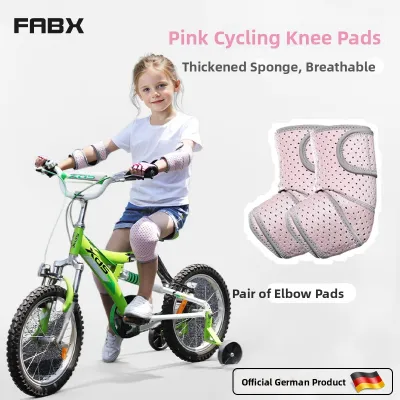
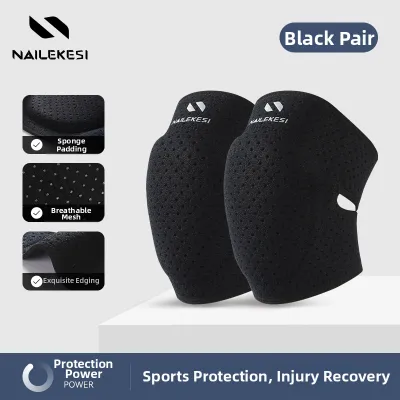
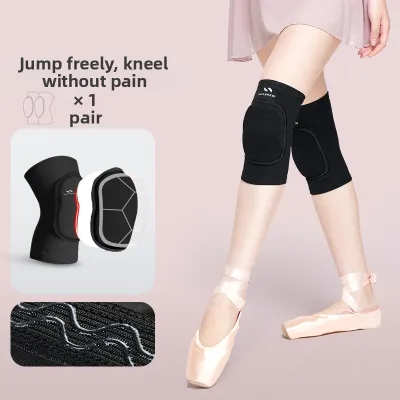

Prices are valid at publication and may change. Please refer to the product page for the latest price.
There is a significant difference between a typical playground fall and a fall while inline skating. A playground fall often involves a vertical drop onto relatively high-friction surfaces like rubber mulch or grass. In contrast, inline skating falls involve horizontal momentum. When a child falls while moving forward on asphalt or concrete, their knees do not just hit the ground; they slide across it. This sliding action creates intense friction and abrasion, which can easily tear through regular clothing and skin without a dedicated protective barrier.
Psychologically, the fear of falling is one of the greatest hurdles for young beginners. When children feel secure in their protective gear, they are more willing to bend their knees, try new strides, and practice braking techniques. This confidence accelerates the learning process because it reduces the hesitation that often leads to secondary, awkward falls. However, parents must remind children that gear does not make them invincible; it is designed to mitigate injury, not eliminate the risks of high-speed or reckless skating.
Key Features to Look for in Kids Knee Guards
When evaluating knee guards, the first major decision is choosing between hard shell and soft pad construction. Hard shell guards feature a rigid plastic cap, often made of polyethylene, stitched or riveted onto the front of the pad. This cap is designed to slide along the pavement, dispersing the force of the impact and preventing the sudden stop that can cause wrist or shoulder injuries. These are highly recommended for outdoor pavement, park paths, and rough asphalt. Soft pads, on the other hand, use flexible, impact-absorbing foam encased in a fabric sleeve. They offer greater freedom of motion and are lighter, making them suitable for indoor rinks or very smooth, controlled surfaces, but they do not provide the same slide capability or puncture resistance on rough outdoor ground.

A knee guard is only effective if it stays in place during a fall. Look for dual-strap systems that allow independent adjustment above and below the knee joint. Velcro closures are standard, but the quality of the elastic and the width of the straps matter. Some guards feature an elastic sleeve, or sock, that the child slides their leg through before securing the Velcro straps. This sleeve design provides a secondary layer of security, keeping the pad centered even if a strap comes loose. Alternatively, butterfly straps open completely at the back, allowing the pads to be put on or taken off without removing the child’s skates, which offers convenience during transitions.
The inner padding is what actually cushions the knee from the impact. Check manufacturer specifications for high-density EVA (Ethylene-Vinyl Acetate) foam or specialized shock-absorbing gels. EVA foam is lightweight, resilient, and retains its shape well after repeated impacts. Avoid thin, open-cell foam pads that feel soft to the touch but compress completely under light pressure, as they offer minimal protection against hard pavement.
Singapore’s hot and humid climate means children will sweat quickly during outdoor sessions. Excess moisture can cause the pads to slip, chafe the skin, or develop unpleasant odors. Look for knee guards with ventilated shells, such as perforated plastic caps, mesh fabric backings, and moisture-wicking inner liners. These features help channel heat away from the leg and allow sweat to evaporate more efficiently, keeping the child comfortable for longer periods.
Sizing and Fit: Ensuring Comfort and Security
Do not rely on age or weight recommendations alone when purchasing knee guards, as children’s leg shapes and growth rates vary widely. Use a soft, flexible tape measure to find the circumference of the leg at three points: directly around the center of the kneecap, approximately five to ten centimeters above the kneecap (thigh anchor), and five to ten centimeters below the kneecap (calf anchor). Keep the leg slightly bent during measurement to simulate the active skating stance.
Every manufacturer uses a slightly different sizing template. A medium size in one brand might correspond to a small in another. Always compare your child’s physical measurements against the specific brand’s sizing chart before purchasing. If your child’s measurements fall between two sizes, look at the adjustment range of the straps; a slightly larger pad with highly adjustable straps may offer room for growth, whereas a pad that is too tight will restrict movement and cause discomfort.
Once the knee guards are secured, have your child perform a series of deep knee bends and squats to test the fit. Observe the guards closely during these movements. The hard plastic cap must remain centered directly over the kneecap throughout the entire range of motion. If the cap shifts to the side or slides down the shin when the knee is bent, the fit is too loose or the shape is incompatible with your child’s leg structure. Check the back of the knee for any pinching or bunching of fabric, which can cause painful chafing during a long skating session.
After a few minutes of wear, check your child’s skin for signs of a poor fit. Deep red marks, indentations, or complaints of tingling and cold toes indicate that the straps are too tight or the sleeve is restricting blood circulation. Conversely, if the guard can be easily twisted or pulled down with light hand pressure, it is too loose and will likely shift out of position during a real fall, leaving the knee exposed to the pavement.
Building Your Shortlist: Matching Guards to Skating Environments
If your child plans to skate at outdoor venues like East Coast Park, Pasir Ris Park, or local neighborhood park connectors, they will encounter rough asphalt, concrete, and occasional debris like twigs or pebbles. For these environments, prioritize heavy-duty knee guards with thick, abrasion-resistant hard caps and robust dual-strap systems. The hard cap is essential for sliding on rough surfaces, which helps dissipate kinetic energy safely.
For indoor skating schools, sports halls, or polished concrete void decks, the risk of high-velocity abrasion is lower. In these settings, you might consider lighter, low-profile soft pads or hybrid guards. These options offer excellent ventilation and flexibility, allowing the child to focus on mastering technical skills without the bulk of heavy outdoor gear.
Children grow rapidly, making the choice between adjustable and fixed-size gear a common dilemma for parents. Adjustable knee guards feature longer Velcro straps and flexible sleeves designed to accommodate a wider range of leg sizes over time. While these offer excellent value in terms of longevity, they may occasionally bunch up on very thin legs. Fixed-size guards offer a more tailored, secure fit but will need to be replaced more frequently as the child grows. Evaluate these options based on how often your child skates and how quickly they are growing.
Before finalizing your purchase at a local sports retailer or online marketplace, verify the safety certifications printed on the product packaging or the manufacturer’s official website. Look for standards such as EN 14120, which is the European standard for protective clothing for users of roller sports equipment. This certification indicates that the gear has undergone standardized testing for impact resistance, restraint, and ergonomics. Avoid generic toy-grade pads that lack clear safety labeling, as they are often made of thin plastic and low-density foam that cannot withstand real pavement impacts.
Maintenance and Safety Checks Before Every Session
Make it a habit to inspect the knee guards before every skating session. Look for any visible cracks or deep gouges in the hard plastic caps. Check the inner foam padding to ensure it has not become permanently compressed, brittle, or detached from the outer shell. Inspect the stitching along the edges and verify that the Velcro hooks and loops still grip firmly without fraying or peeling away.
Sweat, dirt, and road grime will accumulate on the pads over time. Refer to the manufacturer’s care label for specific cleaning instructions. Many knee guards can be hand-washed in cool water using a mild detergent. Avoid using harsh chemical cleaners, bleach, or fabric softeners, as these can degrade the synthetic fibers, weaken the adhesives, and reduce the elasticity of the straps. If the liners are removable, wash them separately to ensure a thorough clean.
After washing or a sweaty skating session, always air-dry the knee guards completely in a well-ventilated indoor area or a shaded outdoor spot. Do not expose the gear to direct, intense sunlight for extended periods, as ultraviolet rays can break down the plastic shell and degrade the elastic straps. Never use a clothes dryer, hair dryer, or radiator to speed up the drying process, as excessive heat can warp the plastic caps and melt the internal foam structure.
Protective gear has a limited lifespan and must be replaced immediately if you notice any structural damage, such as a cracked plastic shell, torn straps, or foam that no longer bounces back after compression. Additionally, if your child has experienced a single high-impact fall where the pad took a severe blow, the internal foam may be compromised even if there is no obvious external damage. Do not wait for the gear to fall apart completely; replace it to ensure your child remains properly protected.
Frequently Asked Questions (FAQ)
How often should I replace my child's knee guards?
There is no fixed calendar schedule for replacing knee guards, as wear depends on usage frequency, fall history, and growth rates. You should monitor your child’s physical growth regularly; if the straps can no longer secure the pad comfortably without over-tightening or if the pad no longer covers the entire knee area, it is time to size up. Additionally, replace the guards immediately after any severe impact that causes visible cracking in the hard shell or permanent compression of the internal foam. Regularly assess the condition of the Velcro and elastic; if the straps lose their elasticity or the hooks fail to grip, the guards will slip during a fall and must be replaced.
Can my child use skateboard knee guards for inline skating?
While some multi-sport pads are rated for both activities, dedicated skateboard knee guards often feature a bulkier design with wider, flatter plastic caps optimized for vertical ramps and sliding on wood or concrete bowls. Inline skating requires a more continuous, fluid stride and deeper knee bends, meaning highly bulky skateboard pads might restrict your child’s movement or cause chafing. If you plan to cross-use gear, check the manufacturer’s intended use specifications and safety ratings on the product label to ensure they are certified for roller sports, such as EN 14120. Ensure the pad allows for a full, unrestricted range of motion during the inline skating stride.
Should beginners wear knee pads over or under their pants?
For the most secure fit and effective protection, knee guards should ideally be worn directly against the skin or over very thin, form-fitting athletic tights. This direct contact prevents the fabric backing of the guard from sliding around. Wearing knee pads over loose or thick pants, such as jeans or heavy sweatpants, is not recommended. The fabric of the pants can bunch up underneath the pad, causing painful chafing, or it can act as a low-friction layer that allows the entire guard to shift out of position during a fall, leaving the knee exposed to the pavement. If your child must wear pants, ensure they are thin and snug, and adjust the strap tightness carefully to maintain proper circulation while preventing slippage.

Community discussion
Share your experience or ask a question. Comments are reviewed before publication.