
Selecting the right badminton bag is not just about brand loyalty; it is about protecting your equipment and ensuring your journey to the court is seamless. To find the most suitable Li-Ning badminton bag, you must balance your weekly playing frequency with the physical volume of gear you carry. A player who hits the court once a week for a casual social game has vastly different storage and transport needs than a competitive player training multiple times a week with several rackets. By analyzing your specific gear load, commuting habits, and local climate conditions, you can identify the exact bag style that keeps your rackets safe and your gear organized.
Assess Your Gear Load and Playing Frequency
Before browsing through various bag designs, take a moment to lay out all the equipment you regularly bring to the court. The most basic gear load includes at least one or two rackets, a tube of shuttlecocks, a pair of specialized court shoes, and a water bottle. However, as your involvement in the sport grows, this list quickly expands to include spare apparel, towels, grip wraps, wristbands, and personal items like keys, phones, and wallets. Quantifying these items helps you determine the minimum volume your bag must accommodate without putting undue pressure on your rackets.
Your playing frequency directly influences the wear and tear your bag will experience, as well as the level of organization you require. Casual players who play once a week or bi-weekly generally need less specialized storage and can prioritize lightweight, easy-to-carry options. Regular club players who step onto the court two to three times a week often carry multiple rackets to account for string breakages, alongside extra clothing and shoes. For competitive players and tournament participants, a high-capacity bag is essential to house multiple backup rackets, specialized training gear, and recovery aids.
Products mentioned in this guide
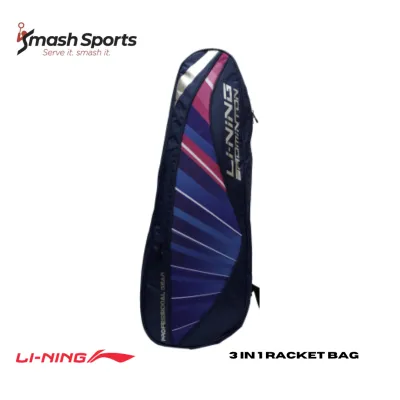
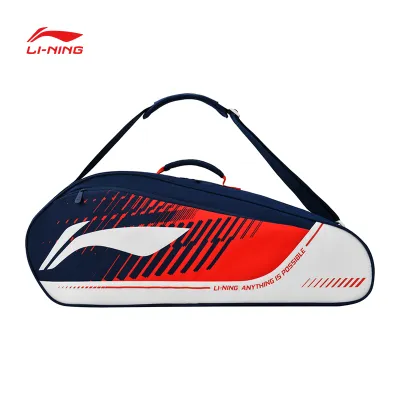
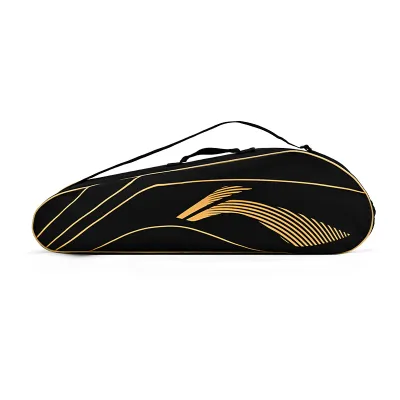
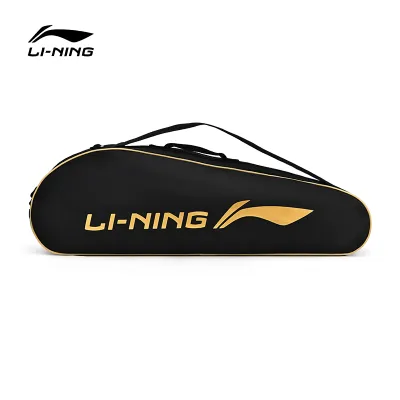
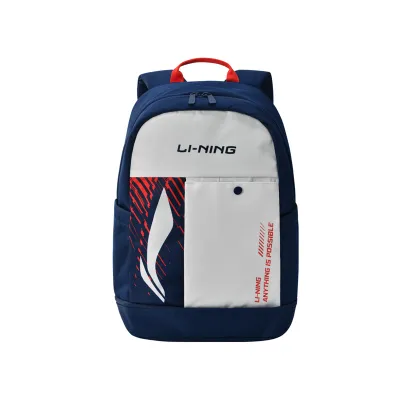
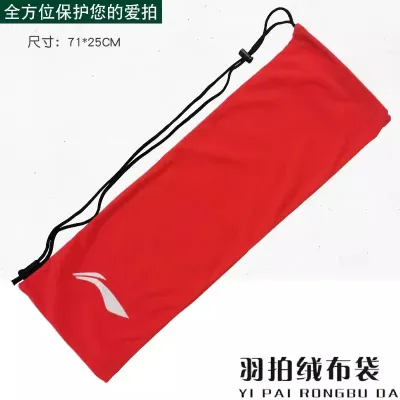
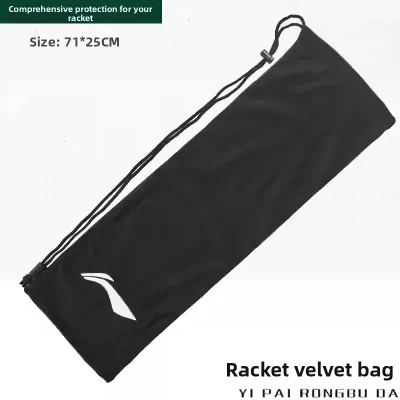
Prices are valid at publication and may change. Please refer to the product page for the latest price.
The way you travel to the sports hall or community club also plays a critical role in your decision. If you commute via public transport, such as the MRT or buses in Singapore, a massive, rigid racket bag can be cumbersome during peak hours. In this scenario, a streamlined backpack or a compact duffle bag that fits comfortably in tight spaces is highly practical. Conversely, if you drive to your sessions, a larger rectangular racket bag can easily sit in the trunk of your car, allowing you to carry maximum gear without worrying about carrying comfort over long distances.
Finally, consider whether your bag needs to serve a dual purpose. Many players head to the court directly from work or school, meaning their bag must accommodate a laptop, notebooks, or professional attire alongside sports gear. If you do not want to carry two separate bags, you will need to look for designs that feature dedicated, clean compartments for office essentials, keeping them entirely separate from sweaty sportswear and dusty court shoes.
Understanding Li-Ning Badminton Bag Categories
Li-Ning offers a diverse range of bag architectures designed to cater to different transport preferences and storage requirements. Understanding the structural differences between these categories is the first step in narrowing down your choices.

Traditional rectangular racket bags, often referred to as 6-pack or 9-pack bags, are the classic choice for dedicated badminton players. These bags are designed specifically to match the elongated shape of badminton rackets, ensuring that the frames and shafts remain flat and supported. High-quality models in this category often feature dedicated thermal compartments lined with heat-reflective material to shield your rackets from extreme temperature fluctuations. They also typically offer rigid or semi-rigid outer shells that maintain their shape, protecting your gear from external impacts during transit.
Badminton backpacks have surged in popularity due to their ergonomic design and hands-free carrying convenience. These bags position the rackets vertically, with the handles either protruding from a dedicated top zipper or fully enclosed in an extended compartment. Backpacks are highly versatile, often featuring padded shoulder straps, chest buckles, and back ventilation panels to distribute weight evenly across your shoulders. Many of these models also include integrated laptop sleeves and organizer pockets, making them an excellent choice for players who transition directly from daily commutes to evening training sessions.
Duffle and tote bags offer a more casual, lifestyle-oriented approach to carrying sports gear. Duffle bags provide a large, open-access central compartment that makes it incredibly easy to pack and unpack bulky items like warm-up jackets, multiple shoe bags, and shuttlecock tubes. Totes, on the other hand, offer a stylish, over-the-shoulder carrying style that appeals to social players who prefer a bag that does not look overly technical. While these styles may lack the rigid structural protection of traditional racket bags, they excel in high-volume storage and multi-sport versatility.
Matching Bag Types to Player Profiles
To simplify your purchasing decision, it is helpful to match these bag categories directly to specific player profiles based on gear volume and court frequency.
For casual and social players who play occasionally, a lightweight tote bag or a single-racket backpack is often the most practical choice. These players typically carry one or two rackets, a water bottle, and perhaps a spare shirt. A compact backpack with a dedicated racket slot keeps your hands free and fits easily into any storage locker. Choosing a minimalist design prevents you from carrying unnecessary bulk and ensures that your bag remains lightweight and easy to manage during occasional outings.
Regular club players who participate in organized sessions multiple times a week require a step up in both capacity and organization. For this profile, a mid-sized rectangular racket bag (typically a 2-compartment or 6-pack style) or a specialized sports backpack is highly recommended. These bags allow you to carry three to four rackets comfortably, ensuring you always have a backup if a string snaps mid-game. Crucially, these mid-capacity options often feature a separate, ventilated shoe compartment, which keeps dirty court shoes isolated from your clean apparel and spare grips.
Competitive athletes, tournament players, and coaches demand the highest level of storage and equipment protection. If you fall into this category, a large 3-compartment or 9-pack rectangular racket bag is the standard choice. These heavy-duty bags are built to house six or more rackets, multiple changes of clothing, towels, cold sprays, and extensive accessory kits. They feature robust, reinforced bases to withstand being placed on rough concrete or dusty sports hall floors, along with premium carrying straps that make transporting heavy loads manageable.
Key Specifications and Features to Verify Before Buying
Once you have identified the right category for your playing style, you should verify several critical specifications on the product label or during an in-store inspection to ensure long-term satisfaction.
First, pay close attention to thermal insulation claims. In hot and humid climates like Singapore, leaving your rackets in a car trunk or carrying them under the midday sun can cause string tension to drop rapidly and can even warp the racket frames over time. Look for Li-Ning bags that explicitly feature a thermal-lined compartment, usually recognizable by a silver or foil-like interior lining. This barrier helps maintain a stable internal temperature, preserving your string tension and protecting the structural integrity of your high-end graphite rackets.
Second, evaluate the carrying system and ergonomics of the bag. If you opt for a larger racket bag, look for dual padded shoulder straps that allow you to wear the bag like a backpack. Verify that the straps are wide, thickly padded, and easily adjustable to prevent them from digging into your shoulders when the bag is fully loaded. For backpacks, check for a breathable mesh back panel that promotes airflow, reducing sweat buildup against your back during warm commutes.
Third, inspect the shoe and wet gear compartments. A dedicated shoe compartment is essential for keeping the court dust and moisture on your badminton shoes away from your clean clothes. Verify that this compartment is made from a durable, easy-to-clean material and features ventilation grommets or mesh panels to allow moisture to escape. Additionally, look for zippered wet pockets designed to hold sweaty shirts and damp towels, preventing odors from permeating the rest of your bag’s contents.
Finally, examine the overall build quality, focusing on the zippers, stitching, and base materials. Zippers are often the first component to fail on a heavily used sports bag, so look for thick, heavy-duty zippers with smooth gliding action and sturdy pulls. The base of the bag should be constructed from a water-resistant, scuff-resistant material like heavy-duty polyester or TPU, ensuring that damp court floors or rough outdoor surfaces do not damage your gear or wear through the bottom of the bag.
Frequently Asked Questions (FAQ)
How do I clean and maintain a Li-Ning badminton bag?
To keep your Li-Ning badminton bag fresh and prolong its lifespan, regular maintenance is key. Avoid machine washing or submerging the bag in water, as this can damage the structural foam, ruin thermal linings, and strip away water-resistant coatings. Instead, use a soft cloth or sponge dampened with lukewarm water and a small amount of mild detergent to spot-clean any dirt or stains on the exterior. For the interior, vacuum out any loose court dust or grip debris regularly, and wipe down the compartments with a damp cloth. Always allow the bag to air-dry completely in a well-ventilated, shaded indoor area, keeping it away from direct sunlight or high-heat sources like hair dryers, which can warp the materials.
Can I use a Li-Ning racket bag for other sports or daily commuting?
Yes, many Li-Ning badminton bags, particularly the backpack and duffle styles, are designed with multi-functional use in mind. Many modern badminton backpacks feature dedicated, padded laptop sleeves and small organizer pockets for pens, chargers, and notebooks, making them highly suitable for school or office commutes. Duffle bags offer a spacious, open layout that works exceptionally well for gym sessions, short weekend trips, or other racket sports like tennis and squash. While traditional rectangular racket bags are highly specialized for court use, their clean, modern aesthetics and organized compartments mean they can easily double as travel luggage or gear bags for outdoor activities when you need to transport bulky equipment.

Community discussion
Share your experience or ask a question. Comments are reviewed before publication.