
Choosing the right Muay Thai glove weight is one of the most important decisions you will make when starting your martial arts journey. The correct weight in ounces (oz) protects your hands from injury, ensures the safety of your training partners, and helps you develop proper striking technique. In Singapore’s warm and humid training environments, selecting the right gear also means balancing protection with comfort and durability.
Your choice should depend primarily on your training focus, such as heavy bag work, pad drills, or active sparring. While beginners often look for a single pair of gloves to handle every task, understanding how different weights function will help you make a safer and more effective investment.
Understanding What Glove Weight (oz) Actually Means
In Muay Thai, gloves are categorized by weight in ounces rather than standard clothing sizes. This measurement represents the physical weight of the entire glove, which is distributed across the knuckle padding, the thumb protection, and the wrist strap.
Products mentioned in this guide
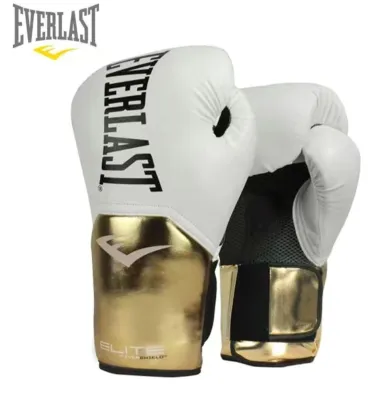
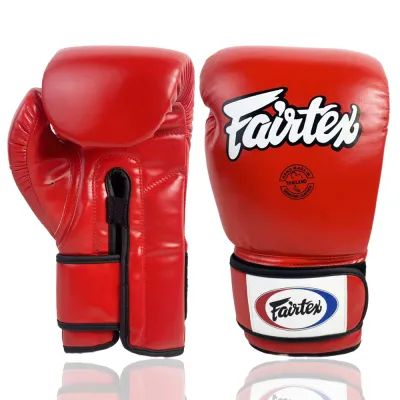
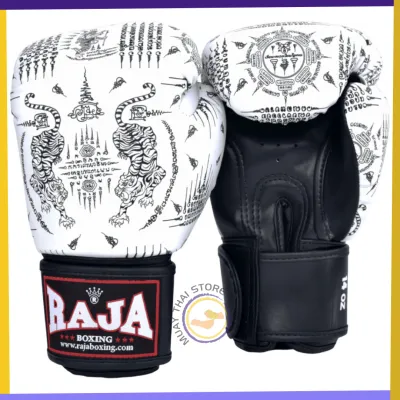
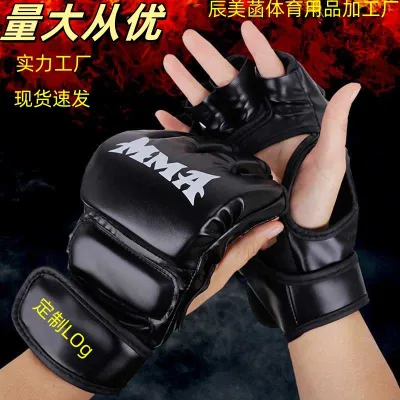
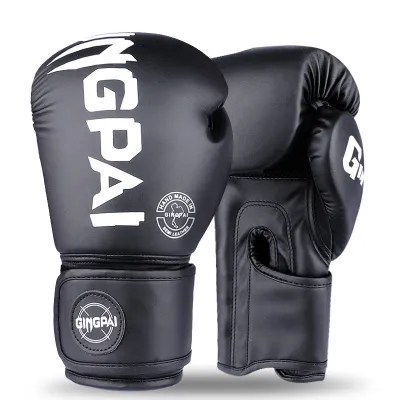
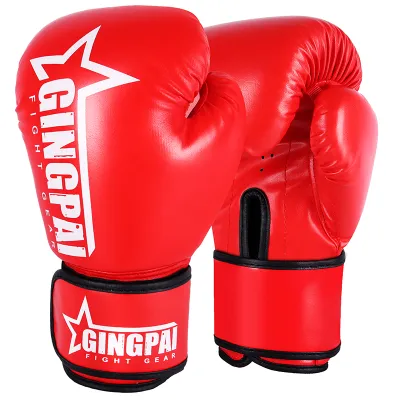
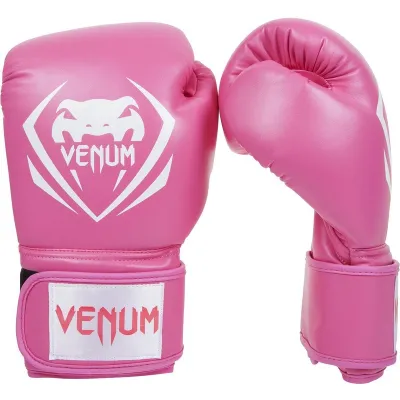
Prices are valid at publication and may change. Please refer to the product page for the latest price.
Heavier gloves contain thicker or denser foam layers designed to absorb high-impact forces. While this extra cushioning provides superior protection for your hands and sparring partners, it also increases shoulder fatigue and slows down your punching speed. Lighter gloves offer less padding but allow for faster hand movement and clearer feedback upon impact, helping you refine your alignment.
It is important to note that the internal hand compartment does not always scale with the glove’s weight. A 14oz glove from one manufacturer might have a tighter hand pocket than a 12oz glove from another. Always check the manufacturer’s specification labels, as padding density and internal dimensions vary significantly between brands.
Matching Glove Weight to Your Specific Training Activity
Selecting the right glove weight requires matching the equipment to your daily training routine. Using the wrong weight can lead to premature wear on your gear or increase the risk of injury during partner drills.

Bag and Pad Work
For hitting the heavy bag or working on Thai pads, a balance of speed, feedback, and protection is essential. Lighter gloves, typically 10oz or 12oz, are ideal for these technical drills because they allow you to feel the angle of impact and correct your wrist alignment. These weights provide sufficient knuckle protection for repetitive strikes without causing excessive shoulder fatigue during long combinations.
Sparring
Sparring requires a heavy emphasis on safety, where protecting your training partner is just as important as protecting yourself. Gyms generally mandate 14oz or 16oz gloves for any live sparring sessions. The extra padding in these heavier gloves slows down the velocity of your punches and diffuses the impact force, reducing the risk of cuts and bruising. Always verify the specific sparring rules with your coach, as many local gyms enforce a strict 16oz minimum for safety.
Competition
If you transition to competitive bouts, fight gloves are strictly regulated by event commissions and are typically restricted to 8oz or 10oz. These gloves feature minimal padding designed to maximize impact, making them entirely unsuitable for daily high-impact training. Training regularly in competition-weight gloves can lead to chronic hand fatigue, so they should be reserved strictly for supervised fight preparation.
Adjusting for Body Weight and Hand Size
Your physical attributes serve as secondary conditions to fine-tune your glove weight selection. Heavier practitioners naturally generate more kinetic energy and impact force behind their punches, requiring more substantial cushioning.
If you weigh over 80 kilograms, you will likely need to use 12oz or 14oz gloves even for basic bag work to prevent the padding from bottoming out against the hard leather of the heavy bag. Lighter individuals, such as those under 60 kilograms, can safely use 10oz gloves for bag work without compromising knuckle protection.
Hand size and the thickness of your hand wraps also affect the internal fit of the glove. A glove that is too loose will slide around during impact, increasing the risk of wrist sprains, while a glove that is too tight can restrict blood circulation. Always try on gloves with your hand wraps fully applied before purchasing to ensure the finger compartment and wrist strap provide a safe, comfortable fit.
Essential Design Features to Check Beyond Weight
While weight is a primary consideration, Muay Thai gloves have distinct structural features that set them apart from standard boxing gloves. Verifying these details ensures your gear supports the specific movements of Thai boxing.
Wrist Support and Flexibility
Unlike traditional boxing gloves that prioritize rigid wrist alignment, Muay Thai gloves feature a shorter, more flexible cuff. This design allows the wrist mobility required for clinching, catching kicks, and parrying strikes. Check the wrist closure system to ensure it stabilizes the joint while still allowing enough lateral movement to grab your opponent’s neck.
Grip Bar
A high-quality Muay Thai glove includes an internal grip bar, which is a small, padded cylinder running across the palm. This bar helps you maintain a tight, natural fist during blocks, catches, and clinch work, reducing hand fatigue. Verify the presence of this grip bar by slipping your hand inside and making a fist to ensure it feels comfortable.
Material and Care
In Singapore’s highly humid climate, gear maintenance is crucial for durability and hygiene. Genuine leather gloves offer excellent longevity and stretch to conform to your hand shape, but they require regular conditioning. Synthetic leather options are often more resistant to moisture absorption and easier to wipe down. Always follow the manufacturer’s care instructions, dry your gloves completely in a well-ventilated area, and avoid leaving them damp inside your gym bag.
Frequently Asked Questions (FAQ)
Can I use the same pair of gloves for both bag work and sparring?
Using one pair of gloves for all training aspects is highly convenient, but it is generally not recommended if you spar regularly. Hitting heavy bags compresses the internal foam padding over time, making the gloves hard and unsafe for sparring partners. If you are a beginner, a versatile 14oz glove can serve as a temporary all-rounder for light technical drills, but you should transition to a dedicated two-glove setup as your training intensifies.
Do I need to wear hand wraps with my Muay Thai gloves?
Yes, wearing hand wraps is a non-negotiable safety practice for every training session, regardless of the glove weight or padding quality. Hand wraps secure the many small bones and joints in your hand, align your wrist, and fill the empty space inside the glove compartment to prevent shifting. Skipping wraps increases the risk of hyperextension and knuckle bruising, so you should always wrap your hands before putting on your gloves.

Community discussion
Share your experience or ask a question. Comments are reviewed before publication.