
To inflate a diverse range of sports gear—from high-pressure road bike tires to high-volume inflatable kayaks, yoga balls, and basketballs—you need an air pump that balances pressure capacity with airflow volume. A single, versatile pump can replace a cluttered shelf of specialized tools, provided you select one with the correct valve adapters, an accurate pressure gauge, and a power mechanism suited to your typical usage environments. By understanding the mechanical differences between high-pressure and high-volume inflation, you can make an informed choice that keeps all your gear ready for action.
Understanding Your Inflation Needs
Before shopping for a multi-purpose air pump, it is essential to audit the specific sports equipment you own. Different sports gear utilizes distinct valve designs, and using the wrong pump or adapter can damage the valve or prevent air from entering entirely. The most common valves you will encounter include Schrader valves, Presta valves, needle valves, and pinch valves.
Schrader valves are wide and robust, featuring a spring-loaded check pin in the center. They are the standard valve found on mountain bikes, city cruisers, and car tires. Presta valves, on the other hand, are much narrower and are typically found on high-performance road bicycles. They feature a locknut at the top that must be unscrewed before inflation. If your household has a mix of commuter bikes and road bikes, your pump must accommodate both valve types, either through a dual-pump head or a screw-on adapter.
Products mentioned in this guide
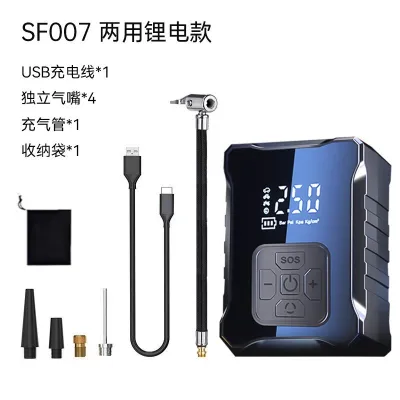
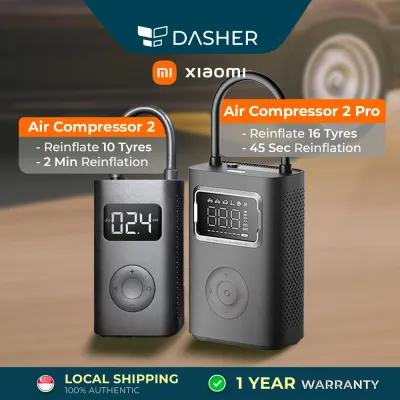
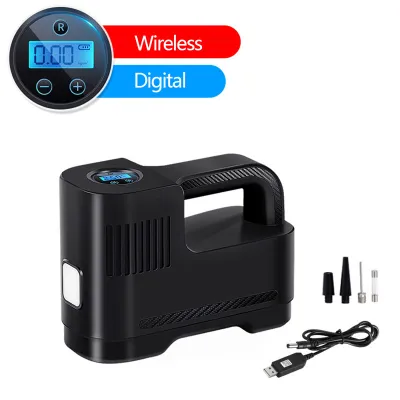
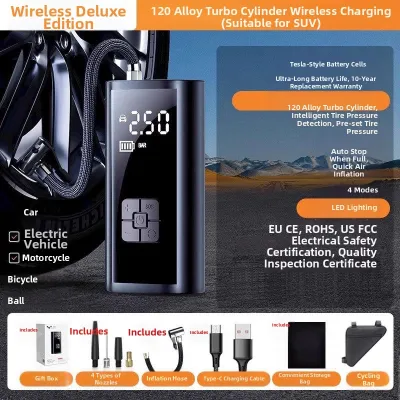
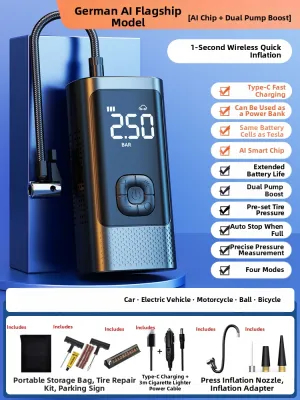
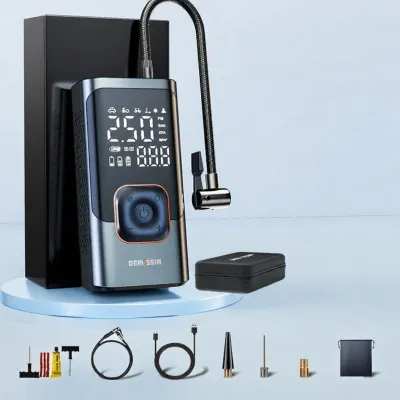
Prices are valid at publication and may change. Please refer to the product page for the latest price.
For team sports, equipment like basketballs, footballs, netballs, and rugby balls rely on a specialized bladder system accessed via a tiny, self-sealing rubber inlet. This requires a thin, hollow steel needle valve to bypass the seal and deliver air directly into the ball. Meanwhile, recreational items like swimming floats, beach balls, and yoga balls typically use simple plastic pinch valves. These valves require a tapered plastic nozzle to hold the internal flap open during inflation.
Beyond valve shapes, you must consider the mechanical distinction between high-pressure, low-volume requirements and low-pressure, high-volume requirements. Bicycle tires require high pressure—often ranging from 40 to over 100 PSI—but contain a relatively small volume of air. Conversely, a large yoga ball or an inflatable pool float requires a massive volume of air to fill its physical space, but operates at an extremely low pressure, usually under 2 PSI.
Attempting to inflate a high-volume item with a high-pressure pump designed for bicycle tires is an exhausting process that can take a long time and cause premature wear on the pump’s internal seals. Conversely, a high-volume pump designed for air mattresses lacks the mechanical force to push air into a high-pressure bicycle tire, causing the pump to stall. Always check the manufacturer’s labels, embossed text, or user manuals on your sports gear to establish the baseline target pressure limits and maximum capacities before attempting inflation.
Key Features to Look for in a Multi-Purpose Air Pump
To find an air pump that truly serves as a universal tool, you must evaluate several critical physical features and specifications. The first consideration is the nozzle and adapter kit. A high-quality multi-purpose pump should come with a dedicated storage compartment or a secure clip-on bracket to keep your adapters organized. Ensure the kit includes at least one steel ball needle, a brass Presta-to-Schrader adapter, and multiple sizes of plastic cone nozzles. Brass adapters are highly recommended over cheap plastic alternatives, as they resist thread stripping and provide a more reliable, airtight seal.

A built-in pressure gauge is another non-negotiable feature for preventing over-inflation and ensuring optimal gear performance. Gauges generally come in two formats: analog dials and digital screens. Analog dial gauges are highly reliable, require no battery power, and are excellent for quick visual checks. However, they can be difficult to read in low-light conditions. Digital gauges offer precise, numerical readouts and often feature backlit screens, making them highly convenient. Many digital electric pumps also include an auto-shutoff feature, which stops the pump automatically once the pre-set target pressure is reached. When evaluating a gauge, ensure it has a clear, readable scale that covers both the low-pressure range needed for sports balls and the high-pressure range needed for bicycle tires.
Hose length and base stability significantly impact how easy the pump is to use in real-world scenarios. A short, stiff hose forces you to position the pump awkwardly close to the valve, which can strain the valve stem and lead to leaks. Look for a flexible, reinforced hose made of rubber or braided nylon, with a length of at least 60 to 80 centimeters. For manual floor pumps, a wide, heavy-duty steel or composite base plate is essential. This allows you to stand securely on the pump with both feet, providing a stable platform that prevents the unit from tipping over as you apply downward force.
If you are considering a cordless electric pump, pay close attention to the power indicators and battery metrics. Look for models that feature clear LED battery level indicators, such as percentage displays or multi-segment bars, so you are never caught with a dead battery at the sports field. Verify the battery capacity, typically measured in milliampere-hours (mAh), and ensure the device utilizes a standard USB-C charging port. This allows you to recharge the pump easily using common household cables, power banks, or car chargers.
Manual vs. Electric Multi-Purpose Air Pumps
Choosing between a manual and an electric multi-purpose air pump depends largely on your typical usage environment, the volume of gear you need to inflate, and your personal preference regarding physical effort. Both power mechanisms offer distinct advantages and trade-offs that you must weigh carefully.
Manual floor pumps, often called track pumps, remain the gold standard for reliability and simplicity. Because they rely entirely on human physical power, they have zero battery dependency and are always ready for use. They utilize a large internal cylinder that delivers a substantial volume of air with each stroke, making them highly efficient for inflating bicycle tires and sports balls. Manual hand pumps are even more compact and portable, making them easy to carry in a backpack during outdoor excursions, though they require significantly more physical effort and time to use.
Electric air pumps, available in both corded and cordless configurations, offer unmatched speed and convenience. Cordless, battery-powered electric pumps are compact, handheld devices that automate the inflation process entirely. They are ideal for quick top-ups at the basketball court or bicycle trail, requiring no physical exertion. Corded electric pumps, which plug into a 12V car accessory socket or a standard household wall outlet, provide continuous, uninterrupted power. This makes them the preferred choice for inflating large-volume items like inflatable kayaks, stand-up paddleboards, or large pool floats, where a battery-powered pump might run out of charge before completing the job.
The primary trade-offs between manual and electric pumps involve portability, noise levels, and maintenance. Electric pumps generate significant noise during operation, often reaching 70 to 85 decibels, which can be disruptive in quiet environments. They also contain complex internal motors, gears, and lithium-ion batteries that can degrade over time and are sensitive to extreme heat and moisture. Manual pumps are virtually silent, highly durable, and require minimal maintenance beyond the occasional application of silicone grease to the internal piston plunger to keep the stroke smooth and airtight.
For users seeking the ultimate versatility, some hybrid options exist. These pumps may feature a dual-stage electric system that uses a high-volume blower to quickly fill the bulk of an inflatable, followed by a high-pressure piston stage to reach the final target pressure. While highly capable, these hybrid units tend to be larger, heavier, and more expensive than standard single-purpose pumps.
How to Build Your Shortlist: Matching Pumps to Gear
To narrow down your options and build a practical shortlist, you should match the pump’s capabilities to your specific combination of sports gear. Most households fall into one of three common scenarios, each requiring a different prioritization of features.
Scenario A focuses on cycling and team sports. If your primary gear consists of road bikes, mountain bikes, basketballs, and footballs, you should prioritize high-pressure capability and gauge accuracy. A high-quality manual floor pump with a dual-valve head and a large, top-mounted analog gauge is often the most reliable and efficient choice for this scenario. Alternatively, a compact, high-PSI cordless electric pump with a digital readout and auto-shutoff is excellent for quick pre-ride checks and on-the-go adjustments.
Scenario B centers on water sports and fitness gear. If your garage is filled with yoga balls, pool floats, and inflatable watercraft, your primary need is high-volume airflow. For these large items, a manual pump will quickly lead to physical fatigue. Instead, prioritize a high-volume electric pump powered by a 12V car adapter or a high-capacity rechargeable battery. Look for a pump that features a wide-diameter hose, multiple sizes of tapered pinch-valve nozzles, and a deflation port. A deflation feature is incredibly useful, as it actively sucks the air out of large inflatables, allowing you to fold and pack them tightly for transport.
Scenario C represents the true all-rounder. If you need a single pump to handle everything from high-pressure road bike tires to high-volume pool floats, you must be prepared for certain performance compromises. A standard manual floor pump can technically inflate a large yoga ball, but it will require hundreds of strokes and significant physical effort. Conversely, a high-volume electric pump designed for air mattresses cannot generate the high pressure required for a bicycle tire. To bridge this gap, look for a dual-mode electric pump that features separate high-pressure and high-volume hoses, or accept that you may need to use a manual floor pump for your high-pressure needs and a compact electric blower for your high-volume recreational gear.
Before making your final purchase, always run through a pre-purchase checklist. Verify the exact adapter package included in the box to ensure you do not need to purchase extra accessories separately. Check the manufacturer’s warranty terms, looking for at least a 12-month local warranty to protect against electronic or mechanical defects. Finally, review the return policy of the online marketplace or local sports retailer, ensuring you can return or exchange the pump if it does not fit your specific equipment valves.
Safe Operation and Maintenance Tips
Operating your air pump safely and performing regular maintenance will prolong the lifespan of both the pump and your sports equipment. The most critical safety rule is to always monitor the inflation pressure closely. Never rely solely on visual estimation or the “squeeze test” to determine if an item is fully inflated. Over-inflating sports balls can warp their shape, ruin their bounce, or pop the internal bladder, while over-inflating yoga balls or pool floats can cause a sudden, violent rupture that can lead to injury. Always refer to the manufacturer’s recommended pressure rating printed directly on the equipment.
For electric pumps, heat management is a vital operational consideration. The process of compressing air generates substantial heat, and the small electric motors in portable pumps can overheat quickly. To prevent motor burnout, limit continuous run times to the manufacturer’s recommended duration—typically 5 to 10 minutes—and allow the pump to cool down completely before resuming. Never leave an electric pump running unattended, and keep the air intake vents clear of dust, sand, and debris.
Proper storage and care are essential for maintaining airtight seals. Store your pump in a cool, dry indoor environment away from direct sunlight, as prolonged exposure to heat and UV rays can dry out and crack rubber hoses and plastic seals. Avoid storing the hose with sharp kinks or tight bends, which can weaken the material and lead to splits over time. Periodically inspect the rubber O-rings inside the pump head and adapters. If you notice air leaking from the connection points, a simple replacement of the worn O-ring will often restore the pump to full functionality.
Finally, know when to stop using the pump and seek professional assistance or a replacement. If you hear unusual grinding noises from an electric motor, notice the pump body becoming excessively hot to the touch, or detect a persistent smell of burning plastic, turn the unit off immediately. For manual pumps, if the handle becomes extremely difficult to push down or snaps back upward aggressively, the internal check valve may be failing, indicating that the pump requires repair or replacement.
Frequently Asked Questions (FAQ)
Can one air pump really handle both high-pressure bike tires and low-pressure yoga balls?
While it is technically possible, using a single standard pump for both extremes involves significant compromises. High-pressure pumps, like manual floor pumps, are designed to push small amounts of air at high force. Using one to inflate a large yoga ball will require hundreds of strokes and a lot of time. Conversely, low-pressure electric pumps move large volumes of air quickly but lack the mechanical force to push air into a high-pressure bicycle tire. To handle both tasks efficiently with a single device, you should look for a specialized dual-mode electric pump that features separate high-pressure and high-volume settings, or utilize a manual floor pump for high-pressure gear and a simple, inexpensive electric blower for high-volume inflatables.
How do I know if an air pump has the right nozzle for my equipment?
To verify compatibility before buying, first identify the valve types on your sports gear. Most multi-purpose pumps feature a universal pump head that fits standard Schrader valves directly and includes a locking lever to secure onto Presta valves. For other equipment, check the product description’s included accessories list. A versatile pump should explicitly include a steel ball needle for sports balls, a brass Presta adapter (if not integrated into the main head), and at least two sizes of tapered plastic nozzles for pinch valves. If the pump you want lacks these, you can easily purchase a universal multi-nozzle adapter kit separately from any local sports retailer or online marketplace to ensure a perfect fit.

Community discussion
Share your experience or ask a question. Comments are reviewed before publication.