
Choosing the right Neenca ankle brace requires matching the brace’s structural design to your specific recovery stage and the physical demands of your sport. To find the ideal fit, you must evaluate whether you need light compression for swelling control, adjustable straps for lateral stability, or rigid stabilizers for severe joint weakness. By aligning the brace’s mechanical features with your activity level and physical symptoms, you can protect your ankle joint without unnecessarily restricting your natural range of motion.
Quick Decision Matrix: Matching Support Levels to Your Needs
To select the correct ankle support, you must first understand where your needs fall on the spectrum of joint stabilization. Ankle braces generally range from lightweight elastic sleeves to highly structured mechanical stabilizers. Identifying your primary goal—whether it is preventing a future injury, managing mild discomfort, or stabilizing a severely weakened joint—will point you toward the correct category of support.
The support spectrum is divided into three primary tiers:
Products mentioned in this guide
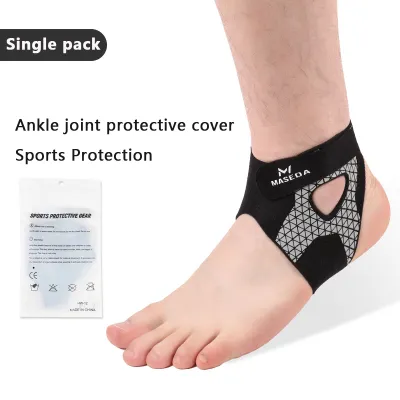
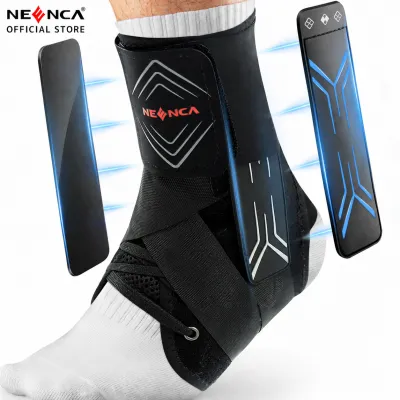
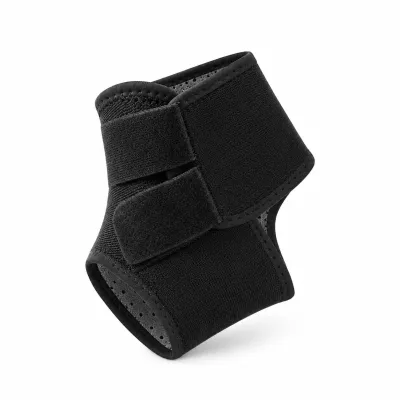
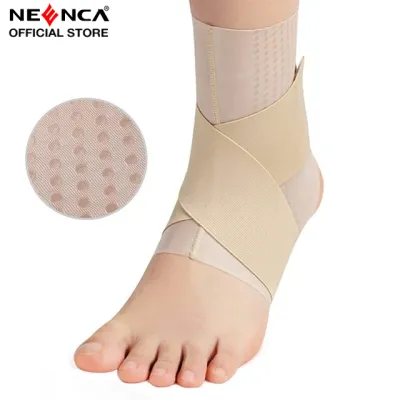
Prices are valid at publication and may change. Please refer to the product page for the latest price.
- Mild Support (Compression Sleeves): These are lightweight, highly elastic sleeves designed primarily to provide continuous compression. They are best suited for daily prevention, minor swelling, and mild soreness. They offer maximum flexibility but minimal mechanical joint stabilization.
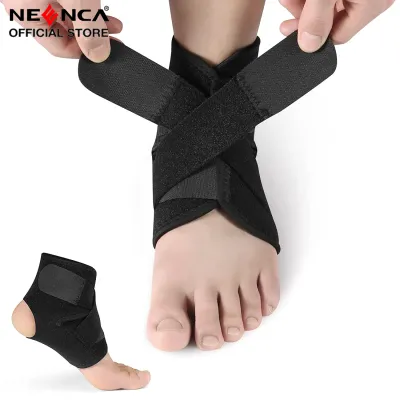
- Moderate Support (Adjustable Strap Braces): These models feature integrated elastic straps, often arranged in a figure-eight pattern, which allow you to customize the tension. They are ideal for mild-to-moderate sprain recovery and sports requiring frequent directional changes.
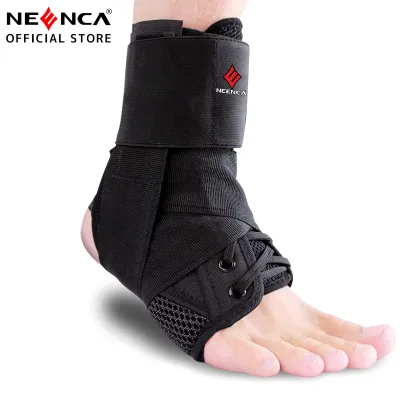
- Maximum Support (Lace-Up or Rigid Stabilizers): These braces incorporate rigid side stays, plastic inserts, or heavy-duty lace-up systems. They are designed to restrict lateral movement significantly, making them suitable for chronic ankle instability, severe sprains, or high-impact contact sports.
Before making a selection, perform a quick self-assessment of your current physical condition:
- Pain and Swelling: Is the discomfort a dull ache during movement, or is there visible swelling and sharp pain when bearing weight?
- Joint Stability: Does your ankle feel loose, or does it feel like it might "give way" during normal walking?
- Activity Demands: Will you be using the brace for low-impact walking, or for high-intensity sports with explosive lateral cuts?
Assessing Your Injury Severity and Recovery Stage
Selecting an ankle brace without considering your specific stage of recovery can lead to poor results. Under-supporting a vulnerable, recently injured joint can lead to re-injury, while over-restricting a healthy joint during normal activities can weaken the surrounding muscles over time. You must match the brace’s structural reinforcement to the physiological state of your ligaments.

For preventive use during high-risk sports, a lightweight compression sleeve or a mild strap brace is often sufficient. These options keep the joint warm and improve proprioception—your body’s awareness of joint positioning—without taking over the work of your muscles. If you are recovering from an acute injury, such as a fresh sprain, your ligaments are stretched or torn and require external mechanical support. In this stage, look for braces with rigid side stays or non-stretch straps that physically block the ankle from rolling outward or inward.
For chronic ankle instability, where the ligaments have permanently lost some of their elasticity, long-term support is often necessary during physical activity. You can identify the need for higher-level mechanical support by observing physical signals. If you experience frequent micro-sprains, persistent swelling after minor exertion, or a constant feeling of apprehension when walking on uneven surfaces, a simple elastic sleeve will not suffice. You will need a model with structured lateral reinforcements.
When evaluating different models, always check the manufacturer’s packaging, labels, and product specifications. Distinguish clearly between sports-grade support designed for active wear and medical-grade orthotics intended for post-surgical rehabilitation. Verify the intended use case listed by the manufacturer to ensure the brace is rated for your specific level of joint instability.
Aligning Brace Design with Your Specific Sport or Activity
The biomechanical demands of your sport dictate the physical design of the brace you should choose. A brace that performs exceptionally well for a straight-line runner may fail to provide adequate protection for a basketball player making sudden lateral cuts. You must balance the need for joint stabilization with the specific range of motion required for your activity.
For straight-line, repetitive sports like running, cycling, or jogging, a low-profile compression sleeve is generally preferred. These designs offer unrestricted forward and backward movement while providing mild compression to manage swelling and fatigue. They fit easily into narrow running shoes and do not add excess weight. Conversely, court sports such as basketball, volleyball, tennis, or netball require rapid lateral movements, jumps, and sudden stops. These actions place immense lateral stress on the ankle, demanding a multi-strap or lace-up brace with rigid or semi-rigid stabilizers to prevent inversion injuries.
Footwear compatibility is a critical practical consideration. Thicker, multi-layered braces with heavy straps or plastic stays can significantly alter how your shoe fits. When wearing a structured brace, you may need to loosen your shoe laces entirely or, in some cases, wear a slightly wider shoe to accommodate the extra bulk without creating painful pressure points. Look for braces with a slim heel design and low-profile seams to minimize friction inside your footwear.
Additionally, consider the climate and intensity of your workouts. In warm, humid environments like Singapore, heat and sweat buildup can cause skin chafing and material slippage. Opt for braces constructed from breathable, moisture-wicking fabrics with perforated neoprene or mesh panels. If you play outdoor sports on grass or clay, ensure the materials are durable and easy to clean, as dirt and sweat can degrade elastic fibers over time.
Sizing, Fit, and Comfort Verification Before Purchase
An improperly fitted ankle brace can cause more harm than good. A brace that is too tight can restrict blood circulation, cause numbness, and irritate the skin, while a loose brace will fail to provide the necessary joint stabilization. To ensure maximum benefit, you must verify the sizing and fit before committing to regular use.
To find your correct size, do not rely on your standard shoe size, as ankle anatomy varies widely. Instead, use a flexible measuring tape to measure the circumference of your ankle. Wrap the tape around the narrowest part of your ankle, just above the ankle bone. Some manufacturers also require a diagonal measurement around the heel and the instep of the foot. Compare these precise measurements against the brand’s official sizing chart, and if your measurements fall between two sizes, check the manufacturer’s recommendation on whether to size up for comfort or size down for tighter compression.
Once your brace arrives, perform a physical fit check before wearing it during exercise:
- Heel Placement: Ensure your heel sits snugly and centrally within the designated heel opening or pocket. If the heel slips or rides up, the brace is too large or improperly positioned.
- Circulation and Sensation: Walk around for a few minutes. If you experience tingling, cold toes, or skin discoloration, the brace is too tight. Loosen the straps or exchange it for a larger size.
- Pressure Points: Check for any digging or pinching along the edges, seams, or plastic stays. These pressure points can quickly turn into painful blisters during active movement.
Because individual anatomy varies, a brace that fits one person perfectly may cause discomfort for another. When purchasing online, always verify the retailer’s return and exchange policies. Ensure you can exchange the product for a different size or return it if the physical shape does not align comfortably with your foot and ankle structure.
Safety Boundaries and When to Seek Professional Care
While an over-the-counter ankle brace is a valuable tool for joint support, it is not a cure-all and cannot replace professional medical care. Understanding the limits of self-treatment is essential for preventing long-term joint damage and ensuring a safe recovery.
You must be able to recognize red-flag symptoms that indicate a serious injury requiring immediate professional medical evaluation. If you cannot bear weight on your foot for more than four steps, if you experience severe and immediate swelling, or if you observe any visible deformity in the joint, do not attempt to treat the injury with a brace. These symptoms often point to a bone fracture or a complete ligament tear that requires clinical imaging and specialized treatment.
It is also important to remember that ankle braces are supportive aids, not a replacement for active rehabilitation. Relying solely on a brace to stabilize your joint can lead to muscle atrophy and chronic joint stiffness over time. To fully recover, you must pair brace use with targeted physical therapy, balance training, and strengthening exercises designed to rebuild the natural stability of your ankle. If your pain, swelling, or joint instability persists or worsens after a few weeks of using the brace, stop active use and consult a physiotherapist or sports medicine doctor for a comprehensive assessment.
Frequently Asked Questions (FAQ)
Can I wear a Neenca ankle brace all day for work or walking?
Wearing an ankle brace continuously throughout the day is generally not recommended unless specifically advised by a medical professional. Prolonged, unbroken wear can lead to muscle dependency, where the muscles and tendons surrounding the ankle weaken because the brace is doing their job. Additionally, constant compression can restrict blood circulation and cause skin irritation or chafing from sweat buildup. To maintain joint health, take scheduled breaks by removing the brace during periods of rest or desk work, and monitor your skin regularly for any signs of redness or pressure marks.
How do I wash and maintain my ankle brace to extend its lifespan?
To preserve the elasticity, structural integrity, and grip of your ankle brace, hand washing is highly recommended. Fill a basin with cool or lukewarm water and a small amount of mild detergent. Gently submerge and agitate the brace, paying close attention to areas that contact sweat. Avoid using bleach, fabric softeners, or harsh chemicals, as these can rapidly degrade elastic fibers and silicone grips. Rinse the brace thoroughly with clean water, gently squeeze out the excess moisture without wringing or twisting, and lay it flat to air dry in a well-ventilated area away from direct sunlight. Never use a washing machine, tumble dryer, or direct heat source, as high temperatures will warp plastic stays and destroy the hook-and-loop fasteners.

Community discussion
Share your experience or ask a question. Comments are reviewed before publication.