
Selecting the right resistance band for your leg workouts is the key to unlocking effective lower-body training at home or in the gym. Unlike upper-body training, which often relies on lighter, highly flexible bands, your legs require robust resistance, exceptional material durability, and specific band designs to safely challenge large muscle groups like the glutes, quadriceps, and hamstrings. To make the right choice, you must evaluate how different band types match your planned movements, determine the correct tension levels for your current strength, and choose materials that won’t roll, pinch, or degrade over time.
Identifying the Right Band Type for Your Leg Exercises
To build an effective lower-body routine, you must first understand the distinct physical designs of resistance bands and how they interact with your leg anatomy. The three primary designs you will encounter are mini-bands, long flat loop bands, and resistance tubes with handles or ankle attachments. Each design serves a specific biomechanical purpose, and using the wrong type can limit your range of motion or make the exercise highly uncomfortable.
Mini-bands are short, closed loops typically measuring 9 to 12 inches in length. They are specifically engineered for lateral and rotational movements of the hips. By placing a mini-band around your thighs or calves, you create outward tension that directly engages the gluteus medius and hip abductors during movements like lateral walks, clamshells, and glute bridges. Because of their short length, they are highly effective at keeping constant tension on these smaller stabilizing muscles throughout the entire exercise.
Products mentioned in this guide
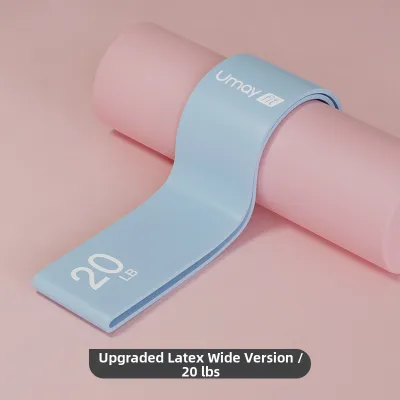
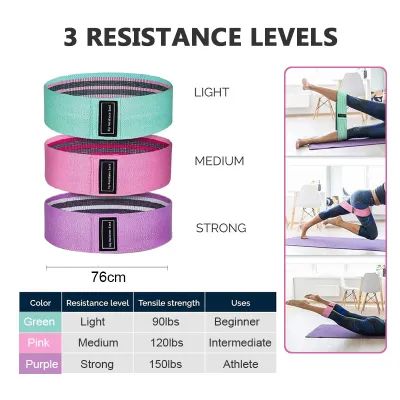
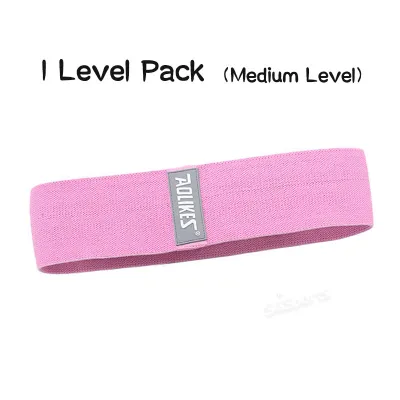
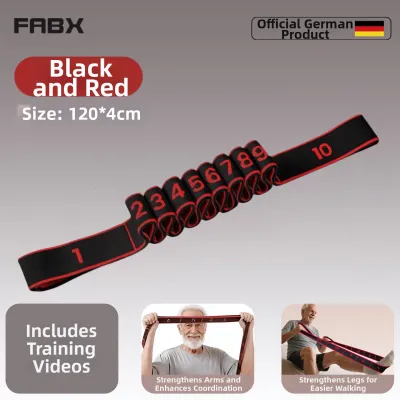
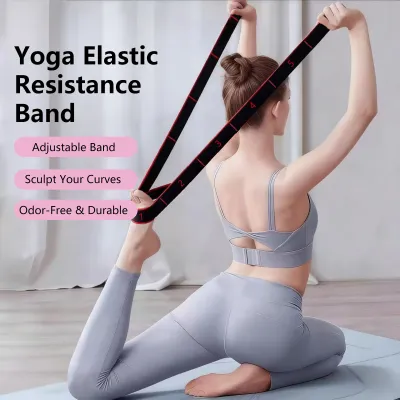
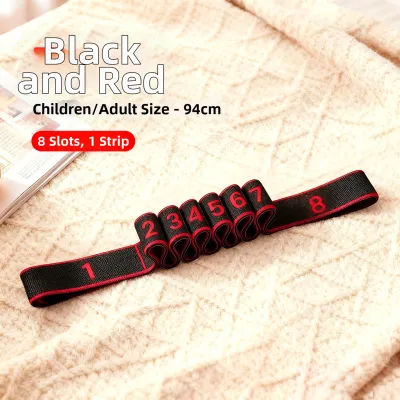
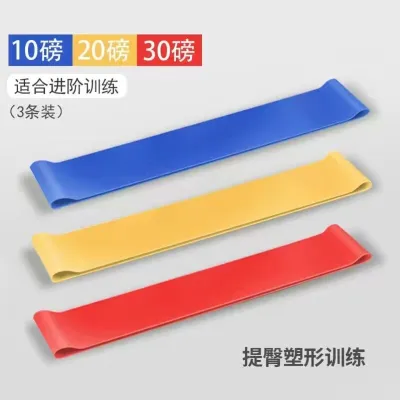
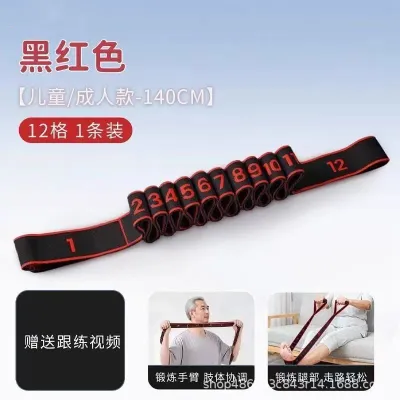
Prices are valid at publication and may change. Please refer to the product page for the latest price.
Long flat loop bands, which usually measure around 41 inches in length, offer a much wider range of motion. These bands are ideal for adding resistance to vertical compound movements. For example, you can step on one end of a long loop band and pull the other end over your shoulders to perform banded squats or good mornings. The length of these bands allows them to stretch safely to match your height, providing a smooth increase in resistance as you stand up and extend your hips.
Resistance tubes with handles or carabiners represent the third major category. These tubes are made of hollow rubber and feature metal clips at each end, allowing you to attach handles, ankle straps, or door anchors. For leg workouts, tube bands are exceptionally useful for isolated movements such as standing leg curls, cable-style kickbacks, and hip adductions. The ankle strap attachment allows you to pull directly from a low anchor point, mimicking the movement patterns of gym machines.
While these designs are highly versatile, they also have inherent limitations. Mini-bands, for instance, are virtually useless for exercises that require a long range of motion, such as overhead squats or lunges, because stretching them beyond their limit will cause them to snap. Conversely, long loop bands can be awkward to use for lateral hip activation because they are too loose when placed around the thighs. Understanding these physical boundaries ensures you select a band that supports, rather than hinders, your movement.
Matching Tension Levels to Your Fitness Level and Goals
Selecting the correct tension level is critical to ensuring your leg workouts are both challenging and safe. Manufacturers typically categorize resistance bands by tension levels ranging from extra-light to extra-heavy, often accompanied by an estimated weight equivalent, such as 5 to 25 kilograms. However, it is important to remember that these weight equivalents are not identical to free weights; they represent the resistance generated only when the band is stretched to a specific percentage of its resting length.

To navigate these ratings, you should look closely at the manufacturer’s tension specifications rather than relying solely on color-coding. While many brands use a progression from yellow (lightest) to black or gold (heaviest), there is no universal industry standard. A “heavy” band from one manufacturer might feel like a “medium” band from another. Always verify the actual tension range, usually measured in kilograms or pounds at 100% and 200% elongation, to understand the true resistance you will experience.
Your choice of tension must also account for the specific muscle groups you are targeting. The large muscles of your lower body, such as the gluteus maximus and quadriceps, are incredibly strong and require substantial resistance to stimulate muscle growth. For compound movements like squats or deadlifts, you will likely need medium-heavy to extra-heavy bands. In contrast, smaller stabilizing muscles, such as the hip abductors and rotators, are easily fatigued and can be injured if overloaded. For exercises like clamshells or lateral band walks, a light to medium band is usually sufficient to activate the muscles without compromising your form.
As your strength improves, you will eventually need to increase the resistance to maintain progressive overload. You can achieve this by upgrading to a heavier band or by stacking multiple bands together. If you are using tube bands with carabiners, you can easily clip two or three tubes onto a single pair of ankle straps. For loop bands, you can wear two mini-bands simultaneously—for example, placing one above your knees and another around your ankles. You should only increase the resistance when you can complete all your planned repetitions with perfect form and control.
Evaluating Materials for Comfort, Grip, and Durability
The material of your resistance band directly impacts its comfort, grip, and long-term durability, especially during intense lower-body workouts. The three most common materials used in fitness bands are natural latex, synthetic rubber (such as TPE), and fabric blends. Each material has distinct physical properties that make it suitable for different types of exercises and user preferences.
Natural latex is highly prized for its exceptional elasticity and smooth, consistent resistance curve. It can stretch to several times its original length without losing its shape, making it the ideal material for long loop bands and high-stretch tube bands. However, latex has a tendency to roll up, pinch bare skin, and pull leg hair when used as a mini-band around the thighs. Additionally, individuals with latex allergies must avoid this material entirely and opt for synthetic rubber alternatives.
Fabric resistance bands, which are typically made from a blend of polyester, cotton, and elastic latex threads, have become incredibly popular for leg and glute workouts. The primary advantage of fabric bands is their comfort and stability. Because they are much wider and thicker than latex bands, they distribute pressure evenly across your thighs and do not roll up, slide, or pinch your skin during dynamic movements like squats or lunges. The soft texture is highly comfortable against bare skin, making them perfect for workouts in warm climates where you might wear shorts.
Before making a purchase, you should carefully verify the manufacturer’s specifications regarding material thickness, elasticity limits, and care instructions. High-quality fabric bands often feature inner silicone grip strips woven into the fabric to prevent any slipping during sweaty workouts. You should also check if the fabric bands are machine washable, as they will absorb sweat and body oils over time and require regular cleaning to remain hygienic.
Building a Versatile Leg Day Band Setup
Building a versatile leg day band setup does not require a massive financial investment, but it does require strategic planning to ensure you can perform a wide variety of exercises. A well-designed home gym setup should allow you to target all the major movement patterns of the lower body, including knee-dominant movements (squats and lunges), hip-dominant movements (hinges and deadlifts), and isolation movements (extensions, curls, and abductions).
To cover these movements effectively, you should aim to acquire a small, curated kit of essential bands. This kit should ideally include a set of three fabric mini-bands of varying resistance levels (light, medium, and heavy) for glute activation and lateral hip work. You should also include at least one long, heavy-duty flat latex loop band, which can be used to add resistance to squats, good mornings, and lunges. Finally, a set of stackable tube bands with comfortable, padded ankle straps and a door anchor will allow you to perform isolated leg curls and kickbacks.
When deciding whether to buy a pre-packaged bundle or individual bands, consider your specific fitness goals. Bundles are highly cost-effective, often costing between S$20 and S$60, and they provide a built-in progression path as your strength increases. However, if your primary goal is simply to warm up your glutes before heavy barbell squats, purchasing a single, premium fabric mini-band may be a more practical and durable choice than buying a large tube band set that you will rarely use.
Do not overlook the importance of high-quality accessories when building your setup. If you plan to perform isolated leg exercises at home, a robust door anchor is absolutely essential. Look for door anchors with a large, dense foam stopper that will not slip through the door gap, and ensure the strap is made of heavy-duty nylon webbing. Padded ankle straps are also crucial; look for straps with a soft neoprene lining and secure hook-and-loop closures to prevent chafing and discomfort when pulling heavy resistance.
Pre-Workout Safety Checks and Care Instructions
Because resistance bands store a significant amount of kinetic energy when stretched, a sudden band failure can lead to painful snaps and serious injuries. Implementing a strict pre-workout safety check and following proper care instructions is essential to protect yourself and prolong the lifespan of your equipment. This routine takes only a minute but can prevent painful accidents during high-tension leg exercises.
Before every workout session, perform a thorough visual and tactile inspection of each band you plan to use. Stretch the band slightly under a bright light and look for tiny micro-tears, nicks, cracks, or areas of discoloration. Run your fingers along the edges of latex bands to feel for any rough spots, thinning, or dry rot, which often presents as a brittle, powdery texture. For fabric bands, inspect the stitching along the seams and check for any loose elastic threads that could indicate structural weakening.
Proper storage is equally important to preserve the elasticity of the materials, particularly in warm and humid climates. Store your bands in a cool, dry place away from direct sunlight, as ultraviolet rays can rapidly degrade both natural latex and synthetic rubber, causing them to become brittle and prone to snapping. Avoid storing your bands in damp environments like bathrooms or unventilated gym bags, which can promote mold growth on fabric bands. Instead, keep them in a breathable mesh bag or a dedicated drawer.
Finally, you must establish clear stop conditions for your equipment. If you detect any visible tear, deep crease, permanent stretching, or loss of elasticity during your inspection, discard the band immediately. Never attempt to repair a damaged band by tying a knot in it, as the knot creates a high-stress point that is highly likely to fail under tension. Replacing a worn band is a minor expense that ensures your leg workouts remain safe and productive.
Frequently Asked Questions (FAQ)
Can resistance bands build leg muscle as effectively as free weights?
Resistance bands are highly effective for building leg muscle, particularly when targeting the glutes and stabilizing muscles through targeted activation and isolation exercises. They utilize the principle of progressive overload by increasing tension as the band stretches, which keeps your muscles under constant tension. However, for building maximum absolute strength and packing heavy mass onto the quadriceps and hamstrings, free weights remain the gold standard. This is because free weights provide a constant gravitational load throughout the entire range of motion, allowing you to lift significantly heavier absolute loads than elastic bands can safely provide.
How do I stop fabric resistance bands from slipping during squats?
To prevent fabric resistance bands from slipping during squats, ensure you place the band two to three inches above your knees, rather than directly on the joint or too high up on the thighs. This placement maintains optimal tension throughout the movement. Additionally, the material of your workout clothing plays a major role; wearing textured, matte-finish athletic leggings provides much more friction than slippery, high-gloss synthetic shorts. For the best results, choose fabric bands that feature built-in silicone grip strips on the interior surface, which lock onto your clothing and prevent sliding.
What is the safest way to anchor a band for leg curls at home?
The safest way to anchor a band for home leg curls is to use a dedicated, heavy-duty door anchor. Thread the anchor loop through the hinge side of a solid-core wood door, ensuring the foam stopper is positioned on the outside of the door frame so that when you pull the band, you are pulling the door shut against the frame rather than pulling it open against the latch. Always lock the door to prevent anyone from opening it during your set. If you must use furniture as an anchor, ensure it is an incredibly heavy, stable object like a solid oak dining table or a metal bed frame, and verify that it cannot slide or tip over under tension.

Community discussion
Share your experience or ask a question. Comments are reviewed before publication.