
Choosing the right fishing sinker is one of the most practical skills a beginner can learn to improve their catch rate. A sinker, or weight, is designed to cast your bait, sink it to the desired depth, and hold it in place against currents and wind. However, using the wrong type or weight can lead to constant snags, unnatural bait presentation, or even damage to your fishing rod. By matching your sinker to your specific fishing environment, you can keep your bait in the strike zone longer and feel even the most subtle bites.
Understanding Sinker Basics and Weight Selection
Selecting the correct sinker weight requires balancing several environmental factors, including water current, depth, and wind resistance. Stronger currents and deeper waters naturally require heavier weights to prevent your bait from drifting away from your target area. Wind resistance also plays a role during casting, as a heavier, more aerodynamic sinker helps cut through gusts to achieve better distance and accuracy.
Before attaching any weight, always check your fishing rod’s specifications, which are typically printed just above the handle. Every rod has a recommended line weight and lure weight rating that you must not exceed. Overloading your rod with a sinker that is too heavy can cause the rod blank to fracture or snap during a hard cast. Similarly, ensure your main fishing line is strong enough to handle the momentum of the cast weight without snapping.
Products mentioned in this guide
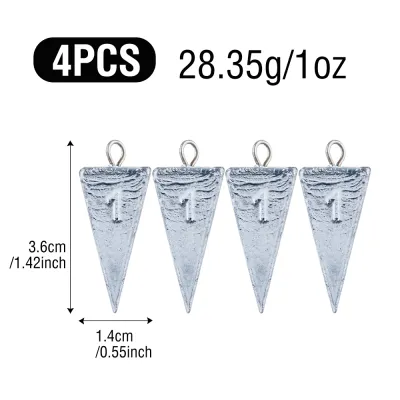
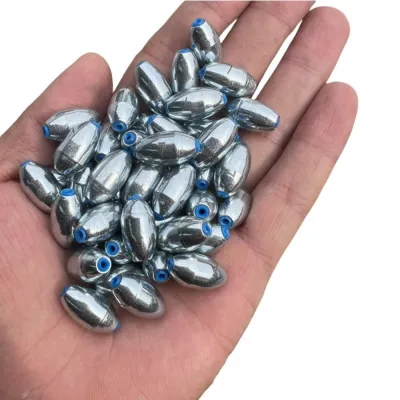
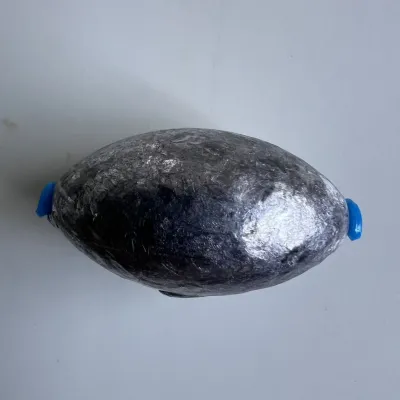
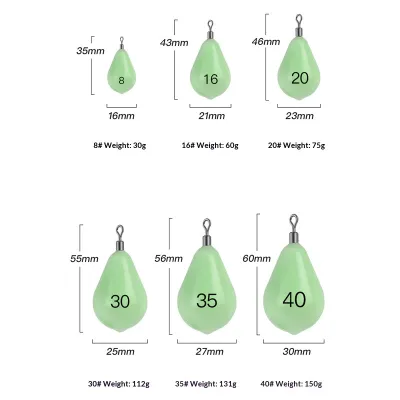
Prices are valid at publication and may change. Please refer to the product page for the latest price.
The golden rule of weight selection is to use the lightest sinker possible that still allows you to reach the bottom and maintain control. An excessively heavy weight will crash loudly into the water, potentially scaring away nearby fish, and will drag your bait deep into mud or debris. A lighter, well-balanced weight allows your bait to drift naturally with the water’s movement, making it far more appealing to predatory fish.
Common Sinker Shapes and Their Best Fishing Scenarios
Sinker shapes are engineered to solve specific underwater challenges, from navigating thick weeds to anchoring in heavy surf. Understanding how these profiles interact with the water and the bottom will help you choose the right tool for every outing.

Split Shot and Egg Sinkers for Bottom Fishing
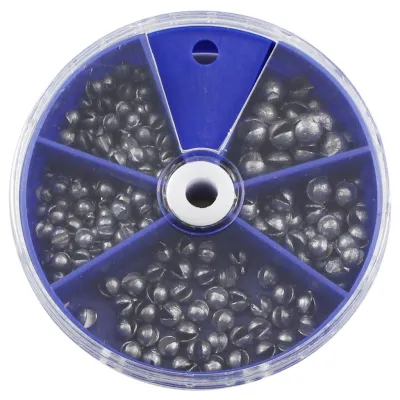
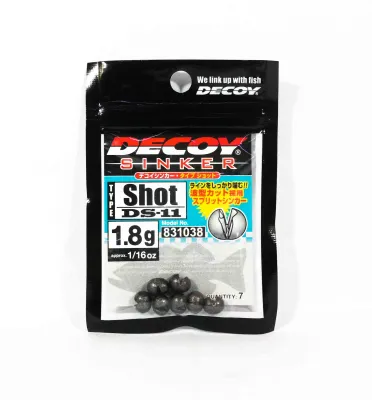
Split shot sinkers are small, round weights with a split opening that allows them to be pinched directly onto your fishing line. Egg sinkers are oval-shaped weights with a hole running through the center, allowing your main line to slide freely through the middle of the weight.
These round and oval profiles are ideal for calm waters, such as quiet lakes, slow-moving ponds, or sheltered bays. They provide an incredibly subtle presentation because they roll gently along clean sandy or muddy bottoms without creating sudden, unnatural movements.
The sliding design of the egg sinker is highly effective for bottom-dwelling fish. When a fish bites and swims away with your bait, the line slides smoothly through the center of the egg sinker. This prevents the fish from feeling the immediate resistance of the weight, giving you more time to set the hook.
However, these rounded shapes have clear limitations. In strong river currents or heavy ocean tides, round sinkers will roll uncontrollably, dragging your rig away from your target zone. They are also highly prone to getting wedged in rocky crevices or collecting clumps of submerged vegetation, making them poor choices for complex underwater structures.
Pyramid and Bank Sinkers for Shore Casting
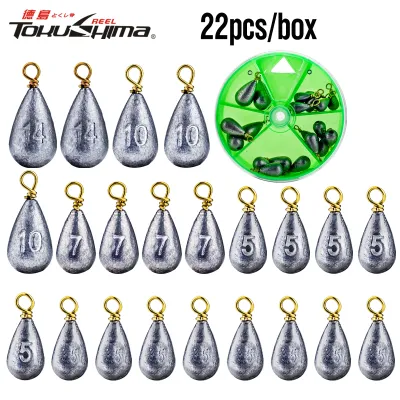
Pyramid sinkers feature an inverted pyramid shape with flat sides and a pointed tip, while bank sinkers are teardrop-shaped with flat, paneled sides and a molded eyelet at the top for easy line attachment.
The flat sides and sharp edges of these sinkers are specifically designed to prevent rolling in moving water. When a pyramid sinker lands on a sandy or muddy bottom, its pointed tip digs into the substrate, anchoring your rig firmly in place against strong waves, tides, or river currents.
These shapes are the standard choice for surf fishing along ocean beaches or casting from high river banks. They allow you to keep your bait stationary in high-energy zones where fish are actively hunting in the breaking waves.
The primary trade-offs of these angular sinkers are casting distance and snag potential. Pyramid sinkers are less aerodynamic than rounded shapes, which can reduce your casting distance in strong headwinds. Furthermore, their sharp corners and wide profiles make them highly susceptible to getting wedged in rocks or heavy timber, so they should be avoided in highly structured areas.
Bullet and Drop Shot Sinkers for Precision Techniques
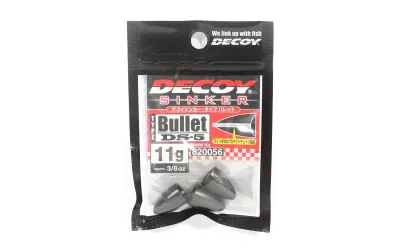
Bullet sinkers are cone-shaped weights with a hollow center designed to slide onto your line directly ahead of a soft plastic bait. Drop shot sinkers are typically cylindrical or round weights featuring a specialized clip at the top that pinches onto the tag end of your line.
The streamlined, pointed shape of the bullet sinker is engineered to slide effortlessly through thick weeds, lily pads, and submerged brush. It acts as a shield for your bait, parting the vegetation as you retrieve your rig and preventing weeds from wrapping around your hook.
Drop shot sinkers are used for a highly precise vertical presentation. By clipping the weight to the very bottom of your line and tying your hook a foot or two above it, you can suspend your bait at a specific depth off the bottom. This keeps your bait highly visible to fish suspended in the water column.
These specialized shapes outperform standard round sinkers when targeting fish hiding in dense cover or when you need to maintain a precise depth. They minimize snagging in complex environments where a traditional sinker would immediately get stuck.
Step-by-Step Guide to Rigging Your Sinker
Attaching your sinker correctly ensures your rig remains secure and functions as intended without damaging your fishing line. Follow these steps to set up your terminal tackle safely.
Step 1: Select the right attachment method. For split shot sinkers, place your line in the groove and gently pinch the weight closed using pliers or a specialized split-shot tool. Avoid squeezing too hard, as this can pinch and weaken the line. For sliding egg sinkers, thread your main line through the center hole, then tie on a swivel to act as a stopper before attaching your leader line and hook. For bank or pyramid sinkers, tie them directly to a dropper loop or attach them using a plastic sinker slide.
Step 2: Position the sinker relative to the hook. For a natural presentation, keep the sinker far enough from the hook to allow the bait to drift naturally. A distance of 30 to 60 centimeters is standard for most bottom rigs. If you are fishing in heavy cover with a bullet sinker, slide it directly against the hook to create a seamless, weedless profile.
Step 3: Test the rig’s balance and sink rate. Before casting your rig far into the water, drop it gently near the shoreline or beside your boat. Observe how quickly it sinks and whether the bait tangles around the main line. If the bait spins excessively or the sinker drops like a stone without letting the bait flutter, consider downsizing the weight or adjusting the leader length.
Common Beginner Mistakes and Rig Checks
Using excessive weight is one of the most common errors. Beginners often assume heavier is better, but an overly heavy sinker makes it difficult to feel subtle bites, increases the likelihood of snagging on the bottom, and can scare away cautious fish when it splashes loudly into the water.
Failing to check for line abrasion. Sinkers, especially sliding varieties or poorly crimped split shots, exert constant friction on your fishing line. Regularly run your fingers along the line near the sinker to check for rough spots, nicks, or fraying. If you feel any imperfections, cut the line and re-tie the rig to prevent losing a fish.
Verifying local fishing regulations. Many regions have strict environmental laws regarding the use of lead sinkers, particularly in freshwater lakes, national parks, or reservoirs where lead can harm wildlife. Always check local fisheries guidelines before heading out. If lead is restricted, look for alternative materials such as tungsten, brass, steel, or bismuth sinkers.
Frequently Asked Questions (FAQ)
How do I stop my sinker from sliding down the line?
To keep a sliding sinker or a drop shot weight in a fixed position, you can use rubber bobber stoppers threaded onto the line on either side of the weight. Alternatively, you can loop the line through the eyelet of the sinker a second time, or tie a simple overhand knot around a small plastic bead placed between the sinker and your knot to protect the connection. Always inspect the line for friction damage after adjusting the position of any stopper.
Can I use the same sinker for both saltwater and freshwater?
Yes, most sinkers can be used in both environments, but maintenance is key. Saltwater is highly corrosive to metal components, including brass loops, steel clips, and swivels. After fishing in saltwater, thoroughly rinse all your terminal tackle, including sinkers, with clean freshwater and let them dry completely before storing them to prevent rust and corrosion from weakening your rigs.
Are non-toxic sinkers required for all fishing locations?
While not universally required, non-toxic sinkers are mandatory in a growing number of national parks, wildlife refuges, and specific freshwater reservoirs globally to protect waterfowl from lead poisoning. Before purchasing your gear, check the local wildlife or fisheries authority guidelines for your specific fishing destination. Look for product packaging explicitly labeled as lead-free, tungsten, or steel when fishing in protected waters.

Community discussion
Share your experience or ask a question. Comments are reviewed before publication.