
Finding the right exercise bike for a Singapore HDB flat requires balancing your fitness goals with the realities of high-density living. To keep your walkways completely clear and ensure safe operation, a standard exercise bike typically requires a dedicated floor area of at least 120 cm in length and 60 cm in width, plus an additional 50 cm to 60 cm of clearance space on all active sides. By measuring your specific layout, understanding how different bike frames occupy space, and accounting for mounting zones, you can integrate a cardio workout into your home without disrupting the daily flow of your household.
Measuring Your Space and Clearance Requirements
Before purchasing any cardio equipment, you must map out the exact floor footprint where the machine will sit. Use a physical measuring tape to mark out the length and width of your proposed workout spot, and compare these measurements directly against the manufacturer’s specified operational dimensions rather than just the base frame size.
Safe operation requires more than just fitting the bike’s metal frame into a corner. You must add a clearance zone of at least 50 cm to 60 cm around the mounting and dismounting side of the bike, as well as space for handlebar rotation and body sway during high-intensity sessions. This buffer ensures that family members can walk past safely without bumping into you mid-ride.
Products mentioned in this guide
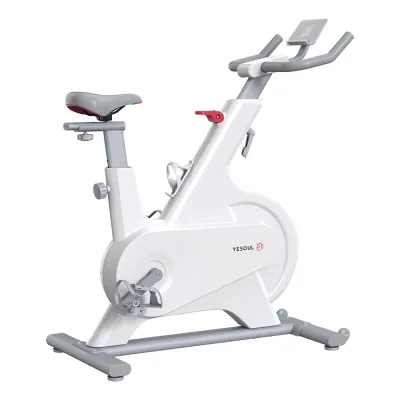
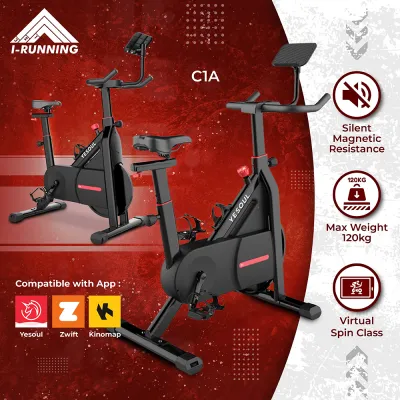
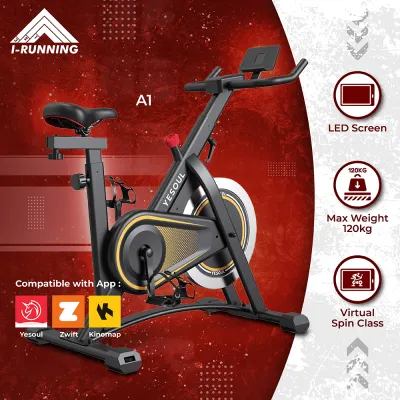
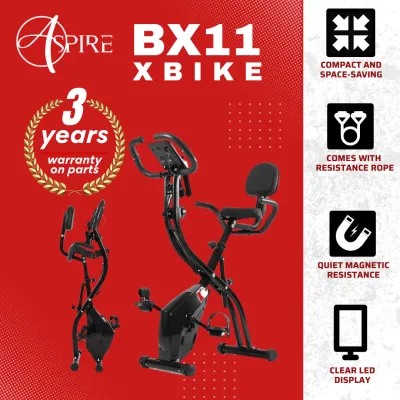
Prices are valid at publication and may change. Please refer to the product page for the latest price.
Do not overlook the journey the equipment must take to reach its final spot. Measure the width of your HDB main door, bedroom doors, elevator entrance, and any tight corridor turns to confirm the boxed or pre-assembled bike can physically pass through during delivery.
Ceiling height is another critical factor, particularly if you are considering a bike with a high seat post, a standing desk attachment, or a tall digital console. Ensure that your tallest household rider will have ample head clearance from ceiling fans, light fixtures, and concrete beams when fully upright or standing on the pedals.
Comparing Exercise Bike Form Factors for Small Layouts
Different exercise bike designs occupy space in distinct ways, affecting both the physical footprint and the visual weight of a room. Choosing the right form factor depends on your physical needs, fitness level, and the specific layout of your home.

Upright bikes are highly popular for smaller rooms because they generally offer a compact, square-like base footprint. They position the rider in a vertical stance, which minimizes horizontal floor usage, though you must still verify the clearance needed for forward handlebar reach and console height.
Recumbent bikes prioritize comfort and back support with a reclined seating position, but this design naturally requires a much longer and wider base. Because of their extended length, recumbent models are more likely to obstruct narrow walkways and are typically harder to tuck away in tight corners.
Indoor cycling bikes, often referred to as spin bikes, mimic road cycling with a streamlined, heavy-duty frame. While their floor footprint is relatively narrow, you must check the maximum overhang of the seat and handlebars when adjusted to your riding height, as these parts can extend beyond the base of the frame.
| Bike Form Factor | Footprint Size | Frame Stability | Ideal Room Placement | Spatial Trade-off |
|---|---|---|---|---|
| Upright Bike | Compact | Moderate to High | Bedroom corners, study rooms | Requires vertical clearance for tall consoles |
| Recumbent Bike | Large / Extended | High | Spacious living rooms, dedicated alcoves | Long frame can block narrow walkways |
| Indoor Cycling Bike | Moderate | Very High | Living room edges, balcony-adjacent areas | Heavy flywheels make frequent moving difficult |
Evaluating Foldable and Compact Exercise Bikes
Foldable exercise bikes are often marketed as the ultimate space-saving solution for compact apartments, but they require careful evaluation before purchase. You must distinguish between the bike’s folded storage dimensions and its fully extended operational footprint to ensure you have enough room to actually use it.
While folding frames save floor space when tucked into a closet or behind a door, they often feature different structural limits than fixed-frame models. Check the manufacturer’s specified weight capacity and frame rigidity, as the central folding joints and locking pins must bear your full weight during active pedaling.
Consider the daily physical effort required to set up and pack away the equipment. If folding and rolling a heavy machine across your living room feels like a chore, the bike is more likely to sit unused or remain permanently unfolded, defeating its space-saving purpose.
Always review the manufacturer’s instructions regarding the locking mechanisms and stability checks. Before every ride, verify that the safety pins are fully engaged and the frame is locked securely in place to prevent accidental collapsing during your workout.
Planning Your Layout: Bedroom vs. Living Room Corner
Deciding where to place your exercise bike involves balancing daily household traffic with your personal workout preferences. The two most common locations in an HDB flat—the bedroom and the living room—each present unique spatial and environmental challenges.
In a bedroom, your primary goal is to maintain a restful environment while ensuring you can still open wardrobe doors and access both sides of the bed. Position the bike to avoid blocking these essential pathways, and consider how the physical bulk of the machine affects the room’s visual clutter. Noise management is also crucial here; choosing a bike with magnetic resistance rather than physical friction pads helps prevent disturbing other family members or downstairs neighbors during early morning or late-night rides.
A living room corner allows you to integrate your workouts into a more social space, but the bike must align with the existing flow of furniture. Avoid placing the equipment where it blocks main walkways, dining table seating, or the sliding doors leading to your balcony.
Regardless of the room you choose, pay close attention to environmental factors. Position the bike to benefit from natural ventilation or air-conditioning airflow, but keep digital consoles out of direct sunlight to prevent screen glare and heat damage. Additionally, always plan to use a dedicated floor protection mat to safeguard your vinyl, laminate, or tile flooring from sweat and mechanical vibrations.
Common Sizing and Placement Mistakes to Avoid
One of the most frequent mistakes is relying solely on the bike’s base footprint dimensions listed on retail websites. This oversight ignores the extra width added by protruding handlebars, the outer sweep of the pedals during rotation, and the tilt angle of large digital screens.
Placing your exercise bike too close to walls, curtains, or furniture can restrict necessary ventilation. Both your body and the bike’s internal magnetic or electronic components require adequate airflow to prevent overheating during intense cardio sessions.
Another common pitfall is failing to measure the entire delivery pathway from the building’s lift lobby to your flat’s interior. A bike that technically fits your bedroom corner is of little use if the delivery box cannot clear a tight turn in your entryway corridor.
Avoid assuming that all products labeled “compact” or “space-saving” share similar dimensions. Always verify the exact, hard specifications in centimeters before making a decision, as marketing terms are highly subjective and vary widely between brands.
Frequently Asked Questions (FAQ)
Can I keep an exercise bike on a balcony or common corridor?
Keeping an exercise bike in a common corridor is strictly prohibited under HDB fire safety guidelines, as corridors must remain completely clear to serve as escape routes. While a private balcony might seem like a viable alternative, Singapore’s high humidity, intense tropical sunlight, and sudden rainstorms can rapidly degrade electronic consoles, rust metal frames, and void your manufacturer’s warranty. If you must use a sheltered balcony, ensure the bike is rated for outdoor exposure, keep it covered when not in use, and regularly inspect the frame for signs of corrosion.
Do I need a floor mat for my exercise bike in an HDB flat?
Yes, using a high-density floor mat is highly recommended when setting up an exercise bike in an HDB flat. A quality mat protects your flooring from scratches, indentations, and corrosive sweat, while also defining a clear visual boundary for your workout zone. More importantly, it dampens the structural vibrations and low-frequency hum generated by the flywheel, helping you maintain good relations with your downstairs neighbors.

Community discussion
Share your experience or ask a question. Comments are reviewed before publication.