
A compact foot stepper machine with a physical footprint of roughly 30 to 50 centimetres in width and length is typically the most practical choice for a Singapore HDB flat. However, the true space requirement depends on the machine’s operational footprint—the actual area needed when you are actively stepping, balancing, or using resistance bands. Balancing your fitness goals with the realities of limited floor space requires looking beyond static dimensions to evaluate how a machine integrates into your daily living environment.
Selecting the right size involves analyzing your home’s layout, understanding how different stepper designs function, and planning for safe clearance. By taking a systematic approach to measuring your space and comparing form factors, you can enjoy a convenient cardio workout at home without turning your living room or bedroom into a cramped gym.
Understanding HDB Space Constraints and Stepper Footprints
When shopping for home cardio equipment, it is easy to focus solely on the dimensions listed on the box. However, there is a significant difference between a machine’s physical footprint and its operational footprint. The physical footprint is simply the static space the machine occupies when it is sitting idle or stored away. In contrast, the operational footprint represents the total area required for you to use the machine safely and comfortably.
Products mentioned in this guide
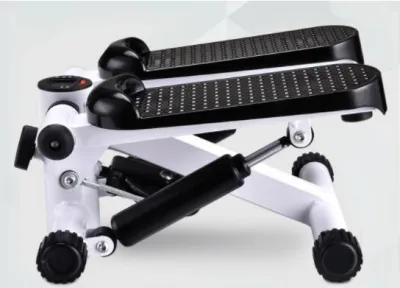
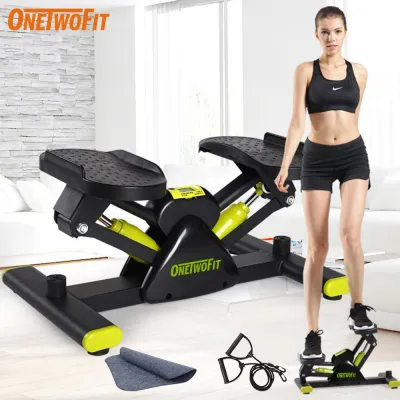
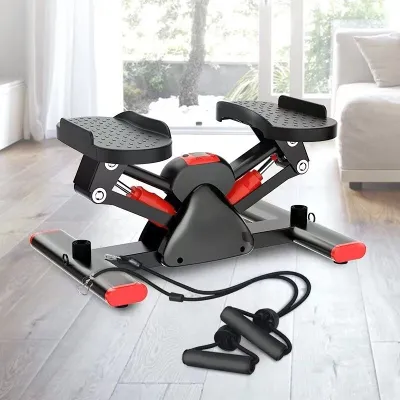
![[✅SG Ready Stock] Portable Stepper Quiet Mini Home Step Machin Mini Stepper With LCD Monitor Portable Fitness Exercise](https://img.lazcdn.com/g/p/a80d1fd90021be830fe347ea9c50d3b0.png_400x400q80.png_.webp)
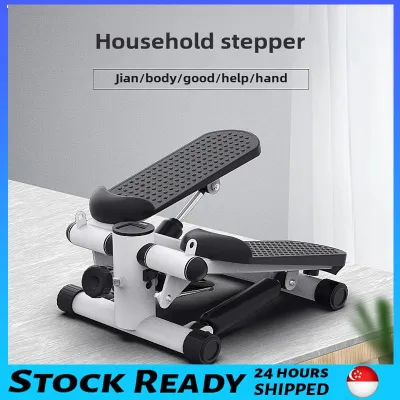
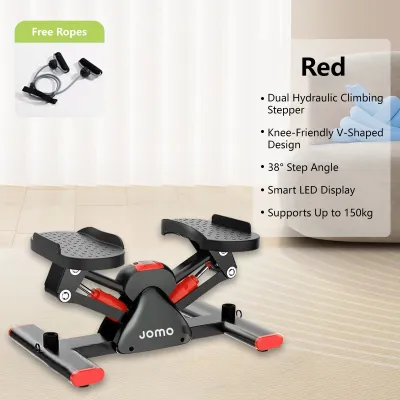
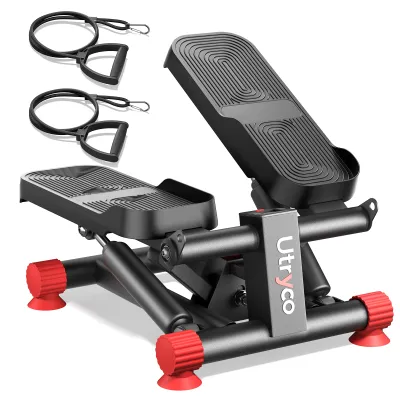
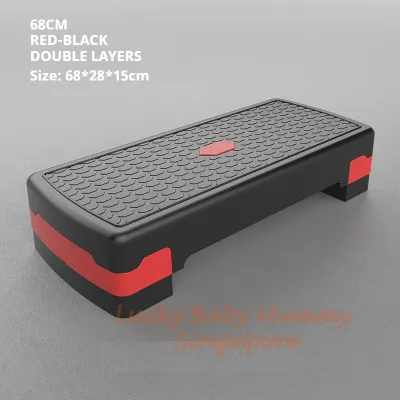
Prices are valid at publication and may change. Please refer to the product page for the latest price.
For a foot stepper machine, the operational footprint must account for your body’s natural movement. As you step, your body will naturally sway slightly from side to side or lean forward to maintain balance. If your stepper includes resistance bands or moving handlebars, your arms will extend well beyond the physical frame of the machine. Failing to account for this extra space can lead to a cramped, uncomfortable workout where you are constantly worrying about bumping into nearby walls or furniture.
Clearance requirements are also essential for safety and ventilation. You should aim for a minimum of 50 to 60 centimetres of open space on all sides of the stepper during use. This clearance zone acts as a safety buffer, allowing you to step off the machine quickly if you lose your balance. Additionally, if you choose a model with hydraulic cylinders, these components generate heat during operation and require adequate airflow to cool down properly.
Finally, do not forget to look upward. HDB flats typically have a ceiling height of around 2.6 to 2.8 metres. When you stand on a foot stepper, the pedals will elevate you by 15 to 30 centimetres at the peak of their motion. If you are tall, or if you plan to place the stepper directly under a ceiling fan, light fixture, or false ceiling beam, you must calculate your elevated height to avoid painful overhead collisions.
Comparing Foot Stepper Form Factors for Compact Living
Different stepper designs offer distinct trade-offs between workout intensity, stability, and space efficiency. Understanding these form factors will help you choose a machine that matches both your fitness goals and your flat’s layout.

Mini steppers are the most popular choice for space-constrained apartments. These ultra-compact machines consist of just the base and two pedals, typically measuring no more than 40 centimetres wide and 30 centimetres deep. Because they lack a tall frame or handlebars, they can be easily tucked under a coffee table, TV console, or study desk when not in use. Some mini steppers are even designed for seated use, allowing you to pedal while working at your desk or watching television, making them incredibly versatile for small study rooms or bedrooms.
Foldable steppers offer a middle ground for those who want the stability of a frame without sacrificing permanent floor space. These machines feature a taller frame with handlebars that can fold down flat against the base. While they provide excellent support for balance, you must consider the physical effort required for daily setup and takedown. A foldable stepper often weighs between 10 and 15 kilograms; if unfolding and locking the frame feels like a chore, you may find yourself leaving it in the closet rather than working out.
Upright steppers are larger, non-folding machines that feature a permanent vertical frame and often include moving handlebars for a full-body workout. These machines provide the highest level of stability and are ideal for intense cardio sessions, but they require a dedicated corner of your home. Because they cannot be easily hidden away, you must treat an upright stepper as a permanent piece of furniture. This option is best suited for larger HDB flats where a specific corner of the living room or a spare bedroom can be permanently designated as a workout zone.
How to Measure and Plan Your Workout Zone
Before purchasing any equipment, take the time to measure your intended workout area. A precise measurement plan ensures that your new stepper will fit seamlessly into your daily routine without disrupting the flow of your home.
Start by using a tape measure to map out the exact floor area where you plan to exercise. Mark out the physical dimensions of the stepper on the floor using masking tape to help visualize how much space it will occupy. Next, measure the vertical distance from the floor to the ceiling in that exact spot, keeping an eye out for low-hanging light fixtures, air conditioning units, or ceiling fan blades that could pose a hazard when you are elevated on the machine.
Next, evaluate the surrounding environment for potential obstructions. Consider the swing paths of nearby doors, wardrobe panels, and kitchen cabinets. Ensure that your designated workout zone does not block primary walkways, corridors, or emergency exit routes. You should also maintain a safe distance from fragile items, such as glass coffee tables, display cabinets, or wall-mounted televisions, to prevent accidental contact during high-energy workouts.
Floor protection is another critical consideration for HDB dwellers. Typical apartment flooring, such as vinyl tiles, laminate wood, or polished ceramic tiles, can easily be scratched, dented, or discoloured by the heavy metal frames and rubber feet of a stepper machine. Placing a dense PVC or rubber equipment mat under your stepper is highly recommended. Not only does a mat protect your flooring, but it also absorbs operational vibrations, reduces noise for your downstairs neighbours, and prevents the machine from sliding around during use.
Space-Saving Features and Storage Solutions
If you do not have a dedicated workout room, choosing a foot stepper machine with smart space-saving features will make it much easier to keep your home tidy and organized.
Look for design features that enhance portability and storage convenience. Built-in transport wheels are incredibly useful, allowing you to roll heavier foldable or upright steppers from a storage closet to your workout spot without straining your back. Detachable handlebars or quick-release adjustment pins are also highly beneficial, as they allow you to quickly reduce the machine’s height or disassemble key parts so it can fit into tighter storage spaces.
Vertical storage is an excellent way to save floor space, but it must be done safely. Some foldable steppers are designed to stand upright on their end when folded. Before storing your machine vertically, always consult the manufacturer’s manual to ensure the internal components, such as hydraulic cylinders, are rated for vertical storage without leaking fluid. Additionally, ensure the machine is stored in a secure position where it cannot be easily knocked over by children, pets, or accidental bumps.
For smaller, lightweight mini steppers, under-bed or closet storage is often the most practical solution. Measure the clearance height under your bed frame or sofa before buying; most standard mini steppers require a clearance of at least 20 to 25 centimetres to slide underneath comfortably. If your furniture sits lower to the ground, look for a dedicated shelf in a utility closet or a designated spot in your wardrobe base to keep the machine out of sight when your workout is complete.
Common Sizing and Placement Mistakes to Avoid
To ensure a safe and enjoyable home workout experience, avoid these common mistakes when choosing and placing your foot stepper machine.
One of the most frequent errors is ignoring the operational clearance needed for natural movement. Do not assume that because a stepper’s physical frame fits into a tight corner, you can comfortably exercise there. Your elbows, shoulders, and hips need room to move naturally; placing a machine too close to a wall or furniture can restrict your range of motion, lead to poor posture, and increase the risk of injury.
Another common pitfall is underestimating the daily effort required to move and store heavier, bulkier machines. If a stepper is heavy, awkward to carry, or difficult to fold, the friction of setting it up can quickly become a barrier to your fitness routine. Be honest about your lifestyle and physical strength; if you prefer a frictionless setup, a lightweight mini stepper that lives permanently under your sofa may be a far better choice than a heavy, high-performance foldable model.
Finally, avoid placing your equipment too close to walls or delicate surfaces. Stepping motions can cause the machine to vibrate or shift slightly over time, which can scuff paint, damage wallpaper, or leave black marks on your walls. Furthermore, placing a stepper directly against a wall can block the ventilation ports of motorized or hydraulic systems, causing the machine to overheat. Always maintain a safe, clear boundary around your equipment to protect both your home and your investment.

Community discussion
Share your experience or ask a question. Comments are reviewed before publication.