
To find the ideal small fishing rod as a beginner in Singapore, look for a versatile spinning rod measuring between 5 and 7 feet with a medium-light power rating and a moderate-to-fast action. This specific configuration offers the perfect balance of portability, ease of casting, and adaptability to Singapore’s diverse fishing spots, from the crowded decks of Bedok Jetty to the quiet banks of designated reservoirs. Rather than searching for a single universal model, beginners should focus on understanding how rod specifications match local environments, ensuring their first purchase is both manageable on public transport and highly effective for targeting common local species.
Understanding "Small" Fishing Rods for Local Waters
In Singapore’s urban fishing landscape, space is often at a premium. A small fishing rod, typically defined as measuring between 5 and 7 feet (approximately 1.5 to 2.1 meters), is highly practical for several reasons. First, shorter rods provide exceptional casting control and maneuverability. When fishing from crowded jetty walkways, narrow boardwalks, or heavily vegetated reservoir banks, you rarely have the clearance for a massive overhead cast. A compact rod allows you to execute precise underhand, sidearm, or flip casts without risking hooking a passerby, hitting overhead branches, or tangling with neighboring lines.
Portability is another critical factor for local anglers. Many beginners in Singapore commute to fishing spots using public transport like the MRT or buses. Carrying a long, one-piece rod on a crowded train during peak hours is not only stressful but also increases the risk of damaging the fragile rod tip. A small rod that breaks down into two or more sections, or collapses telescopically, fits easily into a standard rod bag or even a backpack. This makes commuting to popular spots like Labrador Park, Woodlands Jetty, or Pasir Ris Town Park incredibly convenient and stress-free.
Products mentioned in this guide
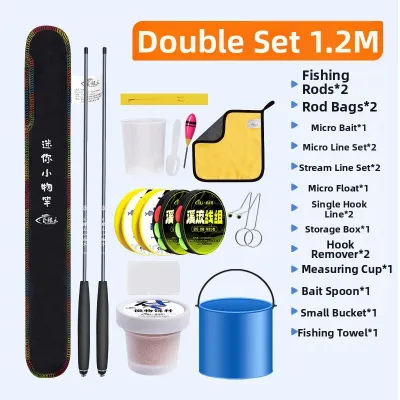
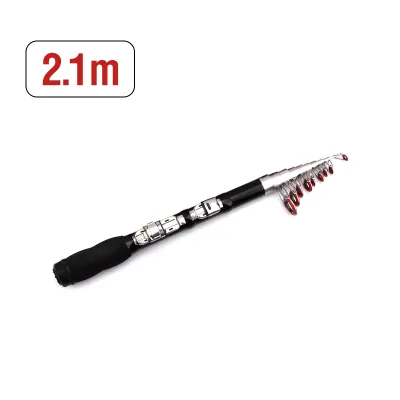
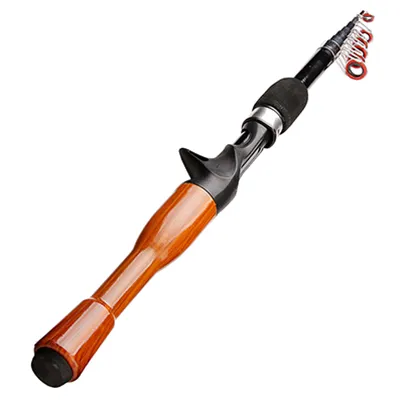
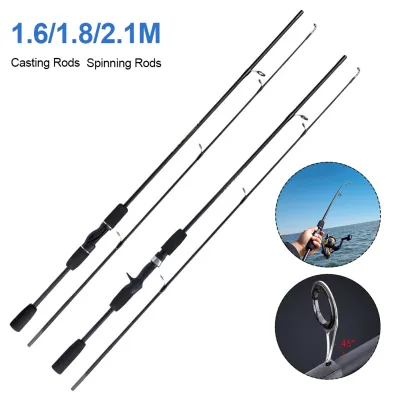
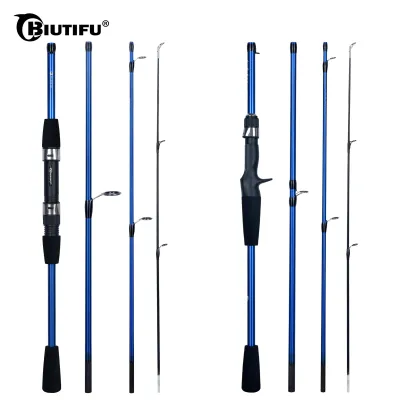
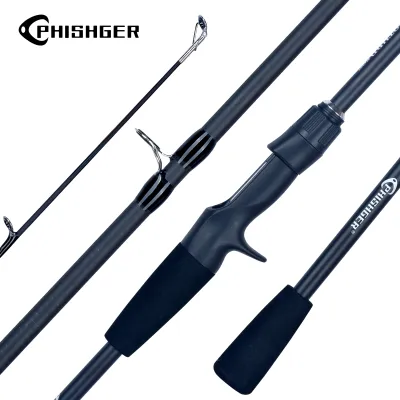
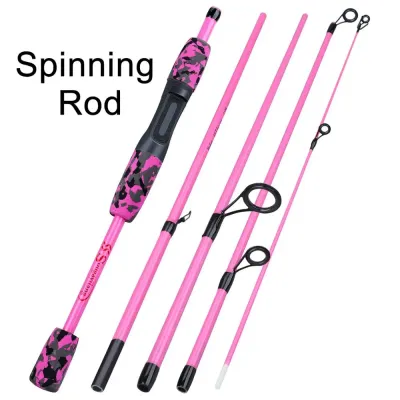
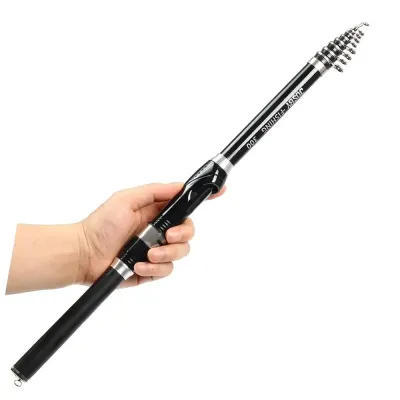
Prices are valid at publication and may change. Please refer to the product page for the latest price.
When choosing a compact rod, you will generally decide between a telescopic rod and a multi-piece travel rod. Telescopic rods offer unmatched convenience because they collapse into a single, highly compact unit without separating. However, they feature numerous joints that can trap salt, sand, and moisture, which can compromise the rod’s structural integrity over time. Multi-piece travel rods (usually consisting of 2 to 4 pieces) are generally preferred for beginners. They offer superior structural strength, better sensitivity for detecting subtle bites, and a more consistent bending curve, making them a more durable and reliable investment for those starting their angling journey.
Key Features That Make a Rod Beginner-Friendly
Selecting a beginner-friendly rod means focusing on attributes that minimize frustration and flatten the learning curve. The first critical attribute is rod action, which describes where and how easily the rod bends when pressure is applied. Fast-action rods bend primarily near the tip, while moderate or slow-action rods bend further down the blank. For beginners, a moderate or moderate-fast action is highly forgiving. It loads (bends) more slowly during the cast, giving you a wider window of time to release the line and achieve a smooth, accurate cast. Additionally, a moderate action acts as a shock absorber, preventing you from pulling the hook out of a fish’s mouth too quickly during an enthusiastic hook set.

Rod power is the next key specification, representing the rod’s overall lifting strength and resistance to bending. For small rods used in local waters, a light to medium-light power rating is highly recommended. This range provides the perfect balance: it is sensitive enough to let you feel the delicate nibbles of smaller target species like tilapia or rabbitfish, yet possesses enough backbone to handle larger, unexpected catches like small groupers or snappers without snapping. Using a rod with appropriate power also prevents line breakage, as the rod bends to absorb the force of a running fish rather than putting all the tension on your fishing line.
Finally, pay close attention to the rod’s guides (the eyelets that run along the blank) and the reel seat. Quality guides are essential because they reduce friction as the line flies out during a cast. Look for guides with smooth ceramic inserts, such as aluminum oxide, which prevent line wear and heat buildup. The reel seat, which secures your reel to the rod, must be robust and ergonomic. A screw-down reel seat made of high-grade graphite or reinforced plastic ensures that your reel remains firmly attached without wobbling, reducing hand fatigue during long casting sessions under the tropical sun.
Matching Rod Specs to Your Target Catch and Location
To get the most out of your small fishing rod, you must align its specifications with the specific environments and fish species you plan to target in Singapore. Local fishing can be broadly divided into freshwater and saltwater categories. Freshwater angling in designated reservoirs (such as Bedok, Pandan, or MacRitchie) or commercial payponds typically involves targeting species like peacock bass, tilapia, or snakeheads. For these environments, a highly sensitive, light-power rod is ideal for casting lightweight artificial lures or soft plastics.
In contrast, saltwater fishing at coastal spots like Sembawang Jetty, Changi Beach, or West Coast Park requires gear that can handle harsher conditions. Here, you are more likely to target bottom-dwelling species like snappers, groupers, or bream. Saltwater setups often require slightly heavier sinkers to keep your bait anchored against strong tidal currents. Therefore, a medium-light power rod that can handle heavier terminal tackle without overloading is a better choice for coastal saltwater outings.
To ensure your rod can handle your intended setup, always read the line weight and lure weight ratings printed directly on the rod blank just above the handle. For example, a rod rated for 4–10 lb line and 1/16–1/4 oz lures should only be paired with tackle within those ranges. Exceeding these limits can cause the rod to snap during a forceful cast or when trying to lift a heavy fish out of the water. Additionally, always check local fishing regulations before setting out. Agencies like national parks boards and water utilities enforce specific rules regarding permitted fishing zones, bait types, and hook configurations to protect local ecosystems.
How to Build Your Shortlist of Entry-Level Rods
When building a shortlist of potential rods, establishing a realistic budget is the first step. For a beginner in Singapore, a budget of S$30 to S$80 is entirely sufficient to secure a high-quality, durable entry-level rod. Within this price range, look for rods constructed from fiberglass-composite or low-modulus carbon fiber. While high-end, pure carbon fiber rods are incredibly light and sensitive, they are also highly brittle and can easily snap if dropped, banged against a jetty railing, or handled incorrectly by a novice. Composite rods offer excellent durability and flexibility, making them far more forgiving of beginner mistakes.
Brand reputation and local support are equally important. Focus on established brands that are widely stocked across Singapore’s local tackle shops. Purchasing a brand with a strong local presence means you can easily find replacement parts, such as a replacement tip section if you accidentally shut yours in a car door, or get quick assistance from experienced shop staff. Avoid unbranded or generic rods from online marketplaces that offer no warranty or customer support, as these often use low-grade components that rust or break after just a few outings.
Before making your final purchase, visit a physical tackle shop to handle the rods in person. Hold the rod in your hand and simulate a casting motion to check its overall balance; it should feel comfortable and not overly heavy at the tip. Inspect the alignment of the guides to ensure they form a straight line down the blank, and run your fingernail inside the ceramic rings to check for any cracks or chips that could cut your fishing line. Gently flex the rod tip against a flat surface to feel how it bends, ensuring there are no unusual creaks or stiff spots in the blank.
Essential Gear to Pair With Your Small Fishing Rod
A fishing rod cannot function on its own; it must be paired with compatible gear to create a balanced, effective setup. Your first priority is selecting a matching spinning reel. For a 5 to 7-foot rod, a spinning reel in the 1000 to 2500 size range is the perfect match. A reel in this size category holds an adequate amount of line without making the overall setup feel heavy or unbalanced. Ensure the reel’s drag system operates smoothly, as a jerky drag can lead to snapped lines when a fish makes a sudden run.
Next, choose the right fishing line. For absolute beginners, a high-quality monofilament line rated between 6 and 10 lb test is highly recommended. Monofilament is inexpensive, easy to knot, and possesses a natural stretch that acts as an extra shock absorber when fighting a fish. If you prefer to use braided line for its superior casting distance and sensitivity, you must tie on a fluorocarbon leader (typically 12 to 15 lb test) at the end. The leader provides crucial abrasion resistance against sharp rocks, barnacles, and concrete jetty pylons that would easily cut through exposed braided line.
Finally, assemble a basic selection of terminal tackle and safety tools. Your tackle box should include a variety of small hooks (sizes 4 to 8 are highly versatile), split shots, small barrel swivels, and sinkers suitable for local currents. Essential safety and utility tools include long-nose pliers for safely removing hooks from a fish’s mouth, a fish grip to hold slippery or spiny species without injuring yourself or the fish, and a line cutter or nail clippers. Always carry a small rag to dry your hands, ensuring you maintain a secure grip on your rod at all times.
Frequently Asked Questions (FAQ)
How do I clean my fishing rod after saltwater use?
To prevent corrosion and extend the lifespan of your rod, rinse it thoroughly with gentle, running fresh water immediately after every saltwater outing. Pay close attention to the metal guides, the reel seat threads, and the connection joints of multi-piece rods, as these are the primary areas where salt crystals and sand accumulate. Wipe down the entire blank with a soft microfiber cloth to remove any remaining residue, and allow the rod to air dry completely in a shaded, well-ventilated indoor area before storing it in a rod bag. Never use harsh household detergents, abrasive scrubbing pads, or high-pressure water sprays, as these can strip away protective coatings, damage the delicate ceramic guide inserts, or force salt and moisture deeper into the rod’s joints.
Can I use a small freshwater rod for saltwater fishing?
While you can physically use a freshwater rod in saltwater environments, doing so carries a high risk of rapid corrosion and permanent damage. Freshwater rods are often constructed with metal guides, reel seat hoods, and internal components that lack the specialized anti-corrosion coatings found on saltwater-rated gear. If exposed to marine environments, these components can begin to rust and degrade within a matter of days. If you must use a freshwater rod in saltwater, verify that the manufacturer specifies some level of corrosion resistance, and be exceptionally diligent about rinsing the entire rod with fresh water immediately after use. For long-term reliability and peace of mind, it is highly recommended to invest in a rod explicitly rated for saltwater or dual-use environments.

Community discussion
Share your experience or ask a question. Comments are reviewed before publication.