
Choosing the right tennis overgrip as a beginner comes down to matching your hand’s sweat level, your comfort preferences, and the local climate with the right material thickness and texture. An overgrip is a thin, protective wrap applied over the racket’s original base grip to enhance traction, absorb moisture, and prevent the racket from slipping during a swing. For most beginners, starting with a standard polyurethane (PU) overgrip that offers a balance of tackiness and moderate absorption is the most reliable path to finding a comfortable, secure hold on the court.
Understanding Tennis Overgrip Materials and Types
Polyurethane (PU) synthetic overgrips are the most popular choice for beginners due to their versatility and balanced feel. These grips feature a thin polyurethane coating over a microfiber base, providing a soft, cushioned surface with reliable friction. Within the PU category, you will find two primary finishes: tacky and dry. Tacky overgrips have a sticky feel that helps you maintain a secure hold with minimal hand pressure, which is excellent for beginners still learning proper grip tension. Dry-feel PU overgrips have a velvety, matte texture designed to pull moisture away from the skin, making them ideal if your hands sweat during play.
Towel grips, made of cotton terry cloth, offer maximum sweat absorption and are designed for players with heavy perspiration. While they excel at keeping hands dry, they lack the cushioning of PU grips and can become heavy and stiff once saturated with sweat, requiring very frequent replacement.
Products mentioned in this guide
![Babolat Pro Tour Overgrip [Suiteable for Tennis Badminton Pickleball Padel etc]](https://img.lazcdn.com/g/p/a7e19e5cca9eead057aa0b7918e68dff.jpg_400x400q80.jpg_.webp)
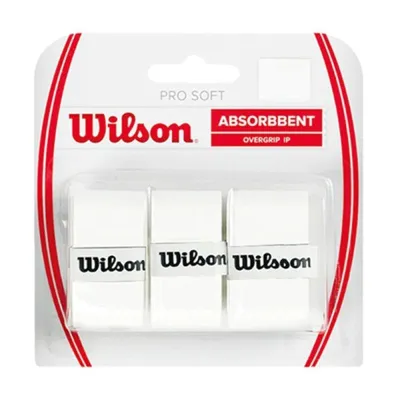
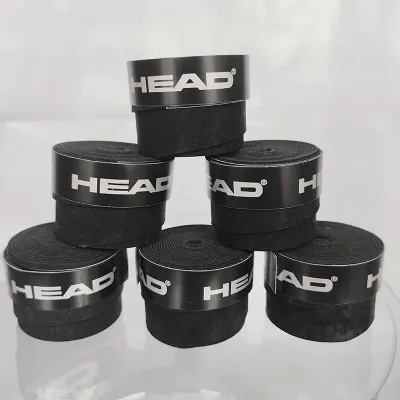
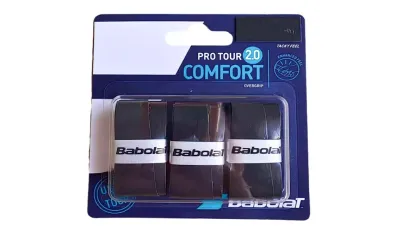
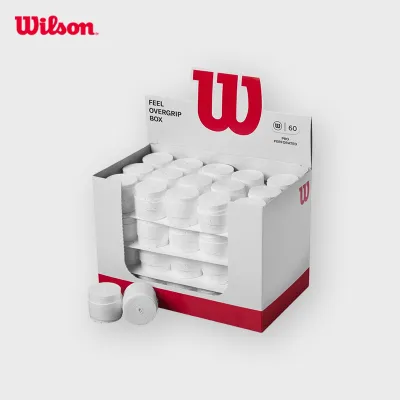
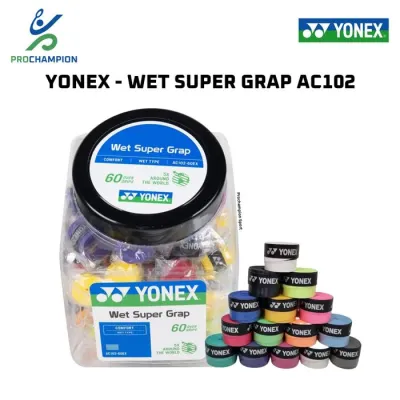
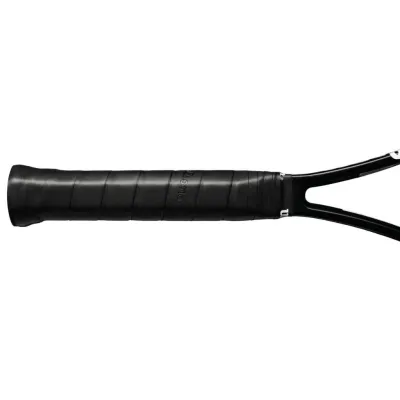
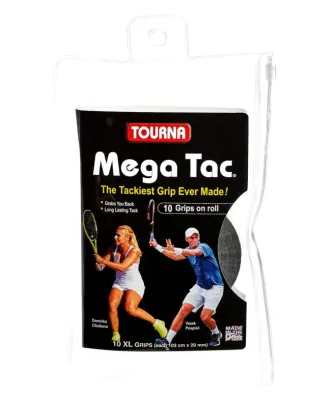
Prices are valid at publication and may change. Please refer to the product page for the latest price.
Hybrid or textured overgrips feature raised ridges, patterns, or perforations. Textured grips often have a raised foam center line that creates a spiral ridge along the handle, giving your fingers natural grooves to rest in. This helps beginners maintain consistent hand placement. Perforations increase the surface area for moisture evaporation and provide a slightly rougher texture that improves mechanical grip.
Matching Thickness and Texture to Your Hand Size and Comfort
Overgrip thickness typically ranges from 0.4 mm to 0.8 mm, and your choice directly impacts how much feedback you receive from the racket handle. Tennis handles are octagonal, featuring eight flat sides called bevels that help you identify your grip position by feel. A thin overgrip (0.4 mm to 0.5 mm) preserves these sharp bevels, making it easier for beginners to learn grip transitions. A thicker overgrip (0.6 mm to 0.8 mm) provides more cushioning and dampens vibrations, which can reduce arm fatigue, though it slightly rounds out the bevels.

When choosing between tacky and dry textures, consider your local climate and sweat levels. In humid environments like Singapore, sweat does not evaporate quickly, meaning your hands are likely to remain damp. If you sweat heavily, a dry-feel overgrip or a perforated tacky grip will help prevent the racket from twisting. If you do not sweat much, a classic tacky grip provides a secure, locked-in sensation without requiring a tight, tiring squeeze.
Your hand size also dictates how you should configure your grip. If your racket handle feels slightly too small, you can use a thicker overgrip or wrap a standard overgrip with a wider overlap to increase the handle’s circumference. Conversely, if your hand is small, opt for the thinnest overgrip available and wrap it with minimal overlap to avoid making the handle feel bulky.
Step-by-Step Decision Guide for Beginners
To choose the right overgrip, start by assessing your playing frequency and sweat level. If you play once a week for light practice and have dry hands, a standard tacky overgrip offers long-lasting performance. If you train multiple times a week in warm conditions, prioritize moisture management by looking for overgrips labeled as “absorbent” or “dry-feel.”
Next, check the condition of your base grip. An overgrip is designed to wrap over a functional base grip, not a bare handle or a crumbling surface. If your base grip is flaking or compressed flat, replace the base grip first to ensure a smooth, cushioned foundation for your new overgrip.
When shopping at local sports stores or online marketplaces, evaluate packaging labels carefully. Overgrips are highly affordable, typically costing between S$2 and S$5 per grip, making them an easy way to customize your racket. Look for reputable brands that clearly state the grip’s thickness and performance characteristics, such as “high tack” or “maximum absorption.” Avoid generic wraps that do not specify these details, as they may lack the durability and stretch needed for a proper fit.
Finally, start with a small multi-pack containing three to five individual grips. This allows you to test different textures and thicknesses under real playing conditions without committing to a large bulk purchase. Once you identify the specific material that feels most secure, you can confidently buy larger quantities.
Applying and Maintaining Your Overgrip for Optimal Performance
Applying your overgrip correctly prevents wrinkles and ensures a consistent feel. Start at the butt cap of the racket handle, aligning the tapered end of the overgrip with the edge. Hold the end firmly and make one complete, flat wrap around the base to anchor it. Wind the grip upward toward the racket throat, overlapping the edges by about 2 to 3 millimeters. Maintain consistent, firm tension as you wrap to stretch the material slightly and avoid air bubbles.
Once you reach the top of the handle, cut the remaining overgrip at an angle with scissors to create a clean, straight edge. Secure this top edge firmly using the adhesive finishing tape included in the package. For right-handed players, wrap the grip in a clockwise direction; for left-handed players, wrap in a counter-clockwise direction to ensure your fingers naturally lay across the seams rather than peeling them back.
Recognizing when to replace your overgrip is essential for maintaining control. Visual indicators include fraying edges, peeling layers, or dark dirt stains. Tactile indicators are even more critical: if the grip feels slick, slippery, or unusually hard, it can no longer absorb sweat or provide adequate traction. Playing with a worn-out grip forces you to squeeze harder, increasing the risk of blisters and muscle strain.
To maximize the lifespan of unused overgrips, keep them sealed in their original plastic packaging or store them in an airtight zip-top bag inside your tennis bag. This prevents the polyurethane and adhesive materials from drying out or collecting dust due to exposure to air, heat, and humidity.
Frequently Asked Questions (FAQ)
Can I use an overgrip directly on a bare racket handle?
No, you should not apply an overgrip directly to a bare wooden, graphite, or plastic racket handle. Overgrips are very thin and do not provide enough cushioning to protect your hand from vibrations, nor do they have the structural thickness required to define the handle’s bevels properly. Always ensure your racket has a thicker, cushioned base grip installed first before wrapping an overgrip over it.
How often should a beginner change their tennis overgrip?
There is no fixed schedule for changing an overgrip, as it depends on your playing frequency, sweat levels, and local weather. As a general rule, many recreational players change their overgrip every 6 to 10 playing hours, or as soon as they notice a visible loss of traction or comfort. If you play in hot, humid conditions, you may find yourself replacing the grip more frequently to maintain a dry, secure hold.

Community discussion
Share your experience or ask a question. Comments are reviewed before publication.