
Selecting the right tension belts—often referred to as compression wraps or recovery straps—for post-run recovery in Singapore requires balancing targeted pressure, material breathability, and personal training demands. In a tropical climate where high humidity accelerates sweat production, choosing a recovery tool that remains comfortable on the skin while delivering consistent compression is essential. Rather than relying on a single universal solution, runners must evaluate how different strap designs, elasticities, and fastening mechanisms align with their specific muscle groups and recovery routines.
By understanding the distinct mechanical advantages of tension belts and verifying product specifications before purchasing, you can optimize your lower-limb recovery. This guide outlines the key selection criteria, local purchasing considerations, and safe application practices to help you make an informed decision.
Understanding Tension Belts for Muscle Recovery
Tension belts function by applying localized, adjustable compression to specific muscle groups, helping to manage post-exercise swelling and support natural circulation. Unlike generalized compression garments, these wraps allow you to concentrate pressure directly on fatigued areas, such as the calves or thighs, immediately after a run. The mechanical pressure temporarily limits localized blood flow to a targeted zone; upon release, a fresh influx of blood circulates through the tissue, assisting in the removal of metabolic waste products accumulated during high-intensity training.
Products mentioned in this guide
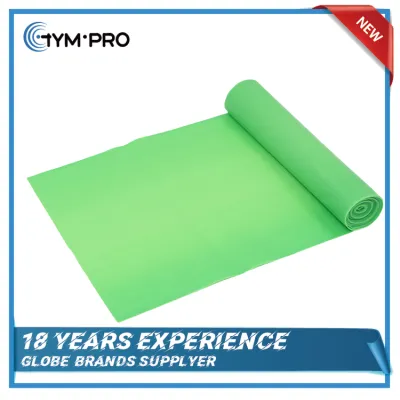
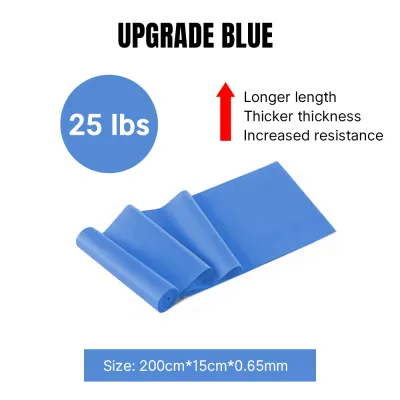
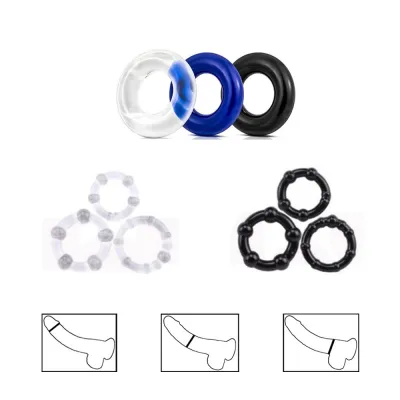
Prices are valid at publication and may change. Please refer to the product page for the latest price.
It is important to distinguish tension belts from other common recovery modalities like foam rollers, massage guns, and standard compression sleeves. Foam rollers rely on body weight to perform myofascial release, which can sometimes be painful or difficult to execute on highly sensitive or acutely fatigued muscles. Massage guns utilize rapid percussive force to target deep tissue, which provides localized stimulation but does not offer sustained compression. Compression sleeves provide passive, uniform pressure across an entire limb but lack the customizable, high-tension capability required for targeted, deep-tissue compression. Tension belts bridge this gap by offering user-controlled, localized pressure that can be adjusted dynamically during a recovery session.
For runners navigating the flat, hard pavements of Singapore’s park connector networks, the repetitive impact can lead to localized stiffness in the lower legs and thighs. Utilizing tension belts as part of a structured post-run routine helps mitigate this stiffness by promoting localized circulation and encouraging muscle relaxation. By applying targeted tension to the gastrocnemius, soleus, or quadriceps, runners can address specific areas of tension before they develop into chronic tightness or discomfort.
Key Features to Evaluate Before Buying
When selecting a tension belt, material composition is a primary consideration, particularly given Singapore’s year-round warm and humid weather. Fabrics must offer high breathability and moisture-wicking properties to prevent sweat accumulation, skin irritation, and heat rashes during post-run sessions. Look for blends that incorporate lightweight nylon, perforated neoprene, or advanced elastane fibers. Perforated materials allow heat to escape, while moisture-wicking linings pull sweat away from the skin, ensuring the wrap remains secure and hygienic even when applied immediately after an outdoor run.

The adjustability and fit of the strap mechanism directly determine the effectiveness of the compression. High-quality tension belts utilize robust hook-and-loop fasteners, adjustable buckles, or multi-strap configurations that allow you to fine-tune the pressure levels. A single-strap design may be sufficient for smaller muscle groups like the calves, whereas multi-strap or wider wraps are necessary to secure larger muscle groups like the hamstrings or quadriceps without slipping. Ensure the product specifications detail the sizing range, as a belt that is too short will fail to wrap securely, while one that is too long may overlap excessively, reducing the precision of the tension control.
Durability and maintenance are critical for any recovery tool subjected to frequent use and sweat exposure. Examine the seam strength and edge stitching of the belt; reinforced double-stitching prevents the fabric from fraying under high tension. Because these belts must be cleaned regularly to maintain hygiene, verify that the materials can withstand frequent washing without losing their elasticity or fastening strength. Belts with high-grade hook-and-loop fasteners resist lint accumulation and maintain their grip over hundreds of attachment cycles, ensuring long-term reliability.
Matching Tension Belts to Your Recovery Needs
To maximize the benefits of a tension belt, you must match the product design to your specific target muscle groups. For calf recovery, a narrower, highly elastic band is often ideal, as it can easily contour around the tapering shape of the lower leg. If you frequently experience tightness along the lateral side of the thigh, a wider wrap designed to cover the iliotibial (IT) band and quadriceps is more appropriate. These wider wraps distribute pressure evenly across a larger surface area, preventing the edges from digging into the skin while maintaining consistent tension across the muscle belly.
Your weekly running volume and training intensity should also dictate the type of belt you choose and how you use it. Casual joggers completing short distances a few times a week may only require a light, highly flexible compression strap to alleviate mild fatigue. Conversely, marathon runners or trail enthusiasts training for long-distance events on uneven terrain require heavy-duty tension belts capable of delivering firm, deep-tissue compression. For high-volume runners, having a set of belts with varying resistance levels allows for customized recovery sessions tailored to the intensity of each specific workout.
Portability is another essential factor for runners who participate in organized races or travel frequently for events. If you plan to apply compression immediately after crossing the finish line at a local race, look for lightweight, compact belts that roll up easily and fit into a standard running vest or waist pack. Avoid overly bulky designs with rigid plastic inserts if portability is a priority. A highly packable, fabric-based tension belt ensures you can initiate your recovery protocol during the critical window immediately following your run, even before you return home.
Where to Buy and What to Verify in Singapore
Navigating the local market requires identifying reliable purchasing channels and verifying product authenticity. High-quality tension belts can be found at specialized sports medicine retailers, running-specific stores, and official brand outlets located across Singapore. Reputable online marketplaces also host official brand storefronts, which offer a convenient way to browse various models. When shopping online, prioritize listings that are fulfilled directly by the manufacturer or authorized distributors to avoid counterfeit products that may use inferior, non-elastic materials.
Before finalizing a purchase, perform several verification checks to protect your investment. Review the retailer’s return policy and warranty terms, especially regarding manufacturing defects or premature loss of elasticity. A reputable brand typically offers a clear warranty period for its recovery gear, reflecting confidence in the product’s durability. Additionally, check customer feedback specifically regarding the longevity of the fasteners and the accuracy of the sizing charts provided by the seller.
Price evaluation is a practical step in avoiding overpriced items or low-quality counterfeits. In Singapore, basic compression straps and tension wraps typically range from S$20 to S$50, while advanced, multi-strap recovery systems or specialized medical-grade compression wraps can range from S$60 to S$120. Be cautious of products priced significantly below these ranges, as they often utilize cheap elastic that degrades rapidly after a few uses. Conversely, extremely high prices should be justified by clear technical features, such as integrated gel packs for hot/cold therapy or advanced anatomical shaping.
Safe Usage and Maintenance Guidelines
Using tension belts safely requires strict adherence to application limits to prevent tissue damage or circulatory issues. A standard recovery session should generally last between 10 and 20 minutes per muscle group, depending on the manufacturer’s specific guidelines. Never leave a high-tension belt on for an extended period or sleep while wearing one. During use, monitor your body’s response closely; if you experience numbness, tingling, a cold sensation in your extremities, or visible skin discoloration, loosen or remove the belt immediately, as these are signs of compromised blood circulation.
There are several contraindications where the use of tension belts must be avoided entirely. Do not apply compression over acute injuries such as recent muscle tears, fractures, open wounds, or localized skin infections. Individuals with a history of deep vein thrombosis (DVT), peripheral artery disease, or other circulatory and cardiovascular conditions should refrain from using tension wraps unless cleared by a qualified medical professional. If you are unsure whether a persistent pain is simple muscle fatigue or a structural injury, consult a physiotherapist or sports physician before applying targeted compression.
Proper cleaning and storage are vital to preserve the elasticity and hygiene of your tension belts, especially after heavy sweating in Singapore’s tropical climate. Hand wash the belts in cool water using a mild, pH-neutral detergent, and avoid using bleach or fabric softeners, which can degrade the elastic fibers. Gently squeeze out excess water without wringing the fabric, and lay the belts flat to air dry in a well-ventilated indoor area away from direct sunlight. Store them unfastened and unrolled in a cool, dry place to prevent the hook-and-loop material from wearing down the surrounding fabric.
Frequently Asked Questions (FAQ)
Can I wear a tension belt while running instead of after?
Tension belts designed specifically for post-run recovery are generally not suited for dynamic movement and should not be worn while running. These recovery wraps are engineered to apply firm, static compression to relaxed muscles to assist with circulation and stiffness. Wearing them during active exercise can restrict natural muscle expansion, alter your running gait, and dangerously impede blood flow during high-cardio activity. For active support during a run, utilize flexible kinesiology tape or standard, gradient compression sleeves designed specifically for athletic performance.
How tight should the tension belt feel during a recovery session?
A tension belt should feel snug and securely compressive, but it should never cause pain, throbbing, or discomfort. The pressure should feel like a firm, supportive squeeze across the target muscle group. If you feel a pulsing sensation, sharp pain, or if your skin begins to feel cold or numb, the belt is wrapped too tightly. Always start with a lighter tension setting and gradually adjust the strap to a comfortable level of compression, ensuring you can still slip a finger easily under the edge of the wrap.
Do tension belts replace stretching or foam rolling?
Tension belts do not replace active recovery methods like stretching or foam rolling; instead, they serve as a complementary tool within a comprehensive recovery routine. Stretching helps maintain muscle length and joint flexibility, while foam rolling targets myofcial restrictions through active movement. Tension belts provide static compression that focuses on localized circulation and fluid management. Integrating all three methods—such as performing light stretching, followed by brief foam rolling, and finishing with a targeted compression session—offers a well-rounded approach to post-run muscle care.

Community discussion
Share your experience or ask a question. Comments are reviewed before publication.