
Selecting the right fitness equipment for your home is a balancing act between your personal strength goals, your budget, and the physical boundaries of your living space. When building a home gym, dumbbells are often the first and most versatile investment you will make. However, choosing the perfect set requires looking beyond just the maximum weight capacity. For those considering Umay dumbbells, the decision involves evaluating how different designs fit into your daily routine, how they interact with your home’s flooring, and how well they accommodate your long-term physical progression. By taking a systematic approach to assessing your space, training style, and safety requirements, you can select a model that supports your fitness journey without cluttering your home.
Evaluate Your Home Gym Space and Storage Constraints
Before browsing specific weight options, you must objectively assess the physical environment where you plan to train and store your equipment. In compact residential settings, such as typical apartments or shared living spaces, floor area is at a premium. A single pair of adjustable dumbbells occupies a remarkably small footprint, often requiring nothing more than a small corner of a room or a spot under a bed. This compact nature makes them highly appealing for those who need to keep their living areas multi-functional. In contrast, a complete set of fixed-weight dumbbells requires a dedicated multi-tier rack to keep the weights organized and off the floor. While a rack offers immediate access to different weights, it demands a permanent physical footprint that can easily dominate a small room.
Beyond simple floor space, you must consider the structural and environmental conditions of your home gym. Heavy strength equipment exerts concentrated pressure on your flooring. If you reside in a high-rise apartment with tiled, laminate, or vinyl floors, dropping a heavy dumbbell can cause costly structural damage. Even placing a heavy, multi-tier rack loaded with hundreds of kilograms of fixed weights in one spot requires you to verify the load capacity of your floor and invest in high-density rubber gym mats to distribute the weight safely. Furthermore, the local climate plays a subtle but significant role in equipment longevity. In humid tropical environments, moisture in the air can quickly lead to rust on exposed metal components. Storing your dumbbells in a well-ventilated, dry area—rather than on a damp balcony or near open windows—is essential for preserving the integrity of the adjustment mechanisms and metal finishes.
Products mentioned in this guide
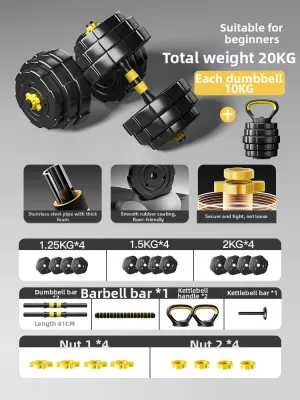
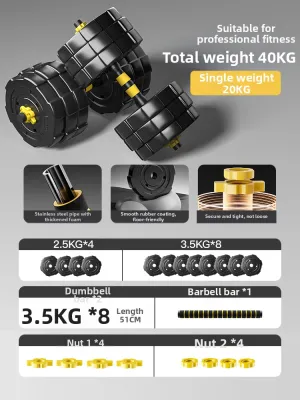
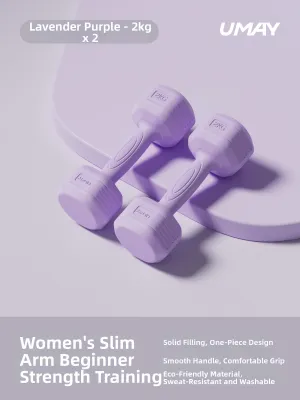
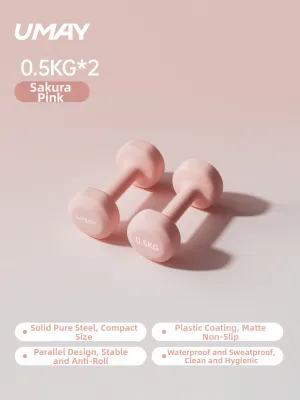
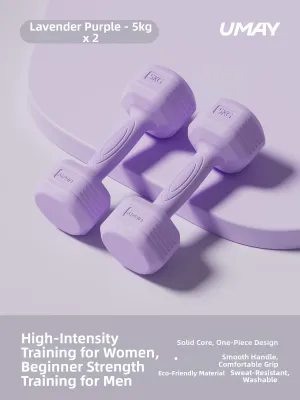
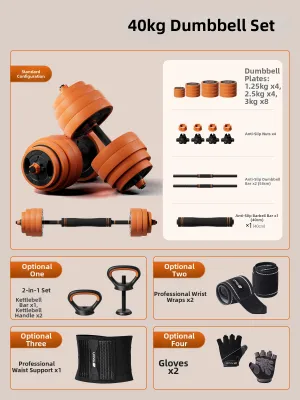

Prices are valid at publication and may change. Please refer to the product page for the latest price.
Storage accessibility also dictates how smoothly your workouts flow. If you choose an adjustable dumbbell system, it typically comes with a custom storage tray designed to hold the unused plates in place while you lift. This tray must be positioned on a flat, stable surface at a comfortable height to allow for seamless weight selection. If you opt for heavier fixed dumbbells, you will need to evaluate whether your setup requires a floor-standing A-frame rack or a horizontal two-tier rack. Ensure you have sufficient clearance around the rack to safely lift and return the weights without straining your back or hitting nearby walls and furniture.
Match Dumbbell Designs to Your Specific Workout Goals
Your training style should directly dictate the structural design of the dumbbells you choose. Adjustable dumbbells are highly engineered tools designed primarily for progressive strength training and hypertrophy. If your workouts focus on traditional, controlled movements like bicep curls, chest presses, and shoulder presses, an adjustable model is highly efficient. It allows you to systematically increase the resistance as your muscles adapt, a concept known as progressive overload. Because you can change the weight of a single handle in seconds, you can transition from heavy compound movements to lighter isolation exercises without needing a room full of equipment. However, because adjustable models contain complex internal gears and locking pins, they are not designed to withstand high-impact drops or rapid, aggressive handling.

For high-intensity interval training (HIIT), circuit training, or dynamic functional workouts, fixed hex dumbbells are generally more suitable. These dumbbells are constructed from solid cast iron, often encased in a thick rubber or polyurethane coating, making them incredibly durable and resilient. If your routine involves rapid transitions, such as drop sets where you immediately switch to a lighter weight to continue a set to failure, grabbing a pre-set pair of fixed dumbbells from a rack is much faster than adjusting a dial. Additionally, the hexagonal shape of these weights prevents them from rolling across the floor, which is a critical safety feature when you are performing fast-paced circuits or transitioning quickly between standing and floor-based exercises.
If your fitness goals lean toward cardiovascular conditioning, physical rehabilitation, or high-repetition endurance work, lightweight coated dumbbells are often the most practical choice. These dumbbells typically feature a soft neoprene or vinyl exterior that provides a comfortable, non-slip grip even when your hands are sweaty. They are designed for continuous, low-impact movement, making them excellent companions for shadowboxing, aerobic steps, or physical therapy exercises aimed at joint stabilization. Because they are lightweight and compact, they are also highly portable, allowing you to easily move your workout from the living room to an outdoor patio or park when the weather permits.
Select the Ideal Weight Range for Your Fitness Progression
Choosing the correct weight range is a critical decision that affects both your safety and the long-term utility of your investment. For beginners, the primary objective is mastering proper exercise form and building joint stability. Starting with weights that are too heavy can lead to compensatory movements, increasing the risk of acute injury or chronic strain. If you are new to strength training, look for a dumbbell set that offers very light starting options, such as 2kg or 4kg, and has a modest maximum weight cap. This ensures you can safely perform delicate movements like lateral raises or rotator cuff exercises without straining. Prioritizing form mastery early on establishes a solid foundation for future strength gains.
Intermediate and advanced lifters require a much broader weight spectrum to support continuous progressive overload. As your muscles adapt to a specific resistance, you must gradually increase the load to stimulate further growth and strength adaptations. For these lifters, a dumbbell set with a higher maximum weight limit is essential. However, the maximum capacity is only half of the equation; the size of the weight increments is equally important. When reviewing product specifications, pay close attention to the step increments. A jump of 5kg between settings can be overwhelmingly large for smaller muscle groups like the triceps or shoulders, potentially stalling your progress. Look for models that offer smaller, incremental steps—such as 1.5kg or 2kg adjustments—to allow for a smooth, manageable progression.
Before making a final decision, always verify the exact weight configurations on the manufacturer’s official product page. Some adjustable models advertise a wide overall range but have highly uneven increment steps, while others might require purchasing additional add-on plates to reach their maximum advertised capacity. Understanding these specifications beforehand prevents unexpected limitations in your training routine and ensures that the dumbbell set can grow alongside your physical capabilities.
Critical Features to Verify on the Product Specifications
When purchasing dumbbells online, you cannot physically test the grip or feel the balance of the weights. Therefore, you must become adept at reading and verifying the technical specifications listed on the product label. The handle is your primary point of contact with the weight, making its ergonomics paramount. Look for details regarding the handle’s knurling, which is the cross-hatched pattern cut into the metal to improve grip traction. A moderate knurling depth provides a secure grip without tearing your skin during heavy lifts, while a completely smooth handle can become dangerously slippery when wet with sweat. Additionally, check the grip diameter and contour; contoured handles that are slightly thicker in the middle tend to fit the natural curve of your hand more comfortably, reducing wrist fatigue.
For adjustable dumbbell models, the locking mechanism is the single most critical safety feature. You must verify how the plates are secured to the handle before performing any overhead exercises, such as shoulder presses or tricep extensions. Common systems include rotating dials, selector pins, and twist-lock handles. Read the product descriptions carefully to ensure the locking mechanism is constructed from durable materials, such as high-grade plastics or steel, rather than flimsy components that might wear down over time. A reliable locking system should clearly click or lock into place, providing a visual or auditory confirmation that the plates are fully secured before you lift them from the tray.
Finally, inspect the materials and coatings used on the dumbbell plates. Cast iron is highly durable but can be noisy and destructive to home flooring if dropped. Rubber-coated or urethane-coated plates are highly recommended for home use, as they absorb impact, dampen noise, and protect your tiles or vinyl floor from scratches and cracks. Neoprene coatings offer similar protective benefits for lighter weights and provide a soft, textured grip. By carefully verifying these physical specifications, you can select a dumbbell set that is not only safe and durable but also well-suited to the specific environment of your home.
Frequently Asked Questions (FAQ)
How do I maintain the locking mechanism on adjustable dumbbells?
To ensure the safety and longevity of your adjustable dumbbells, you must keep the mechanical parts clean and free of debris. Dust, sweat, and pet hair can accumulate in the dial or selector pin channels, causing the mechanism to stick or fail to lock securely. Wipe down the handles and adjustment areas with a dry or slightly damp microfiber cloth after every workout, and avoid using harsh chemical cleaners that could degrade plastic components. Most importantly, never drop adjustable dumbbells on the floor, as the sudden impact can misalign the internal gears or crack the locking pins. Always consult your user manual for specific instructions regarding lubrication or deep cleaning of the internal mechanisms.
Can I use fixed hex dumbbells for floor-based exercises?
Yes, fixed hex dumbbells are exceptionally well-suited for floor-based exercises due to their flat-sided design. Unlike round dumbbells, which can roll unexpectedly and cause wrist strain or loss of balance, hex dumbbells remain stable on the floor. This stability makes them ideal for movements like renegade rows, dumbbell push-ups, and weighted planks, where you must support your body weight on the dumbbell handles. When performing these exercises, ensure you are using a high-density exercise mat to protect your floor from scratches and to provide additional cushioning for your hands and wrists.

Community discussion
Share your experience or ask a question. Comments are reviewed before publication.