
Selecting the right weight for a weighted skipping rope is a balancing act between your current physical conditioning and your specific training targets. Choosing a rope that is too heavy too soon can compromise your form and strain your joints, while a rope that is too light might not provide the sensory feedback or resistance you need to progress. To find your ideal match, you must evaluate how different weights interact with your body’s mechanics and your fitness experience.
Understanding Weighted Skipping Rope Categories
Weighted skipping ropes do not follow a single, universal standard across all brands, meaning one manufacturer’s “medium” might be another’s “heavy.” Generally, these fitness tools are categorized into light, medium, and heavy ranges based on their relative weight. Light ropes typically range from 1/4 pound to 1/2 pound (approximately 110 to 225 grams), medium ropes hover around 1 pound (approximately 450 grams), and heavy ropes scale up to 2 pounds (approximately 900 grams) or more.
The way this weight is distributed significantly alters the dynamics of your workout. Handle-weighted ropes place the resistance directly in your hands, which intensifies the load on your forearms and grip but keeps the rope spinning relatively fast. In contrast, rope-weighted models distribute the weight throughout the entire cable. This design creates a distinct centrifugal pull that requires your shoulders, upper back, and core to engage continuously to keep the rope moving.
Products mentioned in this guide
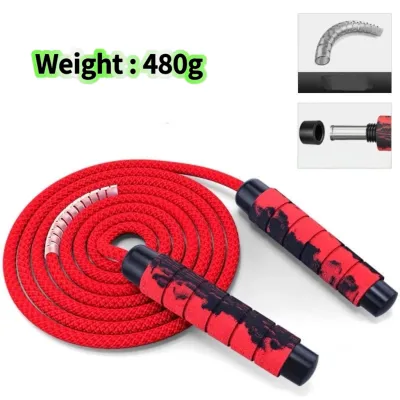
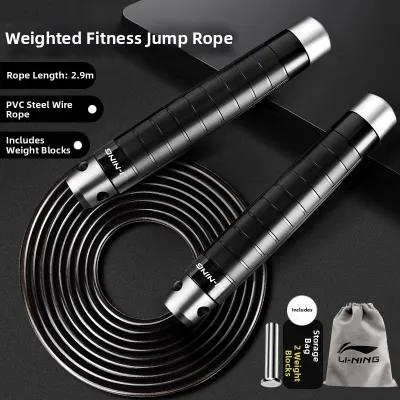
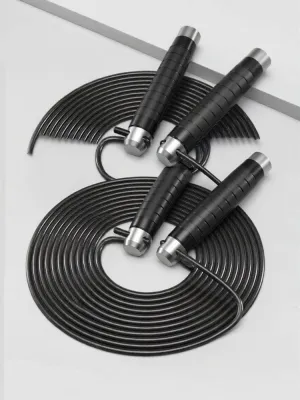
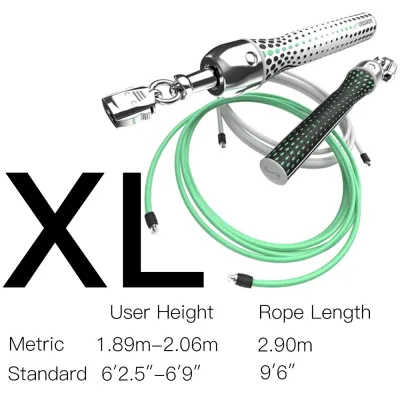
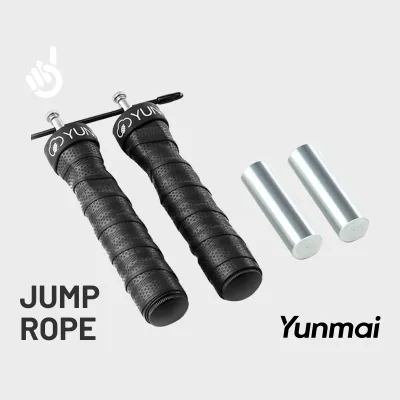
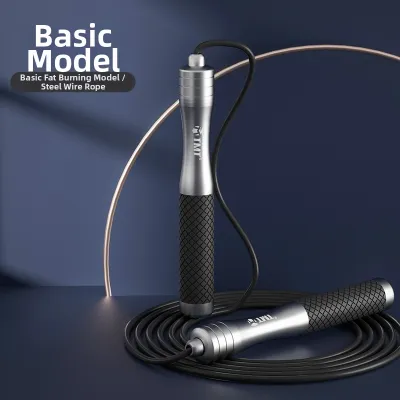
Prices are valid at publication and may change. Please refer to the product page for the latest price.
It is a common misconception that a heavier specification automatically translates to superior fitness results, such as faster calorie burn or rapid muscle growth. In reality, a heavier rope slows down your rotation speed and shifts the physical demand from cardiovascular endurance to muscular strength. Understanding this distinction helps you select a tool that aligns with your actual training goals rather than simply choosing the heaviest option available.
Matching Rope Weight to Your Fitness Level and Goals
Your current fitness level and training objectives should dictate the weight of the rope you bring into your routine. For beginners, starting with a light rope is highly recommended. While it might seem counterintuitive, a slightly weighted light rope is actually easier to learn with than an ultra-light speed rope because the gentle resistance provides physical feedback, helping you feel when to jump. This weight allows you to master basic timing, coordination, and posture without placing excessive strain on your wrists and rotator cuffs.

Intermediate fitness enthusiasts and those focusing on cardiovascular endurance will find their sweet spot in the medium weight category. A 1-pound rope provides enough resistance to elevate your heart rate quickly while still allowing you to maintain a steady, rhythmic pace for longer durations. This balance makes it excellent for conditioning sessions that aim to improve stamina and tone the upper body without causing premature muscle fatigue.
Advanced athletes and individuals targeting upper-body strength should look toward heavy ropes. Swings with a 2-pound rope or heavier require substantial grip strength, shoulder stability, and core engagement. These ropes are best utilized in short, high-intensity interval training blocks rather than prolonged endurance sessions, as the heavy resistance quickly fatigues the stabilizing muscles of the shoulder.
Regardless of your experience, you must prioritize your joint health when training with added resistance. The repetitive impact of jumping combined with the rotational force of a heavy rope can aggravate existing wrist, elbow, or shoulder issues. Always assess your physical readiness before a session, and stop immediately if you experience any sharp or localized pain in your joints.
Key Specifications to Check Before Buying
Before purchasing a weighted skipping rope, verifying its physical specifications ensures it will suit your training environment and body type. Begin by examining the rope material and thickness. Thick PVC or coated steel cables offer excellent durability and wind resistance, which is particularly useful if you train outdoors on concrete or abrasive surfaces. The thickness also dictates the feedback you receive; thicker cables move slower through the air, giving you more time to react to each rotation.
The handle design and grip material are equally critical, especially during intense workouts where sweat is inevitable. Look for handles with textured surfaces, ergonomic contours, or non-slip grip tape to ensure you maintain a secure hold. A slipping handle not only disrupts your rhythm but can also be hazardous if the rope flies out of your hands mid-swing.
Adjustability is another essential feature to verify. A rope that is too long will drag excessively on the ground, slowing your momentum, while a rope that is too short will force you to tuck your knees, compromising your form. Ensure the model you choose allows you to easily adjust the length—either through a built-in mechanism in the handles or by safely cutting and securing the cable—to match your height.
Finally, inspect the bearing system housed within the handles. High-quality ball bearings facilitate smooth, frictionless rotation of the cable. A smooth spin prevents the rope from twisting or tangling during use, which reduces the torque transferred to your wrists and helps prevent repetitive strain injuries.
How to Test and Adjust Your Choice Safely
Introducing a weighted skipping rope to your fitness regimen requires a gradual, systematic approach to prevent injury. Before swinging a heavier rope, perform a brief form check using a standard, unweighted jump rope. Ensure your elbows remain tucked close to your ribs, your hands are positioned slightly in front of your hips, and your jumps are low to the ground, utilizing your ankles and knees to absorb the impact.
Once your basic mechanics are stable, introduce the weighted rope in short, controlled intervals. Start with sessions of 20 to 30 seconds, followed by adequate rest, to monitor how your wrists, elbows, and shoulders respond to the added resistance. Gradually increase the duration of these intervals over several weeks as your stabilizing muscles adapt to the new workload.
Proper sizing is crucial for safe operation. Adjust the rope length according to the manufacturer’s specific sizing guide, which typically involves standing on the center of the rope and ensuring the handles reach your armpits. Correct length ensures proper ground clearance, minimizing the risk of tripping and falling.
Always establish clear stop conditions before you begin your workout. If you experience sharp joint pain, lose control of the rope’s swing path, or find your shoulders sagging from fatigue, stop the exercise immediately. Equipment cannot replace personal judgment, and pushing through extreme fatigue with a heavy rope significantly increases the risk of acute shoulder or wrist strains.
Frequently Asked Questions (FAQ)
Can I use a weighted skipping rope every day?
Using a weighted skipping rope every day is generally not recommended, especially for beginners or those using heavier ropes. The added resistance places significant stress on the muscles and connective tissues of your shoulders, forearms, and wrists, which require adequate recovery time to repair and strengthen. To prevent overuse injuries like tendonitis, limit your weighted rope sessions to two or three times a week, and alternate these workouts with lighter speed ropes or low-impact cardiovascular activities.
Does a heavier rope burn more calories?
A heavier rope does not automatically guarantee a higher calorie burn. Total energy expenditure depends on the overall intensity and duration of your workout, as well as your heart rate. While a heavy rope increases muscular engagement, it also slows down your jumping speed and causes faster muscle fatigue, which may shorten your overall workout session. A lighter or medium rope that allows you to jump continuously for a longer duration may ultimately result in a higher total calorie burn than a heavy rope you can only swing for a few minutes.

Community discussion
Share your experience or ask a question. Comments are reviewed before publication.