
Selecting the right Yonex badminton backpack is a matter of balancing your carrying habits with the level of protection your gear requires. Many players make the mistake of choosing a bag based solely on aesthetics, only to find their rackets cramped, their strings damaged by heat, or their clean apparel soiled by dirty court shoes. By matching the backpack’s capacity, compartment layout, and protective features to your actual playing frequency, you can ensure your equipment remains in peak condition while making your commute to the sports hall as comfortable as possible.
To make an informed decision, you must look beyond the brand logo and evaluate how a bag fits into your weekly routine. Yonex designs its luggage ranges to cater to different levels of commitment, from casual weekend players to competitive tournament athletes. Understanding how to read product specifications and verify key features on the label will help you find a backpack that serves as a reliable partner on and off the court.
Assess Your Gear Load and Playing Frequency
Before browsing different models, take a detailed inventory of what you actually carry to the court. The number of rackets you own and use is the most critical factor in determining the size of your backpack. While a casual player might only carry a single racket, regular club players and competitive athletes often carry two, three, or more. Having multiple rackets is not just about having backups in case a string snaps mid-match; it also allows you to carry rackets strung at different tensions to adapt to different shuttlecock speeds or hall temperatures. Your backpack must be able to accommodate these rackets securely without pressing the frames tightly against one another, which can cause structural stress.
Products mentioned in this guide
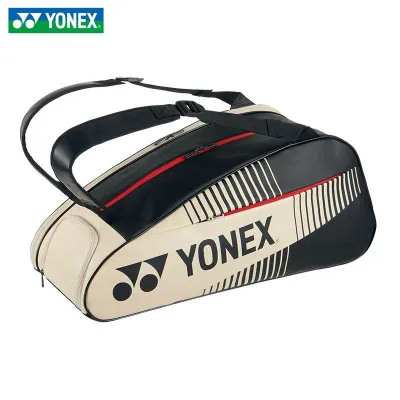
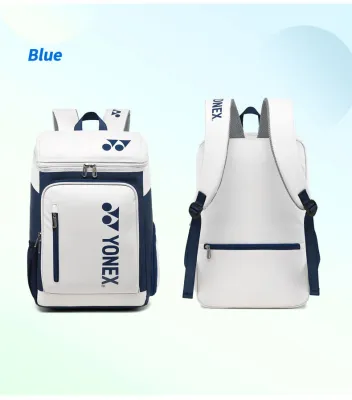
![[SG Local Stocks] Yonex 75th Anniversary Edition BackPack Sling Bag - Professional Badminton Racket Bag Double Shoulder Backpack Sling Bag High capacity](https://img.lazcdn.com/g/ff/kf/S7253ff79fdf44cc08cf9602d75c2af1fe.jpg_400x400q80.jpg_.webp)
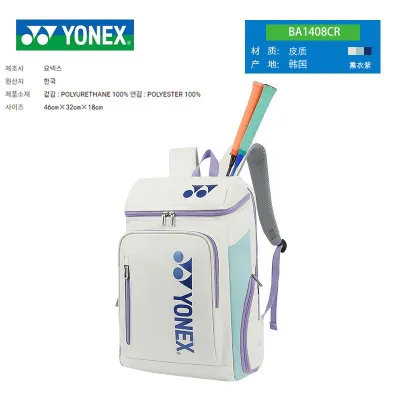
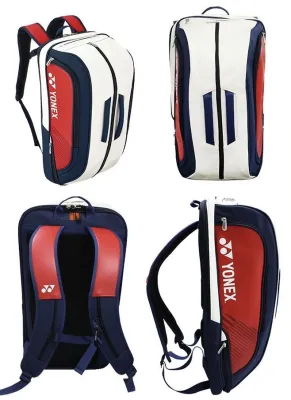
![[SG Local Stocks] Yonex 75th Anniversary BA31WLTDEX Badminton Tennis Sports Bag - Spacious Stylish and Durable](https://img.lazcdn.com/g/p/0211b959db1fe00e01f06cfdbc19a63f.jpg_400x400q80.jpg_.webp)
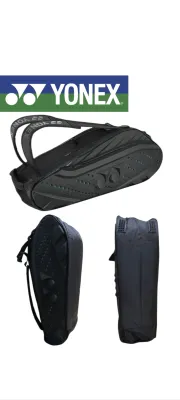
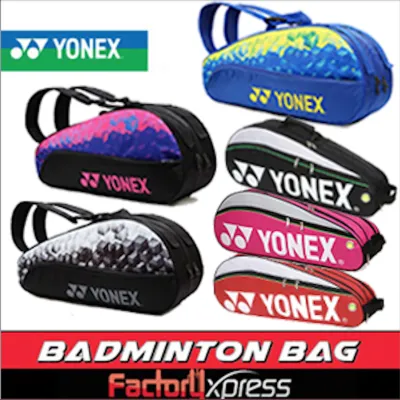
Prices are valid at publication and may change. Please refer to the product page for the latest price.
Beyond rackets, you must account for your daily essentials and court accessories. A standard tube of shuttlecocks is bulky and rigid, requiring significant physical volume inside the main compartment. You also need to pack replacement grips, grip powder, wristbands, towels, a large water bottle, and a complete change of clothes for after the game. If you commute directly from work or school, your bag may also need to hold a laptop, notebooks, or personal electronics. Packing all of these items into a single, poorly organized compartment leads to clutter and increases the risk of damaging your expensive rackets.
Your playing frequency is a reliable indicator of the wear and tear your bag will experience. If you only play casually once a week or less, a lightweight, streamlined backpack with basic compartments is usually sufficient. However, if you are a regular club member playing two to three times a week, you require a more robust bag with dedicated compartments to handle frequent packing and unpacking. For tournament players who spend entire weekends at sports complexes, maximum storage capacity, advanced organization, and high-level gear protection become non-negotiable requirements.
Key Yonex Backpack Features to Verify on the Label
When evaluating a Yonex badminton backpack, the product label, hangtag, and official specifications sheet provide crucial clues about the bag’s protective capabilities. The first feature to verify is the design of the racket compartment. Look for dedicated, padded sleeves that isolate your rackets from the rest of your gear. Pay close attention to whether the compartment offers full-length or half-length coverage. A full-length compartment encloses the entire racket, including the handle, protecting it from dust, moisture, and physical impact. A half-length compartment leaves the handle protruding from the top of the bag, which makes the backpack more compact but leaves the grip exposed to the elements during your commute.

Another critical feature to check is thermal protection, often indicated on Yonex labels as specialized climate control or thermal-lined compartments. High heat and humidity can have a devastating effect on badminton gear. In warm, tropical climates, excessive heat inside a car trunk or a sunny locker room can cause racket strings to lose tension rapidly or even warp carbon fiber frames. A thermal-lined pocket uses reflective materials to regulate the internal temperature, shielding your rackets from extreme environmental shifts. If you play with high-tension strings, verifying the presence of this thermal lining is essential for preserving your string jobs.
Dedicated shoe storage is another feature that significantly improves convenience and hygiene. Look for a separate shoe compartment, typically accessed via a zippered opening at the bottom or side of the backpack. This compartment should be physically isolated from the main storage area to prevent dirt, clay, and sweat from transferring to your clean clothes, towels, or grip wraps. Additionally, verify if the shoe pocket features ventilation ports or mesh inserts. Proper ventilation allows moisture to escape, reducing the buildup of unpleasant odors and preventing mold growth on your court shoes.
Finally, inspect the material and durability specifications listed on the product tag. High-quality Yonex backpacks are typically constructed from high-denier polyester or polyurethane (PU) materials, which offer excellent tear resistance and structural integrity. Look for water-resistant outer coatings or laminated panels that can withstand a sudden rain shower during your commute. Don’t forget to check the hardware: reinforced, heavy-duty zippers with smooth tracks and sturdy pull tabs are vital, as zipper failure is one of the most common reasons sports bags must be retired. A reinforced, padded base is also highly desirable, as it helps the bag stand upright on the floor and protects your gear when the bag is set down on rough surfaces.
Match Yonex Backpack Tiers to Your Court Routine
To simplify the selection process, Yonex categorizes its bags into distinct series or tiers, each tailored to specific user needs and budgets. Understanding these tiers allows you to quickly narrow down your options based on your assessed gear load and playing frequency.
Tournament and Pro Series
These top-tier backpacks are designed for competitive players, coaches, and athletes who require maximum storage and uncompromising protection. Typically constructed from premium, heavy-duty materials, these bags feature dual racket compartments, dedicated thermal lining, and large, ventilated shoe pockets. They offer ample space for multiple tubes of shuttlecocks, extra apparel, and personal accessories. While they are bulkier and represent a higher financial investment, they provide the best organizational layout and structural support for players who spend long hours at the court.
Team and Club Series
This mid-tier category is the most popular choice for regular club players. These backpacks strike an excellent balance between storage capacity and portability. They typically accommodate two to three rackets in a dedicated compartment, feature a separate shoe pocket, and offer a spacious main compartment for daily essentials. The materials are durable yet lightweight, making these bags highly suitable for players who commute via public transit, motorcycles, or bicycles. They provide reliable protection without the excessive bulk of professional-grade bags.
Training and Casual Series
Designed for beginners, recreational players, or those who prefer a minimalist setup, this tier focuses on lightweight versatility. These backpacks often feature a single racket compartment that holds one or two rackets (frequently with the handles exposed) and a main compartment for basic gear. While they may lack advanced features like thermal lining or dedicated shoe compartments, they are highly portable, affordable, and can easily double as everyday school, work, or gym bags.
Before making your final purchase, always perform a quick verification step. Cross-check the exact model specifications, physical dimensions, and compartment layouts on the official Yonex website or through authorized local retailer listings. Product photos can sometimes be deceptive regarding depth and pocket placement, so verifying the actual measurements ensures the bag will comfortably fit your specific gear, such as extra-large shoes or longer racket handles.
Check Fit and Comfort for Your Commute
Even the most feature-rich badminton backpack will become a burden if it is uncomfortable to carry. Because badminton gear—especially shoes, water bottles, and multiple rackets—can add up to a significant weight, evaluating the bag’s ergonomic design is essential for preventing physical strain during your commute.
Start by checking the shoulder straps. They should be wide, contoured, and generously padded with high-density foam to distribute weight evenly across your shoulders. Thin, unpadded straps can dig into your collarbones, causing discomfort during longer walks. Adjustable straps are crucial for positioning the bag correctly on your back; the backpack should sit snugly against your upper and mid-back, rather than sagging down toward your hips. If you commute by bicycle or walk long distances, look for a model that includes an adjustable sternum strap, which secures the shoulder straps across your chest and prevents the bag from shifting laterally as you move.
Back panel ventilation is another critical comfort factor, particularly when traveling in warm weather. Look for backpacks that feature a 3D mesh back panel or molded air channels. These designs create a physical gap between your back and the fabric of the bag, allowing air to circulate and heat to dissipate. This significantly reduces sweat buildup, keeping you dry and comfortable on your way to and from the sports hall.
Proper weight distribution is also a matter of how you pack. When testing a bag, ensure that the heaviest items—such as your court shoes and water bottle—can be positioned close to your back and near the bottom of the bag. Rackets should be secured tightly in their designated rear compartment. Keeping the center of gravity close to your body prevents the backpack from pulling you backward, reducing strain on your shoulders, neck, and lower back.
Maintain Your Backpack and Thermal Lining
Investing in a quality Yonex backpack is only half the battle; proper maintenance is required to preserve its protective features, zipper functionality, and overall appearance over time. Taking a few minutes to care for your bag after each session will significantly extend its lifespan.
Cleaning the thermal lining requires a gentle touch. Because the reflective material inside thermal compartments is sensitive, you should never toss the bag into a washing machine or use harsh chemical detergents, bleach, or abrasive scrubbing pads. Instead, simply wipe the lining down with a soft, damp microfiber cloth to remove dust, dirt, or sweat residue. If necessary, use a highly diluted, mild soap solution, then wipe again with clean water. Always leave the compartment fully unzipped and allow it to air dry completely in a shaded, well-ventilated area before storing your rackets inside.
Zipper maintenance is equally important for preventing frustrating jams and splits. Badminton environments are full of small particles, such as shuttlecock feathers, grip dust, and loose threads, which can easily get caught in the zipper teeth. Periodically inspect the zipper tracks and use a soft-bristled brush, like an old toothbrush, to sweep away any accumulated debris. If a zipper becomes difficult to slide, avoid forcing it, as this can damage the teeth or pull tab. Gently back the slider out, check for caught fabric or threads, and clear the obstruction before proceeding.
Finally, pay attention to where you store your backpack between playing sessions. Avoid leaving your bag in direct sunlight, inside a hot car trunk, or in damp, unventilated storage areas. Prolonged exposure to extreme heat and ultraviolet (UV) rays can weaken the outer synthetic fabrics, cause colors to fade, and degrade the internal thermal insulation layer. Store your backpack in a cool, dry indoor environment, and make it a habit to empty out damp towels, sweaty apparel, and used shuttlecocks immediately after returning home to prevent mold, mildew, and persistent odors from taking hold.
Frequently Asked Questions (FAQ)
Can I use a regular Yonex backpack for other sports?
Yes, you can use a badminton-specific Yonex backpack for other activities, but you may encounter some practical limitations. These bags are engineered specifically with racket sports in mind, featuring compartments shaped to secure racket handles and protect delicate frames. Standard sports backpacks lack these specialized shapes, meaning racket handles may slide around or stick out awkwardly. Furthermore, general-use backpacks rarely feature thermal-lined pockets to protect string tension, nor do they always have shoe compartments shaped specifically to accommodate bulky court shoes. If you plan to use the bag for multiple purposes, a model from the Casual or Training series offers the best balance of everyday utility and basic racket protection.
How do I clean a Yonex backpack with a shoe compartment?
To clean the shoe compartment, first empty it completely and shake the bag upside down over a bin to remove loose court dust, gravel, and shuttlecock feathers. Wipe the entire interior lining of the shoe pocket with a damp cloth and a mild, diluted soap solution to remove dirt and sweat marks. To combat persistent odors, place specialized charcoal deodorizing pouches or baking soda sachets inside the compartment when not in use. Always leave the shoe pocket unzipped in a shaded, well-ventilated indoor area until it is completely dry. Never pack damp shoes back into a closed compartment, as this creates a breeding ground for mold and bacteria.
Does a thermal pocket protect rackets from rain?
No, a thermal pocket is designed specifically for temperature regulation, not waterproofing. While the thermal lining helps shield your racket strings from extreme heat and humidity, it does not guarantee protection against heavy water ingress. The level of rain protection depends entirely on the backpack’s outer material and zipper construction. If you frequently commute in wet weather, look for a backpack with water-resistant polyurethane (PU) outer coatings and water-repellent zippers. For heavy downpours, it is highly recommended to use a dedicated waterproof rain cover over your backpack to ensure your rackets and gear remain completely dry.

Community discussion
Share your experience or ask a question. Comments are reviewed before publication.