
A beginner should look for a versatile, durable, and forgiving setup—typically a medium-power, fast-action spinning rod measuring between 6.5 and 7 feet. This configuration balances casting distance, control, and sensitivity, making it highly adaptable to various environments. While the sheer variety of fishing gear can feel overwhelming, focusing on a few core specifications printed directly on the rod blank will prevent costly purchasing mistakes.
Matching the rod to your intended environment and target species is the foundation of a successful angling experience. By understanding how to read rod labels and verify build quality, you can confidently select a setup that helps you develop proper casting and fish-fighting techniques.
Define Your Target Fish and Fishing Environment
Before browsing tackle shops, clarify what you intend to catch. In local waters, beginners often target species ranging from small peacock bass in reservoirs to flathead or barramundi in payponds and coastal jetties. The average size of these target species dictates the rod’s lifting strength and the line capacity required to handle sudden runs.
Products mentioned in this guide
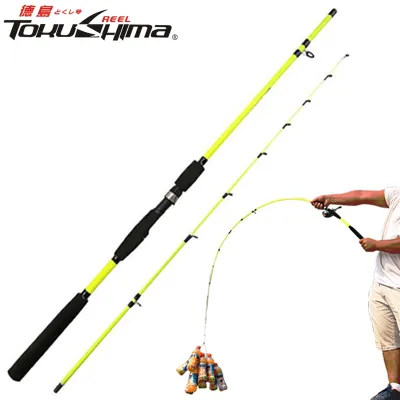
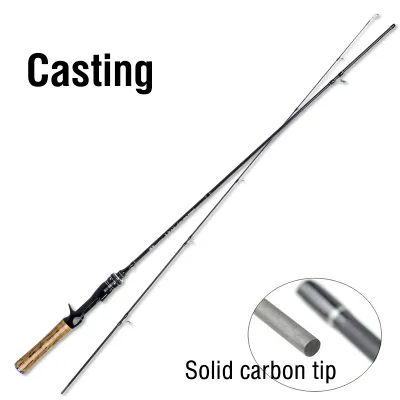
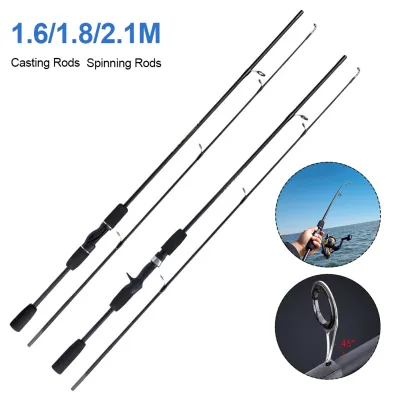
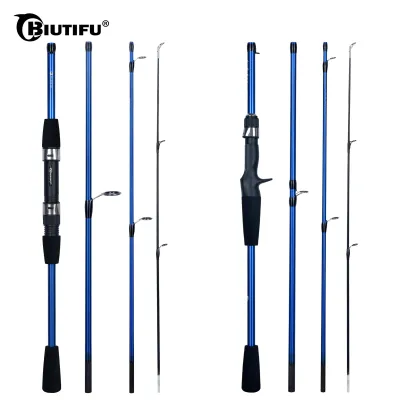
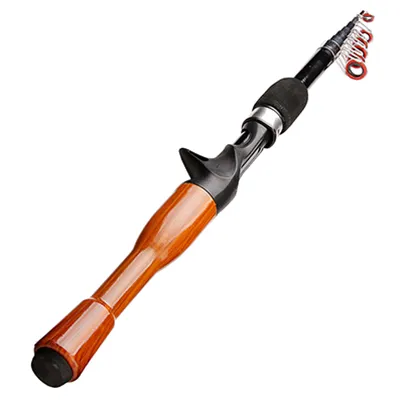
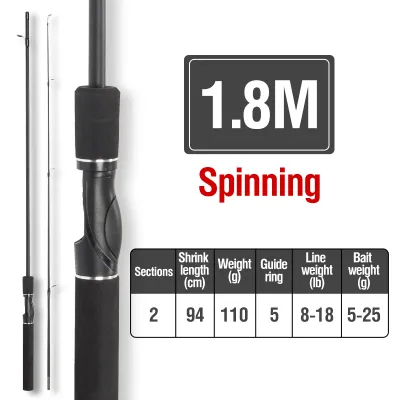
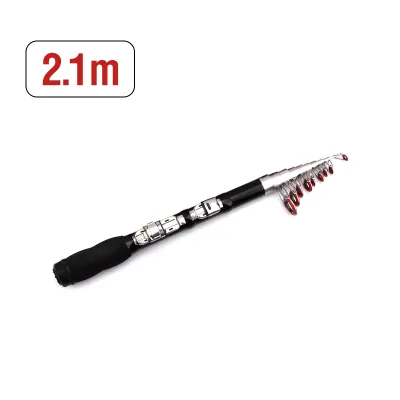
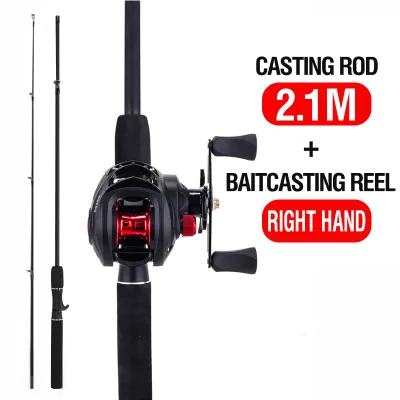
Prices are valid at publication and may change. Please refer to the product page for the latest price.
Your physical surroundings dictate the physical limits of your gear. If you plan to fish from crowded public jetties or narrow, vegetated reservoir banks, a shorter rod offers better maneuverability and prevents snagging overhead branches or railings. Conversely, open beaches or rocky shorelines require longer rods to cast past the breaking surf.
Setting a realistic budget is crucial for your first setup. For a beginner, spending between S$50 and S$120 on a rod is generally the sweet spot. This range secures a durable, high-quality blank without paying a premium for ultra-lightweight, highly specialized materials that are more prone to accidental breakage during early learning stages.
Decode Core Fishing Rod Specifications on the Label
Every fishing rod has a series of specifications printed just above the handle, known as the blank. Understanding these ratings allows you to decode exactly what the rod is designed to do.

Rod length is measured from the tip to the butt of the handle. Shorter rods (under 6 feet) provide excellent leverage for fighting fish close to a boat or kayak but limit your casting distance. Longer rods (7.5 feet and above) excel at casting lightweight lures over vast distances but require more physical effort and clearance to swing safely. A length of 6.6 to 7 feet is widely considered the ideal compromise for beginners.
Power refers to the rod’s resistance to bending under load, ranging from ultra-light to extra-heavy. A light-power rod bends easily, making small fish feel exciting, but lacks the backbone to pull larger fish away from underwater structures. A medium or medium-light power rod provides the necessary versatility, offering enough strength to handle unexpected larger catches while remaining sensitive enough to detect subtle bites.
Action describes where the rod bends when pressure is applied to the tip. Fast-action rods bend primarily in the top third of the blank, offering quick hook sets and high sensitivity. Moderate-action rods bend down into the middle section, providing a more forgiving cushion that prevents hooks from tearing out of a fish’s mouth. Slow-action rods bend throughout the entire length, which is useful for specialized techniques but generally more difficult for beginners to control.
The blank’s material determines its weight, sensitivity, and durability. Fiberglass is incredibly tough, highly flexible, and budget-friendly, making it excellent for beginners who might accidentally bang the rod against concrete railings. Graphite is much lighter and highly sensitive, allowing you to feel the slightest vibrations, but it is more brittle under sudden stress. Composite rods blend both materials, offering a balanced middle ground of durability and responsiveness.
Ensure Compatibility with Reels and Fishing Lines
To prevent structural damage, always check the recommended line and lure weight ratings printed on the rod blank. Using a lure that is too heavy can overload the rod tip during a cast, potentially snapping the blank, while using a line heavier than the rod’s rating can cause the rod to break before the line snaps under heavy tension.
Fishing rods are designed specifically for either spinning reels or baitcasting reels. Spinning rods feature large, downward-facing guides that allow the line to flow freely off a spinning reel spool with minimal friction. Beginners should almost always start with a spinning setup, as it is far more forgiving, easier to cast, and less prone to the severe line tangles common with baitcasting systems.
Ensure the reel seat—the mechanism that locks the reel to the rod—is compatible with your chosen reel size. A standard 2000 to 3000 size spinning reel should sit flush and lock tightly without any lateral movement. Additionally, verify that the guide sizes taper down smoothly from the reel seat to the tip to ensure smooth line flow and prevent line slap during casts.
Inspect Build Quality and Guides Before Buying
When inspecting a rod in a physical store or unboxing a delivery, pay close attention to the guide inserts. These ceramic rings inside the metal guide frames must be perfectly smooth, free of cracks, and securely wrapped to the blank. Any rough edges or chips in the ceramic can quickly fray your fishing line, leading to lost fish and wasted line.
Tighten the reel seat locking nut completely to verify that it holds a reel securely without slipping or stripping the threads. The grip, whether made of traditional cork or modern EVA foam, should feel comfortable in your hand and offer a non-slip texture. EVA foam is highly recommended for humid environments as it resists rot, is easy to clean, and maintains a firm grip when wet.
If the retailer permits, perform a gentle flex test by holding the grip and pressing the rod tip against a flat, non-abrasive surface to observe the bend profile. The rod should bend smoothly without any creaking noises, flat spots, or sudden clicks, which could indicate internal structural fractures. Once pressure is released, the rod should quickly snap back to its straight position.
Finally, review the manufacturer’s warranty terms and the retailer’s return policy. For a beginner, having access to a clear warranty or easily obtainable replacement tip sections is highly valuable, as accidental car-door pinches or high-sticking breaks are common learning milestones.
Frequently Asked Questions (FAQ)
Should I buy a one-piece or multi-piece fishing rod?
Your choice depends heavily on your transport and storage constraints. One-piece rods offer uninterrupted sensitivity and structural strength because they have no joints, but they are difficult to transport in public transit or compact vehicles. Multi-piece or telescopic rods are highly portable and fit easily into car trunks or compact home storage spaces. When choosing a multi-piece rod, ensure the ferrule connections fit tightly together without twisting, as loose joints can cause the rod to fly apart or break during a cast.
What is the difference between a fishing rod and a fishing combo?
A fishing combo is a pre-packaged set that includes both a rod and a matching reel selected by the manufacturer to ensure balanced performance. Combos are highly convenient, cost-effective, and eliminate the guesswork of matching gear for beginners. However, buying a separate rod and reel allows you to customize your setup to specific techniques, select higher-quality individual components, and upgrade parts independently as your skills progress.

Community discussion
Share your experience or ask a question. Comments are reviewed before publication.