
Choosing your first surf fishing rod requires balancing length, power, and material durability to match your local coastal environment. Unlike standard freshwater gear, a dedicated surf rod is engineered to cast heavy sinkers long distances and withstand the relentless forces of waves, wind, and saltwater. For beginners, selecting a versatile setup—typically a 10-foot to 11-foot composite rod with medium-heavy power—provides the ideal entry point for exploring sandy beaches, rocky breakwaters, and coastal jetties.
Understanding the Basics of Surf Rod Design
Surf fishing demands specialized equipment capable of handling the harsh boundary where land meets the sea. Standard freshwater or light inshore rods lack the structural integrity and leverage required to cast heavy payloads into strong coastal currents. A dedicated surf fishing rod is specifically designed to bridge this gap, offering the length and strength needed to launch baits far beyond the breaking waves.
The core decision matrix for selecting your first rod revolves around three key pillars: length for casting distance, power for managing target fish and heavy sinkers, and material composition for durability against corrosive marine environments. By understanding how these design elements interact, you can select a versatile first rod that performs reliably across various coastal venues.
Products mentioned in this guide
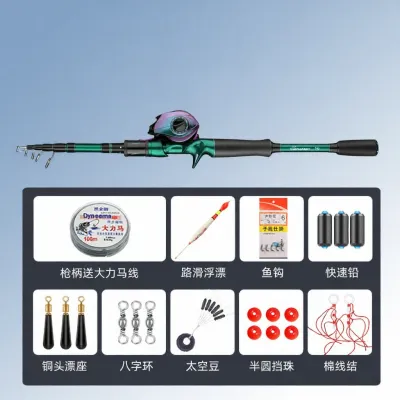
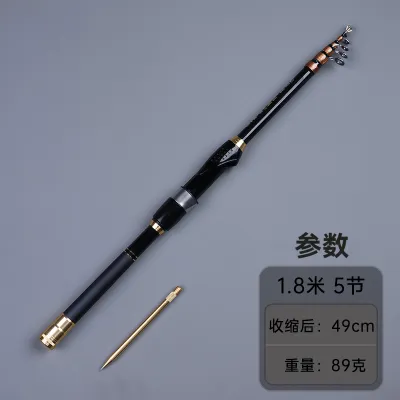
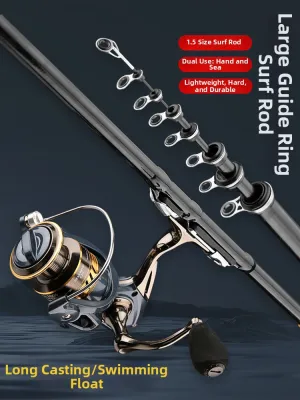
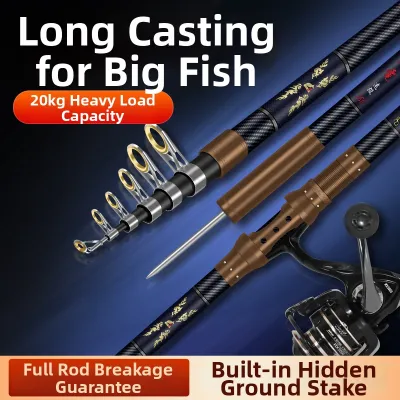
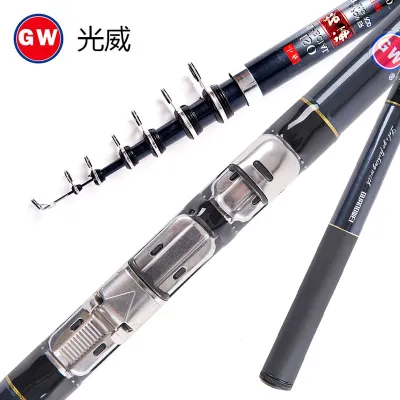
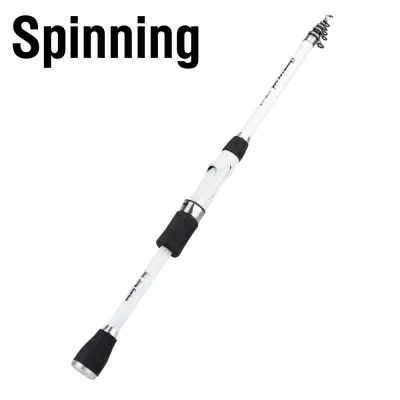
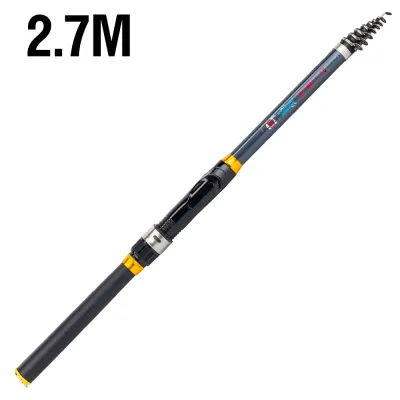
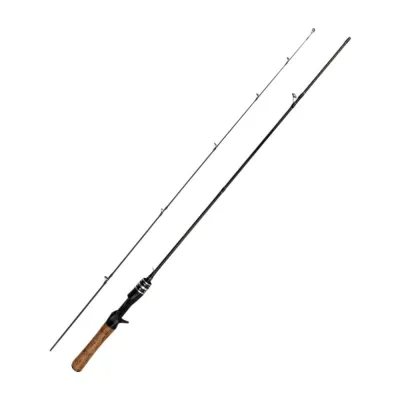
Prices are valid at publication and may change. Please refer to the product page for the latest price.
Ultimately, there is no single universal specification that excels in every scenario. The optimal setup depends heavily on your specific coastal environment and the species you hope to target. By focusing on versatile specifications, beginners can acquire a highly adaptable setup suitable for diverse beach conditions.
Evaluating Rod Length for Casting Distance and Environment
Rod length is the most defining characteristic of surf fishing gear, directly influencing how far you can cast and how well you can manage your line in rough water. A longer rod acts as a powerful lever; as you swing the rod, the tip travels through a wider arc, generating the high tip speed necessary to launch heavy sinkers and bait far beyond the breaking waves.

When evaluating length, you must assess the specific coastal environments you plan to fish. If you are fishing wide, shallow sandy beaches where the productive deeper channels lie far offshore, a longer rod of 11 to 13 feet is highly advantageous. This extra length not only maximizes your casting range but also keeps your line high above the incoming waves, preventing the surf from dragging your sinker out of position. Conversely, if your local spots consist of rocky shores, crowded jetties, or concrete breakwaters, a slightly shorter rod of 9 to 10 feet is often more practical. These tighter environments offer less room for a massive casting sweep, making a shorter, more maneuverable rod much easier to handle safely.
However, longer rods come with practical trade-offs. A 13-foot rod is physically demanding to cast repeatedly, leading to rapid fatigue. Transport logistics are also a factor in urban environments; a long, two-piece rod can be difficult to carry on public transport or in compact car boots. For most beginners, a 10-foot or 11-foot rod offers the ideal compromise, balancing casting distance with manageable transport and handling.
Matching Rod Power and Action to Your Target Species
Selecting the right rod power and action matches your gear to your terminal tackle and target species. Rod “power” refers to the force required to bend the blank, ranging from light to extra-heavy. For beginners, a medium to medium-heavy power rod is highly recommended. This range provides the lifting strength to pull stubborn coastal species, such as stingrays or snappers, away from underwater structures. It also ensures the rod has enough backbone to cast the heavy sinkers (often 3 to 5 ounces) required to hold bait in strong tidal currents.
Rod “action” describes where the blank bends under pressure. Fast action rods bend primarily in the top third, offering high sensitivity for bite detection and quick hook sets. Moderate or slow action rods bend deeper down the blank. This slower bend is highly beneficial when fishing with delicate live or cut baits, as it absorbs casting energy gradually to prevent the bait from tearing off the hook. A moderate-fast action is often the most versatile choice for beginners, balancing bite detection with bait retention.
Before purchasing, inspect the manufacturer’s specifications printed on the rod blank above the handle. These ratings indicate the recommended line strength and optimal casting weight range. Operating outside these limits results in poor casting performance or a snapped rod blank. Ensure these specifications align with the heavy sinkers and rigs you intend to use.
Selecting Materials and Components for Saltwater Durability
The materials used to construct your surf rod determine its weight, sensitivity, and ability to survive the highly corrosive marine environment. Rod blanks are typically made from graphite, fiberglass, or a composite blend of both. Graphite blanks are incredibly lightweight and sensitive, allowing you to feel the faintest nibbles even in rough surf, but they are more brittle and susceptible to damage from accidental impacts against rocks or railings. Fiberglass blanks are virtually indestructible and highly flexible, making them excellent for handling heavy loads, but they are significantly heavier and lack sensitivity. Composite blanks combine the best of both worlds, wrapping a graphite core with fiberglass layers to deliver a durable, responsive, and forgiving rod that is perfect for beginners.
Beyond the blank itself, the durability of a surf rod depends heavily on its components. Saltwater is incredibly destructive, and cheap metal parts will rust and fail after only a few trips. Pay close attention to the guide frames and inserts. Look for guides constructed from high-grade stainless steel (such as 316 marine grade) or titanium, paired with ceramic inserts like aluminum oxide or silicon carbide. These materials minimize friction during long casts and resist the grooving caused by abrasive braided lines. The reel seat, which holds your reel securely to the rod, should be made of heavy-duty graphite or anodized aluminum with robust, corrosion-resistant locking hoods.
When inspecting a potential rod, examine the build quality closely. Check that the epoxy wraps securing the guides are smooth, thick, and free of cracks or air bubbles where saltwater could seep in. It is also wise to review the manufacturer’s warranty and care instructions. A manufacturer that offers a clear, multi-year warranty against material defects often indicates a higher standard of construction and component quality.
Balancing Your Surf Rod with a Compatible Reel and Line
A high-quality surf rod cannot perform effectively if it is paired with an incompatible reel and line. Achieving proper balance is essential for maximizing your casting distance and minimizing physical fatigue during long hours on the beach. If your reel is too light, the rod tip will feel heavy and pull downward, straining your wrists. If the reel is too heavy, the entire setup will feel cumbersome. When you mount your reel, the balance point of the combined setup should sit comfortably just ahead of the reel seat, allowing you to hold and cast the rod with minimal strain.
For a standard 10-foot to 11-foot medium-heavy surf rod, a spinning reel in the 5000 to 8000 size range is typically the best match. This size provides a large spool diameter, which reduces line friction during casting and offers the generous line capacity needed to handle long casts and the powerful runs of large coastal fish. Your choice of line also plays a critical role. Braided line is highly favored for surf fishing due to its thin diameter and lack of stretch, which improves casting distance and bite detection. However, because braid has very little stretch, you must use a shock leader.
A shock leader is a length of heavy monofilament or fluorocarbon line (typically two times the rod’s length) tied to the end of your main braided line. This leader absorbs the immense physical shock generated during a heavy cast and provides abrasion resistance against rough sand and rocks. When selecting your rod, ensure the guides are large enough to allow the shock leader knot to pass through smoothly without catching, which can cause casting knots or damage the guides. Before heading to the beach, use a simple checklist to verify that your rod’s line rating, your reel’s drag capacity, and your shock leader strength are fully compatible.
Frequently Asked Questions (FAQ)
Can I use a standard spinning rod for surf fishing?
While you can technically use a standard 6-foot to 7-foot spinning rod in very calm, sheltered coastal areas like quiet lagoons or shallow estuaries, these rods are highly inadequate for true surf fishing. They lack the length and leverage required to cast heavy sinkers past the breaking waves, meaning your bait will constantly be washed back to shore. Furthermore, standard freshwater rods are rarely built with marine-grade components. The guides, reel seats, and internal reel parts will quickly corrode when exposed to salt spray and abrasive sand, leading to permanent damage. For open beaches and breakwaters, investing in a dedicated surf rod is essential for both performance and durability.
How do I maintain my surf fishing rod after a beach trip?
Proper post-trip maintenance is the single most effective way to prolong the lifespan of your surf fishing gear. As soon as you return home, rinse the entire rod thoroughly with cool, fresh water. Use a gentle, low-pressure stream or a wet microfiber cloth to wash away salt deposits and sand. Never use a high-pressure hose, as this can force abrasive sand particles and salt crystals deep into the guide wraps, reel seat threads, and rod joints. After rinsing, wipe the rod completely dry with a clean towel and let it air dry in a well-ventilated, shaded area. Avoid storing your rod in a sealed plastic tube or a damp bag, as trapped moisture will accelerate corrosion. Finally, check the manufacturer’s guidelines to see if a light application of marine-grade anti-corrosion spray on the metal guide frames and reel seat hoods is recommended.
What is the best budget approach for a first-time surf angler?
For a beginner, the best budget strategy is to prioritize component durability over premium, high-tech blank materials. Instead of spending heavily on an ultra-lightweight, high-modulus carbon fiber rod, look for a reasonably priced composite rod that features high-quality, corrosion-resistant guides and a sturdy reel seat. A durable composite rod will withstand the inevitable bumps and drops of beach fishing far better than a fragile high-end graphite rod. Additionally, choose a versatile, mid-range setup—such as a 10-foot, medium-heavy power rod—that can handle a wide variety of local coastal species and environments. Finally, remember to allocate a portion of your budget for essential accessories, such as a sturdy sand spike to keep your reel off the wet sand, and a basic freshwater rinse kit for immediate maintenance.

Community discussion
Share your experience or ask a question. Comments are reviewed before publication.