
When you are deep into a long run under a relentless sun, nothing restores your pace and morale quite like a sip of ice-cold water. While many sports bottle brands promise to keep your drinks cold for hours, finding the one that actually delivers during an intense, high-movement workout requires looking past marketing slogans. The truth is that cold retention during a run depends on a delicate balance between insulation technology and running ergonomics. To choose the right bottle, you must understand how different designs handle heat transfer, weight, and usability on the move.
Rather than relying on generic brand popularity, runners must evaluate the specific engineering features of a bottle. A bottle that keeps water cold on an office desk may fail when subjected to the constant motion, body heat, and direct sunlight of an outdoor training session. By understanding the mechanics of thermal insulation and matching them to your specific running habits, you can find a hydration solution that keeps your water refreshing from the first kilometer to the last.
Key Factors That Determine Cold Retention in Running Bottles
The primary technology behind long-lasting cold retention is double-wall vacuum insulation. This design features an inner and outer wall of stainless steel with the air completely evacuated from the space between them. Because a vacuum contains no air molecules, it virtually eliminates heat transfer by conduction and convection. When evaluating different brands, look for those that specify vacuum insulation rather than simple double-wall construction, as some cheaper bottles merely trap air between the walls, which is far less effective.
Products mentioned in this guide
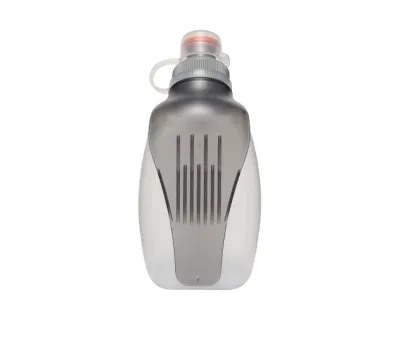
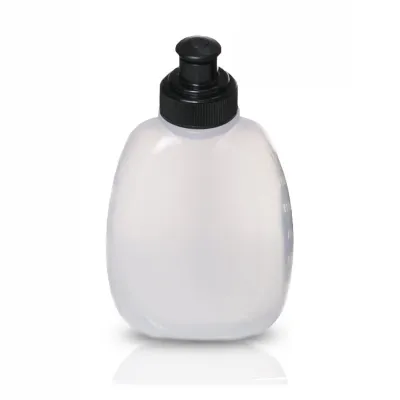
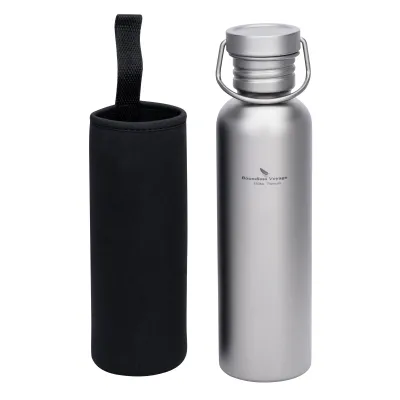
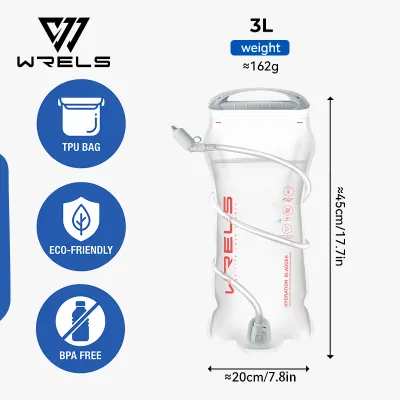
Prices are valid at publication and may change. Please refer to the product page for the latest price.
While the body of the bottle is highly efficient at blocking heat, the lid is almost always the weakest link in any insulation system. Most lids are constructed from plastic and silicone, which do not insulate as effectively as a vacuum barrier. Heat enters the bottle through the lid and the neck area. Brands that feature deep-threaded lids with thick, high-quality silicone gaskets provide a tighter seal that minimizes this heat exchange. Additionally, insulated lids—which contain foam or a secondary air chamber—offer a noticeable advantage in keeping water cold compared to thin, single-layer plastic caps.
The grade of stainless steel used in the construction also plays a critical role in both temperature stability and durability. High-quality sports bottles typically utilize 18/8 food-grade stainless steel, which consists of 18% chromium and 8% nickel. This specific alloy is highly resistant to corrosion from sweat and sports drinks, and it provides the structural rigidity necessary to protect the vacuum seal. If a bottle is dropped and the outer wall dents deeply enough to touch the inner wall, the vacuum is compromised, and the bottle will permanently lose its insulating properties.
Finally, the external coating of the bottle influences how heat is managed and how the bottle is handled. Many premium brands apply a textured powder coating to the exterior. This coating serves a dual purpose: it provides a non-slip grip when your hands are covered in sweat, and it prevents condensation from forming on the outside of the bottle. Condensation is not just an annoyance; the physical process of water droplets forming on the surface actually accelerates heat transfer from the warm ambient air into the bottle, warming your water faster.
How to Evaluate and Compare Running Bottle Brands
When shopping for a running bottle, you will find that almost every brand claims its product keeps drinks cold for 12, 24, or even 36 hours. However, these claims are almost always based on static laboratory tests where the bottle remains sealed, upright, and kept at a moderate room temperature. During a run, the constant movement sloshes the water inside, which increases the contact area between the liquid and the upper, uninsulated neck of the bottle. To make an accurate comparison, look for brands that are transparent about their testing conditions or those that have been independently verified by active runners.

Another critical metric to compare is the weight-to-capacity ratio. Insulation adds weight, and every extra gram matters when you are running long distances. A standard 500 ml double-wall stainless steel bottle can weigh anywhere from 250 to 350 grams when empty. When filled with water, the total weight rises to nearly 850 grams. Compare the empty weight of different brands within the same capacity class; a brand that manages to shave off 50 grams while maintaining a robust vacuum seal will significantly reduce fatigue in your hands, arms, or shoulders over a two-hour run.
Ergonomics must also be evaluated alongside thermal performance. A rigid steel bottle cannot be squeezed, meaning you must rely on a straw lid, a bite valve, or a standard screw cap to drink. Straw lids allow you to drink without tilting your head, which helps you maintain your running posture and keep your eyes on the path ahead. However, straw mechanisms can be harder to clean and may let in small amounts of air. Compare how different brands design their mouthpieces, ensuring they can be easily opened with one hand or even your teeth while you are moving.
Lastly, look for verified user reviews that specifically mention performance in hot and humid climates like Singapore. A bottle that performs well in a cool, temperate climate may struggle when exposed to 32°C heat and 80% humidity. Pay attention to reviews from marathoners or trail runners who detail how much ice remained in the bottle after a long training run. These real-world accounts provide a much more accurate picture of a brand’s performance than any manufacturer’s product description.
Trade-offs: Insulation Performance vs. Running Ergonomics
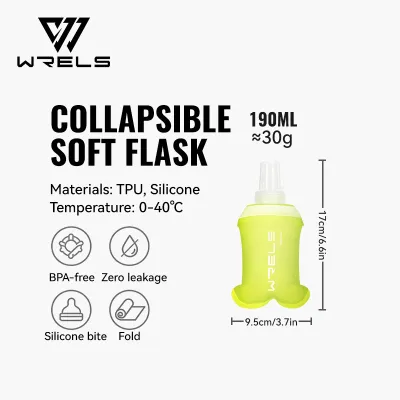
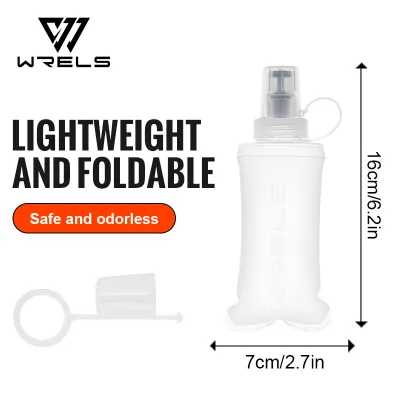
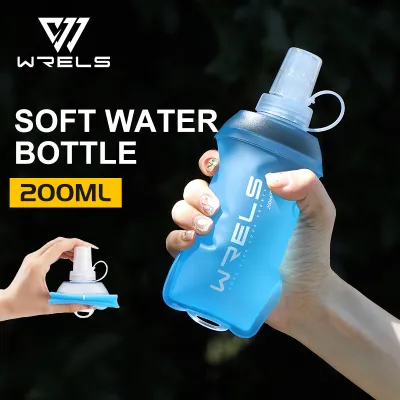
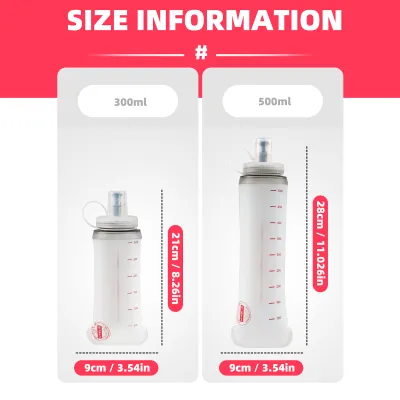
Choosing the ideal insulated bottle is not simply a matter of finding the one with the thickest vacuum walls; you must also consider the physical demands of carrying it. The most significant trade-off in running hydration is between rigid insulated bottles and soft flasks. Soft flasks are incredibly lightweight, compress as you drink to eliminate sloshing, and fit comfortably into the front pockets of a hydration vest. However, because they are made of thin thermoplastic polyurethane (TPU), they offer virtually no insulation. Your ice water will likely reach ambient temperature within thirty minutes of stepping outside.
The volume of the bottle also introduces a major trade-off regarding weight and movement. Carrying a large 750 ml insulated steel bottle provides plenty of cold water, but it also adds nearly a kilogram of weight to your gear. If you carry this bottle in one hand, the asymmetrical weight can throw off your running gait, leading to muscle strain or joint pain over long distances. Even if carried in a waist belt or backpack, a heavy, rigid bottle is prone to bouncing, which wastes energy and can cause painful chafing against your skin.
If you prefer using a hydration pack or vest, compatibility is another hurdle for rigid insulated bottles. Most modern running vests are designed specifically for soft flasks. Trying to force a hard, cylindrical steel bottle into a chest pocket can be uncomfortable, pressing hard against your ribs with every breath. To use a rigid insulated bottle with a vest, you may have to store it in the main rear compartment. This keeps the water cold and distributes the weight evenly across your back, but it requires you to stop running and take off the vest every time you want a drink.
To resolve these trade-offs, you must match your bottle choice to the specific nature of your run. For short, high-intensity workouts where speed and form are your primary goals, the extra weight of an insulated bottle is rarely worth the benefit; a lightweight, uninsulated bottle is the better choice. Conversely, for long, slow distance (LSD) recovery runs where your pace is relaxed and comfort is your main priority, the psychological and physiological boost of drinking ice-cold water easily justifies carrying a heavier, highly insulated bottle.
Decision Framework: Choosing the Right Bottle for Your Run
To make your final decision, start by analyzing your typical running environment and distance. If you regularly run ultra-distances in high heat and humidity, and you already wear a hydration vest, look for a slim, rigid insulated bottle that can fit into the rear compartment of your pack, or consider specialized insulated sleeves for your soft flasks. While insulated soft flasks do not keep water cold as long as steel bottles, they offer a middle ground by slowing down heat transfer without adding the weight of metal.
If your long runs typically last between one and two hours and you prefer a minimalist setup, a handheld insulated bottle with an integrated adjustable strap is often the best choice. The strap allows your hand to remain relaxed while carrying the bottle, preventing hand fatigue and cramping. Ensure the brand you choose features a high-quality powder coat so the bottle does not slip out of the strap when wet.
Before purchasing any bottle, perform a quick usability check. If possible, handle the bottle in a retail store to see how easily the lid operates. Can you open the drinking spout with a single flick of your thumb? Is the bite valve comfortable? If you have to stop running, use both hands, and struggle with a tight screw cap every time you need a sip, you will likely end up drinking less frequently, which can lead to dehydration.
Finally, remember that equipment cannot replace smart planning. If you find that carrying a fully insulated steel bottle is simply too heavy and disrupts your running form, do not force it. Instead, opt for a lightweight, uninsulated bottle and plan your running routes around public water points, parks, or convenience stores. Stopping briefly to refill your bottle with fresh, cold water or purchasing a chilled sports drink for S$2.00 to S$3.00 can keep you hydrated and cool without the physical burden of carrying a heavy steel bottle for twenty kilometers.
Frequently Asked Questions (FAQ)
Can I put ice cubes in any insulated running bottle?
Yes, you can put ice cubes in most insulated running bottles, but you should check the mouth diameter first. Wide-mouth bottles easily accommodate standard ice cubes, while narrow-mouth designs require specialized slim ice sticks. When adding ice, avoid dropping large, heavy cubes directly into an empty stainless steel bottle, as the impact can dent the thin inner wall and permanently damage the vacuum seal. It is safer to tilt the bottle and slide the ice in gently, or add a small amount of water first to cushion the fall.
Does a dark-colored exterior keep the water colder?
No, the color of the bottle’s exterior does not affect the temperature of the water inside. Because double-wall vacuum insulation eliminates conductive and convective heat transfer, any radiant heat absorbed by a dark-colored outer shell cannot pass through the vacuum barrier to warm the liquid. However, a dark-colored bottle will absorb more sunlight and feel significantly hotter to the touch. If you are running in direct sunlight, a lighter-colored or reflective exterior is more comfortable to hold and handle.
How do I clean an insulated running bottle to prevent odors?
To prevent odors and mold, wash your insulated bottle by hand using warm water, mild dish soap, and a bottle brush after every run. Do not place vacuum-insulated bottles in the dishwasher unless the manufacturer explicitly states it is safe, as the extreme heat and harsh detergents can ruin the exterior powder coating and degrade the vacuum seal. Pay close attention to the lid and silicone gaskets, as sweat and sports drinks can easily pool in these areas. Remove the gaskets periodically for a deep clean, and allow all parts to dry completely before reassembling.

Community discussion
Share your experience or ask a question. Comments are reviewed before publication.