
Finding a sports water bottle that keeps your drinks ice-cold during an intense workout comes down to understanding engineering rather than relying on brand popularity. While many manufacturers claim their bottles offer superior thermal performance, the actual temperature retention depends on physical design features you can verify yourself. By looking closely at vacuum seals, lid construction, and material grades, you can identify which bottle will truly withstand the heat of your exercise routine.
To make an informed choice, you must look past marketing buzzwords and evaluate how a bottle is built. Whether you are cycling under the midday sun in Singapore or training in an air-conditioned gym, the rate of heat transfer remains governed by the laws of thermodynamics. Understanding these principles allows you to compare options objectively and select a bottle tailored to your specific hydration needs.
Key Factors That Determine Cold Retention in Sports Water Bottles
The primary technology behind modern temperature retention is double-wall vacuum insulation. This design features an inner and outer wall, typically made of stainless steel, with the air evacuated from the space between them to create a vacuum. Because heat requires a medium to travel through via conduction or convection, this vacuum barrier significantly slows down the transfer of external warmth to your cold beverage. The thickness of these steel walls also plays a role, as denser structures provide better physical durability to protect the vacuum gap from collapsing during accidental drops.
Products mentioned in this guide
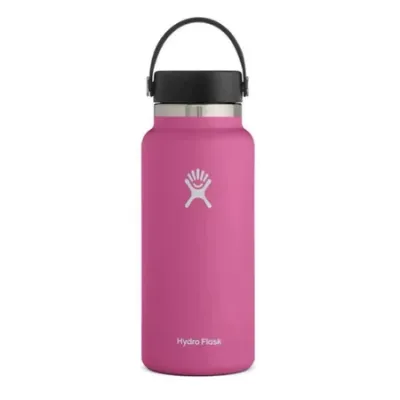
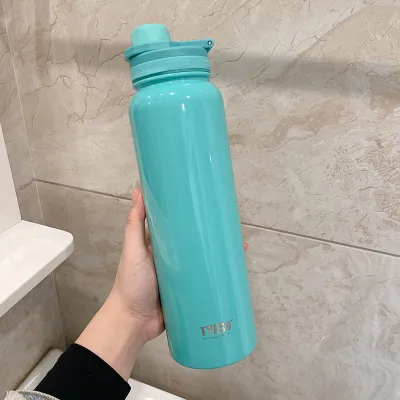
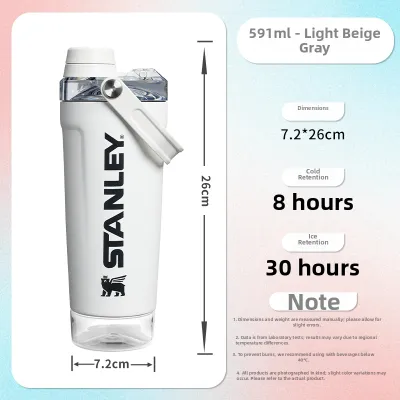
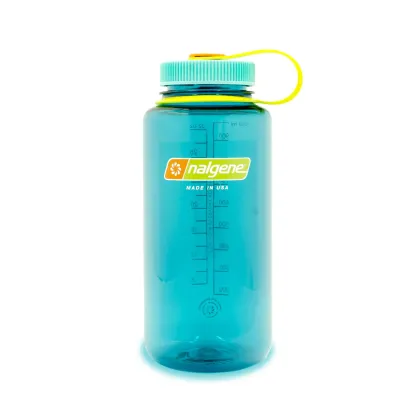
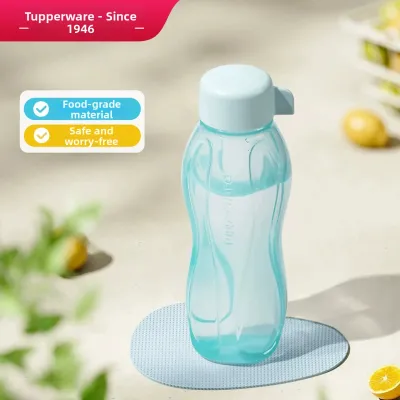
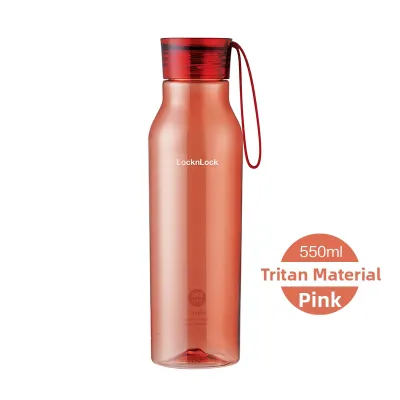
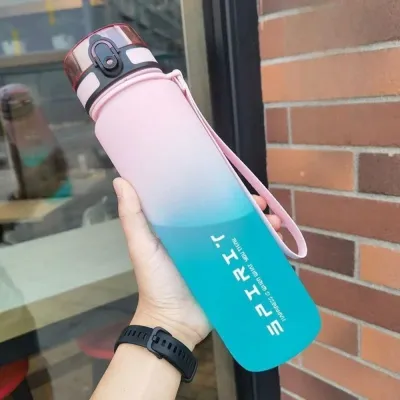
Prices are valid at publication and may change. Please refer to the product page for the latest price.
Bottle capacity and the resulting surface-area-to-volume ratio also influence how long your drink stays cold. Larger bottles holding greater volumes of liquid naturally retain their temperature longer than smaller bottles under identical conditions. This occurs because a larger volume of cold water possesses more thermal mass, requiring a greater amount of heat energy to raise its overall temperature. Conversely, a small, slender bottle has a high surface area relative to its volume, exposing more of the liquid to external heat transfer points.
Lids represent the most significant point of thermal vulnerability in any insulated bottle. While the metal body of the bottle is highly effective at blocking heat, the lid is usually made of plastic or silicone, which do not offer the same level of insulation. A wide-mouth screw cap generally provides a tighter, more solid barrier against heat transfer because it lacks moving parts or openings. In contrast, straw lids, spout lids, and flip-tops introduce joints, air vents, and thinner materials that allow external air to slowly seep inside, accelerating temperature loss.
External environmental factors during your workout will constantly challenge your bottle’s insulation capabilities. High ambient temperatures, humidity, and direct exposure to sunlight all increase the rate of heat transfer. If you leave your bottle on a hot outdoor court or attach it to a bicycle frame where it absorbs direct solar radiation, the exterior steel will heat up rapidly. This places a heavier demand on the internal vacuum barrier, making high-quality construction essential for outdoor training.
How to Compare Insulation Specifications Across Brands
When comparing different brands on an online marketplace or in a sporting goods store, you will often see claims of cold retention lasting anywhere from 12 to 24 hours or more. It is important to understand that these claims are typically based on controlled laboratory tests where the bottle remains closed in a temperate indoor environment. In real-world workout scenarios where you open the lid frequently to drink, the actual cold retention time will be shorter. Use these manufacturer ratings as a relative baseline for comparison rather than an absolute guarantee of performance during active use.

The grade of stainless steel used in construction is a critical indicator of quality and longevity. Look for bottles specified as 18/8 food-grade stainless steel, which contains 18% chromium and 8% nickel. This composition offers excellent resistance to rust and corrosion from sweat or sports drinks while ensuring no metallic taste transfers to your water. Some premium models also feature an internal copper lining applied to the exterior of the inner vacuum wall. This copper layer acts as a reflective barrier that further reduces radiative heat transfer, enhancing cold retention.
The integrity of the seals and gaskets is what prevents warm air from entering and cold liquid from escaping. High-quality bottles utilize thick, food-grade silicone gaskets that fit precisely within the lid threading. When evaluating a bottle, check that the threading is deep and smooth, allowing you to tighten the lid securely without cross-threading. A weak seal not only leads to annoying leaks in your gym bag but also allows continuous air exchange that rapidly warms your drink.
To make an objective decision, you can construct a simple comparison matrix based on verifiable specifications. List the bottles you are considering alongside their claimed cold retention hours, the material composition of the body and lid, the empty weight, and the available capacities. Keep in mind that a heavier bottle often indicates thicker steel walls or additional insulation layers, which may offer better thermal performance at the cost of being slightly more cumbersome to carry during long runs.
Matching Bottle Design to Your Specific Workout Environment
Your choice of water bottle should align directly with the physical demands of your exercise routine. For high-intensity cardio, outdoor running, or cycling, you need a bottle that can be operated quickly with one hand while maintaining a secure, leak-proof seal. A bottle with a textured powder-coat finish on the exterior is highly beneficial here, as it prevents the bottle from slipping out of sweaty hands. Additionally, ensure the lid mechanism can be locked to prevent accidental spills when the bottle is jostled in a backpack or mounted on a bike.
If your workouts primarily take place in a gym or weightlifting area, your priorities will shift toward durability and convenience. Gym floors are unforgiving, and a dropped bottle can easily dent or crack, potentially compromising the vacuum seal. Look for bottles with protective silicone boots on the base to absorb impacts and prevent clanging noises. You should also verify that the base diameter of the bottle fits standard cup holders on treadmills, stationary bikes, and weight benches to keep your hydration within easy reach.
For long-duration endurance activities like hiking or long-distance cycling, balancing capacity with carrying weight is essential. A massive, high-capacity bottle will keep you hydrated for hours, but the added weight can become a physical burden over long distances. In these scenarios, you must evaluate the flow rate of the lid; a high-flow spout allows you to drink quickly without wasting energy, while a straw lid might require more suction effort, which can be frustrating when you are heavily fatigued.
To simplify your decision, use a straightforward framework based on your primary hydration style. If your priority is rapid, frequent sips without tilting your head—such as during cycling or treadmill running—a straw lid is the most practical choice. However, if you prefer to add ice cubes to maximize cold retention and want a bottle that is easy to clean thoroughly, a wide-mouth screw cap is the superior option.
Care and Maintenance to Preserve Insulation Performance
Proper maintenance is vital to ensure your insulated bottle continues to perform at its best over its lifespan. Over time, moisture can accumulate in the crevices of silicone gaskets and straw mechanisms, leading to mold and bacteria growth. To prevent this, disassemble all removable parts of the lid after every workout and wash them thoroughly with mild dish soap and a non-abrasive brush. Avoid using metal scouring pads or harsh abrasive cleaners on the stainless steel body, as these can scratch the protective outer coating and compromise the material.
It is important to recognize the physical signs that indicate your bottle’s insulation has failed. The most obvious sign of a compromised vacuum seal is “sweating,” where condensation forms on the exterior steel body of the bottle when filled with cold water. A functioning vacuum barrier prevents the outer wall from cooling down to the dew point of the surrounding air; if the body feels cold to the touch or develops condensation, the vacuum has been lost. Once the vacuum seal is broken, the bottle will lose its temperature-retaining properties rapidly and will perform no better than a single-walled container.
To protect the structural integrity of your bottle, there are several common practices you must avoid. Never place an insulated stainless steel bottle in the dishwasher unless the manufacturer explicitly states it is dishwasher-safe. The intense heat and harsh detergents of a dishwasher cycle can degrade the silicone seals, damage the exterior paint, and even expand the air inside the vacuum gap, causing the seal to fail. Similarly, avoid exposing the bottle to extreme heat sources, such as stovetops or open flames, which can permanently warp the metal.
If you notice a sudden drop in thermal performance or find a defect in the lid threading, stop attempting DIY repairs. Modifying the bottle or using third-party adhesive sealants can introduce chemical contaminants to your drinking water and will likely void any manufacturer warranty. Instead, consult the manufacturer’s customer service department to check if the issue is covered under their warranty policy, as many reputable brands offer replacements for manufacturing defects in the vacuum seal.
Frequently Asked Questions (FAQ)
Does putting an insulated water bottle in the freezer damage it?
Yes, placing an insulated water bottle in the freezer can cause severe and irreversible structural damage. As water freezes, it expands with immense physical force. Because the double-wall construction of an insulated bottle is rigid, the expanding ice can easily warp the inner steel wall, bulge the base, or rupture the delicate weld that maintains the vacuum seal. Once this seal is broken, the bottle’s insulation capabilities are permanently destroyed. To achieve an extra-cold drink safely, pre-chill your water in a separate container before pouring it into the bottle, or simply add ice cubes directly through a wide-mouth opening.
Why is my insulated water bottle sweating on the outside?
Condensation forming on the plastic lid or the very top rim of your bottle is normal, as these areas lack vacuum insulation and can become cold enough to condense moisture from the air. However, if you notice sweat or condensation forming on the main stainless steel body of the bottle, this indicates a failed vacuum seal. When the vacuum barrier is compromised, heat transfers freely between the inner and outer walls, causing the exterior steel to become cold. You can verify this by filling the bottle with ice water and waiting a few minutes; if the outer body feels icy cold to the touch, the insulation has failed, and the bottle should be replaced.
Can I put hot drinks in a bottle designed for cold retention?
Generally, the double-wall vacuum technology used to keep drinks cold is equally effective at retaining heat, meaning you can safely put hot beverages inside the stainless steel body. However, you must exercise extreme caution regarding the lid design. Many sports bottles designed for cold drinks feature straw lids, bite valves, or flip-spouts made of plastics that are not rated for high temperatures and may warp or leach chemicals. Furthermore, pouring boiling liquid into a sealed bottle can cause pressure to build up inside, creating a severe burn hazard when you open the lid. Always verify the manufacturer’s guidelines for hot liquids and use a dedicated screw-cap lid designed for hot beverages.

Community discussion
Share your experience or ask a question. Comments are reviewed before publication.