
Finding the right non-slip yoga mat requires balancing two distinct physical properties: the surface material’s coefficient of friction and the mat’s overall thickness. While marketing often promises a universal “best grip,” the reality is that traction is highly dependent on your specific practice environment, sweat levels, and joint support needs. A mat that feels perfectly secure during a dry, gentle Hatha class in an air-conditioned room may become dangerously slick during a high-humidity Vinyasa session. By understanding how different materials interact with moisture and how thickness affects your balance, you can systematically evaluate brand specifications to find your ideal match.
Understanding Grip: Material vs. Thickness
Standard yoga mats range from ultra-thin travel options (1mm to 2mm) to standard studio thickness (4mm to 5mm) and extra-cushioned varieties (6mm or more). Thicker mats provide excellent compression resistance, protecting sensitive knees, hips, and wrists during floor poses. However, this extra cushioning can compromise stability during standing balance poses like Tree Pose or Warrior III, as your feet sink into the material and lose a firm connection to the subfloor.
The base material dictates the inherent grip of the mat. Natural rubber offers exceptional dry traction and a heavy, grounded feel, but it carries a distinct organic scent and can trigger latex allergies. Polyurethane (PU) tops, often bonded to a rubber base, provide some of the strongest dry and wet grip available because they absorb moisture rapidly. Polyvinyl chloride (PVC) is highly durable and easy to clean, but it relies on textured surface patterns for grip and can become slippery when wet unless paired with a towel. Thermoplastic elastomer (TPE) is lightweight and moderately grippy, making it a popular mid-range option for general practice.
Products mentioned in this guide
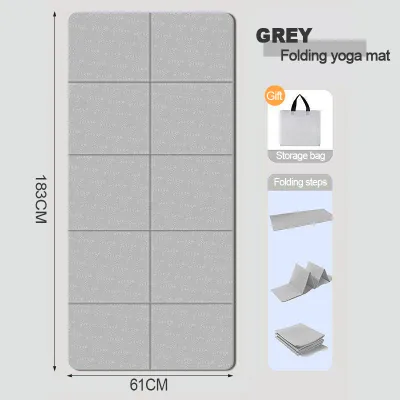
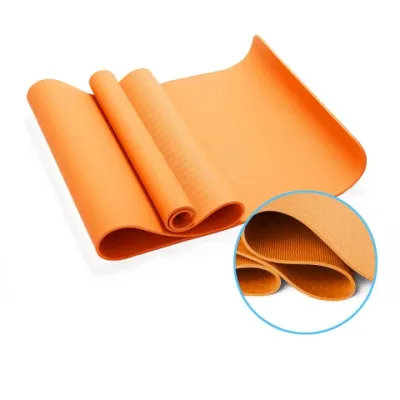
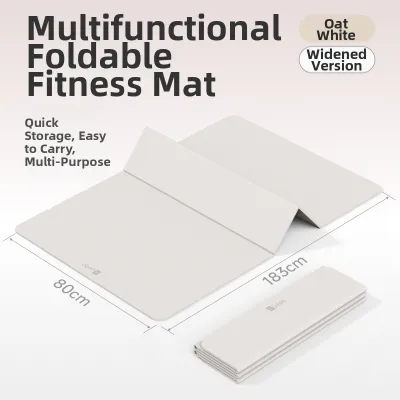
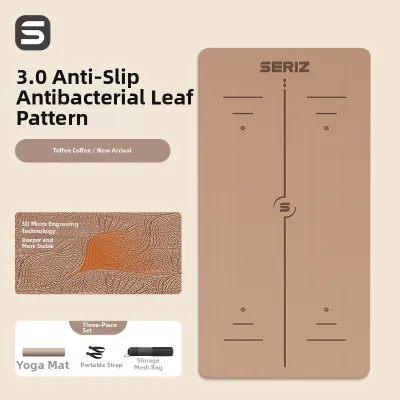
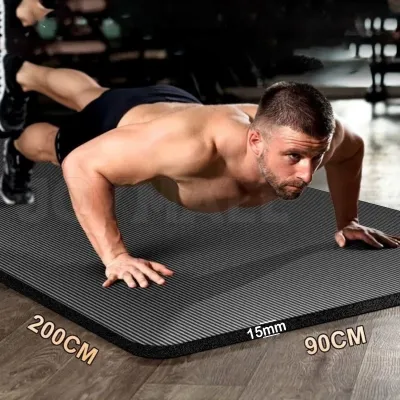
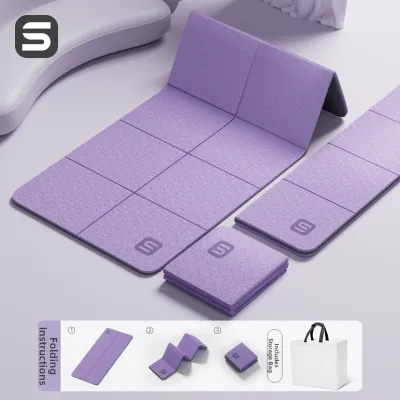
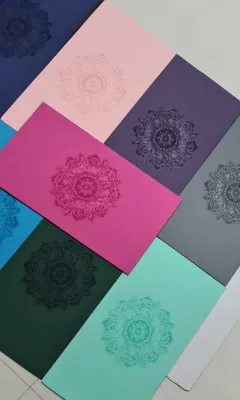
Prices are valid at publication and may change. Please refer to the product page for the latest price.
A thicker mat does not inherently offer better or worse traction. Instead, the surface texture and material composition determine slip resistance. A thick 6mm PVC mat with a smooth finish will offer significantly less grip than a thin 3mm natural rubber mat with an open-cell texture. When selecting a mat, you must evaluate the material’s surface characteristics separately from the physical thickness of the cushioning.
Evaluating Brand Claims and Specifications
Open-cell mats act like a sponge, absorbing sweat and moisture into the material to maintain a dry surface and reliable traction during intense sessions. This structure is highly effective for wet grip but requires diligent cleaning to prevent bacterial growth. Closed-cell mats, on the other hand, do not absorb moisture at all. Sweat pools on the surface, which can cause slipping unless the mat features a deeply textured profile or is paired with a specialized towel.

Many premium mats require a break-in period before reaching their peak non-slip performance. For example, some natural rubber or PVC mats ship with a thin protective film from the manufacturing process that must wear off through regular use or a gentle wash. Always check the manufacturer’s specific instructions regarding this initial phase to avoid premature frustration with the mat’s grip.
To verify environmental and safety claims, look for independent certifications on product labels rather than relying on vague marketing terms. Certifications such as OEKO-TEX Standard 100 indicate that the textile components have been tested for harmful substances. If a brand claims its mat is biodegradable or made from sustainably harvested natural rubber, verify if they reference third-party forestry certifications or material safety data sheets.
Matching Thickness and Grip to Your Practice
In warm, humid climates or heated studio environments, moisture management is the primary safety concern. For dynamic practices like Ashtanga or hot yoga, a thinner profile (typically 3mm to 4mm) is highly advantageous. This thickness keeps your center of gravity low and stable while preventing the mat from bunching up during rapid transitions. Pair this thickness with an open-cell polyurethane or natural rubber surface to ensure your hands and feet remain locked in place even as sweat accumulates.
For slower, floor-based practices such as Yin or restorative yoga, your body remains in contact with the mat for extended periods. Here, the priority shifts from extreme wet-grip to deep joint cushioning. A thicker mat (5mm to 6mm) provides the necessary padding for your spine, hips, and knees during long-held postures. Because these styles generate minimal sweat, a closed-cell PVC or TPE mat with a textured, dry-grip surface is often highly sufficient and much easier to maintain.
If you suffer from joint discomfort but still practice dynamic styles, you face a common dilemma. Choosing a very thick, soft mat can strain your wrists during handstands or downward dogs because your hands sink too deeply, forcing your wrists into an extreme angle. In this scenario, look for a medium-thickness mat (around 4.5mm to 5mm) made from high-density material. High-density mats offer firm, supportive cushioning that protects your joints without sacrificing the stable, non-slip foundation required for balance.
Decision Framework: Choosing Your Ideal Mat
To simplify your decision, construct a personal priority checklist based on your primary practice style and physical needs. If your routine consists mostly of active, sweat-inducing flows where stability is paramount, prioritize a 3mm to 4mm open-cell polyurethane or natural rubber mat. This setup ensures maximum floor feedback and reliable wet traction.
If your practice is primarily gentle, slow, or focused on recovery, select a 5mm to 6mm closed-cell TPE or PVC mat. This choice maximizes comfort during extended floor poses and simplifies your post-practice cleaning routine, as sweat and dirt will remain on the surface where they can be easily wiped away.
Before finalizing any purchase, perform a critical health check. If you have a known latex allergy or sensitivity, avoid natural rubber mats entirely, regardless of their grip ratings. Instead, opt for high-quality synthetic alternatives like polyurethane-topped TPE or specialized non-slip PVC formulations that offer comparable traction without the risk of an allergic reaction.
Testing and Maintaining Traction
Once your new mat arrives, perform a safe, dry-traction test before taking it to a full class. Lay the mat on a flat, hard surface and press your hands firmly into a downward-facing dog position. Apply forward pressure to check if your hands slide. To test wet traction, lightly mist a small corner of the mat with water and press your palm against it. If the mat requires a break-in period, follow the manufacturer’s recommended washing or wiping procedure to remove any factory residue.
Maintaining your mat’s grip requires strict adherence to material-specific cleaning protocols. For open-cell mats, avoid harsh chemical cleaners, essential oils, or heavy soaps, as these substances can clog the microscopic pores and permanently ruin the non-slip surface. Instead, use a highly diluted solution of mild soap and water, or a manufacturer-approved mat wash. Always allow the mat to air dry completely in a shaded, well-ventilated area away from direct sunlight, which can degrade natural rubber and cause synthetic materials to crack.
Monitor your mat for signs of wear that compromise safety. If you notice the surface texture flaking off, visible bald spots where your hands and feet normally rest, or a persistent slickness that cleaning no longer resolves, the material has likely degraded. Stop using the mat if you find yourself constantly slipping during basic poses, as this increases the risk of muscle strain or joint injury. Consult the manufacturer’s warranty or customer service if the degradation occurs prematurely under normal use conditions.
Frequently Asked Questions (FAQ)
Do I Need a Yoga Towel for Extra Grip?
Whether you need a supplementary yoga towel depends entirely on your mat’s material structure and your sweat volume. If you use a high-quality open-cell polyurethane or natural rubber mat, the built-in wet grip is typically sufficient to keep you stable without any extra layers. However, if you practice on a closed-cell PVC or TPE mat, sweat will pool on the surface, making a microfiber yoga towel essential for absorbing moisture and preventing dangerous slips.
Before adding a towel to your setup, consult the manufacturer’s guidelines for your specific mat. Some delicate open-cell surfaces can be abraded by the rough texture of certain microfiber towels, leading to premature wear. If a towel is recommended, ensure it features silicone grip dots on the underside to prevent the towel itself from sliding against the mat’s surface during transitions.

Community discussion
Share your experience or ask a question. Comments are reviewed before publication.