
To dry boxing gloves properly without causing structural damage or lingering odors, you must remove excess moisture immediately after training, open the gloves fully to maximize airflow, and use ambient air or a dedicated low-heat glove dryer. The exact process depends heavily on the weight of your gloves and whether they are made of genuine leather, synthetic materials, or mesh. Heavier gloves with thick padding require more time and careful monitoring, while different materials demand specific temperature limits to prevent cracking, warping, or adhesive breakdown.
Proper drying is not just about comfort; it directly impacts the lifespan of your equipment and your hand hygiene. When sweat saturates the internal foam, it creates a breeding ground for bacteria and mold, which quickly leads to persistent odors and can even cause skin irritation. By establishing a consistent post-workout routine tailored to your specific gear, you can keep your gloves fresh, supportive, and ready for your next session.
Assessing Your Gloves: Material and Weight Factors
Lighter gloves, such as 8oz or 10oz models, feature thinner padding profiles designed for competition or precise pad work. Because there is less foam to saturate, these gloves naturally allow moisture to escape relatively quickly. However, they still require proper ventilation to ensure the inner lining dries completely before your next workout.
Products mentioned in this guide
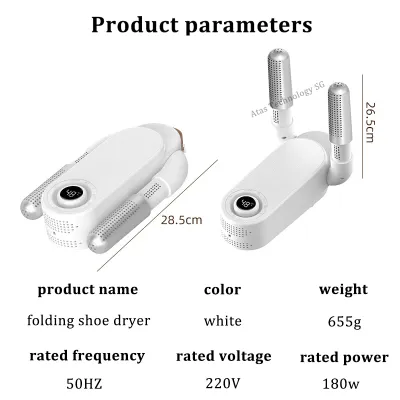
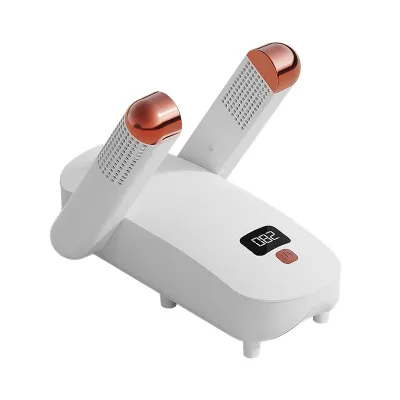
Prices are valid at publication and may change. Please refer to the product page for the latest price.
In contrast, heavier training and sparring gloves, ranging from 14oz to 16oz, contain dense, multi-layered foam padding designed to absorb high-impact forces. This thick padding acts like a sponge, trapping sweat deep within the hand compartment. Because the moisture is locked deep inside, heavier gloves require significantly more drying time and more active airflow to prevent the core from remaining damp.
The intensity of your training also dictates how much moisture your gloves absorb. A high-intensity sparring session or an extended round on the heavy bag will generate substantial sweat, which is driven deep into the foam by the mechanical force of your punches. Understanding this relationship between glove weight, padding density, and training intensity helps you estimate the necessary drying time.
Before applying any drying method, locate and read the manufacturer’s care label or instruction manual. These guidelines specify the material composition and outline any strict heat or moisture restrictions. Following these instructions is critical, as exceeding recommended temperature limits can permanently damage the internal foam or outer shell.
Examine your gloves to determine if they are genuine leather, synthetic leather (such as polyurethane or vinyl), or feature breathable mesh panels. Genuine leather is highly porous and prone to stiffening or cracking if dried too quickly or exposed to heat. Synthetic materials are more moisture-resistant but can warp or melt under high temperatures, while mesh panels facilitate natural airflow but still require proper positioning to dry the underlying foam.
Essential Preparation Before Drying
Immediately after your training session, use a clean, dry microfiber cloth to wipe down both the exterior and interior of your gloves. Insert your hand with the cloth to absorb as much surface sweat as possible from the finger and palm areas. This simple step removes the initial layer of moisture and prevents it from soaking deeper into the padding.

Wiping down the interior also helps remove salt crystals left behind by evaporated sweat. Over time, these salt deposits can act as an abrasive, wearing down the inner fabric lining and causing it to tear. A thorough wipe-down immediately after training mitigates this risk and extends the structural integrity of the inner glove.
Fully unfasten the hook-and-loop velcro straps or loosen the laces completely. Pull the cuff open as wide as possible to maximize the entry point for fresh air. Leaving the gloves closed traps humid air inside, creating an ideal environment for mold and unpleasant odors to develop.
Always remove your hand wraps, quick wraps, or any temporary inserts from the gloves immediately after use. Leaving damp hand wraps stuffed inside the glove locks in moisture and sweat, which quickly degrades the inner lining. Wash and dry your hand wraps separately to maintain overall gear hygiene.
Step-by-Step Drying Methods by Material
Regardless of the material, never expose your boxing gloves to direct sunlight, radiators, fireplaces, or high-heat household appliances. Excessive heat strips natural oils from leather, melts synthetic coatings, and breaks down the structural integrity of the internal foam padding.
Place your opened gloves in a well-ventilated indoor area with consistent, ambient air circulation. Position them with the cuffs facing upward or propped open so that rising warm air can naturally cycle through the hand compartment.
In regions with high relative humidity, natural evaporation slows down significantly. When the air is already saturated with moisture, stagnant air around your gloves will prevent them from drying efficiently. Introducing active, cool air circulation is highly recommended in these environments to keep the drying process moving forward.
Genuine Leather Gloves
Genuine leather gloves require a slow, natural drying process. Rely strictly on ambient air drying in a cool, dry room. Avoid using any artificial heat sources, including hair dryers or space heaters, as rapid temperature changes cause the leather fibers to shrink, stiffen, and eventually crack.
Leather is an organic, porous material that contains natural oils keeping it flexible. When water saturates leather and then evaporates quickly due to heat, it carries these essential oils away with it. This leaves the leather fibers brittle and highly susceptible to tearing under the impact of training.
Monitor the condition of the leather throughout the drying process. Once the gloves are completely dry, apply a small amount of manufacturer-approved leather conditioner. This restores essential moisture to the leather shell, keeping it supple and preventing premature wear or tearing along the seams.
To accelerate internal drying without heat, stuff the gloves with crumpled, unprinted newspaper or clean cedar shoe trees. The paper or cedar naturally draws moisture out of the inner lining while helping the glove retain its natural shape. Check the stuffing periodically and replace it with dry material as soon as it feels damp. Avoid using printed newspaper with heavy ink, as the moisture can cause the ink to bleed onto the inner lining of your gloves.
Synthetic Leather and Mesh Gloves
For synthetic leather and mesh gloves, you can safely speed up evaporation by using a household fan on a cool setting. Direct the airflow straight into the opened cuffs of the gloves. This constant circulation of room-temperature air helps dry the synthetic lining without exposing the materials to heat stress.
Synthetic gloves are typically constructed from polyurethane (PU) or vinyl bonded to a fabric backing. If these materials are exposed to high heat, the adhesive bonds can weaken, leading to bubbling, peeling, or cracking of the outer shell. Keeping the airflow cool preserves the bond between the outer synthetic layer and the inner foam.
Pay close attention to mesh panels and the seams surrounding them. While mesh allows for better ventilation, moisture can still become trapped in the transition zones between the mesh and the synthetic outer shell. Ensure the inner foam directly beneath the mesh is completely dry to the touch before packing your gear away.
Always verify the manufacturer’s guidelines before using any low-heat drying devices on synthetic gloves. Synthetic coatings and adhesives can degrade or delaminate if exposed to even mild, concentrated heat, so keeping the air cool or lukewarm is the safest approach.
Using a Boxing Gloves Dryer Safely
A dedicated boxing gloves dryer is highly beneficial if you train multiple times a week, live in a humid climate, or use heavy 14oz to 16oz gloves that take more than 24 hours to air dry. These devices help ensure your gear is fully dry and hygienic before your next session, reducing the window for bacterial growth.
When selecting a glove dryer, choose a model that features a dedicated “no-heat” or “cool-air” setting, or one that utilizes very gentle, low-temperature warm air. High-heat shoe or boot dryers are unsuitable for boxing gloves, as they can easily damage the delicate internal foam and adhesives.
It is important to understand the difference between fan-forced air dryers and thermal convection dryers. Fan-forced dryers actively push room-temperature air deep into the glove, which is highly effective and safe. Thermal convection dryers rely on rising warm air, which can sometimes build up excessive heat if the glove cuff is too tight around the dryer nozzle, trapping the heat inside.
Always monitor your gloves during the drying cycle. Check them periodically to ensure the outer material does not feel excessively hot or stiff. If you notice any unusual warmth, stiffness, or chemical odors, stop the device immediately and transition to natural ambient air drying. Ensure the dryer nozzles are positioned to reach the finger compartment without stretching or distorting the wrist support.
Preventing Odor and Maintaining Glove Shape
Never store your boxing gloves in a closed gym bag while they are still damp. Ensure they are completely dry inside and out before placing them in any confined space. Storing damp gloves restricts airflow, which rapidly accelerates bacterial growth and leads to persistent, difficult-to-remove odors.
If you must transport damp gloves home from the gym, consider hanging them on the outside of your gym bag using a carabiner or dedicated gear strap. This keeps them exposed to ambient air during your commute, preventing the humid “greenhouse effect” that occurs inside a zipped bag.
Use natural deodorizers, such as cedar chip inserts, baking soda pouches, or charcoal deodorizing bags, between your training sessions. These inserts absorb residual moisture and neutralize odors naturally without the use of harsh chemical sprays that could irritate your skin or damage the glove lining. Avoid overusing chemical disinfectant sprays, as they can leave a sticky residue that attracts more dirt and bacteria over time.
Store your dry gloves in a cool, dry, and well-ventilated closet or on an open shelf away from direct sunlight and damp environments. Avoid leaving your gear in hot car trunks or humid laundry rooms, as these conditions can degrade both the outer shell and the internal padding over time.
Frequently Asked Questions (FAQ)
Can I use a regular hair dryer to dry my boxing gloves?
Using a regular household hair dryer on its standard heat settings is highly discouraged. The concentrated, high-temperature airflow from a hair dryer can quickly melt synthetic linings, crack genuine leather, and degrade the shock-absorbing properties of the internal foam padding.
If you must use a hair dryer in an emergency, use only the absolute coolest air setting, keep the nozzle at a safe distance from the glove cuff, and monitor the temperature constantly. Ambient air drying or a dedicated low-heat glove dryer remains a much safer alternative.
How do I know if my heavy gloves are completely dry inside?
To verify if your heavy 14oz or 16oz gloves are fully dry, perform a thorough touch test. Insert your hand deep into the glove, pressing your fingers firmly into the very front of the finger compartment and along the inner palm area.
If you feel any coolness, dampness, or clamminess, the internal foam is still holding moisture. Any lingering dampness indicates that the gloves require additional drying time in a well-ventilated area before they can be safely stored or used again.

Community discussion
Share your experience or ask a question. Comments are reviewed before publication.