
To find the best ball air pump brands for multi-purpose inflation, you must look beyond marketing labels and evaluate specific engineering features like nozzle versatility, pressure gauge accuracy, and cylinder seal durability. A high-quality pump ensures that your basketballs, footballs, volleyballs, and netballs are inflated to their exact specifications, preserving their bounce, shape, and lifespan. Relying on a poorly constructed pump not only leads to physical fatigue but also risks damaging the delicate internal valves of your sports equipment.
In tropical climates like Singapore, where high humidity and warmth can accelerate the degradation of rubber seals and cause low-grade metal needles to rust, choosing a reliable brand is even more critical. A pump that sits in a sports bag or a humid storage locker needs to withstand these environmental factors without losing its airtight seal or structural integrity. By understanding the core design elements that define a premium pump, you can make an informed investment that keeps your gear ready for the court or field.
Core Criteria for Evaluating Multi-Purpose Pump Brands
When evaluating multi-purpose pump brands, nozzle versatility is the first major benchmark of quality. A versatile brand does not just provide a single standard needle; it offers a comprehensive adapter kit designed to handle various inflatable items. This kit typically includes multiple stainless steel inflation needles for standard sports balls, plastic cone adapters for inflatable training equipment or yoga balls, and flexible hose extensions. A flexible hose is particularly important because it isolates the movement of the pump handle from the needle, preventing the needle from bending or snapping inside the ball’s valve during vigorous pumping. Furthermore, look for brands that integrate secure storage compartments directly into the pump body or handle, ensuring these small, easily lost accessories are always on hand when you head to the court.
Products mentioned in this guide
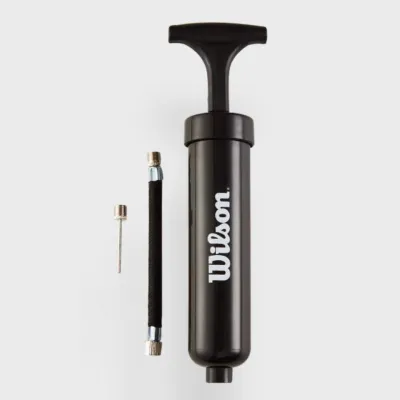
![[SG STOCK] Ball Air Pump with Needle](https://img.lazcdn.com/g/p/68529c3a4e15f53d0ddf08e7dc2c6925.png_400x400q80.png_.webp)
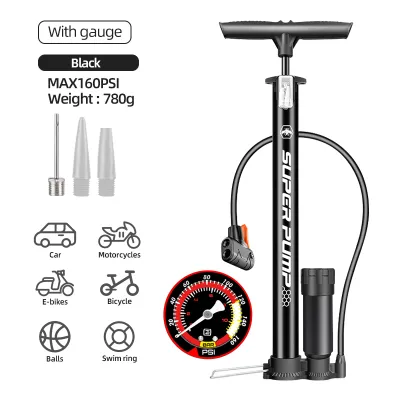
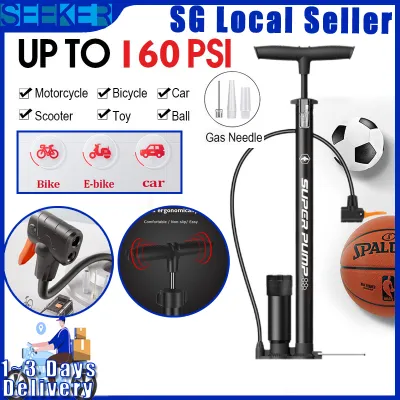
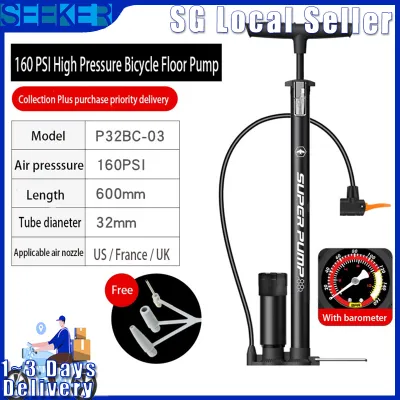
![[SG Stock] Air Pump Car Inflator Compressor Portable Ball Bike Bicycle Rechargeable Basketball Soccer Volleyball Tyre Wheel Tire 12V LED Fast Auto Shut-off Emergency](https://img.lazcdn.com/g/p/cc7d92c566c3860fbbfa1d535cc6f3bb.jpg_400x400q80.jpg_.webp)
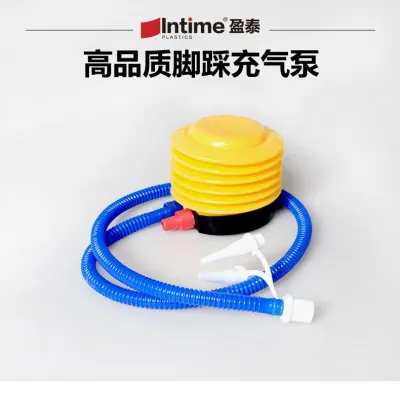
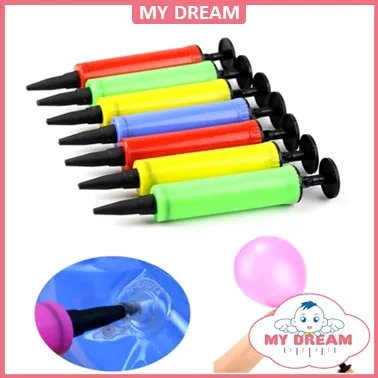
Prices are valid at publication and may change. Please refer to the product page for the latest price.
Pressure gauge accuracy is another critical differentiator between professional-grade brands and budget alternatives. Different sports balls require highly specific internal pressures to perform correctly; for instance, a standard basketball requires 7.5 to 8.5 PSI, while a volleyball requires a much lower pressure of 4.26 to 4.61 PSI. Over-inflating a ball can warp its casing or rupture its inner bladder, while under-inflation compromises its bounce and flight characteristics. Reliable brands equip their pumps with highly accurate, easy-to-read gauges. Analog gauges should feature clear, fine-increment markings and a protective rubber bezel to absorb impacts. Digital gauges, often found on modern electric pumps, should offer clear LCD screens, backlighting for low-light conditions, and a reliable auto-shutoff feature that stops inflation precisely at the target pressure.
The internal build materials and cylinder seal design ultimately determine how long a pump will last. Low-quality brands often use thin plastic barrels that flex under pressure and cheap rubber O-rings that dry out and leak air over time. In contrast, reputable brands utilize seamless aluminum alloy or reinforced composite cylinders that maintain their shape under high pressure. The internal piston should feature high-grade synthetic rubber or silicone double-O-rings, pre-lubricated with specialized grease to minimize friction and wear. When researching brands, look for those that explicitly highlight their cylinder construction and seal materials, as these details are strong indicators of a tool built for long-term reliability.
Comparing Pump Mechanisms: Manual, Electric, and Portable Options
Before narrowing down your brand choices, it is essential to understand the practical differences between manual, electric, and portable pump mechanisms, as each serves a distinct operational need. Dual-action manual pumps are highly favored by individual athletes and local sports clubs for their efficiency and independence from power sources. Unlike traditional single-action pumps that only deliver air on the downward push, dual-action pumps compress and deliver air on both the push and pull strokes. This design cuts inflation time in half and provides excellent tactile feedback, allowing you to feel the rising resistance of the ball as it fills. This physical feedback is an invaluable safeguard against accidental over-inflation, making manual pumps a highly reliable and durable choice for everyday use.

Electric pumps have grown significantly in popularity, offering hands-free convenience and precise pressure management. These battery-powered devices are particularly useful for school coaches, community center coordinators, or sports clubs who need to inflate dozens of balls before a training session or tournament. Most electric pumps allow you to set a target PSI, press a button, and let the device handle the rest, automatically stopping when the correct pressure is reached. However, electric pumps are bound by battery capacity and require regular recharging via USB ports. They are also heavier, more expensive, and more sensitive to environmental hazards; a sudden tropical downpour can easily ruin an unprotected electric pump, meaning they require careful handling and dry storage.
Compact portable pumps, often referred to as pocket or mini pumps, are designed specifically for quick sideline adjustments. These highly compact manual pumps easily slide into a small pocket of a backpack or sports bag, ensuring you are never left stranded by a slow leak during a game. While incredibly convenient for minor touch-ups, their small cylinder volume means that inflating a completely flat ball requires significant physical effort and hundreds of strokes. Portable pumps should be viewed as emergency backup tools rather than your primary inflation device, and when choosing a portable brand, look for models that feature a short, flexible hose to protect the valve from the lateral forces of rapid pumping.
Ensuring Nozzle Compatibility and Correct Pressure for Different Balls
Achieving a perfect seal and maintaining the structural integrity of your sports balls requires a clear understanding of nozzle compatibility and proper inflation techniques. Most modern sports balls utilize a standard butyl rubber valve that accepts a standard 7mm threaded metal needle. However, some specialized training gear, vintage leather balls, or specific water polo balls may feature unique valve dimensions or require specialized brass adapters. When selecting a pump brand, verify that its connection system uses standard thread sizes, allowing you to easily source replacement needles from any local sports retailer if you lose or damage the originals.
Understanding and respecting the recommended PSI ranges for your specific equipment is vital to preventing permanent damage. The correct inflation pressure is almost always embossed directly around the ball’s valve opening. When inflating, always read the gauge at eye level to ensure accuracy. If you are using a manual pump without an integrated gauge, it is highly recommended to purchase an inline pressure gauge that sits between the pump hose and the needle. This simple tool takes the guesswork out of inflation, ensuring you do not inadvertently stretch the outer synthetic leather panels of a high-end match ball.
Safe inflation practices are just as important as the equipment you use. One of the most common causes of ball failure is a damaged internal valve, which occurs when a dry needle is forced into the rubber core. To prevent this, always apply a drop of lubricant—such as glycerin, silicone oil, or mild soapy water—to the needle before inserting it. Never use petroleum-based lubricants, as they can degrade the natural or synthetic rubber of the valve over time. Insert the needle slowly and perfectly straight, keeping your hand steady to avoid applying lateral pressure that could bend the needle or tear the valve wall. Once inflated, gently remove the needle in a straight line and wipe away any excess lubricant.
Pre-Purchase Checklist for Building Your Brand Shortlist
To build a reliable shortlist of ball air pump brands, use this practical verification checklist before making your final purchase. First, cross-reference the pump’s technical specifications with the primary sports equipment you own. If you manage a mix of low-pressure volleyballs and high-pressure bicycle tires, ensure the pump can handle both ranges accurately. While basic manual pumps can be found for under S$10, investing in a durable multi-purpose pump with an accurate gauge typically ranges from S$15 to S$40, which offers significantly better long-term value.
Second, evaluate user feedback with a focus on long-term durability rather than immediate out-of-the-box performance. Look for reviews that specifically mention how well the cylinder seals hold up after months of use in warm, humid conditions, and whether the pressure gauge remains calibrated over time. Finally, verify the brand’s customer support policies, including the warranty period and the availability of replacement parts. Brands that offer dedicated replacement hoses, O-rings, and needle kits demonstrate a commitment to product longevity, ensuring you do not have to discard the entire pump due to a single worn-out component.
Frequently Asked Questions (FAQ)
How often should I replace the inflation needle?
You should replace your inflation needle at the first sign of bending, rust, rough burrs, or internal clogging. A bent or burred needle can permanently scratch or tear the ball’s internal rubber valve, leading to slow, irreversible air leaks that will ruin your sports gear. Regularly inspect the needle tip before use; if it feels rough to the touch or shows signs of corrosion from humid storage conditions, discard it immediately and use a fresh, clean replacement to protect your equipment.
Can I use a standard bike pump to inflate sports balls?
Yes, you can use a standard bicycle pump to inflate sports balls, provided you use a compatible needle adapter. Most floor-standing bike pumps feature a dual-head nozzle that can securely clamp onto a standard threaded ball needle. However, you must exercise extreme caution with the pressure gauge; bike pumps are engineered for high-pressure, low-volume inflation (often up to 120 PSI), meaning their gauges lack the fine resolution needed to accurately measure the low PSI levels (typically 4 to 12 PSI) required for sports balls, which significantly increases the risk of accidental over-inflation.

Community discussion
Share your experience or ask a question. Comments are reviewed before publication.