
Selecting kids dumbbells in Singapore requires focusing on material safety, ergonomic grip sizes, and secure construction rather than relying on brand names alone. Because children’s joints, bones, and coordination are still developing, the right equipment must act as a safe teaching tool rather than a heavy load. Parents shopping on online marketplaces must know how to verify product specifications, check for non-toxic certifications, and match the weight to their child’s physical readiness. This guide provides a practical framework to evaluate options, compare materials like neoprene and plastic, and establish safe home training habits.
By understanding what makes a dumbbell suitable for a child, you can avoid common purchasing pitfalls. The goal is to find equipment that supports natural movement patterns while minimizing the risk of strain or injury. With the rise of home fitness, a wide variety of options are available, making a structured evaluation process essential for every parent.
Defining Safety and Quality Benchmarks for Kids Dumbbells
When evaluating fitness equipment for children, safety and quality benchmarks must be your primary filter. Unlike adult gear, where weight capacity and raw durability dominate the decision, children’s equipment requires strict adherence to non-toxic material standards. Children frequently touch their faces or even place their hands in their mouths during workouts, making the chemical composition of the dumbbell coating a critical concern. Look for manufacturers that explicitly state their products are free from bisphenol A (BPA), phthalates, and heavy metals. Odor-free finishes are often a good indicator of higher-quality materials, as cheap plastics and low-grade rubbers frequently emit strong, volatile organic compounds that can irritate a child’s respiratory system.
Products mentioned in this guide
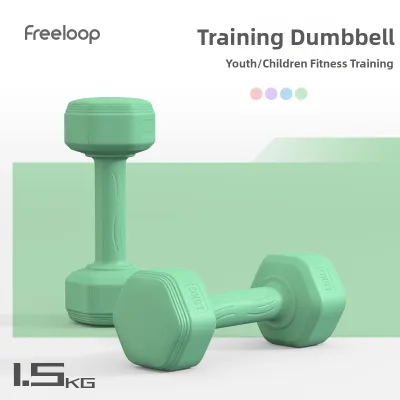
![[SG 🚚] 2Pcs Children Fitness Weights Hand Dumbbells Home Gym Exercise Barbell Kids](https://img.lazcdn.com/g/p/b4365d6fbe9d3178baf99d2ec8fa3614.jpg_400x400q80.jpg_.webp)
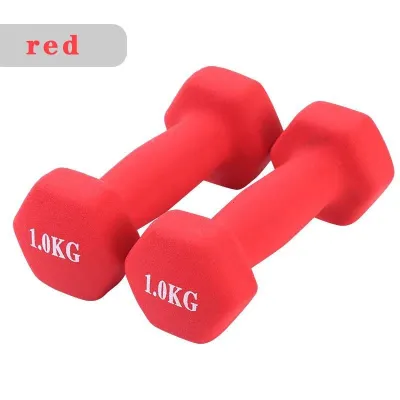
![[IN SG STOCK]Non-Slip Matte Coated Round Dumbbells Pair - for Women & Kids Home Workout & Fitness Training](https://img.lazcdn.com/g/p/c15f80922ff19f7487576ddbf9a4cbb3.jpg_400x400q80.jpg_.webp)
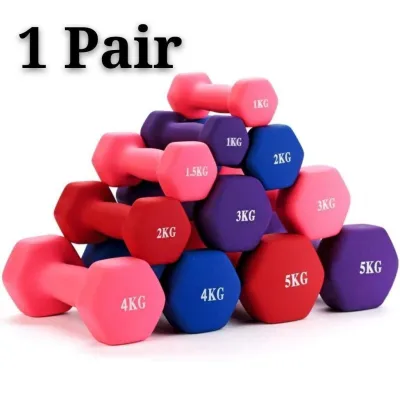
Prices are valid at publication and may change. Please refer to the product page for the latest price.
Ergonomic grip sizing is another non-negotiable factor. A child’s hand is significantly smaller than an adult’s, meaning a standard dumbbell handle will be too thick for them to grasp securely. When a grip is too wide, the child must overcompensate by squeezing excessively hard, which quickly leads to hand fatigue, wrist strain, and an increased risk of dropping the weight. Look for handles with a diameter specifically tailored for smaller hands, typically ranging between 20 millimeters and 25 millimeters. The texture of the grip should provide sufficient friction to prevent slipping when hands get sweaty, but it must not be so abrasive that it causes blisters or discomfort on sensitive skin.
Structural integrity is vital to prevent sudden equipment failure during an exercise. Solid core construction is always preferable to hollow designs filled with loose materials. Cheaply made dumbbells often use thin plastic shells filled with sand, iron filings, or water. Over time, these shells can crack, leading to leaks that create slipping hazards on your floor or sudden shifts in weight distribution during a lift. A solid metal or dense composite core wrapped in a protective outer layer ensures the dumbbell remains balanced and intact, even if it is accidentally dropped. For any adjustable options, the locking mechanisms must be robust and simple enough to verify at a glance.
Finally, accurate weight labeling and tight manufacturing tolerances are essential for progressive overload. If a dumbbell labeled as 1 kilogram actually weighs 1.4 kilograms due to poor quality control, that unexpected 40% increase can easily cause joint strain or compromise a child’s form. Reliable brands maintain strict quality control to ensure the actual weight matches the printed label within a very small margin. When shopping, check if the manufacturer specifies their weight tolerance limits, as this indicates a commitment to precise manufacturing standards.
How to Vet Dumbbell Brands on E-Commerce Platforms
Shopping for children’s fitness equipment on online marketplaces requires a critical eye, as listings can often be misleading or lack essential details. One of the first steps in vetting a brand is identifying red flags in the product description. Be wary of listings that omit the manufacturer’s name, provide vague material descriptions like “eco-friendly plastic” without specifying the exact polymer, or make unrealistic marketing claims. Any product marketed as an “indestructible toy” or promising “rapid muscle growth for kids” should be approached with caution. Reliable brands are transparent about their materials, dimensions, weight tolerances, and recommended age groups.

To verify safety claims, look closely at the product images and specifications for recognized compliance marks. Standards such as the European EN71 (safety requirements for toys) or ASTM International certifications indicate that the product has undergone testing for physical safety and chemical toxicity. If these marks are not clearly displayed on the packaging or in the listing details, do not hesitate to message the seller directly to ask for verification. A reputable seller or brand store should be able to provide documentation or clear clarification regarding their safety standards. If they are evasive or cannot provide this information, it is best to look elsewhere.
User reviews are a goldmine of practical information, but they must be analyzed critically. Look past the overall star rating and filter for reviews that mention long-term durability, material feel, and safety. Pay close attention to feedback from buyers in Singapore, as our hot and humid climate can affect materials differently than in cooler regions. For example, low-quality rubber coatings can degrade quickly in high humidity, becoming sticky or emitting a strong chemical smell over time. Look for recurring complaints about peeling coatings, loose internal weights, or handles that feel slippery when wet. Conversely, positive reviews that highlight a comfortable grip, consistent weight accuracy, and easy cleaning are strong indicators of a reliable product.
Evaluating the price-to-value ratio is about looking beyond the initial S$ price tag. While it can be tempting to choose the cheapest option available, extremely low-priced dumbbells often compromise on material safety and structural integrity. A slightly higher investment in a reputable brand often yields a product made from certified non-toxic materials with better ergonomic design and superior durability. Consider the cost over the lifespan of the product; a durable set of dumbbells that can be safely passed down to younger siblings or resold offers far better value than a cheap set that cracks or becomes sticky within a few months.
Comparing Materials and Designs for Young Lifters
The physical design and material composition of a dumbbell directly impact how safe and comfortable it is for a child to use. Neoprene is one of the most popular coatings for kids’ weights, and for good reason. It provides a soft, slightly textured surface that is easy to grip, even when hands are damp with sweat. Neoprene also offers good floor protection, reducing the risk of scratches or dents on your home flooring if a weight is set down too hard. Additionally, it is relatively easy to wipe clean with a damp cloth, making maintenance straightforward.
Rubber-coated dumbbells are highly durable and excellent at absorbing impacts, but they require careful selection. High-quality, virgin rubber is generally safe and long-lasting, but cheaper recycled rubber can have a strong, persistent odor that is difficult to eliminate. In Singapore’s humid environment, poor-quality rubber can also break down faster, leading to a tacky texture that attracts dust and dirt. If you prefer rubber, ensure the brand specifies that they use low-odor, high-grade rubber compounds.
Hard plastic dumbbells are common in toy-like designs, often featuring hollow cores that can be filled with water or sand. While these are highly affordable and easy to wash, they have notable drawbacks. The plastic can become brittle over time, especially if exposed to sunlight, leading to cracks and leaks. The molded seams on plastic handles can also be sharp or uneven, causing discomfort during use. If choosing plastic, look for high-density polyethylene (HDPE) or similar durable, smooth plastics with seamless handle designs.
The choice between fixed-weight and adjustable designs is a critical safety decision. For younger children, fixed-weight dumbbells are almost always the safer and more practical choice. They feature a solid, single-piece construction with no moving parts, eliminating the risk of plates sliding off or locking mechanisms failing during an exercise. They are simple to use and require no setup, allowing the child to focus entirely on their movement technique.
Adjustable dumbbells, on the other hand, offer space-saving benefits and can adapt as your child grows and gains strength. However, they introduce mechanical complexity and potential hazards. Spinlock collars can loosen during rotational movements, and quick-adjust dial systems have internal parts that can wear out over time. If you opt for adjustable models, they must only be used under strict adult supervision, and an adult should always perform the weight adjustments and double-check the locking mechanism before every single set.
The shape of the dumbbell head also plays a role in home safety. Hexagonal or flat-sided designs are highly recommended over traditional round dumbbells. Hex-shaped weights will not roll away when placed on the floor, preventing tripping hazards and keeping your workout area organized. They also provide a stable, flat base if the child performs exercises where the dumbbells are placed on the ground, such as plank variations or push-up progressions, reducing the risk of the wrist rolling or buckling.
Establishing Safe Usage and Progression Guidelines
Even the highest-quality dumbbells cannot guarantee safety without proper usage guidelines and a controlled environment. Start by setting up a dedicated home workout zone. This area should be completely clear of furniture, toys, and other hazards, providing ample space for the child to move their arms and legs freely in all directions. Using a non-slip exercise mat or interlocking foam tiles is highly recommended; this protects your flooring, dampens noise, and provides a stable, high-traction surface for the child’s feet. Store the dumbbells securely on a low shelf or in a dedicated storage bin when they are not in use to prevent family members from tripping over them.
Active adult supervision is mandatory whenever a child is training with weights. Your role is to monitor their form continuously and watch for signs of fatigue or overexertion. Children often try to lift heavier weights than they can handle or rush through movements, which can lead to poor posture and joint strain. Watch for warning signs such as holding the breath, shaking, arching the back, or using momentum to swing the weights. If you observe any of these, have the child stop immediately, rest, and reduce the weight or simplify the movement.
When it comes to progression, prioritize form mastery over increasing the weight. A child should be able to perform 10 to 15 repetitions of an exercise with smooth, controlled movements and correct posture before you consider any progression. Progression does not have to mean buying heavier dumbbells; you can also increase the difficulty by adding more repetitions, slowing down the tempo of the movement, or introducing more challenging exercises using the same weight. This approach keeps the physical load manageable while still promoting strength and coordination development.
Finally, know when to pause and seek professional guidance. If your child experiences persistent joint pain, localized muscle soreness that does not improve after a few days of rest, or if they consistently struggle with basic movement patterns, stop the weight training. Consult a pediatric physiotherapist or a certified youth fitness professional in Singapore. They can assess your child’s movement mechanics, identify any muscle imbalances, and provide a tailored, safe exercise plan that aligns with their developmental stage.
Frequently Asked Questions (FAQ)
At what age is it generally appropriate for children to start using dumbbells?
Children can generally begin using very light dumbbells or resistance tools around the age of 7 or 8. At this stage, most children have developed the balance, coordination, and attention span necessary to follow instructions and perform movements safely. However, physical readiness is highly individual. Before introducing any external weights, a child should first master basic bodyweight movements, such as squats, lunges, push-ups, and planks, with correct form. Always prioritize bodyweight mastery first, and consider consulting a pediatrician or a qualified youth coach to evaluate your child’s readiness before starting a structured weight training routine.
How heavy should a child's first set of dumbbells be?
A child’s first set of dumbbells should be exceptionally light, typically starting at 0.5 kilograms to 1 kilogram. The primary goal of early resistance training is to learn proper movement patterns and build neuromuscular coordination, not to lift heavy loads or build muscle mass. If a child cannot easily complete 15 repetitions of an exercise with smooth control and correct posture, the weight is too heavy. Always check the manufacturer’s recommended age and weight guidelines, and avoid using heavier weights without direct guidance from a certified youth fitness professional.
Are adjustable dumbbells a safe and practical option for growing kids?
Adjustable dumbbells can be practical for older children and teenagers who require progressive weight increases, but they introduce mechanical complexity and potential safety risks that make them less suitable for younger kids. The locking collars, dials, or pins can wear out or fail, creating a risk of falling plates. They also present pinch points during adjustment. For younger children, fixed-weight dumbbells are much safer because they have a solid, single-piece construction with no moving parts to fail or loosen. If you choose adjustable models, ensure an adult performs all weight changes and verifies the locks before every set.

Community discussion
Share your experience or ask a question. Comments are reviewed before publication.