
Identifying a genuine spring hook from a dangerous counterfeit requires a systematic approach that looks far beyond surface appearance. Counterfeit climbing gear often looks identical to premium, life-safety equipment, but it lacks the metallurgical integrity and rigorous testing required to support human weight. To protect yourself, you must perform a detailed physical inspection, verify laser-etched certification codes directly with manufacturers, and buy exclusively from authorized distributors.
Understanding the Safety Risks of Fake Climbing Hooks
Using unverified spring-loaded hooks in climbing or rigging scenarios introduces extreme risks. Genuine climbing carabiners and spring hooks are engineered to withstand dynamic forces of 20 kilonewtons or more. Counterfeit versions, however, are often manufactured using cheap zinc alloys or recycled aluminum that can fail catastrophically under a fraction of that load.
Common failure points in fake gear include weak gate pins that shear under tension, brittle metal bodies that snap without bending, and poorly wound internal springs that fail to close the gate completely. A gate that remains even slightly open reduces the overall strength of a spring hook by up to sixty percent.
Products mentioned in this guide
![UnihomSG [Carabiner Hooks] 304 Stainless Steel High Quality Carabiner Hook Spring Snap & Steel Screw Hook With Lock](https://img.lazcdn.com/g/p/3a89de4b330c87a751f2637c776b46c1.png_400x400q80.png_.webp)
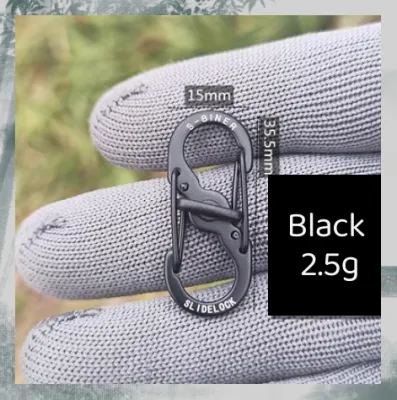
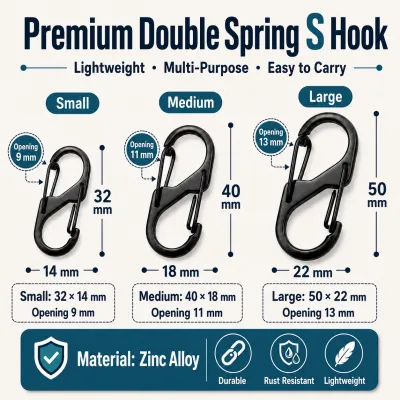
Prices are valid at publication and may change. Please refer to the product page for the latest price.
It is vital to distinguish between decorative utility clips and life-safety climbing hardware. Many general-purpose spring hooks sold in hardware stores or online marketplaces are designed solely for holding keys, securing dog leashes, or hanging light camping accessories. Using these utility clips for climbing, fall protection, or overhead rigging is an invitation to disaster, as they are never rated for dynamic human loads.
Physical Inspection Checklist for Spring-Loaded Hooks
A thorough physical inspection is your first line of defense when evaluating a spring hook. Start by examining the overall craftsmanship of the metal body. Genuine climbing gear undergoes precise machining and anodization, resulting in a smooth, uniform finish. Counterfeits often exhibit rough edges, sharp burrs along the gate seam, or uneven coloring that suggests substandard manufacturing processes.

Next, test the mechanical action of the gate and spring. Open the gate fully and let it snap shut several times. A genuine spring-loaded hook will operate smoothly, with a crisp, immediate snap and no lateral play in the hinge. If the gate feels gritty, sticks before closing completely, or requires manual assistance to shut, the internal spring mechanism is defective or made from low-grade wire that will quickly fatigue.
Carefully inspect all engravings, laser markings, and brand logos. Reputable manufacturers use high-precision laser etching or deep stamping that remains legible even after heavy use. Counterfeiters often use cheap printing or shallow, blurry etching. Look closely for spelling errors, inconsistent font sizes, or logos that appear slightly distorted compared to official product images on the manufacturer’s website.
Finally, assess the weight and physical feel of the hook. While modern climbing gear is designed to be lightweight, suspiciously light hooks often indicate the use of porous, cast aluminum rather than forged aircraft-grade aluminum. If you have access to a precise digital scale, compare the weight of your hook against the official specifications listed in the product manual; even a minor discrepancy can be a red flag.
How to Verify Safety Certifications and Brand Authenticity
Visual inspection alone is never enough to guarantee safety, as counterfeiters have become highly skilled at replicating official logos. Genuine climbing gear must comply with strict international standards, such as those set by the European Committee for Standardization (CE) and the International Climbing and Mountaineering Federation (UIAA). These marks, along with specific standard numbers like EN 12275, are typically engraved on the spine of the hook.
To verify these markings, locate the unique batch code, serial number, or manufacturing year stamped on the gear. Reputable brands maintain online databases or verification portals where you can enter these codes to confirm their authenticity. If the manufacturer does not host a public database, you can cross-reference the certification number on the official UIAA certified equipment database.
When in doubt, take high-resolution photographs of the spring hook from multiple angles, focusing on the engravings, gate hinge, and rivets. Email these photos, along with a copy of your purchase receipt, to the brand’s official customer support team. Manufacturers are highly motivated to identify counterfeits and will usually confirm whether the item is genuine or a dangerous fake.
If you cannot find a traceable batch code, if the serial number does not match the manufacturer’s records, or if the brand fails to verify the product, you must reject the gear immediately. Never assume a product is safe simply because it features a printed CE or UIAA logo.
Choosing Reliable Purchasing Channels for Safety Gear
The most effective way to avoid counterfeit spring hooks is to control where you buy them. In Singapore, always prioritize purchasing from brand-owned retail stores, authorized local distributors, or established specialty outdoor shops. These retailers source their inventory directly from manufacturers, ensuring a secure supply chain that eliminates the risk of counterfeit infiltration.
When shopping on online marketplaces or e-commerce platforms, exercise extreme caution. Be highly skeptical of listings that offer premium climbing gear at prices that seem too good to be true, such as a high-end spring hook sold for a fraction of its standard retail price. Other red flags include sellers with generic or newly created store names, a lack of detailed technical specifications, and listings that rely solely on stock photos rather than actual product images.
Understand the limitations of standard buyer protection policies on general e-commerce platforms. While these policies may offer refunds for damaged or missing items, they do not verify the structural safety of life-support equipment. A seller’s high rating on a general marketplace does not guarantee that their climbing gear is authentic, as many buyers leave positive reviews based solely on fast shipping or visual appearance without ever testing the gear under load.
Action Plan for Suspected Counterfeit Gear
If you suspect that a spring hook you have purchased is counterfeit, you must take immediate action to prevent accidents. First and foremost, retire the gear from service immediately. Do not use it for climbing, rigging, hammocks, or any application where its failure could result in injury or property damage. To ensure no one else accidentally uses it, mark the hook clearly with a permanent marker or physically destroy it by cutting the body.
Document the suspected counterfeit thoroughly. Take clear, well-lit photographs of the entire hook, focusing on the flawed markings, misaligned gate, packaging, and any accompanying paperwork. Keep a record of the purchase transaction, including the seller’s name, store URL, and order confirmation.
Initiate a formal dispute or return process through the e-commerce platform or retailer where you bought the item. Explicitly state that you are returning the product due to safety concerns and suspected counterfeit markings. Providing your photographic evidence will help expedite the refund process and alert the platform’s compliance team.
Finally, report the fraudulent listing directly to the platform’s customer support and, if possible, notify the genuine brand’s brand-protection department. By reporting these listings, you help remove dangerous products from the market and protect the wider outdoor community from life-threatening gear failures.
Frequently Asked Questions (FAQ)
Can I use a spring hook without safety certifications for light rigging?
No, uncertified spring hooks must never be used for any rigging application where failure could cause injury, property damage, or falling objects. While non-rated utility clips are perfectly fine for organizing keys, hanging lanterns, or securing lightweight camping gear to a backpack, they lack the structural engineering required for load-bearing tasks. Even for light rigging, such as securing a sunshade or tensioning a small tarp, using a certified, load-rated carabiner ensures the system can withstand unexpected wind gusts or dynamic tension without failing.
Do all genuine climbing hooks come with a physical certificate of authenticity?
No, genuine climbing hooks rarely come with a separate physical certificate of authenticity. Instead, reputable manufacturers engrave all necessary safety certifications, batch numbers, and standards directly onto the metal body of the hook. This ensures the safety information remains permanently attached to the gear throughout its lifespan. Rather than looking for paper certificates, which are easily forged by counterfeiters, you should rely on verifying the engraved batch codes on the manufacturer’s official website and purchasing from authorized retailers.

Community discussion
Share your experience or ask a question. Comments are reviewed before publication.