
To determine which weight plates will fit your existing dumbbell handles, you must match the inner hole diameter of the plate to the outer sleeve diameter of your handle. This physical compatibility is the single most critical factor in building a safe, functional adjustable dumbbell set. Mismatching these dimensions can lead to plates that either refuse to slide onto the bar or wobble dangerously during your workouts, posing a significant safety risk to your body and your home flooring.
In space-conscious home gym setups, such as those in typical high-rise apartments, adjustable dumbbells are highly favored for their compact footprint. However, because there is no single universal standard for fitness equipment manufacturing, buying new plates requires careful verification rather than guesswork. By understanding how to measure your current gear and navigate the differences between standard and Olympic sizing, you can confidently expand your weight collection without the hassle of returns or unsafe setups.
Measure Your Dumbbell Handle Sleeves
Before you begin browsing online marketplaces or visiting local sporting goods stores, you must establish the exact physical dimensions of your existing dumbbell handles. The sleeve is the specific portion of the handle where the weight plates slide and sit during use. Because even a millimeter of difference can prevent a plate from fitting, relying on visual estimates is highly discouraged.
Products mentioned in this guide
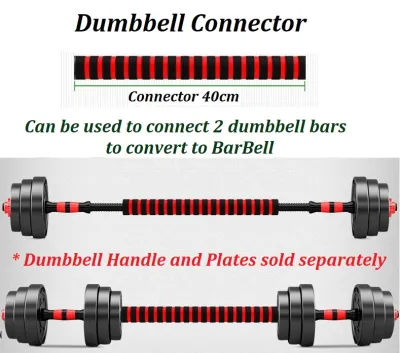
Prices are valid at publication and may change. Please refer to the product page for the latest price.
The most accurate tool for this task is a pair of digital or vernier calipers, which can measure the outer diameter of the sleeve down to the millimeter. If you do not own calipers, a standard flexible measuring tape can be used to find the circumference, which you can then convert to find the diameter. When measuring, take readings at multiple points along the sleeve to account for any manufacturing inconsistencies or wear.
Additionally, take note of your handle’s design characteristics. Is the sleeve smooth, or does it feature raised threads? Threaded handles, often referred to as spinlock handles, require plates to slide over the threads and are secured by a rotating collar. Smooth handles, on the other hand, require compression-based collars to keep the weights in place.
Finally, inspect your existing equipment for any manufacturer markings, stamps, or original packaging. Many brands print the exact specifications on the end caps of the handles or within the user manual. Locating this official documentation can save you time and confirm your physical measurements before you make a purchase.
Compare Standard and Olympic Hole Sizes
The fitness industry primarily categorizes weight plates and bars into two distinct sizing ecosystems: standard and Olympic. Understanding the differences between these two categories is essential for filtering your product searches and avoiding incompatible purchases.

Standard plates are designed with a hole diameter of approximately 1 inch, which translates to roughly 25mm to 28mm. These plates are highly popular for home gyms due to their lighter weight, compact size, and affordability. Standard handles are typically thinner and lighter, making them excellent for general fitness, high-repetition training, and smaller workout spaces.
Olympic plates, by contrast, feature a much larger hole diameter of approximately 2 inches, or 50mm. These are the industry standard for commercial gyms, powerlifting, and Olympic weightlifting. Olympic dumbbell handles are significantly heavier and thicker, designed to support much higher weight capacities and withstand intense dropping forces.
It is crucial to understand that nominal sizes can vary slightly depending on the manufacturer. A plate marketed as a “1-inch plate” might actually feature a 26.5mm hole to ensure it slides smoothly over a 25mm bar without sticking. Conversely, a budget standard bar might measure slightly over 25mm, causing tight-tolerance plates to jam. Because of these minor variations, always check the detailed product specifications for the exact millimeter measurements of both the plate hole and your handle sleeve.
Calculate Sleeve Length and Plate Capacity
Even if the hole diameter matches your handle perfectly, you must ensure that the sleeve has enough physical length to accommodate the number of plates you intend to load. The usable sleeve length is the distance from the inner collar stop—the raised barrier that prevents plates from sliding onto your hand—to the very end of the handle, minus the space required for your locking collar.
Plate thickness varies dramatically based on the materials used in construction. Cast iron plates are the thinnest option, allowing you to stack a significant amount of weight onto a relatively short dumbbell sleeve. Rubber-coated plates, polyurethane plates, and cement-filled plastic plates are much thicker due to the lower density of their materials. For example, a 5kg cement-filled plastic plate can be twice as thick as a 5kg cast iron plate, severely limiting the total weight you can fit on a single handle.
To calculate your capacity, measure your usable sleeve length and subtract the width of your locking mechanism. For instance, if your spinlock collar takes up 3cm of space, subtract 3cm from your total sleeve length. Divide the remaining length by the thickness of the plates you plan to buy to determine the maximum number of plates you can safely load on each side.
This calculation highlights the trade-off between using fewer thick plates versus multiple thinner plates. While thinner plates allow for precise, incremental weight adjustments (micro-loading), they can take up more total space if you use many small increments. Planning your plate configuration beforehand ensures you do not run out of sleeve space mid-workout.
Match the Locking Mechanism to the Sleeve
A secure locking mechanism is paramount for safety during strength training. If your weight plates are not locked tightly, they can shift during movement, altering your center of gravity and potentially sliding off the handle entirely, which can cause severe injury or damage to your surroundings.
If you have threaded dumbbell handles, you must use matching threaded star-lock collars. These collars must match not only the diameter of the bar but also the specific thread pitch. Because thread patterns are not universally standardized across all brands, it is highly recommended to use the collars that originally came with your handles, or verify the thread compatibility directly with the manufacturer before buying replacements.
For smooth dumbbell handles, you have more flexibility but must still ensure a tight fit. Common options include classic steel spring collars, lock-jaw clamp collars, and quick-release ABS plastic clamps. Ensure that the collar you choose is rated specifically for the exact outer diameter of your smooth sleeve, as a collar designed for a 28mm bar will not grip a 25mm bar securely.
Before starting any exercise, perform a quick safety check. Once the plates are loaded and the collars are tightened, gently lift the dumbbell a few centimeters off the floor and shake it slightly. If you hear excessive rattling or feel the plates shifting, do not proceed with your workout. Re-tighten the collars or adjust the plate configuration until the load is completely stable.
Step-by-Step Compatibility Check
To make the buying process as seamless as possible, follow this systematic, step-by-step compatibility check at home before finalizing your purchase.
Step 1: Clean the dumbbell sleeve. Use a clean, dry microfiber cloth to wipe down the entire length of the handle sleeve. Remove any accumulated dust, sweat, chalk, or surface rust. A clean surface ensures that your measurements are highly accurate and that new plates will slide on smoothly without catching on debris.
Step 2: Measure the sleeve diameter and usable length. Use your calipers or measuring tape to record the exact outer diameter of the sleeve. Next, measure the usable sleeve length from the inner collar stop to the outer edge, keeping in mind the space needed for your collars. Write these measurements down in both inches and millimeters.
Step 3: Compare your measurements against product specifications. When shopping on online marketplaces or at local retailers, locate the detailed specifications table for the dumbbell weight plate. Look for the “inner hole diameter” and “plate thickness” fields. Ensure the plate’s inner hole is slightly larger than your sleeve diameter (typically by 0.5mm to 1.5mm) to allow for a smooth fit without excessive play.
Step 4: Test the fit and lock security. Once your new plates arrive, test them individually before loading your full workout weight. Slide a single plate onto the handle and secure the locking collar. Verify that the plate sits flush against the collar stop, that the lock engages fully, and that there is no dangerous wobbling or sliding when the handle is tilted.
Frequently Asked Questions (FAQ)
Can I use Olympic plates on a standard 1-inch dumbbell handle?
No, you should never attempt to use Olympic plates on a standard 1-inch dumbbell handle. Because Olympic plates have a 2-inch (50mm) hole, they will sit incredibly loose on a 1-inch (25mm) sleeve. This massive gap causes the plates to tilt, slide, and wobble violently during exercises, making the dumbbell impossible to control safely.
Avoid using makeshift adapters, DIY shims, or tape to bridge the gap between a 1-inch bar and a 2-inch plate. These temporary solutions are highly unstable and prone to sudden failure under load. If you wish to use Olympic plates, you must invest in dedicated Olympic dumbbell handles designed specifically for 2-inch sleeves.
What should I do if my dumbbell handle has no markings and I lack calipers?
If you do not have calipers and your handle has no visible markings, you can use a flexible sewing tape or a strip of paper to find the sleeve’s circumference. Wrap the paper tightly around the sleeve, mark the point where it overlaps, and measure that length with a standard ruler. Divide this circumference measurement by 3.14159 (Pi) to calculate the diameter.
For a quick visual reference, you can also compare the sleeve to common household items. A standard 1-inch (25mm) sleeve is roughly the same diameter as a Singapore 1-dollar coin. An Olympic 2-inch (50mm) sleeve is much thicker, closely matching the diameter of a standard cardboard toilet paper roll core. Always double-check your calculated measurements before ordering to ensure a perfect fit.

Community discussion
Share your experience or ask a question. Comments are reviewed before publication.