
Selecting the ideal resistance bands for muscle recovery and mobility work requires shifting your focus away from maximum strength development toward controlled joint distraction and gentle muscle activation. Unlike strength training, where the goal is to overload the muscle to failure, recovery and mobility exercises require bands that allow you to move through a complete, pain-free range of motion with minimal resistance. In Singapore’s warm, humid climate, factors such as material durability, sweat resistance, and skin comfort become critical considerations when choosing the right equipment. By evaluating the band’s material, tension specifications, and physical shape, you can find a tool that safely supports your rehabilitation and flexibility routines.
Why Use Resistance Bands for Recovery and Mobility?
Banded mobility work serves a distinct physiological purpose compared to traditional static stretching or compressive self-myofascial release tools like foam rollers. Static stretching primarily targets the muscle fibers by lengthening them under passive tension, which can temporarily increase flexibility but does not address joint capsule restrictions. Foam rollers and massage balls apply direct compressive force to the soft tissue, which helps increase local blood flow and reduce muscle tone, but they cannot actively mobilize a joint. Resistance bands, however, facilitate joint distraction—a technique where the band gently pulls the joint surfaces slightly apart, creating space within the joint capsule to improve synovial fluid flow and restore natural movement mechanics.
You can identify when your body is signaling a need for banded mobility work by observing specific physical cues during daily activities or workouts. Persistent joint stiffness, such as a pinching sensation at the front of your hip during deep squats or a feeling of restriction in your shoulders when reaching overhead, often indicates a joint capsule limitation that static stretching alone cannot resolve. Similarly, localized muscle tightness that returns shortly after rolling out suggests that the surrounding joints may require active stabilization and mobilization. Banded movements allow you to perform dynamic, loaded mobility drills that retrain your nervous system to accept new ranges of motion under light, controlled tension.
Products mentioned in this guide
Prices are valid at publication and may change. Please refer to the product page for the latest price.
However, resistance bands are not a universal solution for every physical ailment, and understanding when to avoid them is crucial for preventing further injury. If you experience acute, sharp pain during or immediately after a movement, you must stop using the bands immediately. Severe inflammation, visible swelling, or joint instability are clear contraindications for banded exercises, as applying external tension to compromised structures can exacerbate tissue damage. For any undiagnosed injuries, persistent pain that does not improve with rest, or post-surgical recovery, you should consult a qualified physiotherapist or medical professional before introducing resistance bands into your routine.
Key Selection Criteria for Recovery-Focused Bands
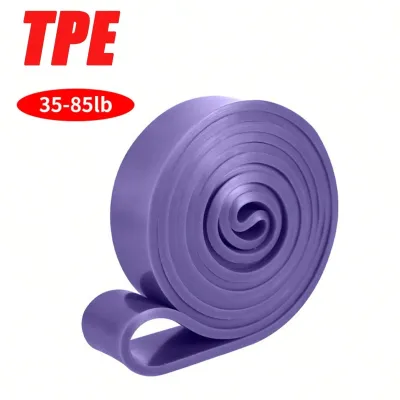
When evaluating resistance bands for recovery, the material composition and surface texture play a significant role in both safety and comfort. Natural latex is highly popular due to its excellent elasticity, smooth resistance curve, and consistent tension delivery. However, latex can trigger allergic reactions in sensitive individuals, and it can degrade rapidly when exposed to sweat, body oils, and the humid climate of Singapore. Synthetic alternatives like Thermoplastic Elastomer (TPE) offer a hypoallergenic option that resists moisture well, though they may feel slightly less elastic over time. Fabric bands, which blend elastic threads with woven polyester or cotton, provide a soft, non-slip texture that is highly comfortable against bare skin, making them excellent for lower-body work where rolling and pinching are common issues.

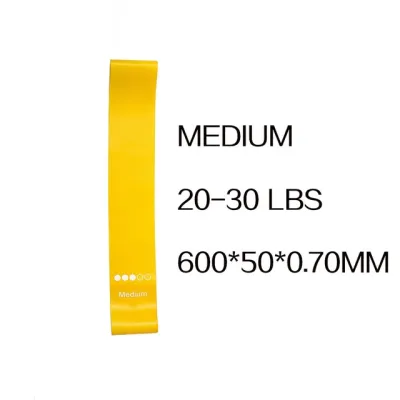
Understanding how to interpret resistance levels is another critical step in selecting a recovery-focused band. Manufacturers often use color-coding systems to represent different tension levels, but these systems are not standardized across brands. A red band from one manufacturer might offer light tension, while a red band from another could be designed for heavy strength training. Instead of relying solely on color, you should check the manufacturer’s specification sheets or product labels for explicit tension ranges, usually measured in kilograms or pounds at specific elongation percentages. For mobility and recovery work, you should prioritize low-to-medium resistance bands—typically those offering tension ranges between 2 kg and 10 kg—to ensure you can perform movements smoothly without forcing your muscles to guard or tense up.
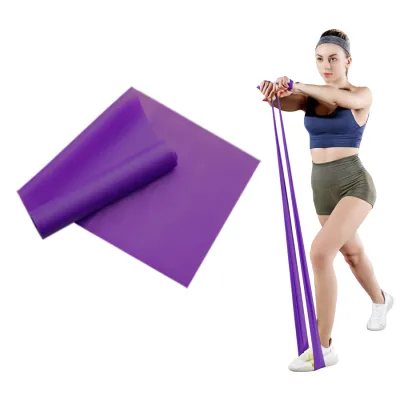
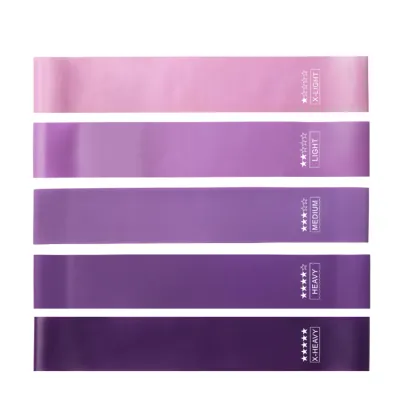
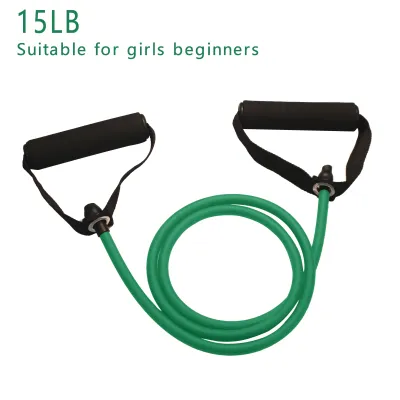
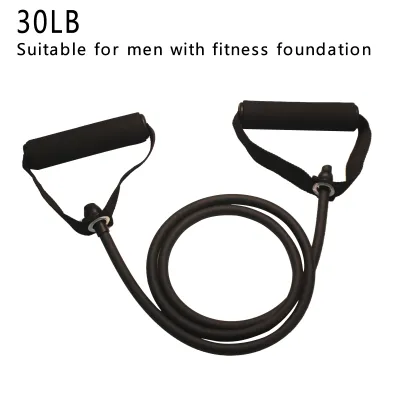
The physical form factor of the band determines how effectively you can target different joint angles and secure reliable anchor points. Continuous loop bands, also known as pull-up assistance bands or “power bands,” are highly versatile because they can be easily looped around sturdy vertical posts, door anchors, or your own feet to create various angles of pull. Tube bands with handles feature comfortable, ergonomic grips and often come with door attachments, making them ideal for upper-body exercises where wrist alignment and grip comfort are paramount. Mini-bands, which are short, wide loops, are specifically designed to be placed around the thighs, calves, or ankles to provide lateral resistance, helping to activate stabilizing muscles during lower-body rehabilitation.
Matching Band Types to Specific Mobility Goals
Lower Body and Hip Mobility
To effectively target hip flexor, glute, and ankle mobility, you need bands that can withstand significant body weight while remaining comfortable against the skin. Wide continuous loop bands are highly effective for hip distraction exercises, where you anchor one end of the band to a heavy, immovable object and loop the other end high up around your hip crease to pull the joint capsule forward or backward during a lunge. For lateral hip activation and glute medius strengthening, mini-bands are the preferred choice. When selecting mini-bands for these movements, look for options with a wider profile and finished edges, as thin bands tend to roll up into tight cords that pinch the skin, restrict local circulation, and disrupt the flow of your mobility routine.
Upper Body and Shoulder Rehabilitation
Shoulder mobility and rotator cuff rehabilitation require precise, low-tension movements that do not overload the delicate stabilizing muscles of the shoulder girdle. Tube bands equipped with ergonomic, rotating handles are highly beneficial for exercises like external rotations and face pulls, as they allow your wrists to rotate naturally, reducing strain on the forearm tendons. Alternatively, thin continuous loop bands can be used for shoulder dislocates and pull-aparts. When performing these movements, verify that the band’s tension is light enough to allow you to keep your elbows locked and your shoulders relaxed; if you find yourself shrugging your shoulders or bending your elbows to complete the movement, the band is too stiff and could compromise your joint alignment.
Full-Body Stretching and Assisted Movements
If your mobility goals include deep hamstring stretches, assisted squats, or learning to control your body weight during pull-ups, you will require longer, heavier-duty loop bands. These bands act as physical assistance tools rather than simple resistance barriers, helping to unload a portion of your body weight so you can access deeper ranges of motion safely. Before purchasing a band for assisted movements, check the length-to-height ratio to ensure it can stretch sufficiently to accommodate your height without reaching its maximum elongation limit. Additionally, always verify the structural integrity of your anchor points—such as a heavy-duty pull-up bar or a secure door frame—before suspending any portion of your body weight from the band.
Building Your Shortlist: What to Verify Before Buying
When browsing online marketplaces or visiting physical sports retailers in Singapore, you should approach your purchase with a clear checklist to ensure you receive a high-quality, durable product. Avoid listings that rely on vague descriptions like “light,” “medium,” or “heavy” without providing concrete tension ranges. Reputable manufacturers will clearly state the tension equivalent in kilograms or pounds, allowing you to make an informed decision based on your current physical capabilities. Look for bands that explicitly feature layered construction or anti-snap technology; layered latex bands are constructed by bonding multiple thin sheets of latex together, which prevents a small surface nick from instantly turning into a catastrophic snap during use.
Furthermore, pay close attention to the product’s physical dimensions and sizing charts. A band that is too short for your height will generate excessive tension too early in the movement, while a band that is too long will remain slack when you need support. Check the seller’s return policies and warranty terms, particularly regarding manufacturing defects and premature wear-and-tear. In Singapore’s humid climate, rubber and latex products can degrade faster if stored poorly prior to sale, so purchasing from responsive sellers who offer clear customer support channels is highly recommended. Reading customer feedback specifically for mentions of durability, material odor, and edge fraying can also provide valuable insights into the product’s real-world performance.
Safe Usage, Inspection, and Maintenance
To ensure your safety and prolong the lifespan of your resistance bands, establishing a consistent inspection and maintenance routine is essential. Before every single use, perform a quick visual and tactile check of the entire band. Run your fingers along the edges and surfaces to feel for micro-tears, small nicks, discoloration, or areas that feel unusually sticky or brittle. These are clear signs of material degradation, indicating that the band’s structural integrity has been compromised and that it is at risk of snapping under tension. If you detect any of these flaws, discard the band immediately rather than risking a sudden break that could cause painful impact injuries.
Proper anchoring techniques are equally critical for preventing accidents during your mobility sessions. Always anchor your bands to smooth, rounded, and completely stable structures, such as heavy gym racks or dedicated door anchors. Avoid wrapping bands around sharp metal edges, threaded bolts, or rough wooden posts, as the friction can quickly slice through the material. When using a door anchor, ensure the door closes toward you so that your body weight pulls the door shut rather than pulling it open, and always lock the door or warn others in your household to prevent anyone from opening it while the band is under tension.
Proper storage is the final key to maintaining your bands in Singapore’s tropical environment. After your workout, wipe down the bands with a damp cloth to remove sweat and body oils, which can degrade the material over time, and allow them to air dry completely in a shaded area. Store your bands in a cool, dry place away from direct sunlight, heat sources, and sharp objects. Avoid leaving them in hot cars or outdoor balconies, as UV rays and high temperatures accelerate the breakdown of latex and TPE. Finally, always listen to your body: if a movement causes sharp joint pain or if you feel a sudden loss of control, stop the exercise immediately and consult a physiotherapist to assess your movement patterns.
Frequently Asked Questions (FAQ)
Can resistance bands replace foam rolling for muscle recovery?
No, resistance bands and foam rollers serve different, complementary functions in a recovery routine. Foam rolling utilizes compressive force to target the soft tissues, helping to break up minor adhesions, increase local blood circulation, and reduce muscle tension. Resistance bands, on the other hand, focus on joint mobilization and active range of motion by applying tensile force to create space within the joint capsule. For optimal recovery, you should use both tools: start with foam rolling to relax tight muscles, and follow up with banded mobility work to restore proper joint mechanics and movement patterns.
How do I know if the resistance level is too high for mobility work?
You can identify if a resistance band is too heavy by observing your body’s physical responses during the exercise. If you find yourself holding your breath, shaking excessively, shrugging your shoulders, or compensating by shifting your posture, the tension is too high. Mobility work should feel smooth, controlled, and relatively effortless, allowing you to move through your full range of motion without pain. If you cannot maintain proper alignment or if you feel a sharp pinching sensation in the joint, you should immediately downgrade to a lighter band.
Are fabric bands better than rubber bands for recovery?
Neither material is universally superior; rather, they excel in different scenarios. Fabric bands are highly comfortable against bare skin, resist rolling or sliding, and are exceptionally durable, making them ideal for lower-body lateral movements like glute bridges and sidesteps. However, they have limited elasticity and are difficult to anchor. Rubber or TPE bands offer much greater stretch, versatility, and a wider range of tension levels, making them better suited for full-body stretching, upper-body mobility, and joint distraction exercises, though they may require you to wear clothing to prevent skin irritation.

Community discussion
Share your experience or ask a question. Comments are reviewed before publication.