
Setting or resetting a 4-digit bicycle lock is a straightforward process that ensures your bike remains secure during your rides, whether you are commuting to work or exploring the local Park Connector Network (PCN). To successfully change the combination, you must first unlock the device using its current active code, locate the specific reset mechanism, and carefully input your new sequence.
Most modern 4-digit bicycle locks rely on one of two primary design styles: a physical reset lever hidden inside the lock housing, or a rotating shackle system that requires turning the metal loop to a specific angle. Understanding which system your lock uses prevents mechanical damage and ensures a smooth transition to your new security code.
Taking a few minutes to learn this process not only protects your bicycle from opportunistic theft but also allows you to update your security code periodically. Regular updates are highly recommended if you frequently park your bike in public spaces, such as near transit hubs, HDB void decks, or community centers.
Products mentioned in this guide
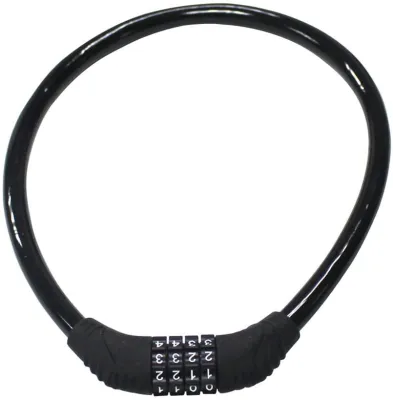
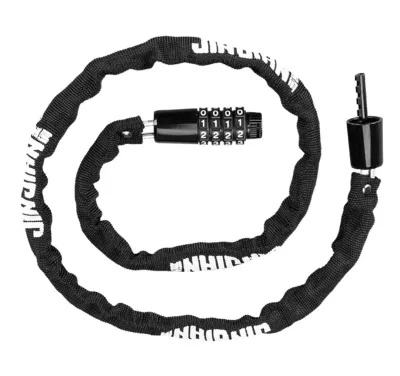
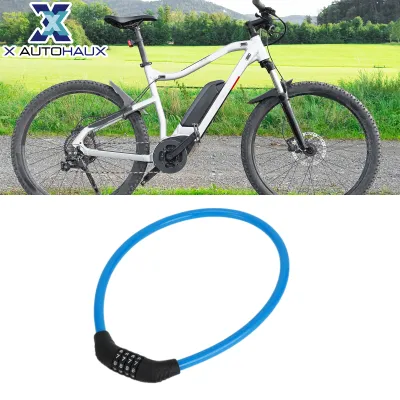
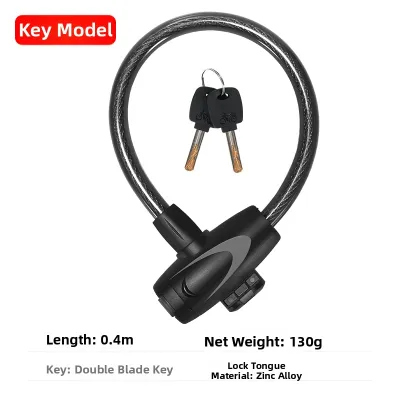
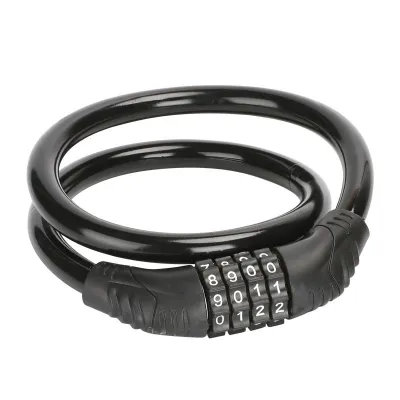
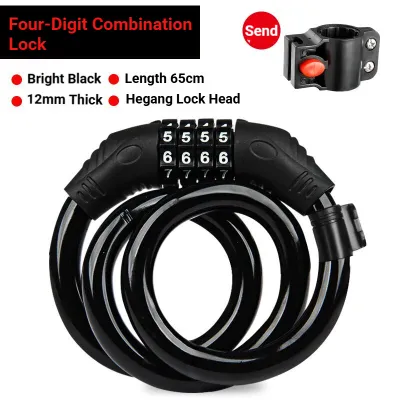
Prices are valid at publication and may change. Please refer to the product page for the latest price.
Before You Start: Identify Your Lock Mechanism
Before attempting to change any settings on your bicycle lock, you must identify the exact mechanism designed by the manufacturer. Attempting to force a reset without understanding the specific engineering of your lock can permanently damage the internal tumblers, rendering the security device unusable.
Start by locating the manufacturer’s manual or visiting their official brand website to search for your specific model. Many brands provide downloadable PDF guides or visual diagrams that outline the exact steps and highlight whether your model requires a specialized reset key or tool.
Next, inspect the physical structure of your lock to determine its reset category. Look closely at the area where the shackle meets the lock body, or peer inside the open locking port to see if there is a small dial, a sliding switch, or a recessed button.
The most critical prerequisite for any combination change is that the lock must currently be open. You must align the dials to the active combination—which is typically set to a factory default like 0-0-0-0 for brand-new locks—and pull the lock apart before any reset mechanism can be engaged.
If you are working with a used lock or have forgotten the current combination, you will not be able to initiate the reset process. The lock must be in its fully unlocked state to allow the internal gears to disengage and realign to a new numerical sequence.
How to Set or Change Your 4-Digit Combination
Changing the combination on a 4-digit bicycle lock involves shifting the internal gears so they register a new sequence of numbers. This process is highly standardized across the cycling industry, generally falling into two primary mechanical categories.

To begin, examine your lock and select the step-by-step method below that visually matches your device’s physical structure. If your lock features a flexible cable with a dial head, it likely uses an internal lever; if it is a rigid U-lock or a heavy-duty padlock style, it probably utilizes a shackle rotation system.
During this procedure, it is vital to keep the lock completely stationary on a flat surface and avoid forcing any moving parts. Forcing a dial or a lever when it is not properly aligned can bend the internal pins, which may permanently lock you out of your own device.
Method A: Using an Internal Reset Lever or Tool
Many cable locks and chain locks utilize an internal reset collar or lever located inside the locking mechanism’s housing. This design prevents accidental combination changes while the lock is in use, as the reset interface is completely inaccessible when the lock is closed.
To begin, dial your current combination to open the lock and pull the cable end out of the lock body. Look directly into the exposed opening of the lock head where the cable pin normally inserts; you should see a small rotating collar or a tiny metal lever.
Some models feature a prominent plastic or metal collar with an arrow indicating which way to turn it. Rotate this collar clockwise, typically a quarter-turn, until it clicks into the designated reset position.
If your lock uses a recessed button or a tiny lever instead of a collar, you may need a small tool, such as a ballpoint pen, a paperclip, or the specialized reset pin provided by the manufacturer. Press and hold this button down, or slide the lever into the “Reset” slot as indicated by the housing labels.
With the collar rotated or the reset button firmly held in place, turn the four dials on the outside of the lock to your new desired combination. Ensure each number aligns perfectly with the alignment marks or index line printed on the lock housing.
Once your new 4-digit code is perfectly aligned, rotate the internal collar back to its original position, or release the pressed reset button. Your new combination is now programmed into the lock’s internal tumblers, and the old code will no longer function.
Method B: Rotating the Shackle or Lock Head
Heavy-duty padlocks, U-locks, and certain rigid chain locks frequently employ a shackle rotation method to reset the combination. This mechanical design relies on the physical alignment of notches on the shackle itself to unlock the internal dial wheels.
First, enter your current active combination and pull the shackle upward to open the lock completely. Once open, rotate the shackle 90 degrees or 180 degrees from its closed position, depending on the specific instructions for your lock model.
Look closely at the base of the open shackle and the top of the lock body to locate a small notch and a matching groove. Align the notch on the shackle with the groove on the lock body at the designated rotation angle.
Press the shackle down firmly into the lock body while keeping it rotated at this angle. On many models, you will feel a spring-loaded resistance; you must maintain steady downward pressure on the shackle throughout the entire combination-setting process.
While holding the shackle depressed, turn the four combination dials to your new chosen sequence. Make sure each digit clicks cleanly into place and lines up precisely with the central guide marks on the lock casing.
After setting the new numbers, release the downward pressure on the shackle and pull it upward out of the reset groove. Rotate the shackle back to its normal operating position, ready to be inserted into the lock body to secure your bicycle.
Verify and Secure Your New Combination
Before you rely on your newly programmed lock to secure your bicycle in a public area, you must verify that the mechanism functions correctly. Skipping this verification step can lead to immediate lockouts if a digit was slightly misaligned during the reset process.
With the lock still open and unattached to your bicycle, scramble the dials to a random sequence and attempt to insert the locking pin or close the shackle. The lock should remain securely open and refuse to latch.
Next, turn the dials back to your newly set 4-digit combination and attempt to close and open the lock. Repeat this test at least three to five times, ensuring the mechanism operates smoothly without catching, sticking, or requiring excessive force.
Once you have confirmed the code works perfectly, record the new combination immediately. Store it in a secure digital password manager, save it in a protected note on your smartphone, or write it down in a safe physical location at home.
To maintain basic security, avoid selecting highly predictable combinations that can be easily guessed by opportunistic thieves. Sequences like 0-0-0-0, 1-2-3-4, or common birth years are the first combinations a thief will try if they attempt to manipulate your lock dials.
What to Do If You Forgot Your Current Code
It is a common and frustrating scenario to find yourself locked out of your bicycle because you have forgotten your combination or accidentally scrambled the dials during a reset. In these situations, it is important to understand that a combination lock cannot be reset while it is locked and the current code is unknown.
The internal security pins are physically locked in place when the mechanism is closed, preventing the reset lever or shackle from engaging the configuration mode. This is an intentional security feature designed to prevent unauthorized users from changing your code and stealing your bicycle.
If you are locked out, your first step should be a systematic search. Try common numbers you might have used, or slowly cycle through combinations close to your intended code in case a dial slipped by one digit during your last reset.
If systematic guessing fails, you will need to seek professional assistance. Contact a licensed locksmith or reach out to the lock manufacturer’s customer service department; some manufacturers can assist if you registered your key code online or can provide official proof of purchase.
Avoid attempting destructive DIY methods to force the lock open, such as using hammers, screwdrivers, or makeshift pry bars. These actions rarely succeed on high-quality locks and are highly likely to slip, causing severe damage to your bicycle’s paint and frame, or resulting in personal injury.
Maintenance Tips for Reliable Lock Performance
Bicycle locks are constantly exposed to outdoor elements, including dust, road grime, and high humidity. In tropical climates like Singapore, moisture and salt air can accelerate corrosion inside the lock head, causing the dials to become stiff or completely seized.
To prevent jamming, clean the combination dials regularly by wiping away accumulated dirt and grit with a soft brush or cloth. Periodically apply a small amount of dry lubricant, such as a Teflon-based or graphite-based lock lubricant, directly into the dial seams and the locking port.
Avoid using heavy wet oils or standard household lubricants like WD-40 for long-term maintenance, as these can attract dust and sand, eventually forming a sticky paste that clogs the delicate internal tumblers. Always wipe away any excess lubricant after application.
Proper storage and handling also play a significant role in preserving your lock’s lifespan. Avoid dropping the lock onto hard concrete surfaces, as severe impacts can misalign the internal wheels or bend the shackle, making it difficult to align the combination.
Regularly inspect your lock for visible signs of wear, such as deep rust, cracked plastic housings, or dials that feel loose and sloppy. If the numbers no longer click distinctly into place or the shackle requires forcing to insert, the lock has reached the end of its reliable service life and should be replaced to avoid a sudden mechanical failure.
Frequently Asked Questions (FAQ)
Can I reset the lock if I forgot the current code?
No, you cannot reset a 4-digit bicycle lock if you do not know the current active combination. The lock’s internal security design requires the mechanism to be fully open and aligned to the correct code before the reset lever or shackle groove can be accessed. This design feature ensures that unauthorized individuals cannot easily bypass the lock and change the combination to claim ownership of your bicycle. If you are completely locked out, you will need to contact a professional locksmith or replace the lock entirely.
Why are the dials stiff or stuck after a reset?
Stiff or stuck dials after a reset are usually caused by a slight misalignment of the internal gears during the combination-setting process. If a dial was turned while the reset mechanism was not fully engaged, the internal pins may be resting between numbers rather than in their proper slots. To resolve this, carefully realign each dial to the exact center of the index line, apply a small amount of dry lock lubricant, and gently wiggle the dials to help the internal components settle into place.
Is a 4-digit combination lock secure enough for my bike?
A 4-digit combination lock offers convenient, keyless protection that is highly suitable for low-risk scenarios, quick stops, or when riding along supervised paths like the Park Connector Network. However, standard cable-style combination locks do not provide the same level of physical resistance as heavy-duty U-locks or thick hardened steel chain locks. For high-risk environments, such as parking your bicycle overnight or leaving it unattended for long periods near major transit stations, it is highly recommended to pair your combination lock with a robust U-lock to deter determined thieves.

Community discussion
Share your experience or ask a question. Comments are reviewed before publication.