
Spotting a genuine Owala FreeSip bottle on online marketplaces requires a keen eye for physical details, seller credentials, and pricing anomalies. With the rising popularity of these leak-proof, dual-way drinking bottles, counterfeit versions have increasingly slipped into local e-commerce listings. To ensure you are purchasing an official product that is safe for daily hydration in a tropical climate, you must look beyond the attractive colorways. Performing systematic checks on the lid mechanism, logo alignment, and seller profiles before and after your purchase is the best way to protect your investment.
Understanding the Risks of Counterfeit Drinkware
When you purchase a water bottle for daily use, you rely on it to keep your beverages secure and safe. Counterfeit drinkware presents significant risks that go far beyond aesthetics or brand loyalty. Unverified manufacturers do not adhere to strict quality control standards, which can lead to material safety concerns. For instance, the plastics, silicone seals, and colorants used in fake bottles may contain unlisted chemical compounds or industrial residues. Because these products bypass official regulatory checks, there is no guarantee that the materials coming into contact with your drinking water are food-grade or free from harmful substances.
Functional reliability is another major issue with counterfeit bottles. A poorly manufactured lid can lead to persistent leaks, which can ruin your belongings during a daily commute on the MRT or wet your gym bag. The signature dual-opening spout relies on precise engineering to balance air pressure and liquid flow; counterfeit versions often suffer from broken straws, misaligned seals, or stiff push-button locks that fail after minimal use. Furthermore, the double-wall vacuum insulation in fake bottles is frequently compromised, meaning your ice-cold water will quickly warm up in humid weather.
Products mentioned in this guide
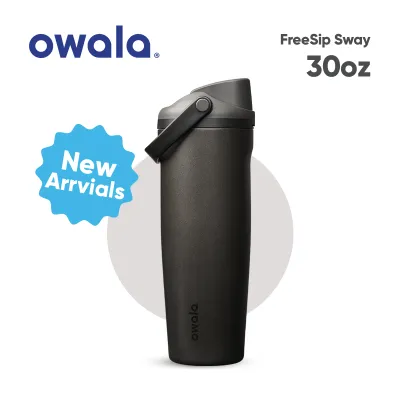
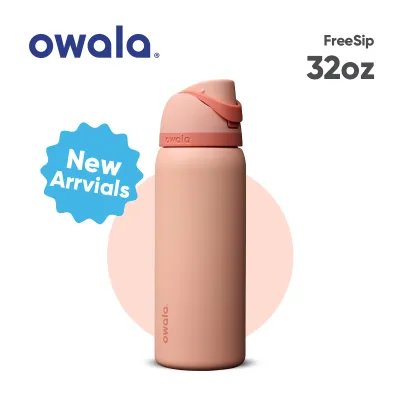
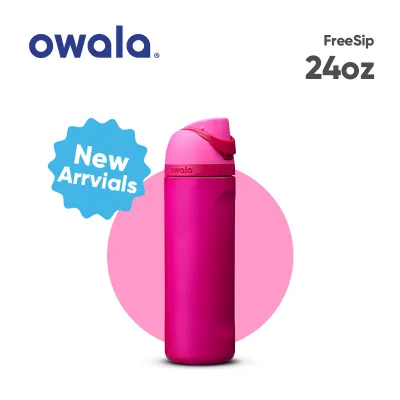
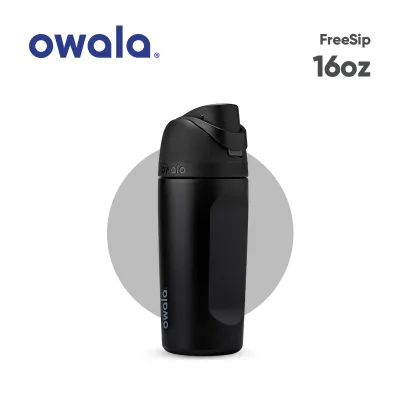
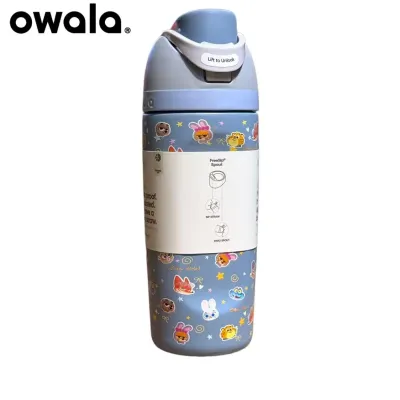
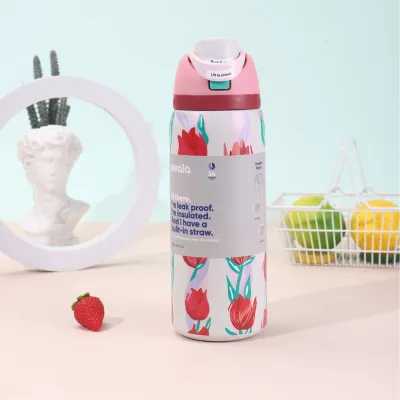
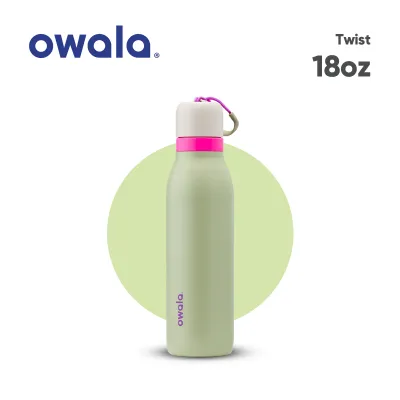
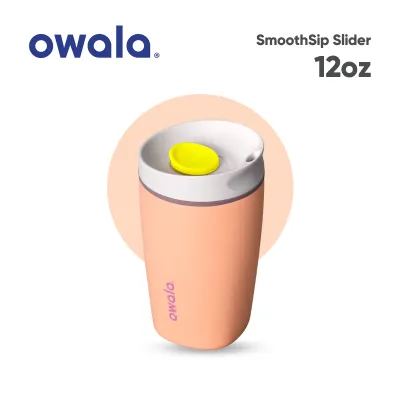
Prices are valid at publication and may change. Please refer to the product page for the latest price.
Finally, buying from unofficial or unverified sources strips you of any consumer protection. Official purchases come with manufacturer warranties and access to dedicated customer support. If a genuine bottle develops a rare manufacturing defect, you can easily seek a replacement or assistance. With a counterfeit product, you have no recourse once the platform’s initial return window closes. You are left with a non-functional item and no way to recover your hard-earned money.
Physical and Visual Checks for an Official Owala Bottle
Once your package arrives, conducting a thorough physical inspection is the most reliable way to confirm its authenticity. Genuine manufacturing processes maintain high standards of consistency that counterfeiters struggle to replicate.

Lid and Straw Mechanism
The defining feature of the FreeSip bottle is its patented lid, which allows you to either sip through a built-in straw or swig from a wide-mouth opening. Inspect this mechanism closely. On an official bottle, the push-button lock operates smoothly with a distinct, clean click. The metal carry loop should swing freely but feel sturdy, snapping securely over the button to lock it in place. Look at the silicone stopper inside the lid; it should align perfectly with the drinking spout to create an airtight seal. If the button feels loose, the plastic hinge looks fragile, or the silicone seal is misaligned and causes leaks, you are likely holding a counterfeit.
Logo and Print Quality
Examine the branding elements on the exterior of the bottle. The official logo should feature crisp, clean edges with perfect font proportions. Run your fingers over the printed letters; the application should feel smooth and integrated with the bottle’s surface, showing no signs of uneven thickness or fuzzy borders. Counterfeit bottles often feature poorly printed logos that can be easily scratched off with a fingernail or show slight spelling and spacing errors. Additionally, check the color coordination. Official releases feature specific, intentional color palettes for the lid, button, loop, and body. If the color combination looks slightly off or does not match any official product catalog, exercise caution.
Base Markings and Packaging
Flip the bottle over to inspect the bottom. Official bottles feature clear, embossed or engraved manufacturing details on the base. This typically includes the brand name, capacity indicators in both ounces and milliliters, and specific patent or manufacturing stamps. The text should be perfectly centered, legible, and cleanly finished. Counterfeit versions often have blurry, shallow, or completely missing base markings. If the bottle arrived in a box, inspect the packaging quality. Official packaging uses thick, high-quality cardboard with vibrant, sharp printing. Look closely for spelling mistakes, low-resolution images, or poorly translated product descriptions on the exterior of the box.
Material Feel and Weight
The physical weight and texture of the bottle can reveal a lot about its construction. Genuine stainless steel bottles have a solid, substantial feel without being excessively heavy. The powder-coated finish on the exterior should be uniform, providing a comfortable grip that resists slipping even when condensation forms. Check the plastic components of the lid and straw; they should feel dense and durable, with no sharp plastic flashing or rough edges left over from the molding process. If the bottle feels unusually light, has a cheap plastic odor, or features a rough, uneven exterior finish, it is highly probable that lower-grade materials were used in its production.
Evaluating Online Listings Before Purchasing
Preventing a counterfeit purchase starts before you even add an item to your digital shopping cart. By carefully analyzing online listings on local e-commerce platforms, you can spot red flags early.
Price and Discount Red Flags
While everyone loves a good bargain, extreme discounts are one of the most common indicators of a counterfeit product. Compare the listing price against the standard retail values found at authorized local department stores or the official online storefront. If a seller is offering a bottle at a fraction of the usual retail price—such as a “buy one get one free” deal or a discount exceeding fifty percent outside of major official platform sales—you should be highly suspicious. Authentic vacuum-insulated drinkware requires precise manufacturing processes that make extremely low prices economically unfeasible for genuine sellers.
Seller Credentials
Always investigate the profile of the seller before making a purchase. On major online marketplaces, look for verified badges, such as official brand store indicators or preferred seller status. Check the seller’s history, overall rating, and customer reviews. Be sure to read the negative reviews specifically; buyers who have received counterfeit items often leave detailed feedback warning others. If a seller has a very short history, a generic username consisting of random letters and numbers, or lacks a clear track record of selling sports and outdoor gear, it is safer to purchase from an established, authorized retailer.
Product Imagery and Descriptions
Analyze the images and text used in the product listing. Authentic listings typically feature high-resolution, professional photography with consistent branding. Be wary of listings that rely solely on low-quality stock photos, or those that feature watermarks from unrelated online stores. Read the product description carefully. Counterfeit listings often contain poorly translated specifications, contradictory information about materials, or vague descriptions that avoid naming the brand directly. If the listing uses generic terms like “popular dual-use sports bottle” instead of clearly stating the official brand and model names, the seller may be trying to avoid automated counterfeit detection systems.
Steps to Take If You Receive a Suspected Fake
If you have already purchased a bottle and suspect it is not genuine upon delivery, you must act quickly to protect your consumer rights and your health.
First, document all discrepancies immediately. Take clear, high-resolution photos and videos of the areas that raise concerns, such as a misaligned lid mechanism, blurry base markings, or damaged packaging. Compare these visual points directly with reference images of genuine bottles. Having clear photographic evidence is essential when presenting your case to the e-commerce platform’s customer support team.
Next, initiate a formal return or refund request through the online marketplace’s buyer protection system. It is crucial that you do this before confirming that you have received the order or allowing the platform to release the payment to the seller. Most local shopping platforms have strict policies against counterfeit goods and will hold the funds while they investigate your claim. Submit your documented evidence promptly and follow the platform’s step-by-step dispute resolution process.
Finally, do not use the suspected bottle for drinking or storing liquids. If the material safety or chemical composition of the plastic and metal is in doubt, using the bottle could expose you to unverified substances. Keep the bottle, its original packaging, and all shipping labels intact until the dispute is fully resolved, as the platform or seller may require you to return the item as part of the refund process.
Frequently Asked Questions (FAQ)
Can I verify an Owala bottle using a QR code or serial number?
Currently, the manufacturer does not provide a centralized digital authentication system, such as a scannable QR code or a serial number database, to instantly verify individual bottles. To ensure authenticity, buyers must rely on physical inspections of the bottle’s design features, purchase exclusively from authorized retail channels, and verify the credentials of online sellers before completing a transaction.
Are all Owala bottles made in the same country?
No, manufacturing locations can vary over time based on production demands and supply chain adjustments. You should check the official product labels or the manufacturer’s website for the most current manufacturing details. A bottle should not be assumed to be counterfeit solely because of its country of origin; instead, focus on the quality of the construction, the precision of the lid mechanism, and the authenticity of the seller’s sourcing.

Community discussion
Share your experience or ask a question. Comments are reviewed before publication.