
Spotting a counterfeit quick release buckle on climbing gear requires a systematic approach of verifying official packaging, inspecting physical markings, checking mechanical tolerances, and buying exclusively from authorized retailers. In high-risk sports like climbing, equipment is your lifeline, but no gear can replace formal training, sound judgment, and rigorous safety checks. Before trusting any piece of hardware, you must verify its authenticity and ensure it meets strict international safety standards.
The Safety Risks of Fake Load-Bearing Buckles
Climbing gear operates in a zero-tolerance environment where equipment failure can lead to catastrophic consequences. When evaluating a quick release buckle, you must first differentiate between life-support applications and non-load-bearing uses. Life-support applications include harnesses, anchor systems, and heavy haul bags where the buckle directly supports a climber’s weight or arrests a fall. Non-load-bearing uses include chalk bags, gear slings, or apparel accessories where a failure is merely inconvenient rather than life-threatening.
Counterfeit load-bearing gear is highly dangerous because it bypasses certified laboratory testing and quality control protocols. Genuine climbing hardware must comply with rigorous international standards, such as those established by the European Committee for Standardization (CEN) or the International Climbing and Mountaineering Federation (UIAA). Counterfeit manufacturers use cheap materials and unverified designs that can fail under minimal stress, posing severe risks of serious injury or fatality during a fall.
Products mentioned in this guide
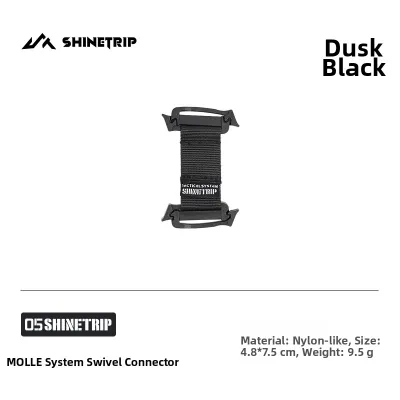
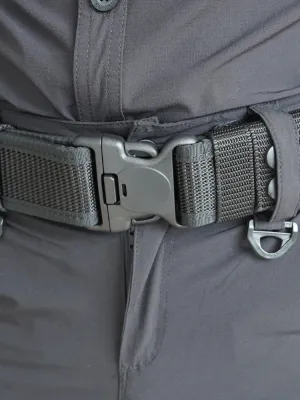
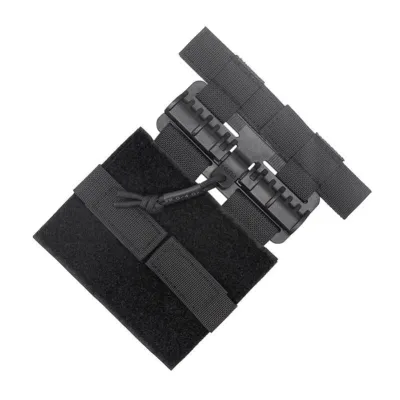
Prices are valid at publication and may change. Please refer to the product page for the latest price.
While visual and tactile inspections are essential first steps to identify suspicious gear, they cannot replace certified laboratory load testing. A counterfeit buckle might look identical to an authentic one, but it may have hidden internal voids, weak alloys, or improper heat treatment. Therefore, physical inspection is a tool for identifying obvious fakes and ruling out compromised gear, but it cannot guarantee the absolute structural integrity of a suspicious buckle.
Visual and Tactile Inspections: What to Look For
Before testing the mechanical function of a quick release buckle, a thorough physical examination of the product and its packaging can reveal critical manufacturing flaws. Authentic manufacturers maintain exceptionally high standards for their packaging and presentation, which counterfeiters rarely replicate perfectly.

Packaging, Labels, and Documentation
Genuine climbing equipment is packaged with professional-grade materials, featuring high-quality printing, correct brand fonts, and accurate color schemes. Authentic products always include comprehensive user manuals, safety warnings, and multi-language instruction booklets that detail proper usage, maintenance, and retirement criteria. Missing safety documentation, poorly translated text, spelling errors, or flimsy, unbranded packaging are strong indicators of counterfeit goods.
Additionally, check the packaging for necessary compliance marks, such as the CE logo followed by a four-digit identification number of the notified body, and the UIAA safety label. Verify that the manufacturer’s physical address, website, and contact information are clearly printed and match official records. Counterfeiters often omit these details or print generic, non-existent contact information to avoid legal tracking.
Markings, Engravings, and Logos
Inspect the physical surface of the quick release buckle for branding and safety markings. Genuine manufacturers use precise laser engraving, deep chemical etching, or high-relief molding to apply logos, load ratings (typically in kilonewtons), and certification standards. These markings are designed to remain legible even after years of heavy use in harsh outdoor environments.
Counterfeit buckles often feature superficial paint, silk-screened logos, or cheap stickers that can be easily scratched off or smudged. Carefully compare the placement, depth, and font of the markings against high-resolution photos on the manufacturer’s official website. Many premium climbing brands also engrave unique batch numbers, date codes, or individual serial numbers on their load-bearing hardware to facilitate tracking and quality control.
Material Finish and Machining Quality
The physical construction and material quality of the buckle provide immediate tactile clues. For metal quick release buckles, which are typically made from high-grade aluminum alloys or stainless steel, inspect the edges for roughness, sharp burrs, uneven anodizing, or mismatched colors across different components. Genuine climbing hardware undergoes precise CNC machining or high-quality forging, followed by rigorous deburring and anodization processes, resulting in a smooth, uniform surface.
Counterfeiters often use cheap casting methods rather than precision milling, leaving visible pitting, bubbles, or structural imperfections in the metal. For polymer buckles used in secondary, non-load-bearing applications, look closely for prominent mold lines, excess plastic (known as flash), or a brittle, overly glossy texture. Genuine polymer buckles are typically made from high-density, impact-resistant materials that have a matte, textured finish and a solid, premium feel.
Mechanical and Structural Red Flags
A quick release buckle relies on precise mechanical tolerances to function safely under tension. Evaluating the physical movement and structural feel of the mechanism can help you identify manufacturing flaws that compromise safety without requiring destructive testing.
When operating a genuine quick release buckle, the mechanism should move smoothly and engage with a distinct, solid click. The release prongs should require deliberate, simultaneous pressure to disengage, preventing accidental release if one side is bumped. Check for consistent spring tension when pressing the release tabs; if the springs feel mushy, weak, or uneven, the internal components may be poorly aligned or made from substandard materials.
Sloppy tolerances are a major red flag. If the male and female ends of the buckle exhibit excessive wobble, play, or misalignment when locked together, the structural integrity of the connection is compromised. Additionally, pay attention to the weight and sound of the hardware. Counterfeit buckles often feel unusually light for their size because they are made from cast zinc alloys or low-grade aluminum rather than forged aerospace-grade alloys. Tapping a genuine metal buckle against a hard surface typically produces a clear, high-pitched metallic ring, whereas a counterfeit made of inferior cast metals may produce a dull, hollow thud.
Never attempt to perform DIY drop tests, shock loads, or static load tests at home to verify a buckle’s strength. Home testing setups lack the calibrated instrumentation required to measure forces accurately and can introduce micro-fractures, stress cracks, or invisible structural damage to the gear. If a suspicious buckle survives a DIY test, it may still fail catastrophically the next time it is subjected to a real-world fall.
Safe Purchasing Channels and Official Verification
The most effective way to avoid counterfeit climbing gear is to control where and how you buy it. In Singapore’s active climbing scene, where indoor gyms and outdoor excursions are highly popular, sourcing gear from reputable channels is paramount.
Always purchase climbing hardware exclusively from authorized dealers, brand-owned physical retail stores, or official online flagship stores. Reputable local climbing gyms and dedicated outdoor outfitters in Singapore maintain direct supply chains with manufacturers or official distributors, ensuring the authenticity of every harness, carabiner, and buckle they sell.
Be highly skeptical of heavily discounted gear found on unauthorized third-party online marketplaces or generic ecommerce platforms. On these platforms, supply chains are often opaque, and third-party sellers can easily list counterfeit products alongside genuine items, sometimes mixing stock in shared warehouses. If a deal seems too good to be true—such as a premium harness or quick release buckle priced at a fraction of its standard retail value—it is highly likely to be a counterfeit or a recalled product.
To verify a seller’s legitimacy, visit the official website of the climbing brand you wish to purchase. Most reputable brands maintain an “Authorized Retailer” or “Where to Buy” locator tool where you can search for certified physical and online stores. Furthermore, many modern climbing manufacturers have implemented advanced anti-counterfeiting measures. Look for official verification apps, scan-to-verify QR codes on the packaging, or unique serial number search fields on the manufacturer’s website. By entering the engraved batch number or serial code directly into these official customer support portals, you can quickly confirm whether the item matches a genuine production batch.
What to Do If You Suspect a Counterfeit
If you identify any red flags or have reason to believe your quick release buckle is a counterfeit, you must take immediate action to protect yourself and the wider climbing community.
First and most importantly, immediately stop using the suspected buckle and any gear attached to it. Do not use it for load-bearing applications, life-support systems, or even secondary gear organization where a failure could cause a distraction or secondary hazard. Isolate and quarantine the gear so that no one else can accidentally use it. Clearly label it as “DO NOT USE” or “SUSPECTED COUNTERFEIT” to prevent accidental mix-ups in your gear bag or gym locker.
Contact the seller immediately to request a full refund, and report the suspicious listing directly to the e-commerce platform’s customer support or fraud department to prevent other climbers from purchasing the same dangerous item. Finally, reach out to the official brand’s customer support team. Provide them with clear, high-resolution photos of the buckle, its markings, the packaging, and details of where you purchased it. This helps manufacturers track down counterfeit distribution networks and protect the global climbing community from unsafe equipment.
Frequently Asked Questions (FAQ)
Can I use a counterfeit quick release buckle for non-load-bearing gear like a chalk bag?
While the immediate life-safety risk is lower when using a buckle for non-load-bearing items like chalk bags, gear slings, or apparel, it is still not recommended. Counterfeit buckles are often made from inferior plastics or low-grade metals that degrade rapidly under UV exposure, humidity, or temperature fluctuations. They can fail unexpectedly, causing you to lose gear or drop your chalk bag mid-climb. Additionally, uncertified plastics may contain harmful chemicals or heavy metals that do not comply with consumer safety regulations. Replacing suspicious buckles with inexpensive, certified utility buckles is the best choice for long-term reliability.
Do all genuine climbing buckles have a serial number?
No, serial number practices vary significantly across different manufacturers, product lines, and manufacturing dates. While some premium brands engrave an individual, unique serial number on every load-bearing buckle, other reputable manufacturers rely on batch codes, date wheels, or specific molded markings to track production runs. A lack of an individual serial number does not automatically mean a buckle is counterfeit, just as the presence of a fake serial number does not guarantee authenticity. Always consult the specific brand’s official authentication guidelines or contact their customer support to understand what markings should be present on your exact model.
Is it safe to buy used quick release buckles for climbing?
Buying used life-support climbing gear, including harnesses with quick release buckles, carries extreme risks and is strongly discouraged. Even if the buckle is authentic, it is impossible to verify the gear’s complete history, including exposure to high-factor falls, chemical spills, extreme heat, or prolonged UV radiation. These factors can cause micro-fractures in metal or weaken polymer fibers without leaving visible signs of damage. For critical life-safety applications, always invest in new, certified gear sourced from authorized retailers to guarantee its structural integrity and history.

Community discussion
Share your experience or ask a question. Comments are reviewed before publication.