
Climbing is an activity where equipment functions as a direct life-support system. When relying on gear like carabiners, harnesses, and active protection, authenticity is not a matter of brand loyalty—it is a fundamental safety requirement. Spotting counterfeit Black Diamond climbing gear requires a systematic approach combining close physical inspection, serial number verification, and strict purchasing discipline. Because modern counterfeiters have become highly adept at replicating visual designs, climbers must look beyond surface aesthetics to verify the structural integrity and origin of their equipment before trusting it on the rock.
Equipment cannot replace proper training, experience, and sound judgment. Even the highest-quality gear will not protect a climber from the risks of incorrect rigging, poor anchor building, or environmental hazards. However, using counterfeit gear introduces an unpredictable point of failure that no amount of skill or caution can overcome. Understanding how to verify your equipment is a vital safety skill that every climber must master.
The Safety Risks of Using Counterfeit Climbing Equipment
Climbing gear must withstand extreme dynamic forces during a fall, requiring precise engineering and rigorous quality control. Counterfeit equipment bypasses these critical manufacturing standards entirely. Legitimate climbing manufacturers subject every production batch to destructive pull testing, alloy analysis, and strict quality assurance protocols to ensure they meet rated load capacities. Fake gear, by contrast, is typically produced in unregulated facilities using cheap, unverified materials that lack the structural integrity required for life-support applications.
Products mentioned in this guide
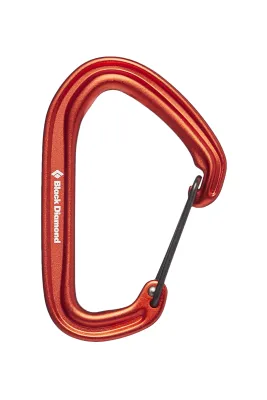
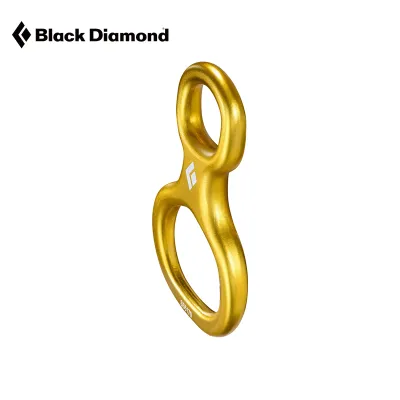
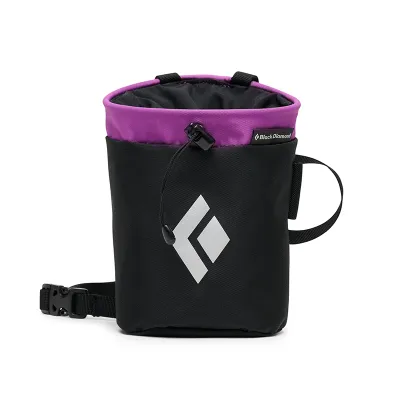
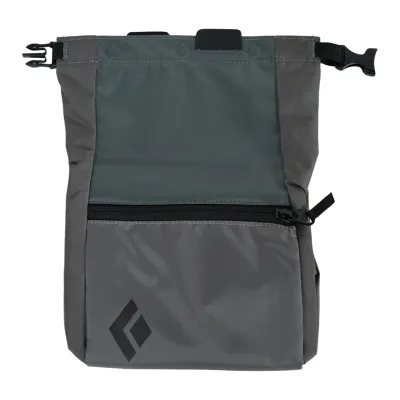
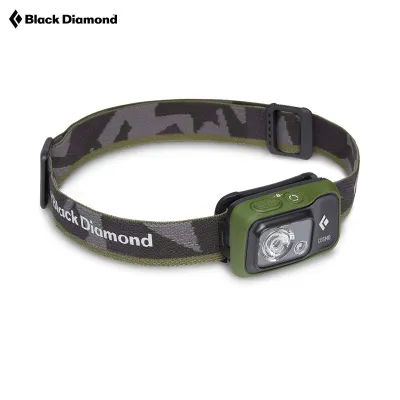
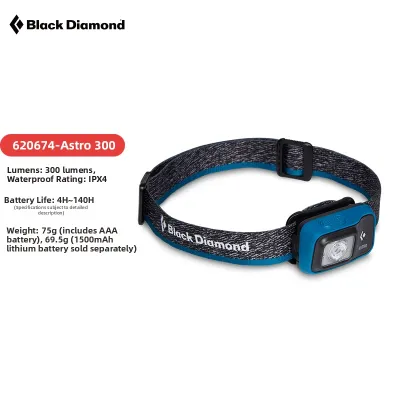
Prices are valid at publication and may change. Please refer to the product page for the latest price.
The physical dangers of using unverified equipment are severe and often invisible to the naked eye. Metal hardware may contain hidden micro-fractures, air bubbles, or substandard alloys that fail catastrophically under normal climbing loads. Textile components, such as harnesses and slings, often utilize low-grade synthetic fibers that suffer from rapid UV degradation, poor abrasion resistance, or weak stitching patterns.
Furthermore, while counterfeit items frequently feature forged CE (Conformité Européenne) or UIAA (International Climbing and Mountaineering Federation) safety stamps, these markings are completely fraudulent. They do not represent any legitimate safety testing, leaving the climber with zero assurance of the gear’s actual breaking strength. Using such equipment on a climb introduces an unacceptable and avoidable hazard.
Visual and Physical Checks to Identify Fake Black Diamond Gear
While visual inspections cannot guarantee authenticity on their own, they serve as an essential first line of defense when evaluating new or unfamiliar gear. Climbers should systematically examine every component, starting with the soft goods and moving to the metal hardware.

Stitching and Webbing
When inspecting harnesses, slings, or quickdraw runners, pay close attention to the structural bar-tack stitching. Genuine Black Diamond soft goods feature highly precise, dense, and uniform stitch patterns with clean thread terminations. Counterfeit items often exhibit uneven spacing, loose or frayed thread loops, and inconsistent stitch density. The webbing material itself is another key indicator; authentic webbing is engineered for a specific balance of flexibility and durability, whereas fake webbing may feel excessively stiff, unusually thin, or show uneven dye saturation and color bleeding.
Hardware and Finishing
Metal components like carabiners, belay devices, and camming units require meticulous machining. Inspect the metal surfaces for rough edges, sharp burrs, or casting lines, which are common indicators of cheap manufacturing processes. Authentic hardware features smooth, consistent anodizing and precise laser etching for logos and ratings. If the laser etching appears blurry, shallow, or easily scratches off with a fingernail, the item is highly suspect. Additionally, compare the physical weight of the item against the manufacturer’s official specifications using a digital scale; significant deviations in weight often point to the use of inferior, less dense metal alloys.
Logos and Labels
Examine all branding, packaging, and instruction manuals carefully. Counterfeiters frequently make minor errors in typography, using incorrect fonts, misaligned letters, or even misspelled words on the product labels or user guides. Packaging materials should be robust and feature high-resolution printing. Peeling stickers, blurry graphics, or low-quality cardboard boxes are immediate red flags that warrant further investigation.
Limitations of Visual Checks
It is critical to understand that high-quality counterfeits can occasionally replicate the external appearance of genuine gear with remarkable accuracy. A carabiner may look perfectly anodized and feature clean laser markings while still harboring dangerous internal structural flaws. Therefore, visual and physical checks must be treated as preliminary screening tools rather than definitive proof of safety.
Verifying Authenticity Through Official Channels
To move beyond visual guesswork, climbers must utilize official verification channels provided by the manufacturer. This process involves cross-referencing the unique identifiers stamped onto every piece of legitimate climbing equipment.
Every authentic climbing product is marked with a specific batch number, serial number, or manufacturing date code. These codes are typically laser-etched onto metal hardware or printed on durable tags sewn into soft goods. Climbers should locate these numbers and verify their format against the brand’s official guidelines. A genuine serial number allows the manufacturer to trace the exact production date, facility, and material batch used during fabrication. If a product lacks a serial number entirely, or if the number does not match the standard format for that specific product line, it should be retired immediately.
Some product categories may also feature advanced authentication measures, such as holographic security stickers or scannable QR codes linked to official product registration pages. When purchasing high-value items, always check for these features and verify them using a smartphone or secure web browser.
If any doubt remains after checking the serial numbers, the safest course of action is to contact customer support or an authorized local distributor directly. By providing clear, high-resolution photographs of the product, its markings, and the packaging, climbers can obtain professional verification. Authorized distributors maintain direct lines of communication with the manufacturer’s quality assurance teams and can quickly confirm whether a specific batch code is legitimate.
Choosing Safe Purchasing Channels Over High-Risk Sources
The most effective way to avoid the hazards of counterfeit climbing gear is to control where you buy it. Because life-support equipment requires an unbroken chain of custody from the factory to the consumer, purchasing from unverified sources introduces unacceptable risks.
Authorized Channels
Climbers should always prioritize purchasing directly from official brand websites, physical outdoor specialty retailers, or verified brand stores hosted on reputable retail platforms. These authorized sellers source their inventory directly from the manufacturer or official distributors, ensuring that every item is genuine, properly stored, and untampered with.
High-Risk Sources
Conversely, unauthorized third-party online marketplaces, social media classifieds, and obscure discount websites represent high-risk environments. These platforms often host independent sellers who operate with minimal oversight, making them primary channels for the distribution of counterfeit goods. Even if a listing uses official product photos, the item shipped to your door may be a dangerous imitation.
Price Red Flags
Pricing is another critical indicator of authenticity. While legitimate retailers occasionally run seasonal promotions, genuine life-support climbing equipment rarely undergoes extreme discounting. If a harness or a set of camming devices is listed at a price significantly below the typical S$ retail range—such as a premium carabiner offered for S$5 instead of its standard S$20 to S$30 retail price—it should be treated as a major warning sign. Saving money on climbing gear is never worth compromising your safety on the wall.
Steps to Take If You Suspect Your Gear Is Fake
If you suspect that a piece of climbing equipment in your possession is counterfeit, you must take immediate action to protect yourself and the wider climbing community.
Immediate Cessation
First and foremost, stop using the gear immediately. Do not attempt to “test” the equipment yourself by hanging from it, applying body weight, or subjecting it to backyard load tests. A counterfeit carabiner or sling might hold static body weight but fail catastrophically under the dynamic force of a real fall. Mark the item clearly as “unsafe” to ensure no one else accidentally uses it.
Isolation and Documentation
Quarantine the suspected item in a secure location away from your active climbing gear. Take clear, well-lit photographs of the entire product, focusing on the areas of concern, such as irregular stitching, suspicious markings, or packaging defects. Gather all documentation associated with the purchase, including order confirmation emails, digital receipts, shipping labels, and any communication with the seller.
Resolution and Reporting
Contact the purchasing platform immediately to initiate a dispute and request a full refund, citing safety concerns regarding counterfeit life-support equipment. Most reputable e-commerce platforms have strict policies against counterfeit sales and will penalize sellers who violate these rules. Finally, report the incident directly to the brand’s anti-counterfeiting or customer service team. Providing them with the seller’s details, purchase location, and product photographs helps them track down illicit manufacturing operations and protect other climbers from purchasing dangerous gear.
Frequently Asked Questions (FAQ)
Can I rely solely on the CE or UIAA stamp to verify authenticity?
No, you cannot rely solely on these stamps. Counterfeiters routinely forge CE and UIAA logos on fake climbing gear to make their products appear legitimate and safe. Because these markings are easily copied during the casting or etching process, they must always be cross-referenced with official manufacturer batch codes, physical quality checks, and verified purchasing channels rather than trusted at face value.
Is it safe to use suspected counterfeit gear for non-life-support activities?
No, it is highly unsafe to repurpose suspected counterfeit climbing gear for any load-bearing or safety-adjacent tasks. This includes activities like hauling heavy gear bags, rigging shade sails, or securing equipment on vehicle racks. Because the material composition and internal structural integrity of counterfeit gear are completely unknown, the item can fail unpredictably under minimal tension, potentially causing property damage or physical injury to anyone nearby.

Community discussion
Share your experience or ask a question. Comments are reviewed before publication.