
Verifying the authenticity of Mammut climbing gear requires a systematic inspection of physical construction, verification of official certification markings, and careful evaluation of the purchasing channel. Because climbing equipment serves as life-support gear, even minor structural defects can have catastrophic consequences. Climbers must look beyond surface aesthetics to examine load-bearing stitching, hardware engravings, and serial numbers, while strictly sourcing gear from authorized distributors.
The rise of sophisticated counterfeits in the outdoor industry makes vigilance essential. Visual replication has become highly advanced, allowing counterfeiters to mimic colors, logos, and designs with surprising accuracy. However, these cosmetic similarities do not translate to structural integrity. Safety on the rock, ice, or indoor gym depends entirely on using certified, authentic equipment that has undergone rigorous quality control.
Why Counterfeit Climbing Gear Poses Severe Safety Risks
Authentic climbing gear undergoes extensive testing to meet international safety standards, such as those set by the UIAA (International Climbing and Mountaineering Federation) and CE (Conformité Européenne). These tests evaluate tensile strength, impact force absorption, edge resistance, and material degradation over time. Manufacturers invest heavily in quality assurance to ensure every harness, rope, and carabiner can withstand forces far exceeding typical fall loads.
Products mentioned in this guide
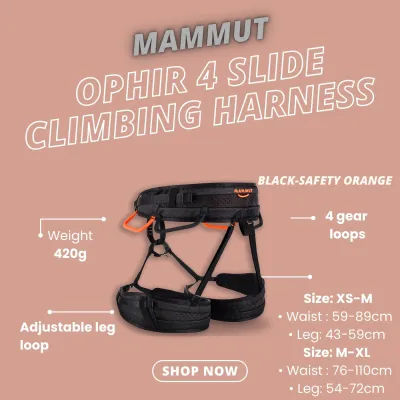
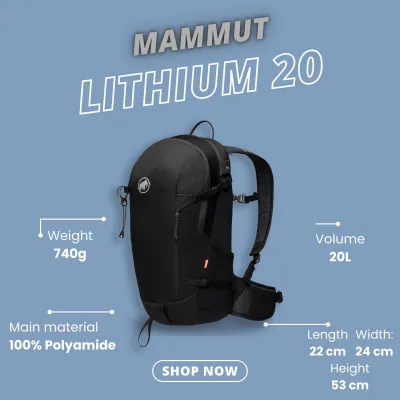
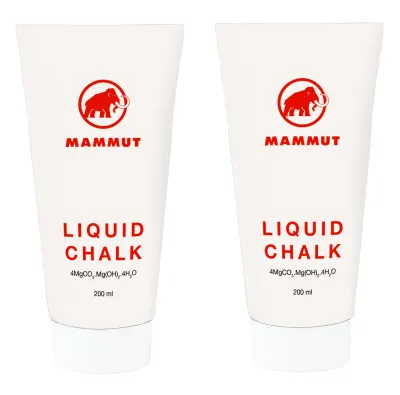
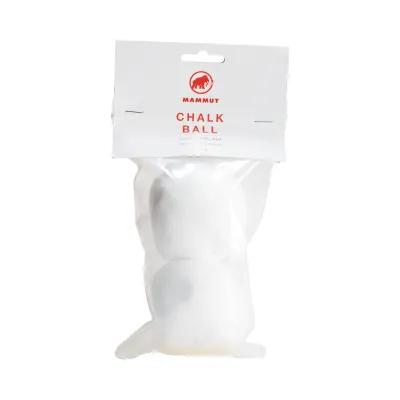
Prices are valid at publication and may change. Please refer to the product page for the latest price.
In contrast, counterfeit manufacturers operate without regulatory oversight or quality control protocols. They often use cheap, unrated materials that mimic the appearance of high-strength nylon or aerospace-grade aluminum but lack the necessary molecular integrity. A counterfeit harness might look identical to an authentic model, but its load-bearing webbing or tie-in points can fail under standard bodyweight or low-impact forces.
It is vital to remember that authentic, certified equipment is merely a baseline requirement for vertical activities. No piece of gear, regardless of its authenticity, can substitute for proper climbing training, sound risk assessment, and experienced personal judgment. However, using unverified gear introduces an unpredictable, uncontrollable point of failure into an already high-risk environment.
Key Visual and Tactile Indicators of Authentic Mammut Equipment
Stitching and Construction: Inspect load-bearing seams, bar-tacks, and webbing attachments. Authentic Mammut gear features highly precise, automated stitching patterns with uniform thread tension and a complete absence of loose threads or fraying. On harnesses and slings, the bar-tack stitching is dense and perfectly aligned to distribute loads evenly. Counterfeits often display uneven stitch spacing, loose loops, or hand-stitched corrections that compromise strength.

Hardware and Components: Examine metal components like carabiners, belay devices, and buckles. Authentic hardware features clean, crisp laser engravings or stamped markings indicating the brand name, strength ratings, and batch codes. The metal surfaces should be smooth, free of sharp edges, burrs, or uneven anodization. Zippers on apparel and packs should be premium components that glide smoothly without catching, featuring molded pull tabs with precise branding. Counterfeits frequently utilize lightweight, brittle alloys, show rough casting lines, or have stiff, unbranded zippers.
Labels and Tags: Turn the product inside out to inspect the internal care labels and size tags. Authentic Mammut products carry detailed labels with clear typography, accurate material compositions, and multiple language translations. Look for specific security features, such as holographic threads or unique batch codes printed on small, hidden tags inside pockets or harness slots. Counterfeit tags often contain spelling errors, blurred printing, incorrect font weights, or inconsistent formatting.
Material Quality: Feel the fabrics and webbing. Authentic Mammut gear utilizes specialized, high-performance textiles designed for abrasion resistance, weatherproofing, or breathability. The hand-feel should match the technical specifications, such as dense, stiff webbing on harnesses or supple, tightly woven sheaths on climbing ropes. Compare the color consistency and logo applications against high-resolution images on the official website. Cheap heat-transfer logos that peel easily or embroidery with connecting threads between letters are common indicators of a counterfeit.
How to Verify Mammut Gear Through Official Channels
To confirm the legitimacy of your equipment, begin by locating the unique product identifiers. Authentic Mammut climbing gear, particularly life-safety hardware and harnesses, features individual serial numbers, batch codes, or manufacture dates stamped or printed directly on the product. These identifiers are typically found on the internal labels of harnesses, the spines of carabiners, or the end-markings of ropes.
Once you have recorded these numbers, cross-reference them with official resources. You can consult the official Mammut website to verify if the product design, colorways, and features match current or historical product lines. Keep in mind that counterfeiters can easily copy valid serial numbers from authentic items and print them on multiple fake units, meaning a matching serial number alone does not guarantee authenticity.
Because visual and serial checks have limitations, the most reliable verification method is contacting the brand’s regional customer service team directly. Provide them with clear, high-resolution photographs of the product, focusing on the stitching, hardware engravings, care labels, and any printed serial numbers. The brand’s specialists can cross-reference these details with manufacturing databases to confirm whether the item is a genuine product.
Evaluating Purchase Channels: Authorized Retailers vs. Online Marketplaces
The most effective way to avoid counterfeit climbing gear is to control where you buy it. Prioritize purchasing directly from the official Mammut website, brand-owned physical stores, or verified authorized specialty outdoor retailers. In Singapore, sourcing your equipment from established local climbing gyms or recognized outdoor specialty shops ensures a secure supply chain.
General online marketplaces and third-party seller platforms present a higher risk of counterfeit distribution. Watch for critical red flags, such as prices significantly below standard market value (e.g., a harness priced at S$40 instead of S$180). Other warning signs include the exclusive use of stock photos, vague product descriptions, and sellers with short operating histories or poor feedback ratings.
Buying used climbing gear on peer-to-peer marketplaces introduces extreme safety risks. Beyond the high probability of counterfeits, used gear carries an unknown history. You cannot verify if a rope or harness has experienced a severe fall, been exposed to damaging ultraviolet radiation, or come into contact with corrosive chemicals. These factors can critically weaken the gear without leaving visible signs of damage.
If you must buy on a secondary market, require the seller to provide the original purchase receipt from an authorized retailer, clear close-up photos of all safety tags, and a transparent return policy. If the seller is hesitant or pressures you to complete the sale quickly, walk away immediately.
What to Do If You Suspect Your Gear Is Counterfeit
If you suspect that a piece of climbing gear is counterfeit, you must immediately stop using it. Do not use the item for climbing, mountaineering, rigging, or any other load-bearing activity. Even if the gear appears sturdy, its structural integrity is unverified, and using it poses an unacceptable risk to your safety.
Contact the seller immediately to request a refund. Document all communications, take screenshots of the listing, and keep the packaging and tags intact as evidence. Many platforms offer buyer protection programs that cover counterfeit goods, provided you report the issue within their specified dispute window.
If the seller refuses to cooperate, escalate the dispute to the platform’s customer support or local consumer protection authorities. Additionally, report the counterfeit listing and seller details to Mammut’s customer service or anti-counterfeiting department to help protect other climbers.
Frequently Asked Questions (FAQ)
Can I safely use counterfeit Mammut gear for casual hiking instead of climbing?
No, using counterfeit gear for casual hiking is discouraged. While hiking does not typically subject gear to life-support loads, counterfeit apparel and footwear often utilize substandard, non-breathable, or chemically untreated materials. Waterproofing and insulation claims on fake jackets are highly unreliable, which can lead to rapid heat loss or saturation in sudden downpours. Furthermore, counterfeit footwear may lack proper grip and support, increasing the risk of slips and falls on uneven terrain. It is always safer to return the item rather than risking your safety outdoors.
Does a high price on an e-commerce platform guarantee the Mammut gear is authentic?
No, a high price is not a guarantee of authenticity. Sophisticated counterfeiters frequently list fake items at or near the standard retail price to mimic legitimate sellers and avoid raising suspicions. They understand that consumers associate low prices with fakes, so they manipulate pricing to create a false sense of security. To ensure authenticity, combine price evaluation with seller verification, physical inspection of construction details, and confirmation of the seller’s status as an authorized dealer.

Community discussion
Share your experience or ask a question. Comments are reviewed before publication.