
Verifying the authenticity of a BlenderBottle requires a systematic approach that combines physical inspection with careful channel verification. Because counterfeiters have become increasingly sophisticated, relying on a single visual cue—such as a logo or a specific color—is no longer sufficient to guarantee you have a genuine product. To ensure your shaker bottle is safe, durable, and fully functional, you must examine the molded markings on the base, inspect the quality of the mixing whisk, and purchase exclusively from authorized retail channels.
Taking the time to verify your bottle before use is essential for your health and peace of mind. A genuine shaker is designed to withstand rigorous daily use, frequent washing, and exposure to various temperatures without degrading. By learning how to spot the subtle differences between an official product and a cheap imitation, you can protect yourself from the functional failures and material hazards associated with counterfeit fitness gear.
Why Counterfeit Shaker Bottles Are a Concern
Using a counterfeit shaker bottle introduces several practical and safety risks that can compromise your daily nutrition routine. The primary concern with imitation bottles is the lack of verified material safety. Genuine manufacturers adhere to strict regulatory standards, ensuring their plastics are food-grade and completely free from harmful chemicals like BPA and phthalates. Counterfeit products, however, are typically manufactured in unregulated facilities using low-grade plastics that may leach chemicals into your drinks, especially when exposed to warm water or acidic ingredients.
Products mentioned in this guide
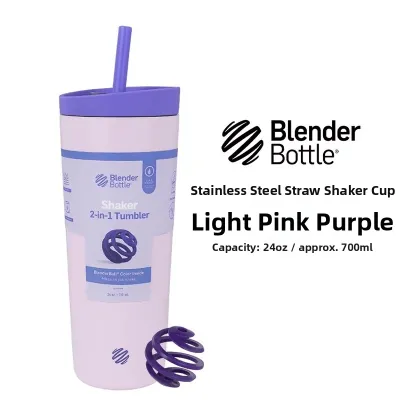
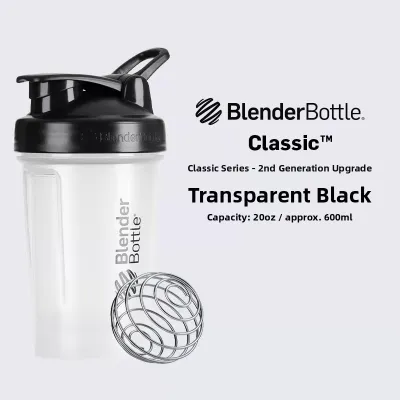
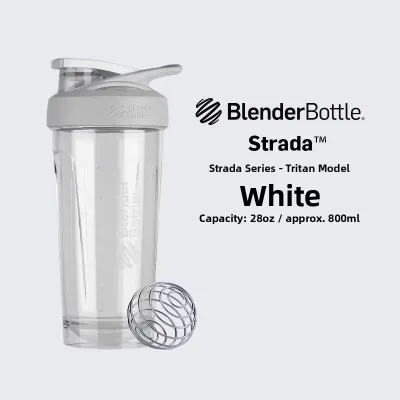
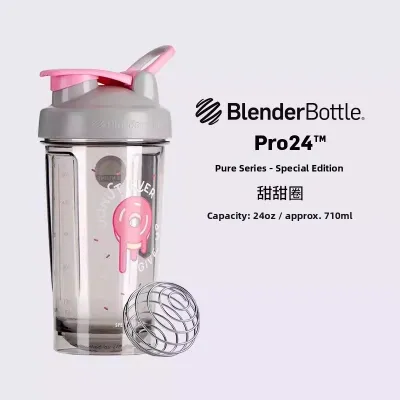
Prices are valid at publication and may change. Please refer to the product page for the latest price.
Beyond material safety, counterfeit bottles frequently suffer from severe functional failures that ruin the user experience. Poorly manufactured lids and substandard silicone seals often lead to persistent leaks, which can ruin the contents of your gym bag or backpack. Additionally, the plastic used in fake bottles is often highly porous, meaning it easily absorbs protein powders and supplement residues, resulting in stubborn, unpleasant odors that do not wash away.
Finally, the mixing performance of a counterfeit bottle rarely matches the standard of an official product. If the mixing whisk is poorly constructed or the bottle’s internal geometry is slightly off, your protein shakes and pre-workout drinks will likely remain clumpy and unevenly mixed. Investing in a genuine bottle ensures that you receive the durability, leak-proof performance, and hygienic materials you expect from a premium fitness accessory.
Key Markers of an Official BlenderBottle
When inspecting a shaker bottle, the first point of analysis should be the logo and print quality on the bottle’s body. Official branding is applied using high-quality, durable printing techniques that result in sharp, clean edges and vibrant colors. The font must be perfectly aligned, with no bleeding, smudging, or inconsistent spacing between letters. If you run your fingers over the logo, it should feel smooth and integrated with the bottle, rather than like a cheap decal that can be easily scraped off.

Next, turn the bottle over to examine the molded markings on the base. Genuine bottles feature highly detailed, crisp, and legible stamps molded directly into the plastic. These markings typically include the brand’s official web address, patent numbers, manufacturing origin, and specific plastic recycling codes (such as the number 7 for Eastman Tritan plastic or the number 5 for polypropylene). Counterfeit bottles often have blurry, shallow, or completely missing base stamps, which is a clear sign of a low-quality production mold.
Another critical component to inspect is the BlenderBall wire whisk. The official whisk is crafted from high-grade, polished stainless steel designed to resist rust and maintain its springy shape over years of use. When you compress a genuine whisk in your hand, it should feel firm, offer clean resistance, and immediately snap back to its original spherical shape. Inspect the ends of the wire; they should be cut cleanly and tucked inward smoothly, with no rough welds, sharp edges, or discoloration that could scratch the inside of your bottle.
Red Flags: How to Spot a Fake BlenderBottle
Recognizing the common manufacturing flaws of counterfeit items can help you quickly identify a fake before you even open the lid. One of the most obvious red flags is the presence of typographical errors, misspelled words, or blurry graphics on the packaging and the bottle itself. Counterfeiters often rush the printing process, leading to misaligned text, incorrect brand slogans, or labels that peel away at the corners right out of the box.
Another immediate warning sign is a strong, persistent chemical or industrial plastic smell emanating from the inside of the bottle. While new plastic products may have a very mild, neutral scent, a genuine bottle will smell clean after a single wash with warm water and soap. If your bottle continues to emit a harsh, chemical odor after multiple washes, it indicates the use of low-grade, unrefined plastics that are unsuitable for food and beverage contact.
Structural defects are also highly common in counterfeit shaker bottles. Carefully inspect the plastic seams along the sides of the bottle and around the rim; they should be smooth and virtually seamless. If you notice rough, raised plastic edges, excess plastic flashing, or a flip cap that feels flimsy and fails to snap shut with a loud, reassuring click, the bottle is likely a counterfeit. A poorly fitting lid that cross-threads easily when screwed onto the cup is another clear indicator of substandard manufacturing.
Where to Buy Authentic BlenderBottles Safely
To completely avoid the risk of purchasing a counterfeit product, you should buy directly from the brand’s official website or from well-established, authorized physical sporting goods retailers. Reputable local fitness stores and major department stores maintain direct supply chains with authorized distributors, ensuring that every item on their shelves is genuine. Purchasing in person also allows you to physically inspect the bottle using the markers described above before handing over your money.
If you prefer to shop online, always look for official flagship stores or verified mall sellers on major e-commerce platforms. Check the seller’s credentials, read through customer reviews, and look for high store ratings. Be highly skeptical of third-party marketplace listings that use generic stock images instead of actual product photos, as well as sellers with zero history or overwhelmingly negative feedback regarding product quality.
Price is another highly reliable indicator of authenticity. While seasonal promotions and authorized clearance sales do occur, you should be extremely wary of prices that seem too good to be true. If a bottle normally retails for around S$15 to S$25 in Singapore, a listing offering the exact same model for S$3 or S$4 is highly likely to be a counterfeit. Saving a few dollars is not worth compromising your health and safety on an unverified product.
What to Do If You Suspect a Counterfeit
If you suspect that the shaker bottle you purchased is a counterfeit, the most important step is to stop using it immediately. Do not use it to mix protein shakes, store water, or hold any other consumable liquids. Because the chemical composition of the plastic cannot be verified without laboratory testing, continuing to drink from a suspected fake poses unnecessary health risks that are easily avoided by discarding the item.
Next, document the discrepancies by taking clear, high-resolution photos of the red flags you identified, such as blurry logos, rough plastic seams, or missing base markings. Log into the e-commerce platform or contact the retailer where you made the purchase to initiate a formal return and refund request. Present your photographic evidence clearly, noting that the item received does not match the description of a genuine, official product.
Finally, report the fraudulent listing or seller to the platform’s customer support team to help prevent other consumers from being misled. Many major online marketplaces have strict policies against counterfeit goods and will remove listings that violate intellectual property rights. If possible, you can also notify the brand directly through their official customer service channels, providing them with the seller’s details and purchase link to assist in their brand protection efforts.
Frequently Asked Questions (FAQ)
Does every official BlenderBottle come with a verification QR code?
No, not every genuine BlenderBottle features a verification QR code. The inclusion of QR codes, security stickers, or specific authentication tags varies significantly depending on the product line, the manufacturing batch, and the region in which the bottle was distributed. Because packaging designs change over time, you should not rely solely on the presence or absence of a QR code to determine authenticity. Instead, always perform a comprehensive physical check of the molded base markings, print quality, and whisk construction, and verify that your seller is an authorized retailer.
Can I use a fake shaker bottle just for mixing non-food items like paint?
It is highly recommended that you do not use a suspected counterfeit shaker bottle for any purpose, including mixing non-food items like paint, dyes, or cleaning solutions. Low-grade plastics can react unpredictably when exposed to chemical solvents, potentially causing the bottle to crack, melt, or release harmful fumes. Furthermore, keeping a counterfeit bottle in your home increases the risk of accidental reuse for food or beverages by other family members. The safest course of action is to dispose of the suspected counterfeit bottle responsibly to ensure it is never used for consumption.

Community discussion
Share your experience or ask a question. Comments are reviewed before publication.