
Proper hand wrapping is the foundation of safe striking in combat sports, acting as a protective shield for the intricate network of bones, tendons, and ligaments in your hands. When using Fairtex hand wraps, which are highly regarded for their durable, semi-elastic stretch fabric, the goal is to bind these structures together so that impact forces are distributed evenly across the entire hand rather than concentrated on a single joint. By mastering a systematic wrapping technique, you can significantly reduce the risk of common training injuries such as sprained wrists, bruised knuckles, and fractured metacarpals.
To achieve optimal protection, you must understand how to balance tension and coverage. Fairtex wraps are designed to conform closely to the contours of your hand, providing a custom-fit feel that stays secure throughout intense training sessions. Whether you are hitting the heavy bag, working focus mitts, or engaging in live sparring, taking the time to wrap your hands correctly ensures that your wrist remains aligned with your forearm upon impact, allowing you to train consistently and safely.
The unique material composition of these wraps requires a specific handling approach. Unlike rigid cotton wraps, semi-elastic wraps (often called Mexican-style wraps) offer a slight yield that accommodates the natural expansion of your hand when clenching a fist. This flexibility means you can achieve a highly secure fit without completely cutting off your circulation, provided you apply the correct wrapping sequence and tension.
Products mentioned in this guide
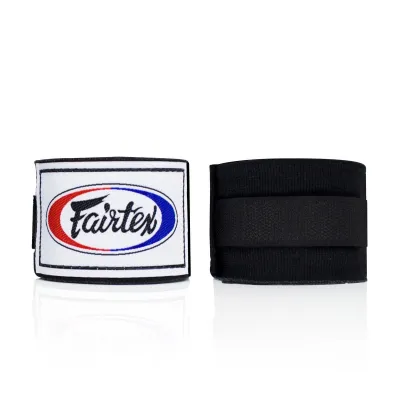
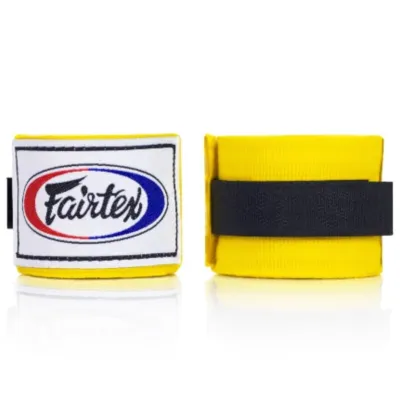
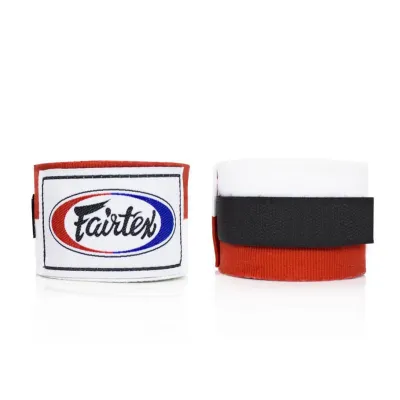
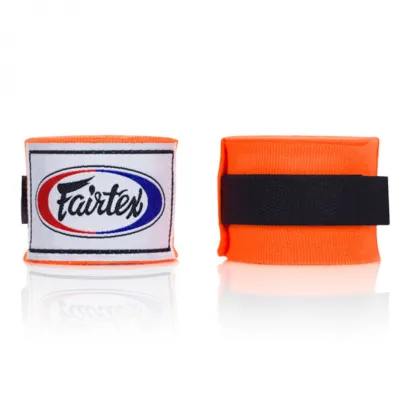
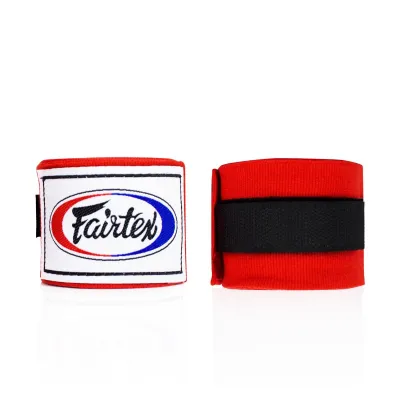
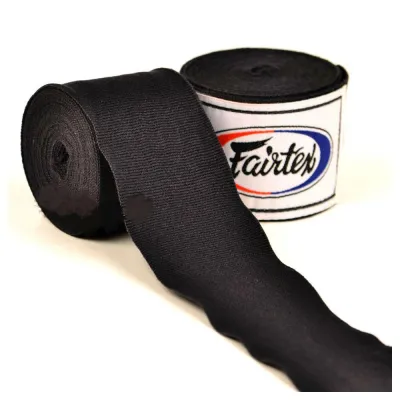
Prices are valid at publication and may change. Please refer to the product page for the latest price.
Preparing Your Fairtex Hand Wraps and Hands
Before you begin the wrapping process, take a moment to prepare both your equipment and your hands to ensure a secure, hygienic, and comfortable fit. Start by completely unrolling your Fairtex hand wraps. If they were rolled up tightly from your last session, they may have twists or folds that can cause uncomfortable pressure points or uneven tension once applied to your hands. Laying them out flat allows you to locate the thumb loop easily and ensures that the Velcro closure at the opposite end is facing the correct direction when you reach the final step.
Next, inspect the physical condition of the wraps. Check the fabric for any signs of excessive wear, such as frayed edges, loss of elasticity, or a weakened Velcro grip. Fairtex hand wraps are typically made of a high-quality nylon-cotton blend that offers a slight stretch, but over time, repeated washing and tension can degrade these elastic properties. Verify the length of your wraps by checking the product label; a standard length of 180 inches (approximately 4.5 meters) is highly recommended for adults, as it provides sufficient material to cover the wrist, thumb, and knuckles adequately.
Finally, ensure your hands are thoroughly clean and dry before applying the wraps. Moisture from sweat or water can trap bacteria against your skin, leading to unpleasant odors, fungal growth, or skin irritation under the wraps. Dry hands also prevent the fabric from slipping or bunching up as you wrap, which helps maintain consistent tension throughout your training session. If you use hand sanitizer or lotion, make sure it is fully absorbed into the skin so that the wraps do not slide out of position during high-impact movements.
It is also beneficial to trim your fingernails before wrapping. Long or sharp fingernails can puncture the wrap fabric over time or dig painfully into your palms when you clench your fist inside your gloves. Taking these small preparatory steps ensures that your wraps perform exactly as intended, allowing you to focus entirely on your training technique.
Step-by-Step Hand Wrapping Technique
The process of wrapping your hands follows a logical flow designed to build structural integrity from the base of your hand upward. You will begin by establishing a solid foundation at the wrist, then anchor the thumb, protect the knuckles, and finally lock the entire structure in place. This systematic progression ensures that every critical joint is supported without restricting your hand’s natural ability to form a tight, effective fist.

Securing the Wrist and Thumb
To begin, slide your thumb through the starter loop of the Fairtex hand wrap, ensuring that the “this side down” print or the flat side of the seam is facing directly against your skin. This orientation is crucial because it guarantees that the Velcro fastener at the end of the wrap will face the correct way when you finish. Keep your fingers spread wide apart during the entire wrapping process; this simple action prevents you from wrapping too tightly, ensuring your hand can still expand comfortably when you make a fist inside your boxing gloves.
Bring the wrap down across the back of your hand to your wrist and begin making your first passes. Wrap around your wrist three to four times, depending on the length of your wraps and the level of support you prefer. The wrist is a primary joint that absorbs significant rotational and linear forces during impact, so creating a thick, stable collar here is essential. Ensure each pass overlaps the previous one by about half its width, maintaining a firm but comfortable tension that supports the joint without restricting blood flow.
From the wrist, route the wrap diagonally across the back of your hand toward the base of your thumb. Loop the wrap once completely around your thumb, ensuring the fabric lies flat against the skin without twisting. This anchor pass stabilizes the thumb joint, preventing it from being pushed backward or sideways if you catch an awkward angle on the bag. Once the thumb is looped, bring the wrap back down across the back of your hand to the opposite side of your wrist, forming an “X” pattern that locks the thumb anchor in place.
As you perform these initial steps, pay close attention to the tension of the semi-elastic material. Fairtex wraps are designed to stretch slightly to conform to your hand, but pulling them too tightly can compress the blood vessels and nerves, leading to numbness or cramping during your workout. Conversely, wrapping too loosely will cause the fabric to shift and bunch up inside your gloves, rendering the support ineffective. Aim for a snug, supportive feel that mimics the sensation of a firm bandage.
If you are using shorter wraps, such as 120-inch versions, you may need to reduce the number of wrist passes to two or three to ensure you have enough material left for the knuckles and fingers. However, for most adult practitioners, the 180-inch length is the standard because it eliminates the need to compromise on support in any single area. Always prioritize a solid wrist foundation, as a weak wrist is one of the most common sources of injury in striking sports.
Padding the Knuckles and Locking the Wrist
With the wrist and thumb secured, transition the wrap upward across the back of your hand to the knuckle area. Begin wrapping across your knuckles, starting from the outside of the pinky finger to the index finger. Make three to four passes over the knuckles to build a protective cushion that will absorb the direct impact of your punches. Keep your fingers spread slightly during these passes to ensure the knuckle guard does not become too tight when you clench your fist.
After padding the knuckles, you will begin securing the individual fingers to prevent the knuckle wrap from sliding out of position. Route the wrap from the wrist up between your pinky and ring fingers, bringing it over and back down to the wrist. Repeat this process between the ring and middle fingers, and finally between the middle and index fingers. Each of these passes should run flat between the fingers and anchor back at the wrist, creating a secure web that holds the knuckle padding firmly in place.
Once the fingers are secured, bring the wrap back up to the knuckles for one final stabilizing pass to smooth out the fabric. From there, guide the remaining length of the wrap diagonally back down to your wrist. If you have extra material left over, you can add additional passes around your wrist or the lower palm area, depending on where you feel you need the most reinforcement. For heavy bag work, extra wrist passes are highly beneficial to resist the bending forces of high-impact strikes.
To complete the wrap, secure the Velcro strap firmly around your wrist. The Velcro should sit flat on the back of your wrist joint, rather than wrapping around the palm or the lower forearm. This placement ensures that the closure remains secure and does not interfere with the natural bending of your hand or rub uncomfortably against the inner lining of your boxing gloves. Press the Velcro down firmly to ensure it is fully engaged and will not peel open during training.
Take a moment to look at the palm of your hand. A properly wrapped hand should leave the palm relatively clear of bulky fabric, allowing you to make a natural, tight fist. If your palm is filled with thick layers of wrapped material, it can prevent your fingers from curling completely, which actually increases the risk of hand fatigue and injury because your hand cannot form a solid structure upon impact.
Checking the Fit and Common Mistakes to Avoid
Once you have finished wrapping both hands, it is vital to perform a quick assessment to verify that the wraps are safe, comfortable, and effective. The most reliable way to do this is the “fist test.” Open your hand completely, then slowly clench it into a tight fist. When your hand is open, the wraps should feel relatively relaxed and comfortable; when you make a fist, the wraps should tighten up instantly, creating a solid, rigid structure across your knuckles and wrist. If the wraps feel loose when you make a fist, or if they feel painfully tight when your hand is open, you should unwrap and adjust them.
Watch out for common wrapping errors that can compromise your safety or comfort. One of the most frequent mistakes is wrapping too tightly, which can restrict blood circulation and lead to tingling, numbness, or coldness in your fingers. Another common issue is leaving gaps between the passes of the wrap, which exposes areas of skin to friction and reduces the overall structural support. Additionally, ensure that the fabric does not twist or bunch up, as these ridges can cause painful blisters or pressure sores under the pressure of your boxing gloves.
Listen to your body during your warm-up and training. If you experience any pain, throbbing, or a loss of sensation in your hands at any point, stop training immediately, remove your gloves, and re-wrap your hands. Ignoring these warning signs can lead to temporary nerve compression or joint strain. Taking two minutes to re-wrap your hands correctly is a small investment that protects your health and ensures you can train at your full potential without distraction.
Another mistake to avoid is wrapping the fingers too high up toward the tips. The wraps should only cover the main knuckles (the metacarpophalangeal joints) and should not restrict the movement of the secondary finger joints. Keeping the fingers free allows you to grip the internal bar of your boxing gloves properly, which is essential for maintaining a correct fist alignment when punching.
Caring for Your Hand Wraps After Training
Proper maintenance of your Fairtex hand wraps is essential for extending their lifespan, preserving their elastic properties, and maintaining hygiene. Immediately after your training session, unroll your wraps and hang them up to air-dry. Leaving damp, sweat-soaked wraps crumpled up inside a dark gym bag is a recipe for bacterial growth, mold, and persistent odors that can be incredibly difficult to remove. Hanging them over a drying rack or a door frame allows air to circulate freely through the fabric, drying them quickly.
When it comes to washing your wraps, always refer to the manufacturer’s care label for specific instructions. To protect the fabric and prevent the wraps from tangling into a massive knot, place them inside a mesh laundry bag before throwing them into the washing machine. Use a gentle cycle with cold water and a mild detergent, avoiding bleach or fabric softeners, which can break down the elastic fibers over time. To prevent shrinkage and preserve the integrity of the Velcro, always air-dry your wraps instead of putting them in a clothes dryer.
Once your wraps are completely dry, roll them up neatly starting from the Velcro end and finishing with the thumb loop on the outside. This method ensures that they are ready for quick and easy application during your next training session. Store your rolled wraps in a clean, breathable compartment of your gym bag, away from sharp objects or damp gear. Consistent care not only keeps your wraps smelling fresh but also ensures they continue to provide the reliable support your hands need for every workout.
If you train multiple times a week, it is highly recommended to own at least two or three pairs of hand wraps. This rotation ensures that you always have a clean, dry pair ready for your next session, giving your washed wraps ample time to air-dry completely. Using damp wraps not only compromises hygiene but also degrades the fabric much faster due to the constant presence of moisture and friction.
Frequently Asked Questions (FAQ)
Do I need to wear hand wraps if I am using heavily padded boxing gloves?
Yes, you must always wear hand wraps even when using heavily padded boxing gloves. While the thick foam padding of a boxing glove is designed to absorb surface shock and protect your sparring partner or the target, it does not prevent the bones in your hand from shifting upon impact. Hand wraps compress and secure the 27 small bones, joints, and ligaments in your hand, keeping them aligned and preventing hyperextension of the wrist. Without wraps, the force of a punch can easily cause internal hand injuries, regardless of how much padding your gloves have.
How often should I replace my hand wraps?
You should replace your hand wraps based on observable signs of wear rather than a strict calendar schedule. Inspect your wraps regularly for physical indicators such as a complete loss of elasticity, frayed or thinning fabric, a weakened Velcro grip that slips during training, or persistent odors that remain even after a thorough wash. If the wraps no longer provide a snug, supportive fit when tensioned, or if the Velcro repeatedly peels open inside your gloves, they are no longer effective and should be replaced to ensure your hands remain fully protected.

Community discussion
Share your experience or ask a question. Comments are reviewed before publication.