
While Hydro Flask is widely recognized for strong thermal performance, determining whether its shaker bottle keeps drinks colder than competing insulated shakers requires looking beyond brand reputation. Actual cold retention in shaker bottles is heavily dictated by lid design, seal integrity, and daily usage habits rather than just the stainless steel body. If you are mixing protein shakes, pre-workouts, or recovery drinks in a tropical climate like Singapore, understanding how these design elements interact is crucial to keeping your beverages icy cold throughout your training session.
Choosing the right insulated shaker means evaluating how a bottle balances thermal efficiency with mixing convenience. A premium stainless steel body prevents heat transfer through the sides, but the plastic lid remains the primary thermal weak point where heat enters. Therefore, selecting the shaker that keeps drinks cold longest requires analyzing lid construction, mixing mechanisms, and your specific daily workout environment.
How to Evaluate Insulation Claims Before Buying
When shopping for an insulated shaker bottle, manufacturers often advertise impressive temperature retention claims, such as keeping drinks cold for 24 hours or more. To critically assess these claims, you must look closely at the testing conditions and the specific components of the bottle. Most standard vacuum-insulated bottles are tested with solid, insulated screw caps that seal tightly without any moving parts. Shaker bottles, however, feature specialized lids with flip caps, carrying loops, and mixing mechanisms that naturally introduce more points of thermal transfer.
Products mentioned in this guide
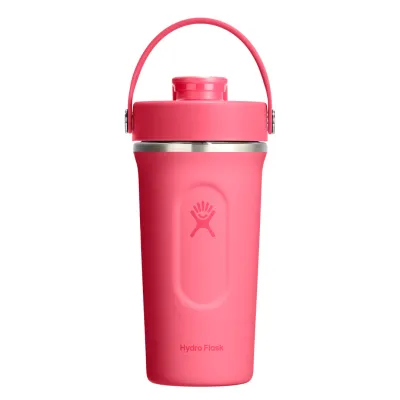
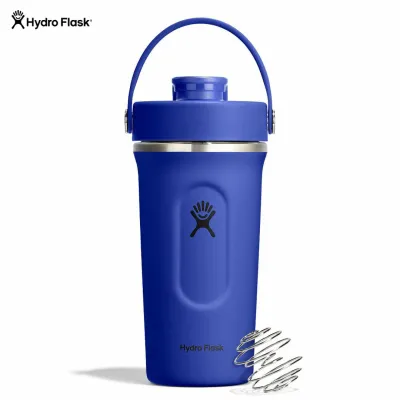
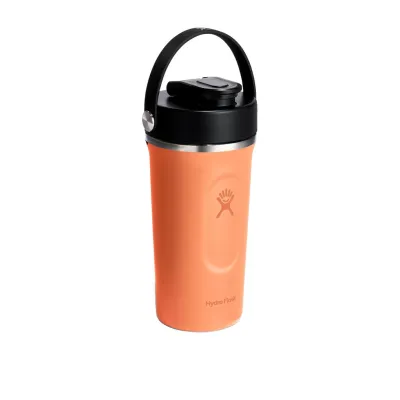
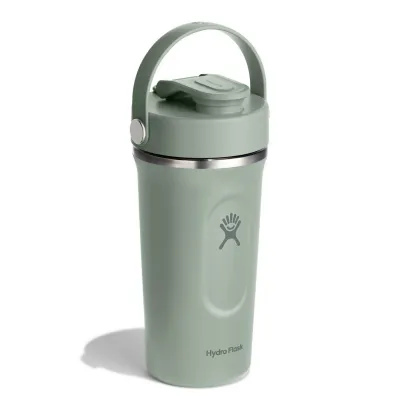
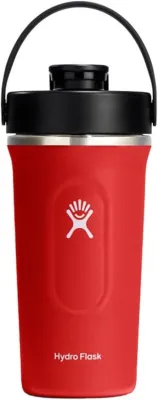
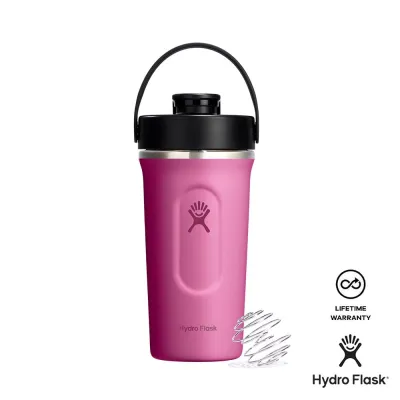
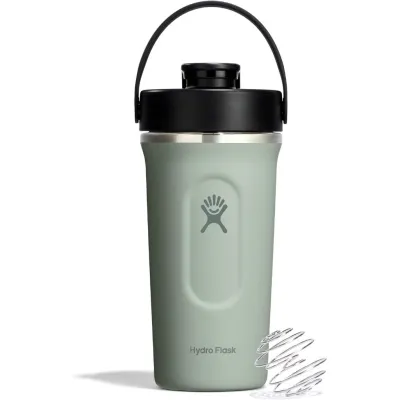
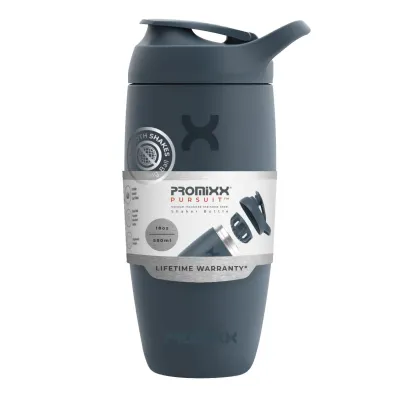
Prices are valid at publication and may change. Please refer to the product page for the latest price.
To verify these claims, check the product specifications for double-wall vacuum insulation. This technology relies on a vacuum gap between two layers of stainless steel, which prevents heat transfer by conduction and convection. If a brand does not explicitly state “vacuum insulated” and instead uses terms like “double-walled,” the bottle may only have an air gap, which offers significantly less thermal resistance. Additionally, look for independent testing or detailed material breakdowns on the manufacturer’s official website rather than relying solely on marketing buzzwords.
It is also important to understand that temperature ratings are typically calculated in controlled laboratory settings with constant ambient temperatures. These tests do not reflect the real-world conditions of a humid gym bag, an outdoor track, or a hot car. A “24-hour cold” rating simply means the liquid remains below a certain cool threshold by the end of the test, not that it will stay freezing cold. When comparing brands, treat these hourly ratings as a relative benchmark rather than an absolute guarantee of real-world performance.
Design Features That Dictate Thermal Performance
To understand why one insulated shaker might outperform another, it helps to examine the physical components that control heat transfer. An insulated shaker is essentially a system of two distinct parts: the highly insulated metal body and the less insulated plastic lid.

While the stainless steel body is highly efficient at blocking external heat, the lid mechanism is where most thermal exchange occurs. The materials used, the thickness of the walls, and the design of the seals all play a critical role in how long your drink stays cold.
Bottle Body and Vacuum Layer Integrity
The industry standard for premium insulated bottles is 18/8 food-grade stainless steel, which consists of 18% chromium and 8% nickel. This specific alloy is favored for its durability, resistance to rust, and ability to maintain structural integrity under vacuum pressure. When comparing brands, verify if the bottle uses this standard, as lower-grade metals may degrade faster or transfer metallic tastes to your drinks.
Beyond the material itself, the thickness of the outer wall and the quality of the exterior coating affect performance. A thicker outer wall provides better dent resistance, which is vital because any dent that breaches the vacuum seal will permanently ruin the bottle’s insulation capabilities. High-quality powder coatings also provide a tactile grip, preventing accidental drops on hard gym floors while adding a minor layer of external protection.
Some premium manufacturers also incorporate a copper lining on the outer surface of the inner stainless steel wall. This copper layer acts as a radiant heat barrier, reflecting thermal radiation away from the liquid inside. When evaluating competing shakers, check if this extra insulation layer is specified, as it can provide a measurable advantage in prolonged heat exposure.
The Lid Trade-Off: Mixing vs. Insulation
The primary thermal weak point of any shaker bottle is its lid. Unlike the double-wall stainless steel body, shaker lids are almost exclusively made of plastic to accommodate flip caps, carrying handles, and mixing grids. Because plastic is a far better conductor of heat than a vacuum, the lid acts as a gateway for ambient heat to enter the bottle.
When evaluating different models, compare twist-cap designs against flip-cap designs. Twist-caps generally offer a more secure, uniform seal around the rim, minimizing air exchange and heat transfer. Flip-caps offer quick, one-handed convenience during intense workouts, but the hinge and snap-closure mechanisms can wear down over time, potentially compromising the seal and allowing cold air to escape.
Furthermore, the presence of silicone gaskets inside the lid is crucial for maintaining a thermal barrier. A high-quality gasket must be thick, flexible, and properly seated to prevent air exchange. Over time, these gaskets can dry out, crack, or become misaligned, which lets warm air seep in and rapidly degrades cold retention regardless of how well the metal body is insulated.
Real-World Variables That Impact Cold Retention
Even the most advanced insulated shaker will underperform if not used optimally. Real-world variables play a massive role in how long your pre-workout or protein shake remains cold. The most significant user-controlled factor is the ice-to-liquid ratio. Filling your shaker with large, solid ice cubes rather than crushed ice slows down the melting process, as larger cubes have less surface area relative to their volume.
Pre-chilling your bottle is another highly effective technique. If you pour a cold liquid into a room-temperature stainless steel bottle, the metal body will immediately absorb heat from the liquid to reach thermal equilibrium. By rinsing the inside of the shaker with ice water for a few minutes before filling it with your actual drink, you prime the stainless steel to maintain a lower temperature.
Environmental exposure also dictates thermal performance. Leaving your shaker bottle in a hot car, exposing it to direct sunlight on an outdoor track, or carrying it through high-humidity environments will rapidly accelerate heat transfer through the plastic lid. If you train outdoors, keeping your shaker inside an insulated gym bag or shaded area will help preserve its internal temperature.
Finally, consider your drinking habits during a workout. Opening the lid frequently to take sips introduces warm ambient air into the chamber, which quickly raises the internal temperature compared to keeping the bottle sealed between sets. If you prefer to sip your drink slowly over several hours, a shaker with a smaller drinking spout or a highly secure twist lid will minimize this thermal exchange.
Comparing Hydro Flask and Competing Shakers
To make an informed decision, it is helpful to compare the Hydro Flask shaker against typical competing designs across key usability and thermal dimensions. While Hydro Flask is renowned for its durable powder coat and reliable vacuum insulation, other brands offer specialized features tailored for fitness enthusiasts.
When comparing these options, look at how each brand balances mixing efficiency with thermal retention. Some shakers utilize a free-floating wire whisk ball, which mixes thick powders efficiently but requires you to open the lid fully to insert or remove it. Others feature integrated mixing grids built directly into the lid, which can simplify cleaning but may reduce the overall volume of the insulation barrier.
| Comparison Dimension | Hydro Flask Shaker | Standard Insulated Shaker | Heavy-Duty Utility Shaker |
|---|---|---|---|
| Insulation Type | Double-wall vacuum insulated | Double-wall vacuum insulated | Double-wall vacuum insulated |
| Lid Style | Leak-proof spring cap / twist | Flip-top snap lid | Heavy-duty gasket twist lid |
| Mixing Mechanism | Removable internal whisk/grid | Wire whisk ball | Built-in lid grid |
| Dishwasher Safety | Check manufacturer label | Hand-wash body recommended | Dishwasher-safe options |
| Portability & Grip | Powder-coated exterior | Smooth steel or silicone sleeve | Rugged rubberized base |
Weight and ergonomics are also critical when carrying your shaker in a gym bag or backpack. Insulated stainless steel shakers are inherently heavier than their plastic counterparts. If you commute via public transit or walk long distances to your fitness center, a slightly lighter bottle body or a more ergonomic carrying loop can make a significant difference in daily comfort.
Decision Framework: Which Shaker Fits Your Routine?
Choosing the right insulated shaker comes down to aligning the bottle’s features with your daily routine and hydration habits. If you prioritize long-term durability, a premium powder-coated finish, and a reliable brand ecosystem with interchangeable lids, the Hydro Flask shaker is an excellent investment. Its robust construction is designed to withstand daily gym use while keeping your drinks cold for hours.
On the other hand, you might want to look at alternative brands if you require specialized mixing capabilities. For instance, if you frequently mix thick, clumpy mass-gainer powders, a shaker with a heavy-duty built-in mixing grid or a specialized whisk ball might serve you better than a standard design. Additionally, if weight is your primary concern, look for models that utilize thinner, high-strength steel walls to minimize bulk in your gear bag.
Before finalizing your purchase, always verify the maintenance requirements. If you prefer the convenience of a dishwasher, confirm whether both the body and the lid are rated as dishwasher-safe, as high heat can sometimes damage vacuum seals or peel exterior coatings. If you plan to toss your shaker horizontally into a crowded backpack, prioritize models with a strict, verified leak-proof guarantee and a locking lid mechanism to prevent accidental spills on your clean workout gear.
Frequently Asked Questions (FAQ)
Can I put boiling water in an insulated shaker bottle?
No, you should avoid putting boiling or highly heated liquids inside an insulated shaker bottle. Shaking hot liquids creates rapid steam and pressure buildup inside the sealed chamber. When you flip or twist open the lid, this pressure can cause the hot liquid to spray out violently, posing a significant risk of burns. Always check the manufacturer’s guidelines, as most insulated shakers are strictly rated for cold or room-temperature beverages.
Why does my shaker bottle smell after washing?
Odor retention is a common issue in shaker bottles, primarily caused by protein residue and bacteria accumulating in hard-to-reach areas. The threads of the lid, the crevices of the mixing grid, and the silicone rubber gaskets are prime spots for buildup. To eliminate stubborn odors, avoid harsh chemical scrubbers that can scratch the plastic or steel. Instead, soak the disassembled lid and body in a mixture of warm water and baking soda, or use a diluted white vinegar rinse, then allow all parts to air-dry completely before reassembling.

Community discussion
Share your experience or ask a question. Comments are reviewed before publication.