
When choosing a sports water bottle to keep your drinks cold during intense workouts in Singapore’s tropical heat, comparing brands like Igloo to other market options requires looking beyond the logo. There is no single brand that wins every thermal test; instead, insulation performance depends heavily on the specific model’s construction, materials, and how you use it. Whether you are cycling along the East Coast Park, trekking through nature reserves, or training in a high-intensity gym, understanding how to evaluate these specifications is key to finding a bottle that keeps your water refreshing. By focusing on construction types, lid designs, and capacity, you can accurately compare Igloo models with other sports brands to find the ideal match for your hydration needs.
How Sports Water Bottles Keep Drinks Cold
To understand how different sports water bottles perform, it helps to look at the technology behind thermal retention. The most effective method is double-wall vacuum insulation, which is commonly used in premium stainless steel bottles. This design features an inner and outer wall with the air sucked out of the space between them, creating a vacuum. Because heat requires a medium to travel through via conduction or convection, this vacuum barrier prevents external heat from warming your cold beverage.
In contrast, single-wall bottles offer no insulation and rely entirely on the surrounding air temperature, causing drinks to warm up rapidly in warm climates. Some lightweight sports bottles use foam insulation sandwiched between two plastic walls. While foam-insulated plastic bottles are lighter and more squeezable than stainless steel, they do not prevent heat transfer as effectively as a true vacuum seal, making them better suited for shorter activities.
Products mentioned in this guide
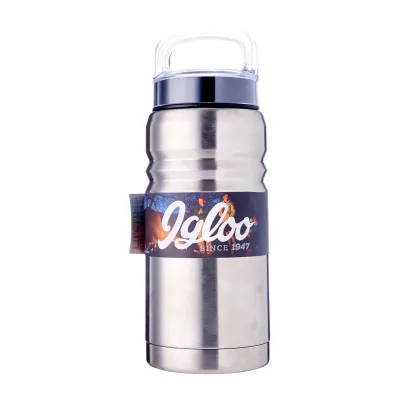
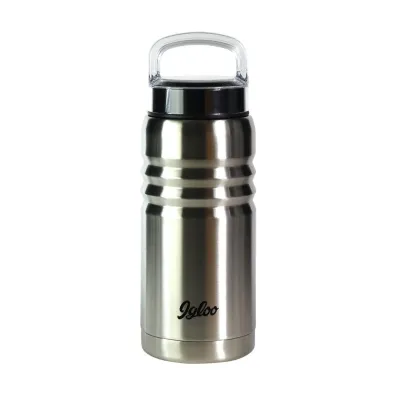
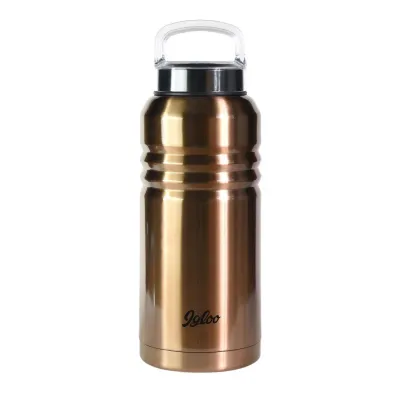
Prices are valid at publication and may change. Please refer to the product page for the latest price.
The material of the bottle also plays a major role in thermal performance. Food-grade stainless steel is highly durable and supports vacuum sealing, making it the standard for long-lasting cold retention. Insulated plastics are highly portable and flexible, making them popular for cycling, but they generally offer shorter cold retention windows.
Finally, the lid and spout design can significantly impact how long your drink stays cold. Every time you open a drinking spout or unscrew a lid, warm air enters the bottle and cold air escapes. Lids with thick gaskets and secure seals help maintain the internal temperature, while wide-mouth openings allow for easy ice insertion but can let in more ambient heat if left open. Choosing a lid that balances ease of drinking with a secure, airtight seal is essential for maintaining cold temperatures during active movement.
What to Check When Comparing Igloo to Other Brands
When comparing Igloo water bottles to other sports brands, you must first identify the specific product line and construction type. Igloo offers both heavy-duty vacuum-insulated stainless steel flasks and lightweight insulated plastic sports bottles. To make a fair comparison with competitors, ensure you are comparing stainless steel vacuum bottles against other stainless steel vacuum bottles, rather than comparing a lightweight plastic squeeze bottle to a heavy-duty metal flask.

Another critical factor to evaluate is the capacity-to-weight ratio. Larger bottles hold more liquid, which increases the overall thermal mass. A larger volume of cold water and ice naturally resists temperature changes longer than a smaller volume, assuming the insulation quality is identical. However, larger bottles are heavier and more cumbersome to carry during active sports, so you must balance your need for extended cold retention against portability.
You should also carefully check the manufacturer-stated cold retention metrics on the product packaging or official websites. These ratings, often stated in hours, are typically based on specific testing conditions. Manufacturers usually test their bottles in controlled indoor environments with a high ratio of ice to water. In real-world conditions, such as an outdoor workout under the afternoon sun, the actual cold retention time may vary based on how often you open the bottle and the starting temperature of your drink.
Additionally, pay attention to the exterior finish and grip options. Some brands apply powder coatings to their stainless steel bottles to improve grip when your hands are sweaty, while others rely on silicone sleeves or textured plastic. A secure grip is just as important as insulation when you are in the middle of a fast-paced workout or outdoor run.
Choosing the Right Insulation for Your Workout Routine
Your choice of insulation should align directly with your exercise habits and environment. For short, high-intensity workouts lasting under an hour, such as an indoor spin class or a quick run, lightweight portability is often more important than maximum insulation. In these scenarios, a standard insulated plastic bottle or even a single-wall bottle may be sufficient, as you will likely finish your drink before it has a chance to reach room temperature.
For endurance training, long hikes, or outdoor sports sessions that last several hours, maximum vacuum insulation becomes essential. Keeping your water at a cool, refreshing temperature helps encourage proper hydration when training in warm conditions. For these activities, choosing a double-wall vacuum-insulated stainless steel bottle with a high ice capacity will ensure your drink remains cold throughout your entire session.
You must also consider how you plan to transport your bottle during your workouts. If you are placing the bottle in a gym bag or backpack, look for models with leak-proof locking lids to prevent accidental spills on your gear. For cycling, verify that the bottle’s exterior diameter fits securely into standard bicycle bottle cages. Additionally, vacuum-insulated bottles prevent exterior condensation, keeping the outside of the bottle dry and easy to grip, whereas non-insulated or poorly insulated bottles can sweat, making them slippery and potentially damaging other items in your bag.
How to Verify Insulation Claims Before You Buy
Before making a purchase, it is wise to verify the insulation claims of any sports water bottle. Start by reading the product labels and official specification sheets carefully. Look for specific details regarding the insulation technology used, such as “vacuum insulated” or “double-wall,” rather than relying on vague marketing terms like “super-cool” or “advanced thermal technology.”
Next, seek out independent user reviews and feedback from other athletes. Pay close attention to reviews that describe how the bottle performs in hot climates or during extended outdoor activities. Real-world feedback often highlights practical details that official specifications omit, such as how easy the spout is to clean, whether the lid leaks under pressure, and how well the bottle holds up to accidental drops.
Finally, check the manufacturer’s warranty terms before buying. High-quality insulated bottles often come with warranties that cover insulation failure or vacuum seal defects. A manufacturer that offers a clear warranty on the thermal performance of their bottles provides an extra layer of assurance that the product is built to last and will perform as expected over time.
Frequently Asked Questions (FAQ)
Does a larger Igloo water bottle keep drinks colder longer?
Yes, a larger water bottle can keep drinks cold for a longer period due to the principles of thermal mass. A larger volume of cold liquid and ice contains more thermal energy (or lack thereof) and is more resistant to temperature changes than a smaller volume, provided the insulation quality is the same. However, larger bottles are heavier and may not fit into standard cup holders or bicycle bottle cages, so you should consider whether the extra weight is practical for your specific sport.
Can I put hot drinks in an insulated Igloo sports bottle?
You should always check the manufacturer’s specific guidelines before putting hot liquids in any sports water bottle. Many sports bottles are optimized exclusively for cold drinks and feature plastic lids, straws, or spouts that are not designed to handle high temperatures or the pressure buildup from hot steam. Using hot liquids in a bottle designed only for cold drinks can damage the lid components, compromise the seal, or present a burn hazard when opening the spout.

Community discussion
Share your experience or ask a question. Comments are reviewed before publication.