
Popular sports bottle brands do not have a single, universal winner when it comes to insulation performance. Instead, the actual heat and cold retention during workouts is determined by physical construction specifications, lid designs, and real-world usage patterns. While marketing campaigns often highlight impressive hourly ratings, a bottle’s ability to keep your water ice-cold during a humid outdoor run or a long gym session depends on verifiable engineering details rather than the logo on the exterior. By understanding these technical factors, you can look past brand hype and select a bottle that matches your specific hydration needs.
To make an informed decision, you must evaluate how a bottle is built, how its opening mechanism manages air exchange, and how its materials hold up to active use. This guide breaks down the physical principles of thermal retention and provides a practical framework to compare different models side-by-side.
Key Specifications That Drive Insulation Performance
The primary technology behind modern temperature retention is double-wall vacuum insulation. This construction involves an inner and outer stainless steel vessel welded together, with the air physically vacuumed out of the gap between them. Because heat requires a medium—such as air molecules—to travel via conduction or convection, this vacuum barrier effectively stops heat from entering or escaping through the sides of the bottle.
Products mentioned in this guide
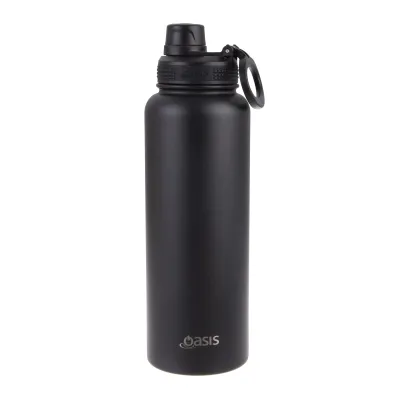
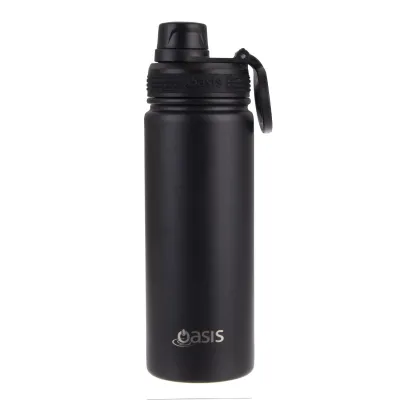
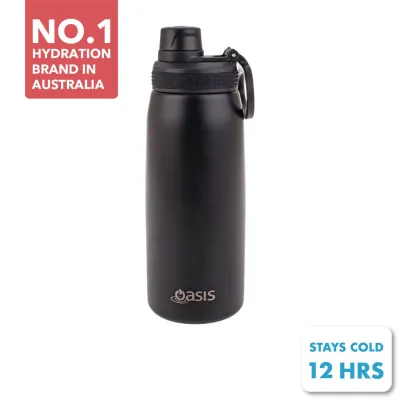
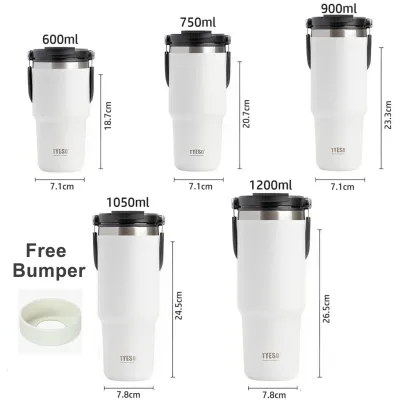
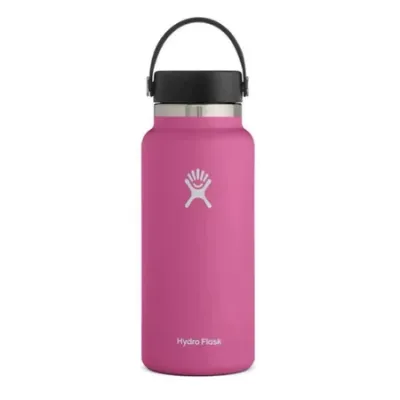
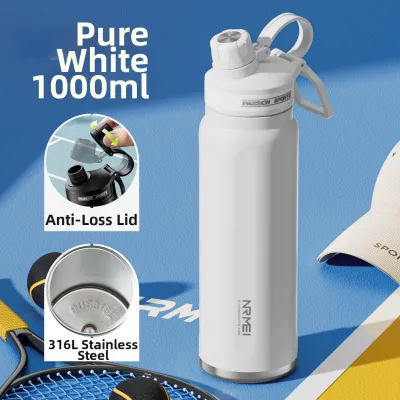
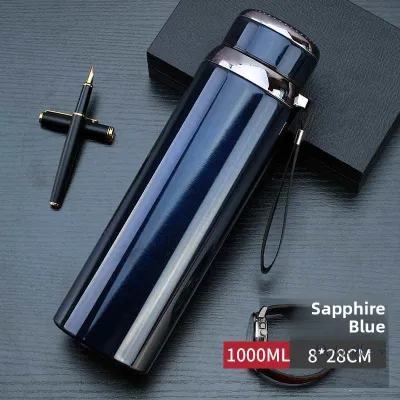
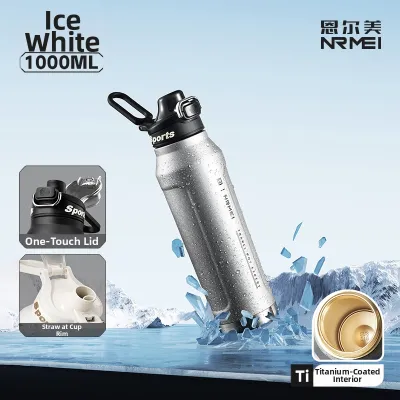
Prices are valid at publication and may change. Please refer to the product page for the latest price.
To enhance this baseline standard, some manufacturers apply an inner wall coating, typically made of copper or silver lining, to the outer face of the inner steel wall. This thin metallic layer acts as a radiation barrier, reflecting infrared heat waves back into the liquid rather than allowing them to radiate across the vacuum gap. When comparing brands, check the technical specifications to see if a reflective lining is included, as this feature significantly improves thermal efficiency over basic double-wall designs.
Another critical factor is the bottle’s volume and its surface-area-to-volume ratio. A larger volume of liquid contains more thermal mass, making it naturally more resistant to temperature changes than a smaller volume. However, a tall, slender bottle has a higher surface area exposed to the outside environment than a wider, stockier bottle of the same capacity. A lower surface-area-to-volume ratio reduces the rate of thermal loss, meaning wider bottles often retain temperatures slightly better than ultra-slim models under identical conditions.
How Lid Designs and Usage Affect Temperature Retention
While the body of an insulated bottle is highly efficient at blocking heat transfer, the lid is almost always the weakest thermal link. Lids are typically constructed from plastics, rubbers, and silicones, which do not offer the same thermal resistance as a double-walled vacuum steel body. Consequently, the style of lid you choose plays a massive role in how long your drink stays cold.

Screw-top lids generally offer the highest level of thermal retention because they provide a thick, continuous barrier with minimal seams and a tight seal. In contrast, convenient sports lids—such as flip-straws, push-button spouts, and bite valves—introduce internal pathways, air vents, and thinner plastic walls. These mechanisms allow heat to conduct through the lid more rapidly, making them less efficient at long-term temperature control despite their convenience during high-intensity workouts.
Furthermore, the frequency with which you open the bottle during exercise compounds thermal loss. Every time you open a wide-mouth bottle, a large volume of cold air escapes and is replaced by warm ambient air. If you are training in a hot, humid environment and sipping every few minutes, this constant air exchange will warm your drink much faster than the heat transferring through the insulated walls. For extended outdoor activities, a narrow-spout lid or a straw lid that limits open-air exposure during sips can help preserve the internal temperature.
When shopping, it is vital to distinguish between “leak-proof” seals and fully “insulated” lids. A lid can feature high-quality silicone gaskets that prevent water from spilling in your gym bag without offering any actual thermal insulation. Look for brands that explicitly specify insulated lids, which often feature hollow cores filled with insulating foam or multi-layered structures designed to block heat transfer at the bottle’s opening.
Matching Insulation Levels to Your Workout Needs
Selecting the right insulated bottle requires balancing your specific exercise habits against the physical weight and cost of high-performance insulation. Over-specifying your gear can lead to carrying unnecessary weight during active movement.
For short, high-intensity workouts lasting under an hour, such as an indoor spin class or a quick track session, extreme insulation is rarely necessary. A standard double-wall bottle without premium copper linings will easily keep your water cold enough for the duration of the workout. Opting for a lighter, less insulated model can reduce carrying fatigue when you are on the move.
For endurance training, all-day hikes, or outdoor sports in tropical heat and high humidity, premium insulation becomes essential. In these demanding conditions, the temperature differential between your ice-cold drink and the hot outside air is substantial, accelerating heat transfer. A high-performance bottle with a copper-lined vacuum chamber and an insulated screw-top lid is necessary to ensure your hydration remains refreshing after several hours in the sun.
Additionally, consider whether you plan to use the bottle for both cold and hot liquids. While sports hydration is primarily focused on cold water, some outdoor enthusiasts use their bottles for warm teas or recovery drinks. Cold retention is generally easier to maintain because the temperature difference between ice water and a hot day is relatively small. Hot retention, however, demands much higher thermal resistance because the temperature difference between boiling liquid and the surrounding air is far greater, making premium vacuum seals a priority for hot beverage users.
Evaluation Checklist for Comparing Insulated Bottle Brands
When comparing different brands online or in-store, use this practical checklist to evaluate their physical capabilities rather than relying on marketing claims:
- Verify Testing Conditions: Check the manufacturer's fine print regarding their temperature retention claims. A claim of "24 hours cold" is often based on a bottle filled with ice and left unopened in a cool, climate-controlled room. Real-world performance during active outdoor use will be lower.
- Inspect Material Grades: Ensure the bottle is constructed from food-grade 18/8 (304) stainless steel. This material provides excellent rust resistance against sweat and outdoor moisture, maintains structural integrity under impact, and prevents flavor retention from sports drinks.
- Examine Lid Construction: Look closely at the lid's underside. Is it a single thin layer of plastic, or does it have a thick, robust build? Check for high-quality, removable silicone gaskets that ensure a tight seal and are easy to clean to prevent mold growth.
- Assess Weight and Ergonomics: Heavy-duty insulation adds physical weight. Weigh the empty bottle in your hand and consider how you will carry it. If you run with the bottle, look for models with durable powder-coated exterior finishes that provide a secure grip when your hands are sweaty.
- Check Compatibility: If you plan to use the bottle while cycling or driving to the gym, measure its base diameter to ensure it fits standard bicycle bottle cages or vehicle cup holders.
Frequently Asked Questions (FAQ)
Does a heavier insulated bottle always mean better temperature retention?
No, a heavier bottle does not automatically guarantee superior insulation. Extra weight in a stainless steel bottle typically comes from thicker steel walls, a heavier lid mechanism, or protective rubber boots. While thicker steel improves the bottle’s durability and resistance to dents—which is important, as a severe dent can collapse the vacuum gap and ruin the insulation—it does not increase the thermal efficiency of the vacuum layer itself. The quality of the vacuum seal and the presence of reflective inner coatings are the primary drivers of temperature retention, not the weight of the steel.
Can I put boiling water in any double-wall insulated sports bottle?
No, you should not put boiling water into a sports bottle without checking the manufacturer’s instructions first. Many sports-oriented bottles feature lids with plastic straws, flip spouts, or push-button valves that are not rated for high temperatures. Boiling water can warp these plastic components, degrade silicone seals, and cause pressure to build up inside the sealed chamber. When you open a sports lid under pressure, hot liquid or steam can spray out, posing a burn hazard. If you plan to carry hot liquids, ensure the bottle and its specific lid are rated for hot beverage use.

Community discussion
Share your experience or ask a question. Comments are reviewed before publication.