
Staying hydrated and fueled during a workout in Singapore’s year-round tropical heat requires gear that can withstand both high ambient temperatures and intense humidity. When you are mixing a protein shake, keeping the liquid cold is not just a matter of taste; it also prevents the rapid bacterial growth that thrives in warm, dairy-rich environments. While many shaker bottle brands claim to offer the ultimate cooling performance, there is no single standardized test that applies across all manufacturers. Finding the right bottle requires looking past marketing buzzwords to evaluate how specific insulation technologies and lid designs perform under local conditions.
The ideal choice depends heavily on your daily routine, workout duration, and how you transport your gear. For instance, an outdoor session at a local fitness corner demands a different level of thermal resistance than a quick workout in an air-conditioned commercial gym. Before purchasing, you must weigh the trade-offs between temperature retention, overall weight, and ease of cleaning. By understanding the structural differences between various brands, you can select a shaker bottle that keeps your supplements cold and appetizing from the first sip to the last.
Understanding Insulation Types for Protein Shakes
To make an informed comparison between shaker bottle brands, you must first understand the primary insulation technologies available on the market. The most common high-performance option is double-wall vacuum insulation. This construction features an inner and outer wall, usually made of stainless steel, with the air evacuated from the space between them. Because a vacuum contains no air molecules, it virtually eliminates heat transfer by conduction or convection. While this technology provides the longest-lasting cold retention, it also adds noticeable weight to your gym bag and can make the physical act of shaking your protein powder louder and more tiring.
Products mentioned in this guide
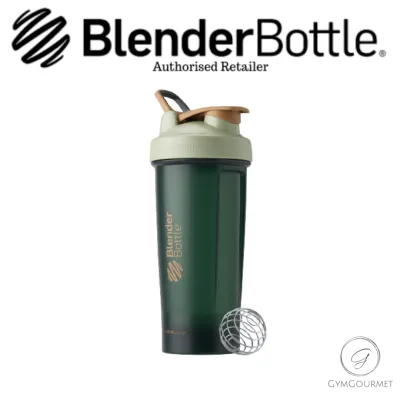
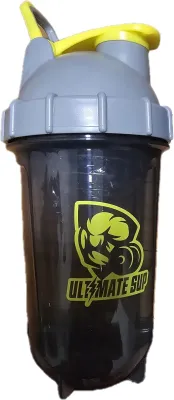
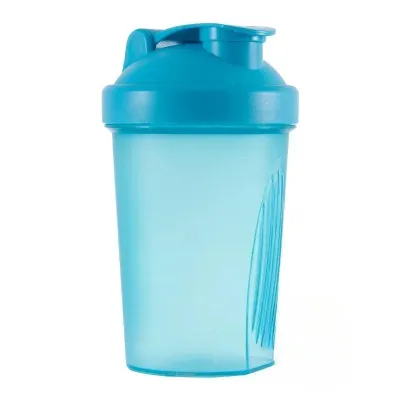
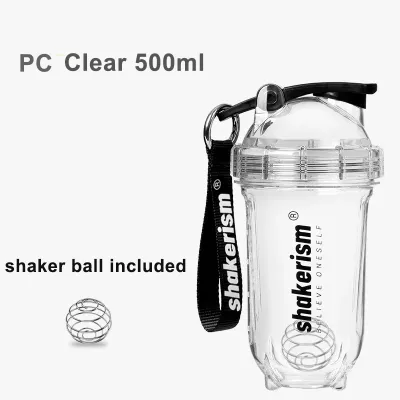
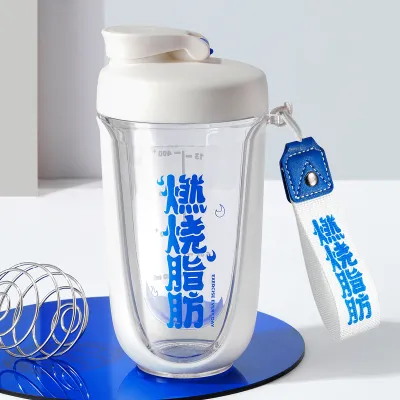
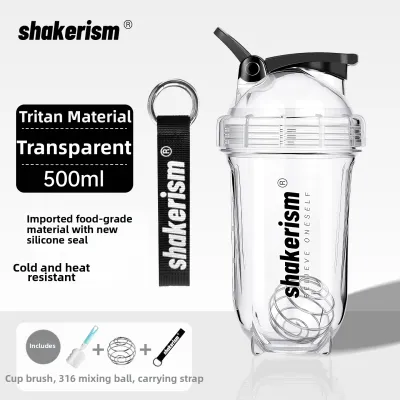
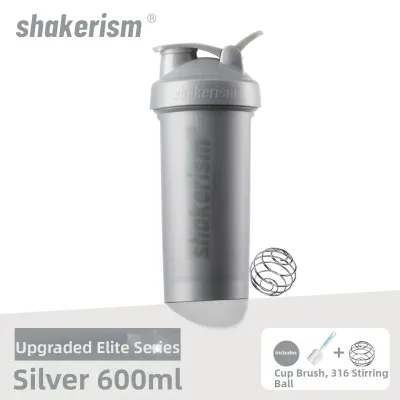
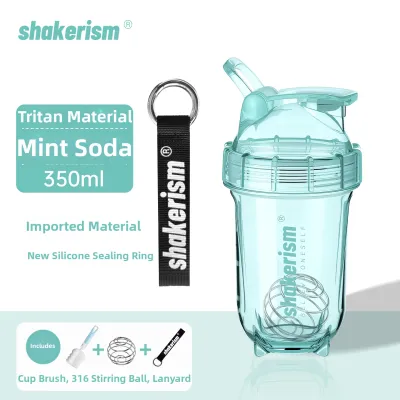
Prices are valid at publication and may change. Please refer to the product page for the latest price.
If you prefer a lighter and quieter option, some brands offer foam- or gel-lined insulation. These bottles typically feature double-walled plastic construction with a layer of insulating foam or non-toxic gel sealed inside. While these materials do not match the thermal performance of a true vacuum, they provide a lightweight alternative that dampens the sound of the mixing ball. The trade-off is a significantly shorter cooling duration, making them better suited for shorter workouts where you plan to consume your shake quickly.
For maximum flexibility, you can also consider a modular approach using a single-wall bottle paired with an external thermal sleeve. These sleeves are usually made of neoprene or similar insulating fabrics that slip over the exterior of the bottle. This setup allows you to enjoy a lightweight, easy-to-shake bottle during your workout while providing a basic barrier against external heat during your commute. While this is often the most budget-friendly option, it offers the least thermal protection and requires you to wash both the bottle and the fabric sleeve separately if spills occur.
Essential Design Features for Tropical Climates
Singapore’s high relative humidity introduces unique challenges that standard water bottles often fail to address. One of the most common issues is external condensation, often referred to as “sweating.” When cold liquid is poured into a poorly insulated bottle, the moisture in the humid air condenses on the cold outer surface. This condensation can quickly ruin items in your gym bag, such as dry towels, spare clothes, or sensitive electronics. When comparing brands, look for vacuum-insulated models that explicitly guarantee a sweat-free exterior, ensuring your gear remains dry during transit.

Another critical area to evaluate is the integrity of the lid and spout mechanisms. A shaker bottle undergoes significant pressure changes when you shake liquid inside, especially if there is any temperature differential. Look for brands that feature secure, locking flip caps or screw-on spout covers backed by high-quality silicone gaskets. A reliable locking mechanism prevents accidental openings when the bottle is jostled inside a crowded bag on the MRT or during a vigorous mixing session.
Finally, the tropical climate accelerates the growth of odor-causing bacteria, particularly when dealing with dairy-based protein powders. To combat this, pay close attention to the interior finish of the bottle. High-quality stainless steel models often feature electropolished interiors that resist staining and odor retention. Additionally, examine the design of the lid’s sealing rings. Brands that use easily removable, food-grade silicone O-rings allow for thorough cleaning, preventing old protein residue from building up in hard-to-reach crevices and causing persistent, unpleasant smells.
Verifying Brand Specifications and Real-World Limits
When browsing different shaker bottle brands online or in local sports shops, you will frequently encounter bold claims regarding temperature retention. It is essential to interpret these claims realistically rather than taking them at face value. Manufacturers typically test these limits under controlled laboratory conditions, starting with a bottle filled entirely with ice-cold water and kept sealed in a temperate room. In reality, your bottle will be opened frequently, exposed to ambient temperatures exceeding 30 degrees Celsius, and often filled with room-temperature tap water mixed with powder and a few ice cubes.
To verify the quality of a bottle before buying, look closely at the material specifications listed on the packaging or the manufacturer’s official website. For metal bottles, look for food-grade 18/8 or 304 stainless steel, which offers excellent corrosion resistance and durability. If you are opting for a plastic model, ensure it is certified BPA-free and phthalate-free to avoid chemical leaching when exposed to warm temperatures. High-quality brands will openly share these material certifications rather than hiding behind vague marketing terms.
Another factor that separates premium brands from budget alternatives is the long-term availability of replacement parts. Over months of daily use and washing, silicone gaskets can degrade, mixing balls can get lost, and lids can crack if dropped on hard gym floors. Before committing to a specific brand, check if they sell individual replacement lids, O-rings, and mixing accessories. Choosing a brand with a robust spare-parts ecosystem ensures you do not have to discard an entire expensive insulated bottle just because a single small component has worn out.
Decision Framework: Matching the Bottle to Your Routine
To select the perfect shaker bottle for your lifestyle, you can use a simple decision framework based on your typical workout environment and habits. If your routine involves long outdoor training sessions, running, or working out in non-air-conditioned spaces like community fitness corners, a double-wall vacuum-insulated stainless steel bottle is highly recommended. This type of bottle provides the heavy-duty thermal barrier needed to keep ice solid and your shake cold for several hours, even when exposed to direct sunlight.
Conversely, if your workouts are primarily held in air-conditioned commercial gyms or home setups, and you usually consume your protein shake within an hour of mixing, a lightweight insulated plastic bottle or a single-wall bottle with a sleeve may be more practical. These options are much easier to carry during a commute, fit comfortably into standard backpack side pockets, and do not create a loud metallic clanging sound when you shake them. They offer sufficient cooling for short durations without the added bulk of heavy steel.
Before making your final purchase, perform a few practical checks to ensure the bottle integrates seamlessly into your daily life. Measure the base diameter of the bottle to verify it will fit into your car’s cup holders or the side pockets of your favorite gym bag. Additionally, check the manufacturer’s cleaning instructions. While some stainless steel bottles are dishwasher safe, others require hand washing to protect the vacuum seal and exterior powder coating. Choosing a bottle that matches your preferred cleaning routine will save you significant time and effort in the long run.
Frequently Asked Questions (FAQ)
Can I put hot liquids in an insulated shaker bottle?
You should exercise extreme caution when putting hot liquids into any sealed shaker bottle. Shaking hot liquids, such as coffee or warm meal replacements, creates rapid steam and pressure buildup inside the airtight container. When you flip open the spout or unscrew the lid, this pressure can cause the hot liquid to spray out forcefully, posing a serious burn risk. Always check the manufacturer’s explicit guidelines regarding temperature limits, and never shake a bottle containing hot or carbonated liquids unless it features a specialized pressure-release valve designed for that purpose.
How do I prevent protein shake odors in steel bottles?
To prevent stubborn protein odors from clinging to your insulated bottle, make it a habit to rinse the container with warm water immediately after finishing your shake. If you cannot wash it thoroughly right away, leaving a small amount of water inside prevents the residue from drying and sticking to the walls. For deep cleaning, wash the bottle with a mixture of warm water and baking soda, or let it soak in a mild white vinegar solution to neutralize persistent odors. Always disassemble the lid completely, remove the silicone O-rings, and allow all components to air-dry fully in a well-ventilated area before reassembling and storing the bottle.

Community discussion
Share your experience or ask a question. Comments are reviewed before publication.