
To keep your protein shake cold during a humid gym session in Singapore, you need a shaker bottle that relies on double-wall vacuum insulation rather than basic plastic or single-wall metal. In tropical climates, ambient heat rapidly warms up cold liquids, turning a refreshing post-workout shake into an unappealing, lukewarm drink. Finding the right bottle requires looking past marketing buzzwords and evaluating the physical construction, lid sealing mechanisms, and material specifications of different brands. By understanding how these design elements combat heat transfer, you can select a shaker that maintains ice-cold temperatures from your commute through your final set.
How Insulation Technology Keeps Shakes Cold
Double-wall vacuum insulation works by creating a physical void between two walls of stainless steel. Because heat requires a medium to travel through via conduction or convection, the vacuum layer prevents external ambient heat from warming the liquid inside. In contrast, single-wall metal or standard plastic shaker bottles offer virtually no thermal barrier, allowing the surrounding air temperature to rapidly equalize with your cold beverage.
To further minimize heat transfer, high-quality insulated shakers utilize food-grade stainless steel, typically 18/8 or 304 grade. Some premium models incorporate an internal copper lining on the outer surface of the inner wall. Copper is an excellent thermal reflector, which helps block radiant heat transfer, adding an extra layer of protection against external warmth.
Products mentioned in this guide
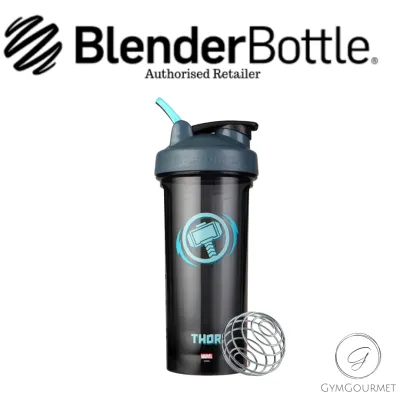
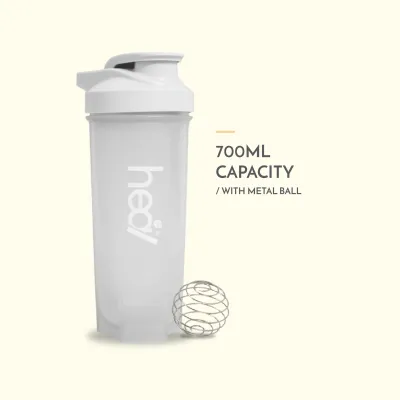
![[SG READY STOCK] BPA FREE Shaker Bottle / Protein Shake Water Bottle / Gym Bottle 500ml / 700ml](https://img.lazcdn.com/g/p/0de8859ff768f1ee77a962892ead8e6a.jpg_400x400q80.jpg_.webp)
![[Cheapest] Baebear Protein Shaker Bottle with Blender Ball | BPA Free / Leak Free / Portable [Baebear.sg]](https://img.lazcdn.com/g/p/9091b2636306c01aeed087dcb0685462.jpg_400x400q80.jpg_.webp)
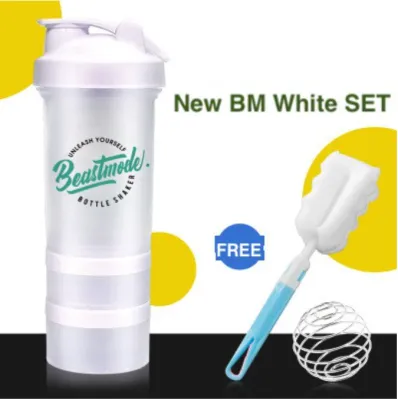
![[Shopwithme99] 3 in 1 Shaker BPA Free Steel Mixing Ball Gym Protein Shaker Bottle With Pills and Powder Container](https://img.lazcdn.com/g/p/ddd41d5e1f5a6e5e91d2dfe4dedcafc7.png_400x400q80.png_.webp)
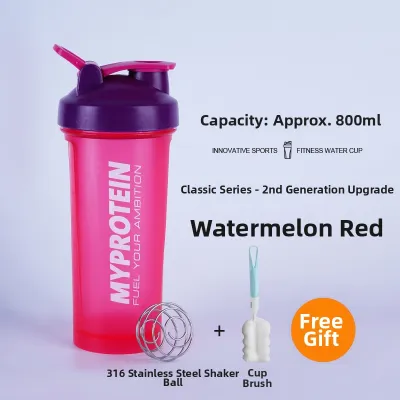
Prices are valid at publication and may change. Please refer to the product page for the latest price.
In high-temperature environments, such as outdoor fitness parks or non-air-conditioned functional training gyms, these material differences become highly apparent. Direct sunlight hitting a bottle can quickly heat up the exterior metal shell; without a robust vacuum seal, that heat transfers directly into your shake, accelerating ice melt and warming your protein mix within minutes.
Key Specifications to Compare Across Shaker Brands
When shopping for an insulated shaker, manufacturers often advertise impressive cold retention claims, sometimes promising up to 24 hours of chill. It is crucial to verify the testing conditions behind these claims, as they often assume the bottle is filled entirely with ice and kept in a temperature-controlled indoor environment. For real-world gym use, look for brands that specify performance under active conditions or provide detailed testing parameters.

Physical dimensions are equally important for daily convenience. Compare the capacity, empty weight, and base diameter of potential bottles. A larger 32-ounce bottle holds more liquid but will be significantly heavier when filled, which can be cumbersome during a workout. Ensure the base diameter is compatible with standard gym equipment cup holders, treadmill slots, and your gym bag’s side pockets to prevent the bottle from tipping over during transit.
Additionally, pay close attention to the interior finish of the stainless steel. Protein powders are notorious for leaving behind stubborn residues and unpleasant odors if the bottle is not cleaned immediately. Look for shakers featuring electropolished or ultra-smooth interior coatings. These finishes reduce microscopic crevices where bacteria and protein particles can cling, making it much easier to keep the bottle smelling fresh even after multiple uses.
Evaluating Lid Designs for Insulation and Leak Prevention
While the body of an insulated shaker is highly effective at blocking heat, the lid is often the weakest link in thermal performance. Most lids are made of plastic, which conducts heat more readily than a vacuum-insulated steel wall. Therefore, the design and sealing capability of the lid play a major role in how long your shake stays cold.
Compare the three primary lid styles: flip-cap, screw-top, and push-button. Flip-caps offer quick access but can wear down over time, potentially compromising both the leak-proof seal and thermal retention. Screw-top lids generally provide the most secure physical seal and highly effective thermal performance, though they require two hands to open. Push-button lids with locking mechanisms offer a middle ground, providing rapid one-handed access while maintaining a tight seal when closed.
Regardless of the lid style, inspect the sealing components. High-quality shakers feature thick, replaceable silicone gaskets that line the lid joints to prevent air exchange and leaks. Ensure all plastic components are certified BPA-free to guarantee safety when exposed to varying temperatures. A secure, well-insulated lid ensures that your shake remains contained during vigorous mixing and stays cold even when stored in a warm gym bag.
Verifying Performance and Maintaining Your Shaker
To ensure your chosen shaker bottle meets its thermal promises, you can perform a simple at-home ice-melt test before taking it to the gym. Fill the bottle with a measured ratio of ice and cold water, seal the lid tightly, and let it sit at room temperature. Check the bottle periodically over 12 to 24 hours to observe how much ice remains; a functioning vacuum seal should keep the ice from melting completely for the majority of the advertised duration, and the exterior of the bottle should remain dry and cool to the touch.
Maintaining hygiene is critical for any shaker bottle, especially when used for dairy-based protein shakes. Establish a daily cleaning routine using warm water, mild dish soap, and a soft bottle brush to clean the interior without scratching the steel. For a deeper weekly clean, remove the silicone gaskets from the lid and soak them in a mixture of warm water and baking soda or white vinegar to eliminate deep-seated odors and prevent mold growth.
Over time, physical impacts from drops or rough handling can damage the vacuum seal of your bottle. If you notice the exterior of the stainless steel shell sweating or feeling cold when filled with ice water, the vacuum insulation has likely failed. Once the seal is compromised, the bottle will lose its insulating properties and should be replaced to ensure your drinks stay cold during workouts.
Decision Framework: Matching Bottle Features to Your Workout
Selecting the ideal insulated shaker depends heavily on your specific workout environment and routine. If your training sessions frequently exceed two hours, or if you work out in non-air-conditioned spaces like outdoor tracks or local community fitness corners, prioritize a heavy-duty, double-wall vacuum-insulated model. These robust bottles offer the optimal thermal protection needed to combat high ambient temperatures and humidity.
Conversely, if your workouts are shorter, conducted in fully air-conditioned commercial gyms, or if you prioritize a lightweight gear bag, a lighter hybrid model might be more suitable. These options may offer slightly less cold retention but are easier to carry and often feature simpler designs that are faster to clean post-workout.
Before making your final decision, verify the manufacturer’s warranty terms and the availability of replacement parts. Brands that offer replacement lids, silicone gaskets, and mixing accessories provide better long-term value, as you can easily replace a worn seal or lost cap without needing to purchase an entirely new insulated bottle. Expect premium insulated shakers to carry a higher initial cost than basic plastic alternatives, making durability and component availability key factors for your investment.
Frequently Asked Questions (FAQ)
Can You Mix Hot Liquids in an Insulated Shaker?
No, you should avoid mixing hot liquids in a sealed, insulated shaker bottle. Shaking hot liquids creates rapid steam and pressure buildup inside the airtight container. When you attempt to open the flip-cap or unscrew the lid, this pressure can cause the hot liquid to spray out violently, posing a serious burn risk. Always check the manufacturer’s guidelines for specific temperature limits, and use non-insulated, open mugs or specialized heat-resistant containers for hot beverages.
Do Insulated Shakers Require a Specific Mixing Mechanism?
Insulated shakers can use various mixing mechanisms, including wire whisk balls, built-in plastic strainer grids, or removable mixing inserts. When using a traditional stainless steel wire whisk ball inside a stainless steel bottle, there is a minor risk of scratching the interior electropolished finish over time. To protect the inner lining of your bottle, consider using plastic-coated whisk balls, integrated lid grids, or shaker bottles with built-in blending fins that do not contact the metal walls directly.

Community discussion
Share your experience or ask a question. Comments are reviewed before publication.