
Selecting the right football size is a foundational step in your child’s athletic development. A size 3 football is specifically engineered for younger players, typically under the age of eight, to help them build confidence, refine motor skills, and learn proper kicking techniques. However, age is only a starting point; physical stature, coordination, and the specific requirements of your child’s play environment are equally critical factors. Introducing a ball that is too large or heavy can lead to poor habits and physical strain, while a ball that is too small may not provide the resistance needed to develop strength.
To make an informed decision, evaluate how the ball interacts with your child’s body during active play. Proper equipment cannot replace structured training or parental guidance, but it does provide a safe and supportive foundation. By observing your child’s mechanics and understanding the specifications required by local programs, you can ensure they have the right tool to enjoy the sport safely and effectively.
How to Assess If a Size 3 Football Fits Your Child's Physical Profile
Evaluating whether a size 3 football is appropriate requires looking closely at your child’s physical dimensions. While general manufacturer guidelines often recommend this size for children aged five to eight, children grow at vastly different rates. A child’s height and leg length are far more accurate indicators than chronological age. If a ball is too large relative to their height, it will disrupt their natural center of gravity and force them to adapt their movements in ways that can hinder their athletic development.
Products mentioned in this guide
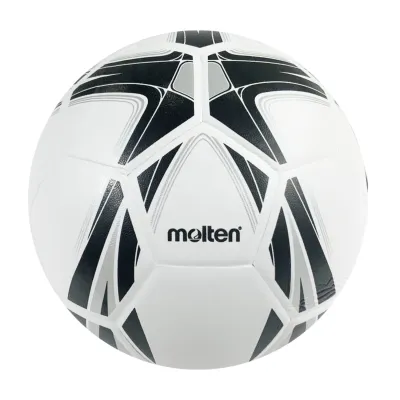
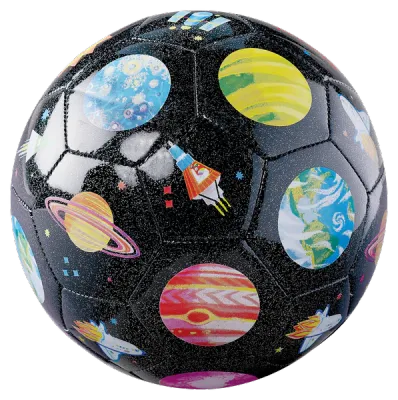
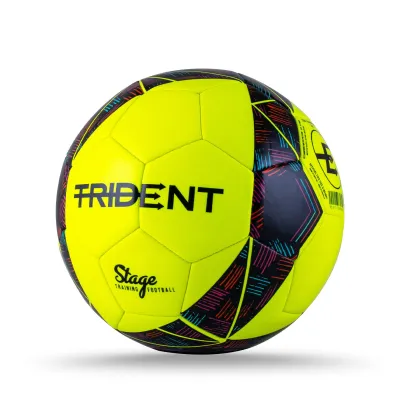
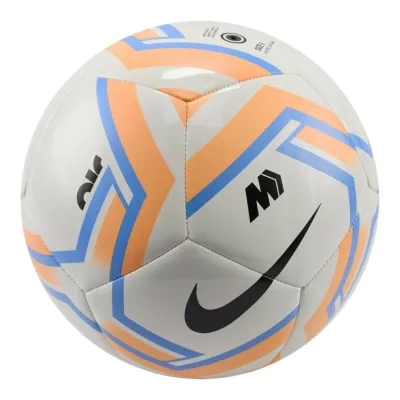
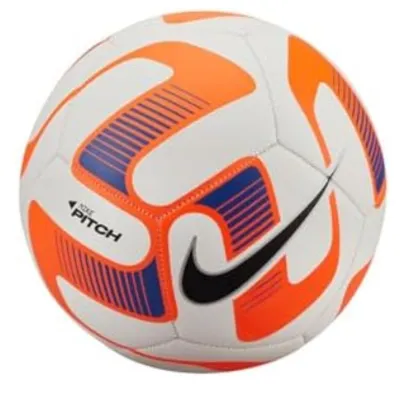
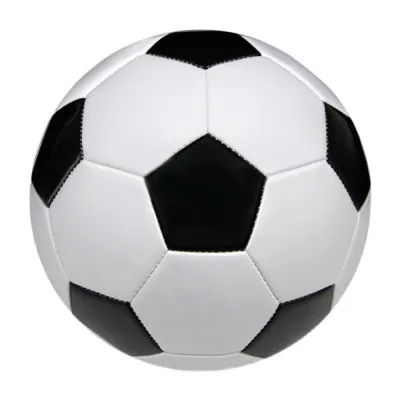
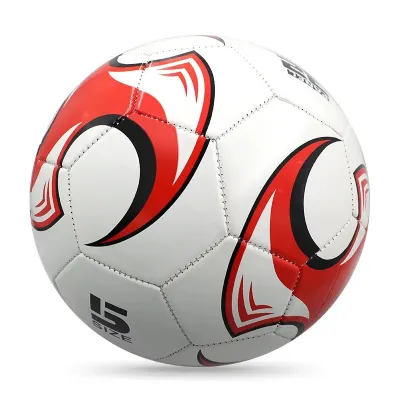
Prices are valid at publication and may change. Please refer to the product page for the latest price.
To assess the physical fit at home, have your child stand naturally next to the football. The top of the ball should ideally align with the lower to middle portion of their shin. If the ball reaches near or above their knee, it is too large. When a ball is disproportionately tall, the child must lift their kicking leg unnaturally high or swing their leg outward to clear the top of the ball. This awkward movement pattern prevents them from developing a clean, straight-through kicking motion and can place unnecessary stress on their developing hip joints.
Beyond individual physical traits, you must also consider the requirements of organized play in your area. In Singapore, youth academies, school sports programs, and community leagues maintain strict equipment standards to ensure fair play and player safety. Many local junior programs mandate the use of a size 3 ball for under-8 (U8) divisions. Before purchasing, check the specific league handbook or consult with the coaching staff to confirm the mandated ball size for your child’s age group, as playing with an unapproved size can exclude them from official matches and team training sessions.
On-Field Signs the Current Football Size Is Incorrect
Observing your child during active play is the most effective way to determine if their football is the wrong size. When a ball is too heavy or too large, a child’s body will instinctively compensate to move the extra mass. One of the most common signs of an oversized ball is “toe-poking,” where the child repeatedly strikes the ball with the tips of their toes rather than using the instep or the laces. This occurs because they lack the foot surface area and leg strength to get under a larger ball properly, which limits their control and can cause toe discomfort.

Another mechanical warning sign is an exaggerated backward lean during kicks. If your child must lean their entire torso far backward just to lift the ball off the ground, the ball is likely too heavy for their current strength level. This posture compromises their balance, makes it difficult to change direction quickly, and increases the risk of falling. Proper kicking form requires a stable, slightly forward-leaning posture with the plant foot placed firmly beside the ball—a stance that is nearly impossible to maintain if the ball’s weight is disproportionate to the child’s physical capacity.
Dribbling control also suffers when the ball size is incorrect. If the ball constantly rolls far ahead of your child or if they struggle to keep it within one step of their feet, the ball-to-foot ratio is likely mismatched. A size 3 ball should allow a young player to make soft, controlled touches using both the inside and outside of their foot. Finally, pay close attention to physical fatigue and complaints. If your child complains of sore ankles, feet, or shins after a short practice session, or if they lose interest in playing after just a few minutes, stop the activity immediately and check if the ball is too heavy or over-inflated.
When to Transition from a Size 3 to a Size 4 Football
As your child grows, their physical capabilities will eventually outpace the design of a size 3 football. Recognizing when to transition to a size 4 ball—which is the standard size for players aged nine to twelve—is essential for continued skill progression. One clear physical milestone is when the size 3 ball begins to look disproportionately small against your child’s foot and leg. If they can kick the ball long distances with minimal effort, or if the ball feels too light and flies unpredictably when struck with force, their leg strength has likely surpassed the limits of a size 3 ball.
This transition often coincides with official age-group advancements in organized sports. In Singapore, most youth leagues transition players to a size 4 ball when they enter the under-9 (U9) or under-10 (U10) categories. Coaches will typically signal this change ahead of the new season. It is highly beneficial to align your home practice equipment with these league transitions so your child does not experience a sudden adjustment period when official training resumes.
To ensure a smooth transition, introduce the size 4 ball gradually during casual, low-pressure play sessions at a local park or open space. Do not immediately retire the size 3 ball. Allow your child to practice basic passing and dribbling with the larger ball to assess their comfort level. If they can maintain proper kicking mechanics, control the ball close to their body, and play without experiencing early fatigue or joint discomfort, they are ready to make the permanent switch. If they struggle or revert to toe-poking, return to the size 3 ball for a few more months to allow their strength and coordination to catch up.
Essential Product Checks Before Buying a Size 3 Football
When shopping for a size 3 football, verifying the technical specifications on the manufacturer’s label is crucial to ensure safety and durability. Official size 3 balls should have a circumference of approximately 58.5 to 61 centimeters and a weight range of 310 to 340 grams. Avoid purchasing novelty, toy, or promotional balls that lack these official markings. These substandard products often have uneven weight distribution, which causes unpredictable bounces and makes it difficult for a child to develop consistent ball control.
The choice of outer material and bladder construction should match the primary surface where your child will play. For natural grass fields or modern artificial turf pitches, a ball with a polyurethane (PU) outer casing and a soft foam backing is ideal, as it offers a responsive feel and minimizes the impact on young feet. If your child frequently plays on abrasive surfaces, such as concrete void decks or hardcourt multi-purpose facilities, look for a ball with a durable polyvinyl chloride (PVC) casing or a reinforced street-specific design that can withstand rough friction without tearing.
Proper inflation is the final, critical check for safety and performance. Every quality football has its recommended inflation pressure, typically measured in pounds per square inch (PSI), printed directly around the air valve. For a size 3 youth ball, this is usually between 6 and 8 PSI. Over-inflating a ball makes it rock-hard, which can cause foot pain and increase the risk of minor injuries during headers or close-range impacts. Ensure you have a reliable hand pump, a standard metal inflation needle, and a dedicated pressure gauge to verify the pressure before every play session.
Frequently Asked Questions (FAQ)
Can a child use a size 3 football for official matches?
Official match play is strictly governed by the rules of the specific league, school, or tournament organizer. While size 3 is the standard for most under-8 divisions, some leagues may have unique requirements based on their pitch sizes or local guidelines. Always consult your child’s coach or refer to the official league handbook to confirm the approved ball size before match day.
How often should I check the air pressure of a youth football?
It is best to perform a quick physical squeeze test before every play session. For a more accurate check, use a pressure gauge once a week. Temperature changes and regular use can cause the ball to lose air slowly. Maintaining the manufacturer’s recommended pressure ensures consistent bounce, predictable flight, and reduces strain on your child’s feet.
Does the weight of a size 3 football vary between brands?
Yes, slight variations in weight and feel exist across different brands due to the materials used in the casing, lining, and bladder. For example, a ball with a butyl bladder might feel slightly heavier and retain air longer than one with a latex bladder. When shopping, prioritize balls that explicitly state they comply with standard youth sports specifications to ensure a safe and consistent playing experience.

Community discussion
Share your experience or ask a question. Comments are reviewed before publication.