
Evaluating whether Nilure is the right fishing brand for your entry into angling requires looking closely at how its equipment matches your learning goals, local environments, and budget. For a beginner, a good brand minimizes frustration by offering reliable, easy-to-use gear that does not break the bank. While Nilure offers various entry-level options, your success will depend on selecting the right rod and reel specifications for your target waters and performing basic quality checks before heading out. By understanding what makes a setup beginner-friendly, you can determine if this brand aligns with your needs.
Define Your Fishing Goals and Local Conditions
Before purchasing any fishing gear, you must define where and how you plan to fish. In Singapore, angling environments vary widely, from the calm waters of inland reservoirs like Bedok or MacRitchie to commercial ponds and exposed coastal jetties such as Bedok Jetty. Each location demands different gear characteristics. For instance, casting light lures for peacock bass in a reservoir requires a sensitive, lightweight setup, whereas bottom fishing from a jetty for larger saltwater species demands a sturdier rod and a reel with higher line capacity and corrosion resistance.
Your target species will dictate the strength and action of the gear you need. Beginners often start with versatile species like peacock bass, tilapia, or small snappers, which do not require heavy-duty ocean tackle. A medium-light to medium-power setup is generally the most versatile starting point, allowing you to experience a variety of fishing styles without overloading your wrists. Matching your gear to these target species ensures you do not end up with a rod that is either too stiff to cast light lures or too weak to handle a sudden run.
Products mentioned in this guide
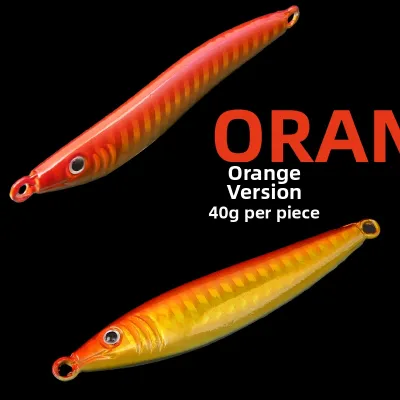
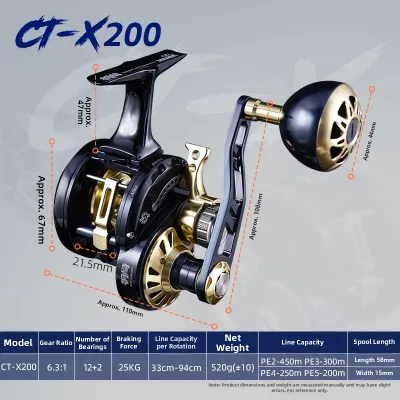
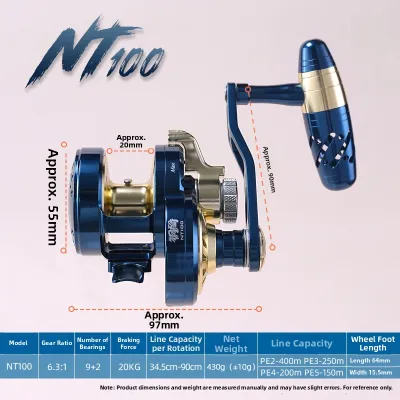
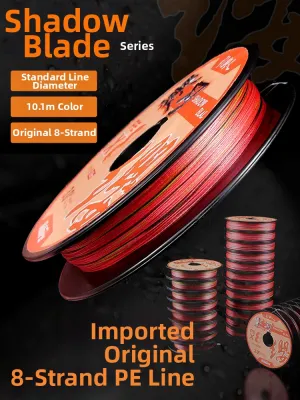
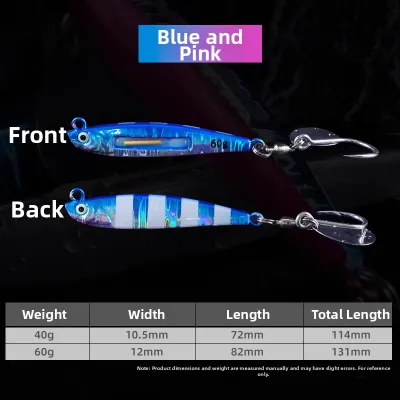
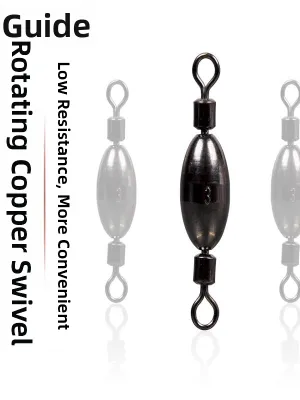
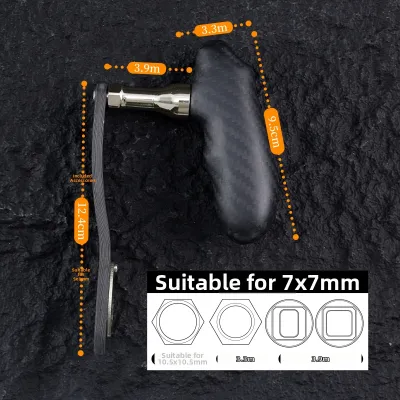
Prices are valid at publication and may change. Please refer to the product page for the latest price.
Additionally, consider your practical transport and storage limitations. If you rely on public transport like the MRT or buses to reach your fishing spots, a one-piece rod can be incredibly cumbersome to carry. In such cases, a two-piece or telescopic rod is highly practical, allowing you to pack your gear into a compact bag. Assessing these factors first prevents you from buying equipment that simply does not fit your daily routine.
Evaluating Usability and the Beginner Learning Curve
The learning curve in fishing can be steep, and poorly designed gear only adds to the frustration. When evaluating a brand’s rods, look for a medium action with a length between 6 and 7 feet. This configuration offers a balanced blend of casting distance and control, making it easier for novices to develop proper casting mechanics. The rod should also possess enough sensitivity in the tip to help you feel subtle bites, which is crucial for building confidence and learning when to set the hook.

For reels, beginners should almost always start with a spinning reel rather than a baitcaster. Spinning reels are far more forgiving, significantly reducing the occurrence of line tangles, commonly known as “birds’ nests.” Look for a reel with an easily accessible drag adjustment knob on the front, allowing you to make quick adjustments while fighting a fish. The bail arm should operate smoothly, opening with minimal effort and clicking firmly into place to prevent premature closing during a cast.
The overall weight and ergonomics of the rod and reel combo play a massive role in your comfort. A heavy, poorly balanced setup will quickly fatigue your arms and shoulders, cutting your fishing trips short. Look for lightweight materials like graphite or carbon composite in the rod blank, paired with comfortable EVA foam or cork grips. When the reel is mounted, the balance point should ideally sit just ahead of the reel seat, allowing the rod to feel like a natural extension of your arm.
Assessing Budget Alignment and True Costs in S$
Setting a realistic budget is essential when starting out, and a reasonable entry-level budget typically ranges from S$50 to S$150 for a complete rod and reel setup. Pre-matched combos are often the most cost-effective route for beginners, as manufacturers pair the rod and reel to ensure balanced weight and performance. Buying these components together usually saves money compared to purchasing them separately, leaving you with more budget for essential terminal tackle.
However, the cost of the rod and reel is only part of the equation. You must also factor in the hidden costs of essential accessories to get spooling and fishing. This includes high-quality mainline (either monofilament or braided line), fluorocarbon leader material, hooks, sinkers, swivels, and a selection of basic lures or bait. Allocating around S$30 to S$50 of your budget for these consumables ensures you are fully equipped and do not find yourself at the water’s edge missing critical components.
Finally, protect your investment by checking the warranty terms and local seller support. Because entry-level gear is more susceptible to manufacturing variances, buying from a seller that offers a clear return policy or a local warranty in Singapore is highly advantageous. If a rod tip snaps on your first cast due to a hidden defect, having access to responsive customer service or a straightforward replacement process saves you from losing your initial investment.
How to Inspect Build Quality Before You Buy
Whether you are shopping at a local tackle shop or receiving a package from an online marketplace, conducting a thorough physical inspection is vital. Start by examining the rod guides, which are the rings that direct the line along the rod. Run a cotton swab or your finger gently along the inside of each ceramic insert to check for micro-cracks or chips. Any rough edges will quickly fray and cut your fishing line under tension. Additionally, sight down the rod from the reel seat to the tip to ensure all the guides are perfectly aligned in a straight line.
Next, focus your attention on the reel’s mechanical components. Turn the handle slowly to feel for any grinding, catching, or excessive play in the gears; a quality entry-level reel should rotate smoothly and quietly. Test the anti-reverse switch to ensure the handle stops instantly without slipping backward. You should also pull line off the spool with the drag engaged at various tightness levels to verify that the drag releases line smoothly and consistently, without jerking or sticking.
Lastly, inspect the overall construction and fit of the components. Ensure the reel seat holds the reel foot securely without any wobbling or loosening when tightened. Check the rod blank for any visible scratches, deep gouges, or uneven epoxy coatings around the guide wraps. Inspect the edges of the reel body and rotor for sharp plastic or metal flashing that could snag your line. Taking five minutes to perform these checks can prevent a disappointing gear failure during your first outing.
Signs You Need to Upgrade or Switch Brands
As your skills develop, you will eventually reach the limits of entry-level equipment. One of the clearest signs that it is time to upgrade is when you begin targeting heavier, harder-fighting species that demand higher drag capacities and stronger line ratings. If your current reel’s drag system stutters or fails to stop a powerful run, or if your rod bends dangerously close to its breaking point without giving you leverage, you have outgrown your gear’s safety margins.
You may also find yourself wanting to adopt specialized fishing techniques that require highly precise equipment. For example, technical lure casting for wild barramundi requires a level of casting accuracy and rod responsiveness that basic combos cannot provide. Similarly, deep-water bottom fishing requires reels with specialized gear ratios and massive line capacities. When your gear actively limits your ability to execute these advanced techniques, upgrading becomes a necessity rather than a luxury.
Ultimately, recognize when equipment limitations are hindering your skill development. If you find yourself spending more time untangling line, adjusting a sticky drag, or fighting hand fatigue than actually fishing, your gear is working against you. Upgrading to mid-range or specialized brands at this stage will not only improve your catch rates but also restore the fun and relaxation that fishing is supposed to provide.
Frequently Asked Questions (FAQ)
What is the most important feature for a beginner fishing reel?
The most critical feature for a beginner reel is a smooth and easily adjustable drag system. The drag allows a fish to pull line off the spool under tension, preventing the line from snapping during sudden runs or heavy head shakes. A quality reel should have a front drag knob that allows for micro-adjustments, ensuring you can set the tension precisely according to your line’s breaking strength. Additionally, look for an instant anti-reverse bearing, which prevents the handle from spinning backward and ensures solid hook sets.
Should I buy a pre-matched combo or separate rod and reel?
For most beginners, a pre-matched combo is the highly recommended choice because it eliminates the guesswork of matching rod power to reel size. Combos are engineered to balance well in your hand, which reduces fatigue and makes learning to cast much easier. They are also generally more budget-friendly than buying a separate rod and reel. However, if you have specific technical requirements or want the flexibility to upgrade individual components later, purchasing separate parts allows for maximum customization.

Community discussion
Share your experience or ask a question. Comments are reviewed before publication.