
Setting up a home gym in a Singapore Housing & Development Board (HDB) flat requires balancing fitness goals with spatial reality. An AIBI exercise bike can be an excellent addition to your home, offering a compact and efficient way to maintain cardiovascular health without taking up the footprint of a treadmill. However, ensuring a seamless fit requires evaluating your specific flat layout, understanding the physical dimensions of the equipment, and planning for delivery and daily operation. By taking systematic measurements and preparing your space, you can enjoy a safe, quiet, and highly productive workout environment.
Assessing Your HDB Flat Layout and Available Space
HDB flats, especially newer Build-To-Order (BTO) units, often feature compact layouts where every square meter counts. Before purchasing any cardio equipment, identify the exact zone where you intend to place the bike. Use a physical measuring tape to map out the floor area, rather than relying on visual estimation.
Ceiling height is another critical factor that is easily overlooked. While standard HDB ceilings typically range from 2.6 to 2.8 meters, you must account for your own height when pedaling. If you plan to perform out-of-saddle climbs or high-intensity standing intervals, calculate your standing height on the pedals to ensure your head remains safely clear of ceiling fans, light fixtures, or low-hanging beams.
Products mentioned in this guide
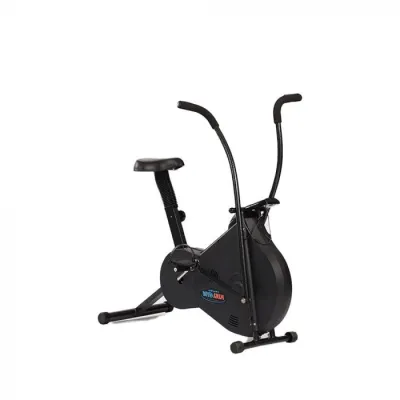
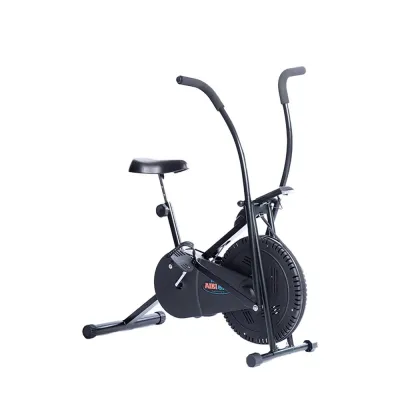
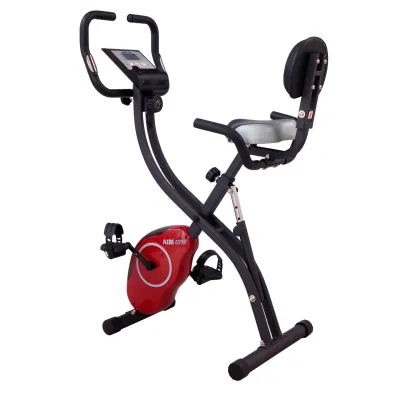
Prices are valid at publication and may change. Please refer to the product page for the latest price.
The journey of the exercise bike into your home starts long before the first workout. You must verify the delivery pathway to prevent logistical bottlenecks. Measure the width of your main entrance door, bedroom doors, and any narrow hallways the delivery team must navigate.
Additionally, consider the dimensions of your HDB block’s passenger lift. If the packaged box is exceptionally long or bulky, it must fit comfortably inside the lift cabin without violating weight limits or blocking doors. Checking these clearances beforehand prevents the frustration of a failed delivery or the need to unbox the equipment in the common corridor.
Finally, distinguish between high-traffic walkways and dedicated workout corners. Placing an exercise bike in a major thoroughfare, such as the path between the kitchen and the living room, creates a persistent tripping hazard and disrupts household flow. Opt instead for underutilized corners, study rooms, or dedicated alcoves where the bike can remain stationary without obstructing daily activities.
Verifying the AIBI Exercise Bike Footprint and Specifications
Because AIBI offers a diverse range of exercise bikes—spanning upright models, recumbent designs, and indoor studio cycles—there is no single universal dimension. You must locate the exact assembled length, width, and height of your chosen model. This information is typically found on the official manufacturer specification sheet, the product manual, or the retail label.

Do not design your workout space based solely on the static footprint of the machine. When you are actively riding, your body requires additional dynamic clearance. For instance, your knees will extend outward and upward, your elbows may flare, and you may lean forward over the handlebars.
To accommodate these natural body movements, add a safety margin of at least 50 centimeters to 1 meter around the entire perimeter of the bike’s static footprint. This buffer ensures that you do not strike nearby walls, furniture, or shelving during high-intensity sessions.
Equipment weight and floor compatibility are also vital considerations for HDB dwellers. While exercise bikes are generally lighter than commercial treadmills, they still concentrate significant weight onto small leveling feet. Check the total weight of the machine plus your own body weight to ensure your flooring can support it without damage.
Different HDB flooring materials react differently to concentrated pressure. Vinyl flooring and laminate can dent under heavy loads, while parquet can scratch easily if the bike shifts during a workout. Homogeneous tiles are highly durable but can still suffer from grout line wear or surface scuffing if the equipment is dragged. Identifying your flooring type helps you choose the right protective measures.
Setup Clearances, Ventilation, and Safety Margins
Safe operation of any fitness equipment relies on maintaining clear zones around the machine. Always leave sufficient clearance behind and beside the exercise bike. This open space is crucial for mounting and dismounting safely, and it provides an unobstructed escape path in the event of an emergency stop or loss of balance.
Singapore’s tropical climate introduces unique environmental challenges for indoor fitness equipment. Proper room ventilation is essential to keep both you and the machine cool. High humidity levels can cause sweat to accumulate rapidly, which can drip onto the bike’s electronic console, heart rate sensors, or magnetic resistance flywheels.
To prevent moisture damage and corrosion, avoid placing the bike in poorly ventilated, damp areas. Ensure the room has active airflow from a ceiling fan, standing fan, or air conditioning unit. Additionally, keep the equipment out of direct sunlight, as prolonged exposure to ultraviolet rays can degrade plastic components, fade digital displays, and overheat electronic consoles.
Power management is another critical aspect of a safe setup, especially for motorized or smart exercise bikes that require a constant electrical connection. Route all power cables safely along the baseboards of your walls. Avoid running cables across active walking paths where they present a severe tripping hazard or can be crushed by heavy foot traffic.
If you must run a cable across a floor area, use a heavy-duty rubber cable protector ramp to secure it flat against the ground. Never daisy-chain multiple extension cords or overload a single wall socket, as this can lead to electrical hazards and potential damage to the bike’s internal circuitry.
Optimizing Placement and Minimizing Noise Transfer
Integrating fitness equipment into a compact HDB flat requires creative spatial organization. Multi-purpose areas, such as a corner of the living room or a shared home office, are ideal locations. These spaces allow you to easily transition from work or relaxation to exercise, keeping your fitness routine convenient and consistent.
Living in close proximity to neighbors in an HDB block means that structural noise transfer is a common concern. The repetitive motion of pedaling, combined with the vibration of the flywheel, can transmit low-frequency hums through the concrete floor slab to the unit below. To maintain neighborly harmony, always place a high-density, anti-vibration floor mat beneath your exercise bike.
These specialized mats serve a dual purpose: they absorb structural vibrations before they reach the floor, and they protect your vinyl, parquet, or tile flooring from sweat, scratches, and pressure dents. Look for mats made of dense rubber or closed-cell foam designed specifically for heavy fitness equipment.
If your HDB flat is particularly tight on space, look for models that feature built-in transport wheels or folding mechanisms. These design features allow you to easily tilt and roll the bike out of the way when your workout is complete. You can store the bike against a wall, inside a utility closet, or behind a partition screen, effectively reclaiming your living space for the rest of the day.
Frequently Asked Questions (FAQ)
Will the noise from an exercise bike disturb my HDB neighbors?
Generally, modern exercise bikes are designed to operate quietly, but the level of noise depends heavily on the drive and resistance systems. Before purchasing, check the product specifications to identify the resistance type. Magnetic resistance systems are typically much quieter than friction-based felt pad systems, as they use magnets to create resistance without physical contact with the flywheel. To further minimize noise, avoid placing the bike on hollow wooden platforms or raised flooring structures, which can act as amplifiers for vibration. Using a thick anti-vibration mat is highly recommended to dampen any remaining structural sound.
Can I keep the exercise bike on the balcony or service yard?
Placing your exercise bike on an open balcony or service yard is highly discouraged. Singapore’s weather is characterized by high humidity, sudden rain splashes, and intense direct sunlight, all of which can severely damage fitness equipment. Moisture can penetrate the electronic console, corrode the steel frame, and degrade the drive belt, while sun exposure can warp plastic parts and ruin digital screens. To protect your investment, maintain warranty validity, and ensure your personal safety, always set up and store your exercise bike in a fully enclosed, climate-controlled indoor environment.

Community discussion
Share your experience or ask a question. Comments are reviewed before publication.