
Deciding whether the Seasir Sirius is the right first fishing reel for your angling journey requires looking closely at how its design matches your target environment and skill level. For beginners in Singapore, selecting a reel is not just about finding an affordable option; it is about choosing gear that minimizes frustration while you learn the basics of casting, line management, and fish retrieval. By understanding how to evaluate this reel’s specifications and maintenance needs, you can make an informed decision before spending your hard-earned money.
While budget-friendly reels offer an accessible entry point, their performance and longevity depend heavily on how they are used and maintained. The Seasir Sirius can serve as a practical learning tool, provided you verify its features against your specific fishing goals. This guide outlines the essential criteria for a beginner-friendly reel, how to inspect the Sirius’s specifications, and how to care for your gear in tropical conditions.
What to Look for in Your First Fishing Reel
A beginner-friendly fishing reel must prioritize ease of use and forgiveness. When you are first learning to cast and retrieve, you do not want to fight your equipment. Look for a reel with a reliable instant anti-reverse system, which stops the handle from spinning backward when you stop winding. This feature is crucial for setting the hook quickly and keeping tension on a fish.
Products mentioned in this guide
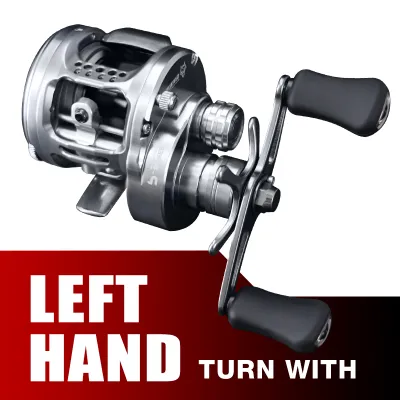
Prices are valid at publication and may change. Please refer to the product page for the latest price.
Another critical component is an intuitive, smooth drag system. The drag regulates how easily line pulls off the spool when a fish fights. A drag that adjusts smoothly prevents sudden line breakage, allowing you to land larger fish even on lighter lines. For novices, a front-drag system is generally preferred because it is easy to adjust mid-fight.
Ergonomics and physical weight also play a major role in your overall experience. Fishing often involves hours of repetitive casting and retrieving. A heavy, unbalanced reel will quickly tire your wrist and forearm, leading to poor casting form and early fatigue. Choosing a lightweight reel made from modern composite or aluminum materials helps you stay comfortable during long sessions at local fishing spots.
Finally, consider the simplicity of maintenance and the availability of basic replacement parts. Beginners are prone to getting sand, dirt, or saltwater inside their gear. A reel that is easy to disassemble for basic cleaning, or one that has readily available schematics, makes the learning curve of gear maintenance much less intimidating.
Checking the Seasir Sirius Specs for Beginner Suitability
To determine if the Seasir Sirius fits your needs, you must verify its specifications on the product packaging or official manufacturer listings. Start by checking the gear ratio, which indicates how many times the spool spins for every full turn of the handle. A versatile ratio like 5.2:1 or 6.2:1 is ideal for beginners because it handles both slow bait presentations and faster lure retrievals effectively.

Next, look at the line capacity markings on the spool. This tells you how much line of a specific diameter the reel can hold. For general fishing in Singapore’s reservoirs or coastal jetties, you want a reel that can hold at least 100 to 150 meters of your chosen line. Ensure the spool design supports the line type you plan to use, whether it is monofilament, fluorocarbon, or braided line.
You should also verify the ball bearing count and the materials used. While a higher number of bearings generally translates to a smoother retrieve, the quality of the bearings is far more important than the quantity. Look for shielded or sealed stainless steel bearings, which offer better protection against dust and moisture. Smooth retrieval helps you feel subtle bites rather than the vibration of the reel’s internal gears.
Assess the maximum drag force rating to ensure it matches your target species. If you plan to target small reservoir species like peacock bass, a modest drag rating is perfectly adequate. However, if you are casting from coastal spots where larger catfish or snappers might take your bait, you will need to verify that the drag system can provide enough stopping power without jerking or binding under pressure.
Assessing Durability and Maintenance for Local Waters
Singapore’s tropical climate presents unique challenges for fishing gear. High humidity, intense heat, and brackish or saltwater environments accelerate rust and corrosion. Before purchasing the Seasir Sirius, review the manufacturer’s documentation for specific corrosion-resistance features, such as a graphite frame or specially treated alloy components.
If you plan to fish in saltwater environments like Bedok Jetty or Changi beach, a strict post-trip maintenance routine is non-negotiable. After every outing, tighten the drag fully to prevent water from entering the drag washers, then gently rinse the exterior of the reel with fresh, low-pressure water. Never submerge the reel or use high-pressure hoses, as this forces salt and grit into the internal gears.
Once rinsed, loosen the drag completely to relieve pressure on the drag washers, allowing them to dry and maintain their shape. Wipe the reel down with a soft cloth and let it air dry in a well-ventilated indoor area away from direct sunlight. Periodically apply a single drop of specialized reel oil to the line roller, handle joints, and main shaft to keep the mechanism moving smoothly.
Additionally, check the availability of spare parts and warranty support before making your purchase. Budget-friendly reels can sometimes be difficult to repair if a small component like a bail spring or drag knob breaks. Confirming that the seller or local distributors can supply basic replacement parts will save you from having to discard the entire reel over a minor issue.
Evaluating Value and Setting Realistic Expectations
When evaluating the value of the Seasir Sirius, compare its features and price against other entry-level reels in the same S$ price bracket. Look at what competing brands offer in terms of body materials, drag smoothness, and overall weight. A good value reel should offer a balance of reliable performance and durable construction without unnecessary, flashy features that do not improve usability.
It is also important to recognize when you might need to step up to a more specialized reel. If your fishing goals involve heavy-duty shore casting, targeting large marine species, or frequent offshore trips, a budget-friendly beginner reel may not hold up to the extreme stress. In those scenarios, investing in a reel with a full-metal body and highly sealed drag systems is a safer choice.
Set realistic expectations for any entry-level reel. While the Seasir Sirius can be an excellent tool for learning the ropes, it will not have the same ultra-smooth refinement, tight tolerances, or long-term durability as premium models costing several times more. Accept that minor play in the handle or a slightly noisier retrieve over time are normal trade-offs for an affordable starting setup. Focus on mastering your casting technique and gear care, which will serve you well throughout your angling journey.
Frequently Asked Questions (FAQ)
Can the Seasir Sirius handle saltwater fishing?
To verify if the Seasir Sirius is suitable for saltwater, check the manufacturer’s specifications for corrosion-resistant materials, such as a composite body or sealed bearings. Even with these features, Singapore’s warm coastal waters are highly corrosive. You must rinse the reel thoroughly with fresh water and apply light lubrication after every saltwater trip to prevent rust.
What rod pairing works best with this reel size?
To create a balanced setup, match the physical weight and line capacity of the reel to a rod with compatible power and action ratings. For example, a medium-light rod rated for 6-12 lb line pairs well with a typical beginner-sized reel. Ensure the reel foot fits snugly and securely into the rod’s reel seat without any wobbling before you head out.

Community discussion
Share your experience or ask a question. Comments are reviewed before publication.