
When evaluating a premium yoga mat, thickness is one of the most critical specifications to consider, yet it cannot be judged in isolation from material composition. For practitioners comparing a Jade Yoga mat against other high-end alternatives, the decision involves weighing the unique characteristics of open-cell natural rubber against synthetic options like polyurethane, closed-cell polyvinyl chloride (PVC), and thermoplastic elastomers (TPE). While a thicker mat generally promises more cushioning, the actual support, stability, and traction you experience depend heavily on how the material responds to pressure and moisture.
Understanding how these material differences interact with various thickness profiles allows you to select a mat that aligns with your physical needs, practice environment, and transportation habits. Whether you are flow-sequencing in a humid studio or practicing restorative poses on a hard home floor, matching the right mat profile to your discipline is essential for a safe and comfortable practice.
Understanding Jade Yoga's Thickness Range and Material
Jade Yoga has built its reputation on utilizing natural rubber harvested from rubber trees, a renewable resource that offers a distinct tactile experience compared to synthetic alternatives. Within their product lineup, thickness options generally fall into three primary categories: standard mats (approximately 4.8 mm), lightweight mats (approximately 3.2 mm), and ultra-thin travel mats (approximately 1.6 mm). Each of these profiles is designed to serve different practice environments and portability requirements, but they all share the core characteristics of natural rubber.
Products mentioned in this guide
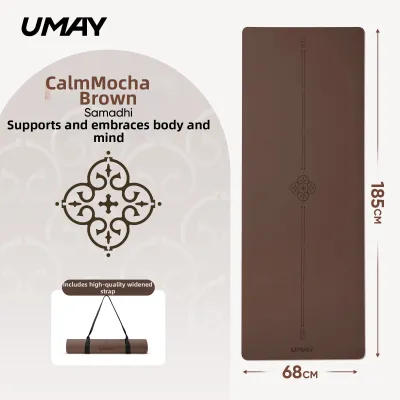

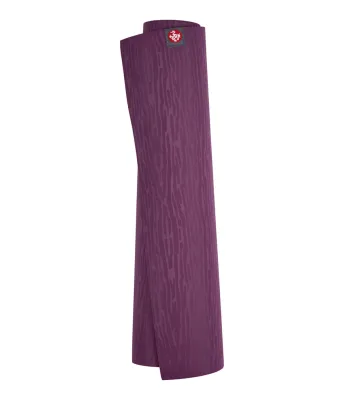



Prices are valid at publication and may change. Please refer to the product page for the latest price.
The defining feature of Jade Yoga mats is their open-cell structure. Unlike closed-cell mats, which have a smooth, sealed surface, open-cell rubber contains microscopic pores that act like tiny suction cups, providing exceptional dry grip and traction. This structure also allows the mat to absorb moisture, which helps prevent slipping during sweaty practices. However, this absorbency means that sweat, oils, and dirt can penetrate the mat surface, requiring diligent maintenance to keep the material hygienic and prevent premature degradation.
Because natural rubber is inherently dense, Jade Yoga mats are heavier than synthetic mats of equivalent thickness. A standard 4.8 mm natural rubber mat provides substantial compression resistance, meaning it does not easily bottom out under the weight of your knees or elbows, but this density translates to a heavier carrying weight. For practitioners who frequently commute with their mats, the 3.2 mm lightweight option offers a compromise, reducing the carrying burden while retaining the signature rubber grip, though it provides noticeably less cushioning on hard floors.
Proper care is essential to preserve the integrity of a natural rubber mat. According to manufacturer guidelines, natural rubber is sensitive to ultraviolet light and heat. Storing your mat in direct sunlight or leaving it in a hot car can cause the rubber to dry out, become brittle, and lose its grip. Cleaning should be limited to gentle wiping with water or mild, highly diluted soap solutions, avoiding harsh chemicals, alcohol, or essential oils that can break down the natural rubber compounds.
Thickness Strategies of Competing Premium Brands
To fully appreciate how Jade Yoga compares to the wider premium market, it is helpful to examine the thickness and material strategies employed by competing brands. Premium manufacturers generally utilize three alternative material categories: closed-cell PVC, polyurethane (PU) top-layers with rubber bases, and lightweight TPE. These materials behave differently than open-cell natural rubber, even when compared at identical millimeter thicknesses.

Many premium synthetic mats utilize high-density, closed-cell PVC. These mats are often offered in thicker profiles, typically ranging from 5 mm to 6 mm. Because the cells are closed, these mats do not absorb moisture, sweat, or bacteria, making them exceptionally hygienic and easy to sanitize. However, this sealed surface means that moisture can pool on top of the mat during dynamic or hot practices, creating a slippery surface unless paired with a specialized yoga towel. The high density of premium PVC provides outstanding, long-lasting joint protection, but it also results in a very heavy mat that is best suited for home or dedicated studio use.
Another popular premium category features a smooth polyurethane (PU) top layer bonded to a natural or synthetic rubber base, usually measuring between 4 mm and 4.2 mm in thickness. This design offers a different approach to traction: the PU surface is smooth to the touch but highly absorbent, drawing moisture away from the surface to deliver an intense, almost sticky grip during sweaty practices. This combination provides the stability of a dense rubber base with a highly responsive, non-slip top layer, though the smooth surface can show scuffs and oil marks more readily than textured rubber.
For practitioners prioritizing portability, lightweight synthetic materials like TPE are often manufactured in thicker profiles, such as 5 mm to 6 mm, while remaining remarkably light. While these mats are easy to carry, TPE is generally less dense than natural rubber or premium PVC. Under concentrated weight—such as a single knee in a low lunge—TPE compresses significantly more, which can result in less actual joint protection despite the greater nominal thickness. Understanding these material behaviors prevents the mistake of assuming that a higher millimeter measurement automatically translates to superior comfort.
Core Dimensions for Comparing Mat Thickness and Performance
When comparing premium yoga mats across different brands, evaluating thickness requires looking beyond the numbers on the packaging. To find the ideal balance for your practice, you must analyze how thickness interacts with four core performance dimensions: joint support, stability, traction, and portability.
Joint support is determined by a combination of thickness and material density, often referred to as compression resistance. A thin mat made of high-density natural rubber or premium PVC can offer better joint protection than a thicker mat made of low-density foam. When you place your weight on a low-density mat, the material compresses completely, leaving your joints resting virtually directly on the hard floor. To evaluate this, check the manufacturer’s specifications for weight and density, or perform a simple compression test by pressing your thumb firmly into the mat to see how quickly and completely it recovers its shape.
Stability and balance are directly affected by how far your feet are elevated from the solid floor. Thicker, softer mats can create a “squishy” surface that compromises your foundation during standing balance poses, such as Tree Pose or Warrior III. When the surface beneath your feet yields too easily, the small stabilizing muscles in your ankles and feet must work harder to maintain balance, which can lead to premature fatigue or joint strain. For active, standing-heavy practices, a slightly thinner or denser mat (between 3 mm and 5 mm) typically provides a more stable, grounding foundation.
Traction and grip are influenced by how thickness and material structure handle moisture. In warm or humid climates, such as Singapore, sweat production can quickly compromise your grip. Open-cell mats, like Jade Yoga, absorb moisture to maintain surface traction, but a thicker open-cell mat will hold more moisture over a long practice, requiring longer drying times. Conversely, closed-cell mats keep moisture on the surface, which can cause slipping unless you use a microfiber towel. Polyurethane mats offer a middle ground, absorbing moisture rapidly while maintaining a smooth surface, though they must be allowed to dry completely after use to prevent odor buildup.
Portability and weight are practical considerations that dictate how often you will actually use your mat. A 5 mm natural rubber mat can weigh upwards of 3 kg, which can be a significant burden if you commute via public transport or walk long distances to your studio. If portability is your primary concern, a lightweight 3 mm mat or a foldable 1.5 mm travel mat is much easier to transport, though you may need to supplement them with studio props or a secondary mat when practicing on exceptionally hard floors.
Decision Framework: Matching Thickness to Your Practice
Choosing between Jade Yoga and other premium brands requires a clear understanding of your primary practice style, physical requirements, and typical practice environment. No single mat thickness or material is universally ideal for every practitioner, so a structured decision framework can help you identify the best option for your specific needs.
You should consider a Jade Yoga mat if your priority is an eco-friendly, sustainably sourced natural rubber mat that offers an exceptionally tactile, textured grip. If your practice consists primarily of dynamic, moderate-temperature flows where reliable dry traction is essential, a standard 4.8 mm Jade mat provides an excellent balance of cushioning and stability. For those who travel frequently or prefer a closer connection to the floor, the 3.2 mm lightweight version offers the same high-traction surface in a more portable package.
Alternative premium brands may be more suitable if you require specialized features not found in natural rubber. If you practice restorative or yin yoga and require maximum cushioning without the extreme weight of rubber, a thick, high-density synthetic mat (such as a 6 mm closed-cell PVC mat) provides excellent long-term comfort. Additionally, if you prefer a smooth, non-textured surface that is easy to sanitize quickly between classes, a polyurethane or closed-cell synthetic mat may better serve your hygiene preferences.
Before making a final decision, verify the primary surface where you will be practicing. If you frequently transition between highly diverse environments—such as hot yoga studios, carpeted home floors, and outdoor parks—verify if a single mid-thickness mat can accommodate all these settings. For instance, a highly absorbent open-cell mat may perform beautifully in a hot studio but require extensive drying time before it can be packed away for travel, whereas a closed-cell mat paired with a towel offers more versatility across different environments.
It is important to note that neither option may be suitable if you require highly specific, medical-grade joint support due to chronic injuries or skeletal conditions. In such cases, relying solely on a thicker yoga mat is not a substitute for professional guidance. You should consult a physical therapist or qualified medical professional to discuss appropriate modifications, specialized props, or therapeutic exercises tailored to your specific physical limitations.
Assessing Value and Longevity Across Premium Options
Investing in a premium yoga mat involves a significant financial commitment, with prices in Singapore typically ranging from S$100 to S$200 depending on the brand, material, and thickness. To assess the true value of this investment, you must consider not only the upfront cost but also the expected lifespan and maintenance requirements of the material.
Natural rubber is a biodegradable material, which means it will naturally break down and wear out over time, especially when subjected to regular use, sweat, and environmental exposure. Signs of degradation include a loss of grip, shedding of small rubber particles, or wearing thin in high-pressure areas, such as where your hands and feet rest during Downward-Facing Dog. While a Jade Yoga mat offers outstanding performance and environmental benefits, its lifespan may be shorter than that of high-quality synthetic mats, which are highly resistant to wear and environmental factors.
To maximize the longevity of your investment, always check the manufacturer’s label for specific care, storage, and breaking-in instructions. Some premium mats require an initial breaking-in period—such as a light salt scrub or several weeks of regular use—to wash away manufacturing residues and achieve their optimal grip. Additionally, proper storage, such as rolling the mat with the top side facing outward, prevents the edges from curling and ensures the mat lays flat during your next practice, preserving both its performance and appearance over years of use.
Frequently Asked Questions (FAQ)
Does a thicker yoga mat always mean better joint support?
No, a thicker yoga mat does not automatically guarantee better joint support. Actual joint protection depends heavily on the density and compression resistance of the material rather than the millimeter measurement alone. A thin, high-density natural rubber or premium PVC mat can prevent your joints from pressing through to the hard floor far more effectively than a thicker, low-density foam mat that collapses under pressure. Always check the manufacturer’s specifications for material density and weight to evaluate the true level of support.
How do I clean and maintain a thick natural rubber mat?
To clean a thick natural rubber mat safely, wipe it down with a soft cloth dampened with water and a few drops of mild, diluted dish soap, or use a manufacturer-approved natural rubber mat wash. Avoid using harsh chemical cleaners, bleach, alcohol, solvents, or essential oils, as these substances can break down the natural rubber compounds and destroy the mat’s grip. Never submerge the mat in water, place it in a washing machine, or expose it to direct sunlight, as UV rays and excessive heat will cause the rubber to dry out, crumble, and degrade prematurely.
Are premium travel mats too thin for daily practice?
For most practitioners, an ultra-thin travel mat (typically 1.5 mm to 2 mm) is too thin to serve as a primary mat for daily practice on hard floors, as it offers minimal cushioning for sensitive joints during kneeling or weight-bearing poses. However, travel mats are highly versatile and can be used effectively by layering them over a studio-provided mat for hygiene and extra grip, or by pairing them with a specialized yoga towel or knee pad to provide targeted cushioning where needed.

Community discussion
Share your experience or ask a question. Comments are reviewed before publication.