
Whether the Jitsulife Pro 1S will disturb your HDB neighbors depends on your setup, running habits, and how you manage structural vibration. While the motor itself may run quietly, the physical impact of your feet hitting the deck can easily travel through the floor. In high-density housing, proactive noise mitigation is essential to prevent neighbor disputes.
Understanding Treadmill Noise and Vibration in HDB Flats
Living in a high-density Housing & Development Board (HDB) flat means sharing concrete floors and walls with neighbors. When introducing a treadmill to this environment, understanding how sound travels is essential. Treadmill noise is split into two categories: airborne noise and structure-borne vibration.
Airborne noise consists of sounds traveling through the air, such as the hum of the electric motor, the friction of the running belt, or music playing. While airborne noise can be annoying if windows are open, it is usually contained reasonably well by closed doors and concrete walls.
Products mentioned in this guide
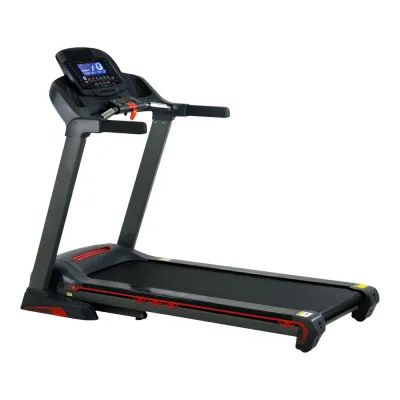
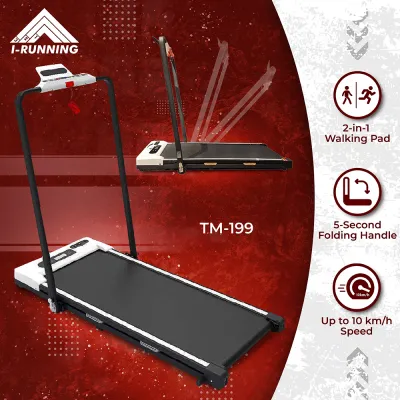
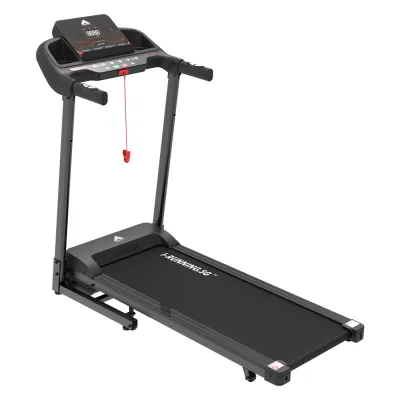
Prices are valid at publication and may change. Please refer to the product page for the latest price.
Structure-borne vibration is the primary cause of neighbor complaints. Every time your foot strikes the treadmill deck, a mechanical shockwave travels down through the frame and directly into the concrete floor slab. Concrete slabs are excellent conductors of low-frequency vibrations, transmitting these thuds directly to the ceiling of the unit below.
Furthermore, perceived loudness varies by time of day. During daylight hours, ambient sounds like traffic and household activity mask the low-frequency hum. In the quiet hours of early morning or late night, this background noise drops, making even minor structural vibrations highly noticeable.
Evaluating the Jitsulife Pro 1S for Apartment Use
To determine how the Jitsulife Pro 1S performs in your flat, you must evaluate its design features and manufacturer specifications. Because laboratory testing environments differ from the acoustics of a furnished HDB flat, relying solely on a single decibel rating is rarely sufficient.

Start by checking the user manual or product label for the motor specifications. Treadmills designed for home use often utilize direct current (DC) motors, which generally operate more quietly than alternating current (AC) commercial motors. Note any declared noise levels, keeping in mind that these figures represent the machine running empty at moderate speeds.
Next, inspect the deck cushioning system. The quality of the shock absorbers or rubber elastomer pads built into the frame plays a critical role in noise control. A well-designed cushioning system deforms under impact, absorbing kinetic energy from your stride before it reaches the floor.
Finally, consider how your physical profile interacts with the machine. User weight and stride length are major variables in noise generation. A heavier individual or someone with an aggressive running stride exerts more force on the deck, resulting in louder footstrikes. Always verify that your weight falls within the treadmill’s certified weight capacity to ensure stable, quiet operation.
Practical Steps to Minimize Noise and Impact Transfer
Implementing a few practical, low-risk adjustments can significantly decouple your equipment from the building’s structure and minimize noise transfer.
The most effective step is placing a high-density anti-vibration mat directly under the treadmill. Standard yoga mats are insufficient for absorbing heavy impacts. Instead, use thick, specialized rubber mats or high-density foam tiles designed for heavy exercise equipment. These materials isolate the treadmill’s feet, dampening vibrations before they penetrate the concrete slab.
Strategic placement within your flat also makes a substantial difference. Position the treadmill away from shared partition walls to prevent airborne noise from echoing. If you are familiar with your building’s layout, avoid placing the machine directly above a neighbor’s bedroom or study. Setting up your workout station in the living room, over a high-traffic area of the unit below, reduces the likelihood of disturbance.
Your running technique and scheduling also play vital roles. Schedule high-intensity running sessions during reasonable daytime hours when neighbors are likely to be awake. When running, focus on maintaining a lighter footstrike. Landing on your mid-foot rather than striking heavily with your heels reduces the peak impact force.
Lastly, establish a routine maintenance schedule. Over time, friction between the running belt and the deck increases, straining the motor and generating noise. Regularly apply silicone lubricant under the belt as recommended by the manufacturer, and periodically tighten all frame bolts to prevent squeaking and rattling.
Signs Your Setup Needs Adjustment
Even with preventative measures, you must monitor your setup continuously to ensure it remains quiet. You can identify potential issues by looking for physical signs of excessive vibration within your own home.
During your workout, pay close attention to the sounds in your room. Listen for any rhythmic thumping, metallic rattling, or squeaking coming from the treadmill frame. If you notice objects on nearby shelves, tables, or glass cabinets vibrating or clinking together while you run, this indicates significant floor resonance. The vibration is traveling through your floor and shaking other structures, meaning it is likely being felt by the neighbors below.
If a neighbor reports a low-frequency humming or thudding sound, take the feedback seriously. Stop using the machine immediately and inspect your setup to make necessary adjustments.
Frequently Asked Questions (FAQ)
Can I use the Jitsulife Pro 1S late at night in an HDB flat?
Using a treadmill late at night in an HDB flat carries a high risk of disturbing your neighbors. Because ambient background noise drops significantly during the night, the low-frequency vibrations from your footstrikes will sound much louder to the residents living below you. It is highly recommended to check local community guidelines or estate rules regarding quiet hours, which typically run from 10:30 PM to 7:00 AM, and avoid running during these times.
Does walking on the treadmill cause less disturbance than running?
Yes, walking on a treadmill generates substantially less structure-borne vibration than running or sprinting. When you walk, at least one foot remains in contact with the deck at all times, preventing the heavy impact forces associated with running. If you need to exercise during early mornings or late evenings, walking or using an incline setting is an excellent, much quieter alternative that keeps impact noise to a minimum.

Community discussion
Share your experience or ask a question. Comments are reviewed before publication.