
Choosing the right kids’ boxing gloves requires balancing the glove’s weight (measured in ounces) with your child’s age, physical hand size, and specific training activities. Generally, younger children aged 4 to 7 years doing light fitness or pad work typically use 4 oz to 6 oz gloves, while older children aged 8 to 12 years transition to 6 oz, 8 oz, or even 10 oz gloves depending on whether they are hitting heavy bags or engaging in controlled sparring. However, weight is only one part of the equation; the glove must physically fit the child’s hand compartment to prevent injury. Before purchasing, parents should measure their child’s hand circumference and verify the fit against the manufacturer’s specific sizing guide to ensure proper wrist and knuckle protection.
Understanding Glove Weight (oz) vs. Physical Size
When shopping for kids’ boxing gloves, it is common to confuse the weight of the glove with its physical size. The abbreviation “oz” stands for ounces, which represents the weight of the internal foam padding rather than the physical dimensions of the glove’s hand compartment. A heavier glove contains more padding to absorb impact, but it does not automatically mean the glove is physically larger or designed for a larger hand.
Dedicated kids’ boxing gloves are engineered with a scaled-down internal hand compartment specifically designed to match the anatomical proportions of a child’s hand. This is a critical distinction because an adult glove weighing 8 oz will have a much wider hand pocket, longer finger slots, and a wider wrist opening than a youth glove of the exact same weight. If a child wears an adult glove, their hand will slide around inside, leading to poor fist alignment and an increased risk of wrist sprains or knuckle injuries.
Products mentioned in this guide
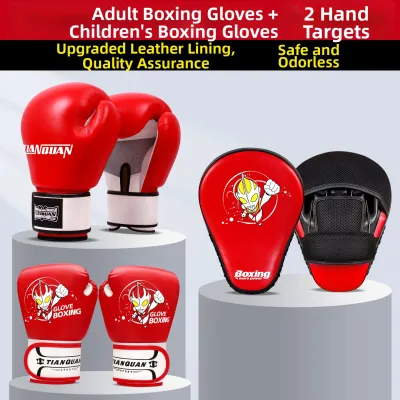
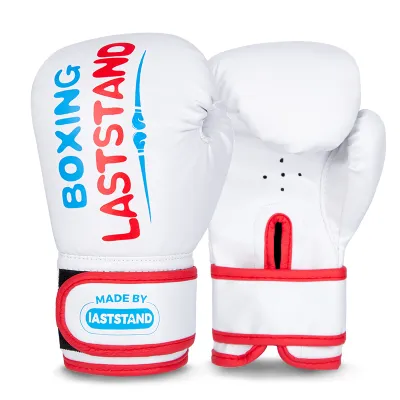
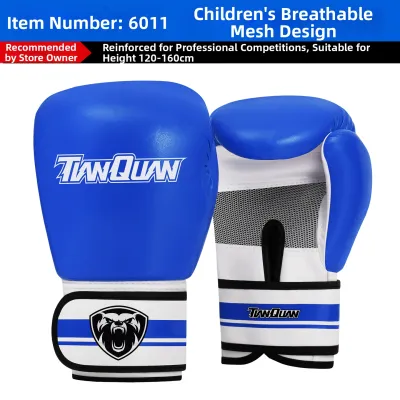
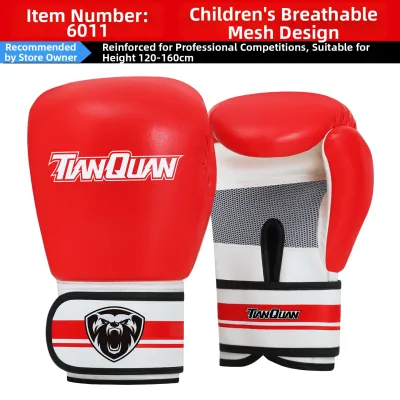
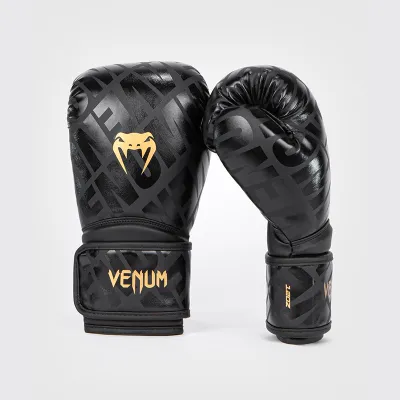
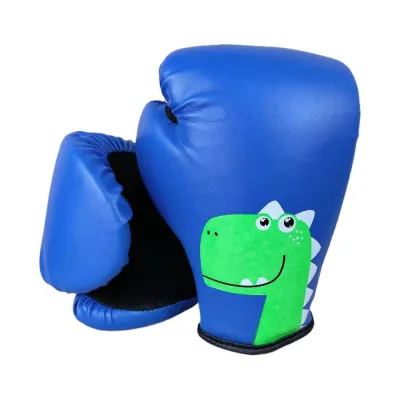
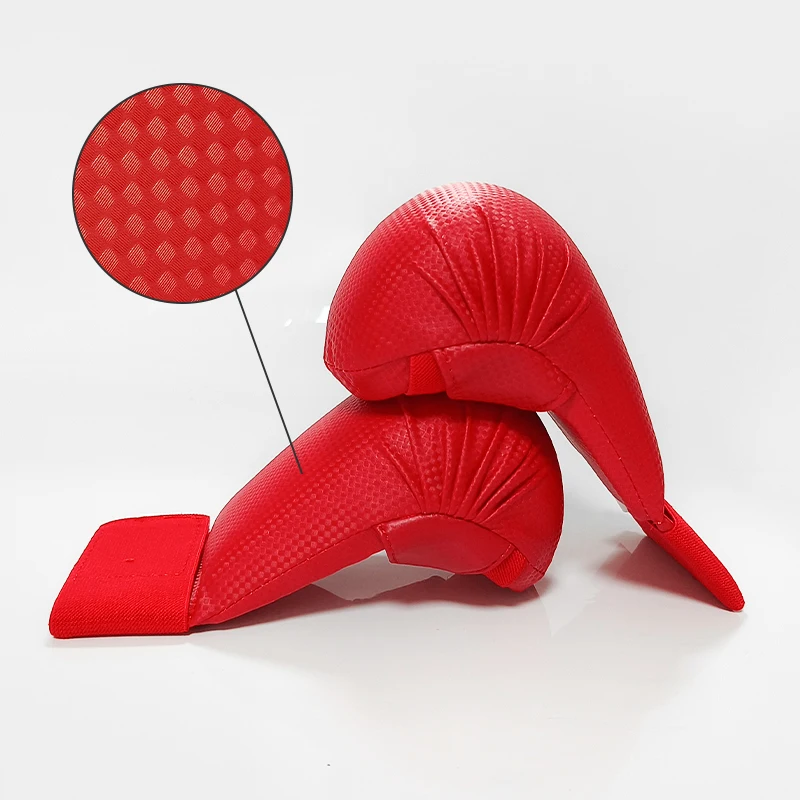
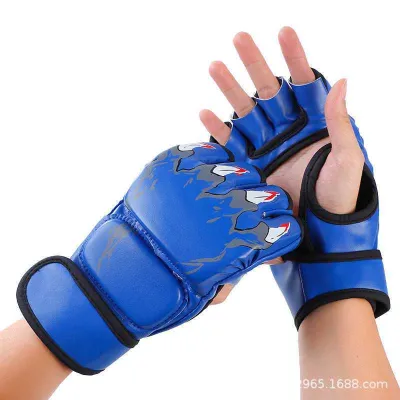
Prices are valid at publication and may change. Please refer to the product page for the latest price.
Because there is no universal standardization across brands, parents should avoid relying solely on generic age-to-weight charts. A 6 oz glove from one manufacturer might have a tighter hand compartment than a 6 oz glove from another. Always check the manufacturer’s specific sizing documentation, which typically correlates glove weight with the child’s body weight, age, or hand-span measurements, to ensure a secure and anatomically correct fit.
Matching Glove Weight to Training Activities
The ideal glove weight depends heavily on what your child does during their training sessions. Different activities place different demands on a glove’s padding, and using the wrong weight can either hinder technique development or compromise safety.

For bag and pad work, the primary goal is protecting the child’s developing bones from the repetitive impact of hitting solid targets. When striking a heavy bag or focus mitts, the glove needs sufficient high-density padding to absorb the shock. Parents should consult the manufacturer’s guidelines to determine if a slightly heavier glove, such as a 6 oz or 8 oz model, is recommended to provide adequate knuckle protection during high-impact bag drills.
If your child is progressing to light, supervised sparring, the priority shifts to protecting both your child and their training partner. Gyms and coaches typically require heavier gloves for sparring—often 10 oz or even 12 oz for older kids—because the extra padding slows down hand speed slightly and cushions the impact of punches. Before buying sparring gear, always check with your child’s boxing coach to ensure the gloves meet the specific safety requirements and weight rules of the gym.
For general fitness classes, cardio boxing, or shadow boxing where there is little to no contact with heavy targets, lighter gloves are usually preferred. A lighter 4 oz or 6 oz glove allows children to focus on learning proper form, hand speed, and defensive movements without their shoulders tiring out prematurely from carrying unnecessary weight.
How to Measure and Fit Kids' Boxing Gloves
To find the perfect fit, you must measure your child’s hand rather than guessing based on their age or clothing size. Hand sizes vary widely among children of the same age, making physical measurements the most reliable starting point.
To measure your child’s hand, wrap a flexible tape measure around the dominant hand just below the knuckles, excluding the thumb. Ensure the tape is snug but not tight, and record the circumference in inches or centimeters. This measurement represents the hand width and is the primary metric used by sports brands to categorize youth glove sizes.
Once you have this measurement, cross-reference it directly with the sizing chart provided by the specific brand you plan to buy. Because sizing structures vary significantly between manufacturers, a medium in one brand might correspond to a small in another. Never assume that a child who wears a certain size in one brand will fit the same size in another.
When trying on the gloves, perform a few physical checks to verify the fit. Have your child slide their hand into the glove, preferably while wearing hand wraps if their training requires them. Ensure their fingertips do not press painfully against the very end of the glove, and check that their thumb fits comfortably into the thumb lock. Finally, fasten the wrist strap; it should provide rigid, supportive alignment for the wrist joint without cutting off circulation or pinching the skin.
Essential Safety and Comfort Features Beyond Weight
While weight and size are paramount, several other design features directly impact your child’s safety, comfort, and overall enjoyment of the sport. Evaluating these details before making a purchase ensures the gloves will last and remain comfortable throughout hot training sessions.
The closure system is a major factor in usability. Hook-and-loop straps, which use hook-and-loop fasteners, are the standard choice for youth gloves because they allow children to put on and take off their gloves independently during class. Lace-up gloves offer superior, customized wrist support but require an adult or coach to tie them every time, making them impractical for most casual or school-aged recreational classes.
Wrist support is critical for preventing injuries as children learn to punch with power. Look for gloves with a wide, reinforced wrist cuff that keeps the hand and wrist aligned in a straight line upon impact. A flimsy wrist section allows the wrist to bend backward when hitting a heavy bag, which can lead to painful strains.
Given Singapore’s warm and humid climate, breathability is essential to prevent the buildup of sweat and unpleasant odors. Opt for gloves featuring mesh palms or ventilation holes, along with moisture-wicking inner linings that dry quickly after use. For materials, high-quality synthetic leather is often the most practical option for growing kids, offering excellent durability and easy cleaning at a reasonable price point, typically ranging from S$30 to S$70. Genuine leather gloves offer superior longevity for competitive youth athletes but come at a higher cost and require more maintenance.
Frequently Asked Questions (FAQ)
Can children use small-weight adult boxing gloves?
No, children should not use adult boxing gloves, even if they are low in weight. Adult gloves are designed with a much larger internal hand compartment, wider finger slots, and a larger wrist opening to accommodate adult hands. If a child wears an adult glove, their hand will slide around inside, preventing proper fist formation and knuckle alignment. This lack of support significantly increases the risk of wrist sprains, hand fatigue, and knuckle injuries during impact.
How do I know if my child's boxing gloves are too small?
You can identify if your child has outgrown their gloves through several observable signs. If your child complains of cramped fingertips, numbness, or restricted blood flow during training, the gloves are likely too small. Other indicators include difficulty putting the gloves on over hand wraps, the wrist strap failing to close securely, or the child experiencing unusual knuckle pain or bruising after hitting pads. Regularly check the fit, as children can outgrow sports gear quickly.

Community discussion
Share your experience or ask a question. Comments are reviewed before publication.