
When you are pushing through an outdoor workout or wrapping up an intense gym session, the temperature of your water matters. While Kinto, Hydro Flask, and Thermos all utilize double-wall vacuum insulation to keep drinks cold, choosing the right one for active use depends more on your specific sport, lid preferences, and carrying habits than on a single brand’s laboratory rating. In controlled environments, high-quality vacuum-insulated stainless steel bottles perform similarly because they all eliminate the physical pathways for heat transfer.
However, once you step out of the lab and onto the trail, the court, or the yoga mat, real-world variables take over. The frequency with which you open the bottle, the design of the lid, and the ambient temperature of your environment will have a far greater impact on how long your water stays ice-cold than the brand logo on the side. To find the ideal bottle, you must look beyond the basic cold-retention claims and evaluate how each brand’s materials, ergonomics, and lid mechanisms align with your physical activities.
Understanding Insulation Specs: Kinto, Hydro Flask, and Thermos
To make an informed choice, it helps to understand how manufacturers arrive at their cold-retention claims. When a brand states that a bottle keeps drinks cold for 12, 24, or even 36 hours, this rating is determined under highly controlled laboratory conditions. Typically, the bottle is filled with water chilled to approximately 4°C, sealed, and placed in a room kept at a constant temperature of around 20°C to 22°C. The test ends when the water temperature rises to a specific threshold, often around 15°C, which is still considered cool but no longer ice-cold.
Products mentioned in this guide
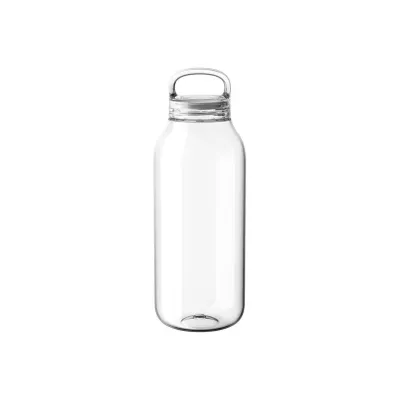
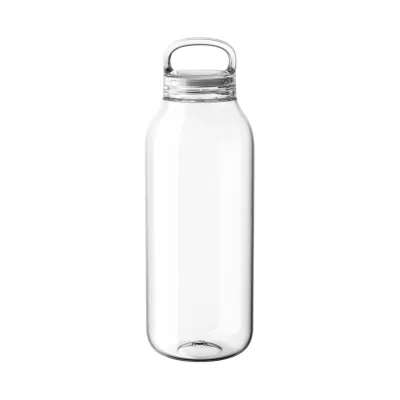
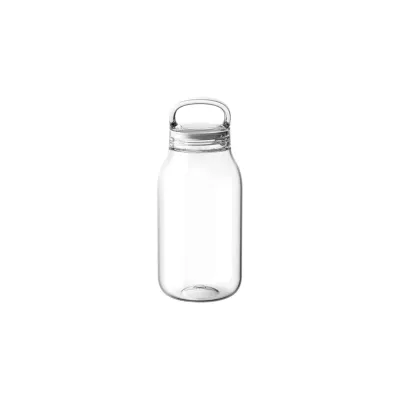
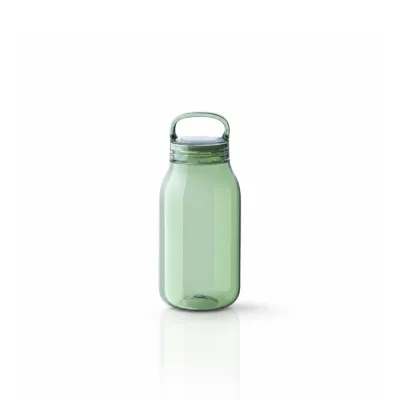
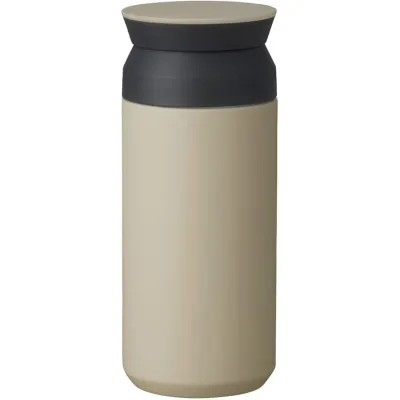
Prices are valid at publication and may change. Please refer to the product page for the latest price.
The primary technology behind this performance is double-wall vacuum insulation. This construction features an inner and an outer wall of stainless steel with the air evacuated from the space between them. Because a vacuum contains no air molecules, it prevents heat from transferring via conduction or convection. Some premium bottles also incorporate a thin copper lining on the outer surface of the inner wall, which acts as a radiation barrier to reflect thermal radiation away from your cold beverage.
While the basic physics remains the same across Kinto, Hydro Flask, and Thermos, physical design choices alter thermal efficiency. For instance, a bottle with a larger capacity naturally retains its temperature longer than a smaller one simply because a larger volume of liquid possesses greater thermal mass. Conversely, the width of the bottle’s neck plays a critical role; a wider mouth provides a larger surface area for heat exchange whenever the lid is removed, whereas a narrow neck minimizes this exposure but limits how easily you can add ice.
Furthermore, the materials used in the lid assembly are a major source of thermal loss. While the body of the bottle is insulated by a vacuum, the lid is typically made of plastic, silicone, or rubber, which conduct heat much faster than a vacuum barrier. Consequently, a bottle with a thick, insulated cap will generally retain cold better than one with a thin, single-walled plastic lid or a lid with an integrated straw mechanism that allows ambient air to seep in.
Real-World Cold Retention Factors for Active Use
In active scenarios, the maximum cold-retention hours advertised on the packaging rarely reflect actual performance. When you are training outdoors, hiking under direct sunlight, or leaving your bottle in a warm vehicle, the external thermal load is significantly higher than in a temperature-controlled laboratory. To maintain the lowest possible temperature during your workouts, you must manage the variables within your control, starting with how you prepare the bottle.

The thermodynamic impact of ice-to-water ratios cannot be overstated. Water requires a substantial amount of energy to undergo a phase change from solid ice to liquid water—a concept known as latent heat of fusion. By filling your bottle with a high ratio of ice to water, you ensure that the internal temperature remains close to 0°C for an extended period, as the heat entering the bottle is absorbed by the melting ice rather than raising the temperature of the liquid.
Pre-chilling your bottle is another highly effective technique to maximize cold retention. Stainless steel is a conductor; if you fill a room-temperature bottle with cold water, the inner steel wall will immediately absorb heat from the liquid, raising its initial temperature. By filling the bottle with ice water for a few minutes, discarding it, and then refilling it with your cold drink and fresh ice, you ensure the inner wall is already chilled to the optimal starting temperature.
Your drinking habits also directly influence how quickly your beverage warms up. Every time you open the lid to take a sip, you introduce warm ambient air into the bottle and allow the cool air inside to escape. If you are using a wide-mouth bottle without a straw lid, this air exchange is rapid and substantial. For high-intensity sports where you hydrate frequently, choosing a bottle with a specialized sip spout or a well-sealed straw lid can help minimize this thermal exchange, even if the lid itself has slightly less insulation than a solid screw cap.
Beyond Temperature: Durability and Usability in Sports
When baseline insulation performance is comparable across high-quality brands, usability and durability become the deciding factors for active individuals. A bottle that keeps water ice-cold is of little use if it is too heavy to carry comfortably, leaks in your gym bag, or slips from your hands during a workout. Evaluating the physical design of the lids, exterior finishes, and overall ergonomics will help you select a bottle that enhances rather than hinders your performance.
Lid mechanisms are critical to both hydration efficiency and spill prevention. Straw lids, such as those available for Hydro Flask, allow for quick, upright sipping without tilting your head, making them ideal for running on a treadmill or driving to the gym. However, they require regular cleaning and may not be completely leak-proof under high pressure. Secure screw caps, often found on Kinto models, offer an exceptionally reliable seal for transport in a packed bag but require two hands to open. Thermos excels in push-button, locking lids that provide one-handed access with a physical lock to prevent accidental openings during high-movement activities.
The exterior finish of a sports bottle affects both your grip and the product’s longevity. Hydro Flask is widely recognized for its durable powder coating, which provides a textured, sweat-resistant grip that is easy to hold even when your hands are wet. Kinto also utilizes a high-quality powder-coated finish on its active lines, designed to withstand scratches from outdoor gear while maintaining a clean, minimalist aesthetic. Smooth, painted, or bare stainless steel finishes, while occasionally lighter, can become slippery when wet with sweat or condensation and are more prone to showing scratches and dents.
Weight and ergonomics are vital considerations when you are carrying your hydration over long distances. Vacuum-insulated stainless steel bottles are significantly heavier than their plastic counterparts, and a full 950ml bottle can easily weigh over a kilogram. Kinto addresses this with integrated, flexible carry loops on lids like the Day Off Tumbler, making them comfortable to carry with a single finger. Hydro Flask offers flexible strap caps that serve a similar purpose, while Thermos often designs bottles with slim, tapered profiles that fit securely into standard bicycle bottle cages or backpack side pockets.
How to Choose the Right Bottle for Your Activity
Selecting the right bottle requires matching these design characteristics to the specific demands of your sport and lifestyle. Because no single bottle excels in every environment, a conditional decision framework can guide you to the brand and model that best supports your hydration habits.
Choose Kinto if your activities center around studio workouts, yoga, pilates, or gym sessions where aesthetic appeal, tactile comfort, and controlled pouring are priorities. Kinto’s designs, such as the Active Tumbler or Trail Tumbler, offer a sophisticated, minimalist look combined with thoughtful details like a rounded spout that fits comfortably against your lips. These bottles are ideal for environments where you can easily refill your water and prioritize a pleasant drinking experience and elegant design over rugged outdoor features.
Choose Hydro Flask if you engage in outdoor sports, hiking, camping, or team sports where durability, high capacity, and customization are essential. The robust powder coating resists the wear and tear of outdoor environments, and the wide-mouth design makes it incredibly easy to load with large ice cubes or attach third-party filtration systems. Additionally, Hydro Flask’s ecosystem of interchangeable lids—ranging from sports caps to straw lids—allows you to adapt a single bottle to multiple activities.
Choose Thermos if you need a highly functional, utilitarian bottle for high-speed sports, cycling, daily commuting, or long-distance travel. Thermos bottles often feature advanced, one-handed push-button lids with locking rings that ensure absolute spill prevention while allowing you to drink quickly without breaking your stride. Their slim profiles are frequently optimized to fit standard cup holders and bicycle bottle cages, making them a practical choice for active commuters and cyclists who require reliable, no-fuss performance.
Before making your final decision, verify the physical constraints of your sport’s equipment. If you are a cyclist, measure the diameter of your bike’s bottle cage, as many wide-mouth insulated bottles are too wide to fit standard mounts. If you are a backpacker or trail runner, calculate whether the thermal benefits of a vacuum-insulated bottle justify the additional weight compared to a lightweight, single-walled bottle or a flexible hydration bladder.
Frequently Asked Questions (FAQ)
Does a wider mouth make an insulated bottle lose cold faster?
Yes, a wider mouth increases the surface area of the liquid exposed to ambient air when the lid is open, which accelerates heat transfer. When the bottle is closed, the insulation performance depends entirely on the quality and thickness of the lid’s seal. To minimize heat loss with a wide-mouth design during active use, keep the lid closed as much as possible, use a straw or sip lid to limit the opening size, and fill the bottle with larger ice cubes, which melt slower than crushed ice due to their smaller surface-area-to-volume ratio.
Can I put Kinto, Hydro Flask, or Thermos bottles in the dishwasher?
While some modern insulated bottles are labeled as dishwasher safe, hand-washing is generally recommended to preserve the vacuum seal and exterior finish. The high heat and harsh detergents of a dishwasher cycle can damage or discolor powder coatings, degrade silicone seals, and potentially compromise the vacuum weld over time. To maximize the lifespan of your bottle, wash the body by hand using warm, soapy water and a bottle brush, and reserve the dishwasher only for lids and straws that are explicitly marked as top-rack dishwasher safe by the manufacturer.

Community discussion
Share your experience or ask a question. Comments are reviewed before publication.