
Choosing the best 32oz sports water bottle for insulation requires looking past brand marketing and examining the physical construction of the bottle and its lid. While Klean Kanteen is a prominent name in the reusable bottle market, its insulation performance depends entirely on whether you select a double-wall vacuum-insulated model or a single-wall non-insulated version. To find the bottle that keeps your drinks cold longest during intense workouts, you must evaluate specific thermal specifications, lid designs, and sealing mechanisms across different brands.
In Singapore’s warm and humid climate, maintaining cold hydration during outdoor runs, gym sessions, or weekend hikes is a common challenge. A high-quality 32oz (approximately 946 ml) insulated bottle can prevent your ice water from warming up rapidly, but only if it utilizes active vacuum barriers. By understanding how heat transfer works and verifying manufacturer specifications, you can make an informed decision that matches your specific exercise routine and hydration needs.
How to Evaluate Insulation Specs in Sports Bottles
To objectively evaluate thermal retention claims across any sports bottle brand, you must first understand the difference between single-wall and double-wall construction. Single-wall stainless steel bottles are lightweight and durable, but they provide no insulation whatsoever. Heat transfers almost instantly through the single layer of metal, causing cold drinks to warm up rapidly and the bottle’s exterior to condensation heavily, or “sweat,” in humid environments.
Products mentioned in this guide
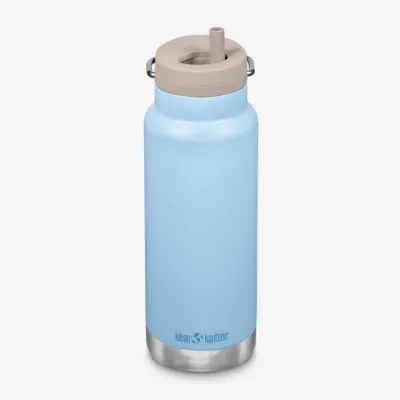
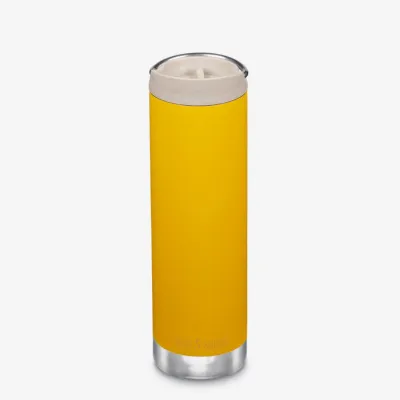
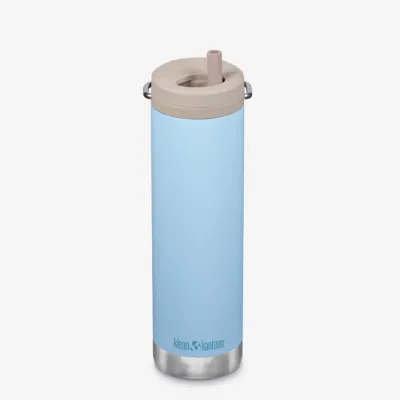
Prices are valid at publication and may change. Please refer to the product page for the latest price.
Double-wall vacuum insulation features an inner and outer stainless steel wall with the air evacuated from the space between them. Because a vacuum contains virtually no air molecules, conduction and convection—the primary methods of heat transfer—cannot occur across the gap. This leaves radiation as the only, and incredibly slow, path for heat to enter or escape, which is why vacuum-insulated bottles can maintain temperatures for hours.
However, the bottle’s body is only part of the equation; the lid design often dictates heat transfer and cold retention more than the stainless steel itself. While the bottle body is vacuum-insulated, the lid is typically made of plastic, silicone, or thin metal, which conduct heat more easily. A straw lid, sport cap, or any lid with an open valve allows ambient air to enter the bottle, accelerating temperature rise. In contrast, a solid, insulated screw cap or loop cap provides a tighter thermal seal, significantly extending cold retention.
Finally, the physics of capacity plays a crucial role in thermodynamics. A 32oz bottle holds a larger volume of liquid relative to its surface area compared to a smaller 18oz or 20oz bottle. This lower surface-area-to-volume ratio means that a full 32oz bottle will naturally resist temperature changes longer than a smaller bottle of identical construction, assuming both remain sealed. When comparing insulation performance, always ensure you are comparing bottles of equivalent volume to keep the evaluation fair.
Verifying Klean Kanteen 32oz Insulation Features
When shopping for a Klean Kanteen 32oz bottle, you must carefully distinguish between the brand’s classic single-wall models and their insulated lines. The classic single-wall 32oz bottle is designed solely for lightweight transport and will sweat when filled with cold water, offering no thermal retention. For insulation, you must look at their double-wall vacuum-insulated lines, such as the TKWide series, which feature specialized internal thread designs to enhance thermal performance.

Always check the product labels and manufacturer descriptions for specific vacuum insulation technologies and stated cold-retention hours. These ratings are typically tested under controlled laboratory conditions, so treat them as a relative benchmark rather than an absolute guarantee for your outdoor workouts. Look for terms like “vacuum insulated” and verify the specific hours listed for cold retention on the packaging to ensure you are purchasing a model designed for thermal performance.
Your choice of lid on a Klean Kanteen 32oz bottle directly impacts both thermal efficiency and usability. For example, a solid Loop Cap or a TKWide Chug Cap provides a robust, leak-proof seal with minimal thermal loss, making it ideal for long outdoor excursions. Conversely, a Café Cap or a straw lid offers quick one-handed drinking convenience during a workout but may sacrifice some insulation performance due to the thinner materials and integrated drinking ports. Evaluate your need for convenience versus maximum temperature retention before choosing a lid configuration.
Comparing Klean Kanteen Against Other Sports Brands
To compare Klean Kanteen’s 32oz insulated models against other leading sports bottle brands without relying on unverified marketing claims, establish a structured comparison matrix. Focus on verifiable specifications: the presence of a true vacuum layer, the material and thickness of the lid, the overall empty weight of the bottle, and the manufacturer’s warranty terms. This systematic approach prevents you from being swayed by subjective reviews or aesthetic trends.
When cross-referencing Klean Kanteen’s stated performance with equivalent 32oz (or 1-liter) models from competitors, look closely at the physical dimensions and weight. A heavier bottle often indicates thicker steel walls or more robust insulation layers, which can enhance durability but add bulk to your gym bag. Check if the competitor uses proprietary lid designs, such as honeycomb insulation structures, to minimize heat transfer through the top of the bottle, and compare these features directly to Klean Kanteen’s thread designs.
Remember that real-world cold retention is highly dependent on ambient temperature, initial water temperature, and the frequency of opening the bottle during workouts. If you are exercising in direct sunlight, opening the bottle frequently to drink, or filling it with tap water instead of ice-cold water, the temperature will rise much faster than the manufacturer’s laboratory rating suggests. Always pre-chill your bottle with ice water for a few minutes before filling it to maximize its thermal efficiency.
Matching the Right Insulated Bottle to Your Workout
Your choice of bottle should align with your specific exercise environment, duration, and carrying preferences. For long outdoor activities, such as hiking or cycling in hot weather, prioritize a heavy-duty, double-wall insulated 32oz bottle with a highly secure, insulated screw cap to keep your water cold for hours. For short, high-intensity gym sessions where you have access to water dispensers, a lighter single-wall bottle or a smaller insulated model may be more practical, as it reduces the weight you need to carry between workout stations.
Before purchasing a 32oz bottle, verify its physical dimensions against your existing gear. A 32oz bottle has a wider diameter than standard sizes and may not fit into standard bicycle bottle cages, car cup holders, or the side pockets of smaller backpacks. Measure the diameter of your bottle holders and compare them to the manufacturer’s specifications to avoid carrying a bulky bottle in your hand throughout your workout.
Premium insulated bottles often range from S$40 to S$75 in Singapore. Evaluate whether your hydration habits justify this investment. If you primarily exercise indoors in air-conditioned gyms for under an hour, a basic, less expensive bottle will suffice. However, if you regularly train outdoors, participate in day-long sports events, or demand ice-cold water to stay motivated, the superior thermal performance of a premium insulated 32oz bottle is well worth the cost.
Maintaining Your Bottle for Long-Lasting Insulation
To preserve the integrity of your bottle’s insulation, always check the manufacturer’s cleaning instructions. While some modern powder-coated finishes and stainless steel bodies are labeled as dishwasher safe, high-temperature dishwasher cycles can degrade the silicone seals in the lids or damage the external finish over time. Hand washing with warm, soapy water and a bottle brush is generally the safest method to maintain both hygiene and thermal performance.
Avoid dropping your insulated bottle on hard surfaces like concrete or gym floors. A severe impact can dent the outer wall and cause it to touch the inner wall, bridging the vacuum gap. Once this physical contact occurs, heat will conduct directly through the metal, permanently destroying the bottle’s insulation capabilities. If you notice your bottle sweating on the outside when filled with cold water, the vacuum seal has likely been compromised.
The silicone gaskets and O-rings inside your bottle’s lid are critical for preventing leaks and maintaining a thermal seal. Over time, these components can stretch, degrade, or accumulate mold. Inspect them regularly during cleaning, and replace them with official manufacturer replacement parts when they show signs of wear to ensure your bottle remains completely leak-proof and thermally efficient.
Frequently Asked Questions (FAQ)
Does a 32oz bottle keep water colder than smaller sizes?
Yes, a 32oz bottle generally keeps water colder longer than a smaller bottle of the same design, provided both are filled to capacity and kept closed. This is due to basic thermodynamics: a larger volume of liquid has a lower surface-area-to-volume ratio, meaning there is less surface area relative to the total liquid volume through which heat can transfer. Consequently, the rate of temperature rise is slower in the larger bottle.
Can I put ice cubes in a Klean Kanteen 32oz bottle?
Yes, you can put ice cubes in a Klean Kanteen 32oz bottle, but you should verify the mouth opening of your specific model first. Wide-mouth models, such as those in the TKWide or Classic Wide lines, easily accommodate standard-sized ice cubes from home trays or ice makers. If you choose a narrow-mouth model, you may need to use slim, elongated ice molds or crushed ice to fit them through the opening.

Community discussion
Share your experience or ask a question. Comments are reviewed before publication.