
Choosing the right ankle support is a delicate balance between structural stability and athletic mobility. A lace-up brace offers maximum mechanical restriction for recovering joints, a compression sleeve prioritizes blood flow and sensory feedback for low-impact movement, and a figure-8 strap mimics professional athletic taping to guard against lateral rolls during rapid directional changes. Matching these designs to your specific sport, injury history, and footwear is essential to protect your joints without hindering your performance.
While many athletes assume more support is always better, restricting natural joint movement unnecessarily can alter your gait and shift stress to your knees or hips. Conversely, using an under-supportive sleeve when returning from a severe ligament tear increases the risk of re-injury. By understanding the mechanical differences and practical trade-offs of each design, you can select a support system that aligns with your physical needs and athletic goals.
Lace-Up Ankle Braces: Maximum Support for High-Impact Sports
Lace-up ankle braces are designed to provide the highest level of external stabilization short of a custom medical orthotic. Featuring a rigid fabric boot secured by eyelets and laces, these braces physically restrict the ankle’s lateral movement, specifically targeting inversion and eversion. This mechanical restriction is highly beneficial for athletes dealing with chronic joint laxity, severe ligament instability, or those returning to play after a significant sprain.
Products mentioned in this guide
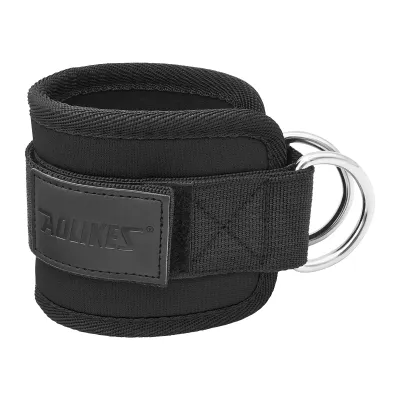
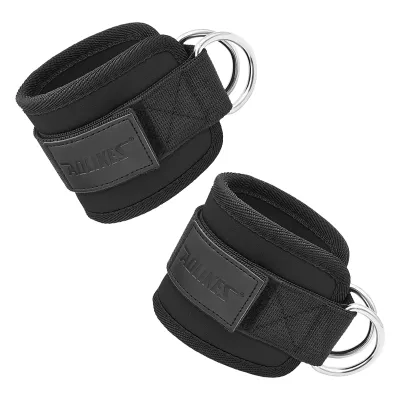
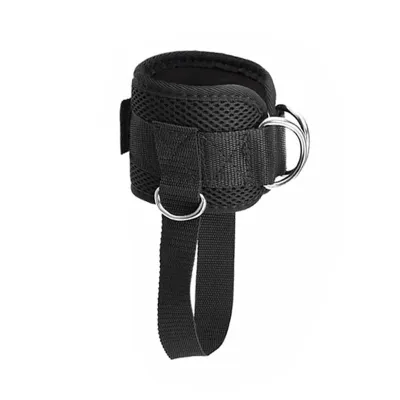
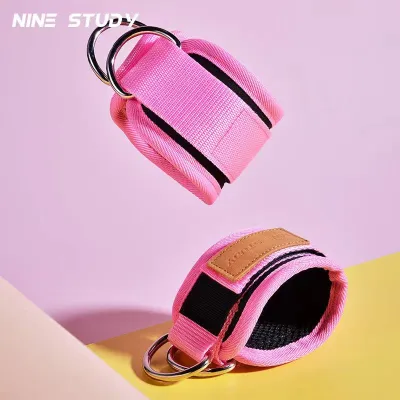
Prices are valid at publication and may change. Please refer to the product page for the latest price.
Despite their protective benefits, the rigid nature of lace-up braces introduces distinct physical trade-offs. By locking the ankle to prevent lateral rolling, these braces also limit natural dorsiflexion and plantarflexion—the upward and downward bending of the foot. This restriction can slightly alter your running stride, reduce your vertical jump height, and increase the time it takes to apply and adjust the brace before training.
Before purchasing a lace-up brace, a thorough shoe compatibility check is required. The multi-layered fabric, eyelets, and laces add substantial volume inside your footwear, which can compress your foot and cause painful pressure points. You will need to verify if your current athletic shoes have enough throat depth and lace length to accommodate the added bulk, or if you need to loosen your shoe laces significantly to maintain proper circulation.
Compression Sleeves: Mobility and Recovery for Low-Impact Activities
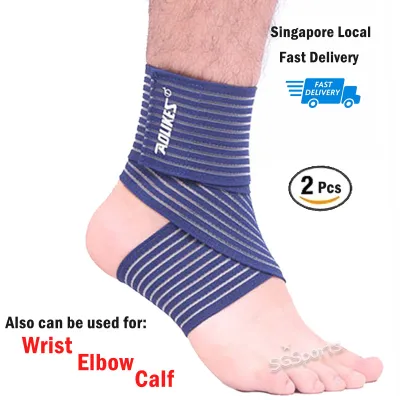
Compression sleeves offer a minimalist approach to joint support, focusing on flexibility, circulation, and sensory feedback rather than rigid mechanical restriction. Typically constructed from elasticized knit fabrics or thin neoprene, these sleeves slip over the foot to provide uniform compression around the entire ankle joint. They are highly favored by runners, cyclists, and individuals managing mild tendonitis or minor morning stiffness.

Unlike structured braces, compression sleeves do not prevent structural ankle rolling or protect against sudden lateral forces. Their primary benefit lies in enhancing proprioception—your brain’s awareness of the joint’s position in space—which helps you naturally correct your footing on uneven surfaces. Additionally, the constant compression aids in managing minor swelling and promoting localized blood flow during and after long training sessions.
When selecting a compression sleeve, material performance is a critical consideration, especially for training in warm, humid climates like Singapore. Standard neoprene sleeves tend to trap heat and sweat, which can lead to skin maceration, chafing, and unpleasant odors during extended wear. Opting for advanced, moisture-wicking knit fabrics ensures the skin remains dry and cool, preserving comfort during long-distance road runs or indoor gym workouts.
Figure-8 Straps: Targeted Stabilization for Court and Field Sports
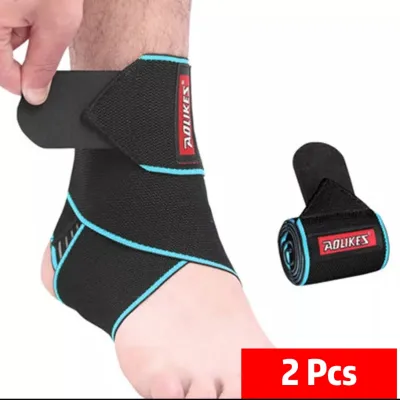
Figure-8 ankle straps are engineered to mimic the classic “heel lock” taping technique used by professional athletic trainers. These supports typically feature a lightweight fabric base combined with elastic or nylon straps that wrap around the ankle and under the heel in a figure-eight pattern. This configuration provides targeted lateral stabilization, reinforcing the lateral ligaments against sudden rolling while allowing functional athletic movement.
This design offers an excellent middle ground for court and field athletes who require robust protection but cannot afford the mobility restrictions of a full lace-up brace. The figure-8 configuration allows for natural forward and backward bending of the foot, which is essential for sprinting, jumping, and rapid acceleration. It specifically resists the extreme twisting forces that occur during sudden lateral cuts and pivots.
Another practical advantage of figure-8 straps is their ease of adjustment compared to traditional athletic tape. While athletic tape loses its tension and supportive qualities as you sweat, a figure-8 strap can be quickly tightened or loosened using its hook-and-loop fasteners during a timeout or halftime. This adjustability ensures consistent support throughout the entire duration of your game or practice session.
Matching Ankle Support to Your Specific Sport and Needs
Selecting the right ankle support requires analyzing the specific movement patterns of your sport alongside your personal injury history. Court sports such as basketball, netball, badminton, and volleyball demand frequent vertical jumping and rapid lateral shuffling, making them high-risk environments for inversion sprains. For preventative use, a figure-8 strap offers the ideal balance of agility and lateral protection, whereas a player returning from a recent moderate-to-severe sprain should opt for the maximum stabilization of a lace-up brace.
For field and track sports, the choice depends heavily on your footwear and the running surface. Linear runners and track athletes rarely require lateral restriction and are best served by the unrestricted mobility and swelling control of a compression sleeve. Soccer players, who require lateral agility but wear highly contoured, tight-fitting cleats, must exercise caution; a slim figure-8 strap may fit if the cleat has removable insoles, but a bulky lace-up brace is rarely compatible with modern soccer boots.
Your current injury status should ultimately dictate the level of support you choose. If you are using the support purely for preventative measures or to manage minor fatigue, a compression sleeve or a light figure-8 strap is sufficient. If you are recovering from an active ligament injury or suffer from chronic joint instability, a structured lace-up brace is necessary to protect the joint while the tissues heal, provided you are also engaging in active rehabilitation.
Fit, Sizing, and Shoe Compatibility Checks
To ensure your ankle support functions safely and effectively, you must perform precise fit and sizing verifications before your first workout. Never rely on your standard shoe size to select an ankle brace, as sizing charts vary significantly between manufacturers. Instead, use a flexible measuring tape to measure the circumference of your ankle diagonally from the base of your heel to the front of your ankle joint, comparing this measurement directly to the manufacturer’s specific sizing guide.
Once you receive the support, test it inside the exact athletic shoes you plan to wear during your sport. Put on your usual athletic socks, apply the brace or sleeve, and slide your foot into your shoe. Walk, jog, and perform light lateral movements on a clean surface to check for any shifting, rubbing, or pinching. If the brace forces your heel to slip out of the shoe or creates painful pressure points over your ankle bones, the combination is not compatible.
During this test, monitor your foot closely for warning signs of restricted blood flow or nerve compression. If you experience tingling, numbness, cold toes, or skin discoloration, loosen the straps immediately. A properly fitting ankle support should feel snug and secure, providing firm compression without throbbing, pinching, or restricting your natural circulation.
How to Decide: A Quick Selection Framework
To finalize your choice, evaluate your physical needs against these clear, conditional guidelines:
- Choose a Lace-Up Brace if: You are recovering from a recent moderate-to-severe ankle sprain, suffer from chronic joint instability, or participate in high-contact sports where maximum lateral restriction is required to prevent re-injury.
- Choose a Compression Sleeve if: You have structurally sound ankles but need to manage mild swelling, recover from minor tendonitis, or desire enhanced sensory feedback and warmth during linear sports like running or cycling.
- Choose a Figure-8 Strap if: You play agility-heavy court or field sports, require moderate-to-high lateral support to prevent rolling, and need to maintain your vertical jumping and sprinting mobility.
- Verify first if: You have tight-fitting footwear like soccer cleats, experience chronic pain that has not been evaluated by a medical professional, or are unsure if your joint requires rigid immobilization versus active rehabilitation.
Frequently Asked Questions (FAQ)
Can I wear an ankle strap all day, or only during sports?
Active ankle braces, particularly rigid lace-up and highly restrictive figure-8 designs, are engineered specifically for the duration of physical activity and should not be worn all day unless explicitly directed by a healthcare professional. Prolonged wear of rigid supports can restrict natural circulation, cause skin irritation from trapped moisture, and lead to localized muscle fatigue. For daily wear to manage mild swelling or minor discomfort, a lightweight, breathable compression sleeve is more appropriate, though you should still remove it periodically to allow your skin to breathe and check for any signs of restricted blood flow.
Do ankle straps weaken the ankle muscles over time?
Using a highly restrictive, rigid lace-up brace continuously without a structured rehabilitation program can lead to a reliance on external support, as the surrounding muscles and tendons do not have to work as hard to stabilize the joint. However, temporary use during sports to protect a healing ligament does not cause muscle atrophy, especially when paired with targeted strength and balance exercises. Compression sleeves do not immobilize the joint at all; instead, they help stimulate the surrounding muscles by improving proprioception, making them safe for regular use without the risk of weakening the joint.
How do I wash and maintain my ankle brace?
To preserve the elasticity of the fabrics and the gripping power of the hook-and-loop fasteners, hand wash your ankle support in cool water using a mild detergent. Avoid using fabric softeners or bleach, as these chemicals degrade elastic fibers and weaken technical synthetic materials. Always air dry the brace flat or hang it up away from direct sunlight and heat sources; never place it in a mechanical dryer, which can warp plastic inserts and melt adhesive bonds. Regularly inspect the stitching and fasteners, and replace the support once the elastic loses its tension or the straps no longer hold securely.

Community discussion
Share your experience or ask a question. Comments are reviewed before publication.