
When you are powering through a humid outdoor workout or a high-intensity indoor training session, having ice-cold water on hand is more than a luxury—it is a key part of staying refreshed and motivated. If you are comparing a Lock & Lock bottle to other sports bottles on the market, the short answer is that cold retention is not determined by the brand logo on the exterior. Instead, temperature performance depends on specific engineering details, such as double-wall vacuum construction, lid design, and the quality of the internal seals.
While Lock & Lock is widely recognized for its reliable everyday housewares and leak-proof containers, many premium sports bottle brands also offer highly competitive insulation technologies. To find the bottle that keeps your drinks cold the longest, you must look past marketing claims and evaluate the physical specifications of each model. This guide will walk you through the key design factors, environmental considerations, and maintenance tips to help you choose the right insulated companion for your active lifestyle.
How to Compare Cold Retention: Lock & Lock vs Competing Brands
To understand how a Lock & Lock bottle compares to other sports bottles, it helps to look at the physical barriers that prevent heat from entering your drink. Heat transfers into your cold beverage through three primary methods: conduction, convection, and radiation. High-quality sports bottles combat these forces using specific manufacturing techniques that you can verify on the product packaging.
Products mentioned in this guide
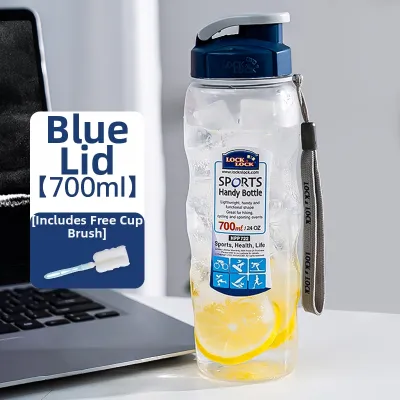
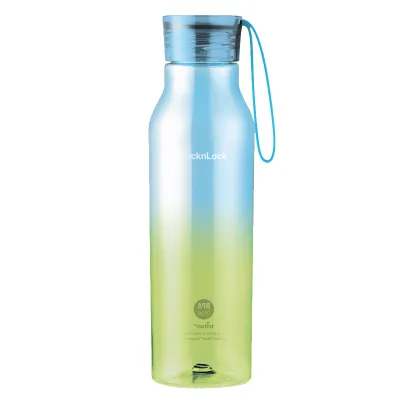
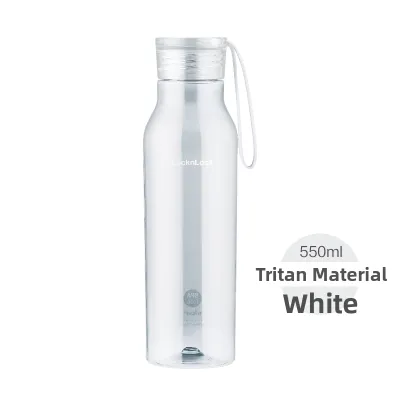
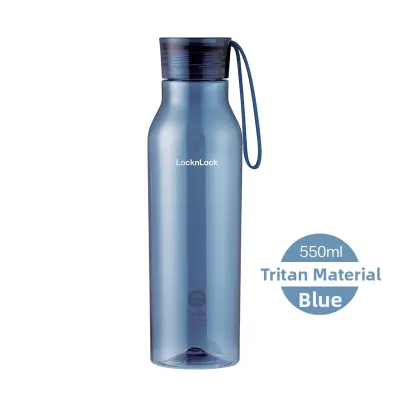
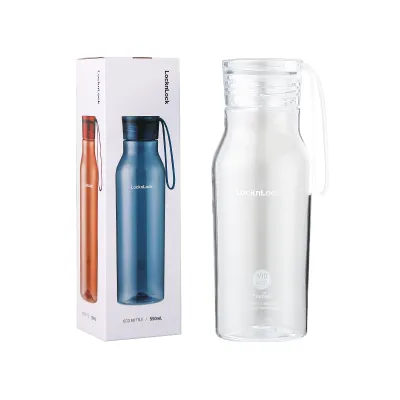
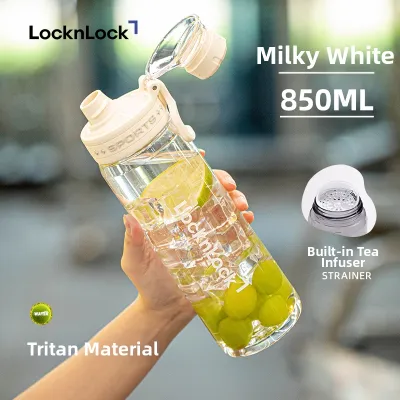
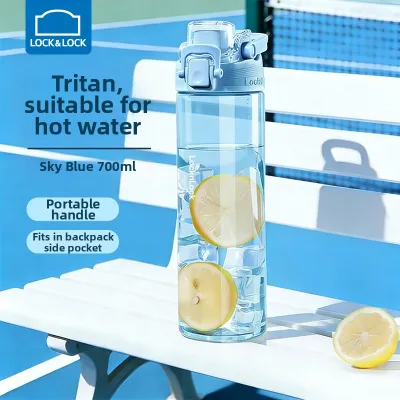
Prices are valid at publication and may change. Please refer to the product page for the latest price.
Double-Wall Vacuum Insulation The most critical feature of any high-performance sports bottle is double-wall vacuum insulation. This design consists of an inner and outer stainless steel vessel with the air sucked out of the space between them. Because a vacuum contains no air molecules, it virtually eliminates heat transfer by conduction and convection. When shopping, verify that the bottle explicitly states “vacuum insulated” rather than simply “double-wall,” as some basic plastic or metal bottles have air-filled gaps that offer very poor thermal resistance.
Internal Copper Linings Some premium insulated bottles, including select Lock & Lock models and specialized outdoor brands, feature an extra layer of copper plating on the outside of the inner wall. Copper is an excellent thermal reflector. This thin lining reflects radiant heat away from the inner chamber, further slowing down the rate at which your cold water warms up. If you frequently exercise in direct sunlight or high-temperature environments, checking for a copper-coated vacuum layer is a smart way to ensure superior performance.
Lid Sealing and Material Construction Even the best vacuum-insulated body cannot prevent heat from entering through a poorly insulated lid. Lids are typically made of plastic and silicone, which do not insulate as effectively as double-wall steel. A wide-mouth bottle with a simple, thin plastic lid will lose cold much faster than a bottle with a thick, insulated cap. Furthermore, look at the drinking mechanism: a screw-top lid generally provides a tighter, more solid seal against heat transfer than a complex flip-top or straw lid, which has more joints and air pathways where heat can seep in.
Surface-Area-to-Volume Ratio The physical size of your bottle also plays a significant role in how long your drink stays cold. Larger volumes of liquid naturally retain their temperature longer than smaller volumes because they have a lower surface-area-to-volume ratio. A 1-liter bottle will generally keep water cold longer than a 500-milliliter bottle of the exact same design under identical conditions. When comparing brands, make sure you are comparing bottles of equivalent capacities to get an accurate sense of their insulation capabilities.
Matching Bottle Insulation to Your Workout Environment
Your choice between a Lock & Lock bottle and other specialized sports brands should align closely with where and how you exercise. Different activities place different demands on your gear, and the most insulated bottle is not always the most practical choice for every scenario.

Indoor Gym and Fitness Studio Sessions If your workouts primarily take place in air-conditioned fitness centers or local spin studios, your bottle does not need to fight extreme ambient heat. In these environments, a standard Lock & Lock insulated bottle is highly effective. Because you are indoors, you can prioritize quick-access features, such as a one-touch flip lid or an integrated straw, which allow you to take fast sips between sets without unscrewing a cap. The slightly lower insulation performance of a convenient lid is a minor trade-off when the room temperature is controlled.
Outdoor Endurance and Tropical Workouts For outdoor activities in a tropical climate—such as running along the coast, cycling, or hiking through nature reserves—your bottle faces constant exposure to high heat and humidity. Under these conditions, maximum cold retention is essential to keep your hydration palatable over several hours. Here, you should look for bottles with heavy-duty powder coatings that provide a secure grip when your hands are sweaty, along with thick, fully insulated screw caps. Specialized outdoor brands often design their bottles specifically to withstand these rugged, high-heat environments.
Weight and Portability Trade-offs Excellent insulation comes with a physical cost: weight. Double-wall stainless steel bottles are significantly heavier than single-wall metal or plastic alternatives. If your sport involves dynamic, high-speed movements where every gram matters—such as trail running or fast-paced court sports—carrying a heavy, highly insulated bottle might slow you down. In such cases, you must balance your need for ice-cold water against the convenience of a lighter, perhaps slightly less insulated bottle that fits comfortably in a running vest or bicycle cage.
Verifying Specs and Maintaining Insulation Performance
To ensure you get the performance you pay for, it is important to know how to read product labels and how to care for your bottle once you bring it home. Proper maintenance is key to preserving the vacuum seal that makes insulation possible.
Reading Product Specifications Before purchasing a Lock & Lock bottle or any competitor, examine the product specifications carefully. Look for food-grade stainless steel construction, typically labeled as 18/8 or 304 stainless steel, which resists rust and does not retain flavors. Ensure the manufacturer specifies that the materials are BPA-free. While many brands advertise long cold-retention windows, remember that these ratings are tested under ideal laboratory conditions; real-world performance during an active workout will vary based on how often you open the lid.
Proper Cleaning and Gasket Care To maintain a perfect seal, you must clean your bottle correctly. Harsh chemicals, boiling water, or placing a non-dishwasher-safe insulated bottle in the dishwasher can damage the vacuum seal or warp the silicone gaskets. Always check the manufacturer’s instructions. If hand-washing is recommended, use warm, soapy water and a soft bottle brush. Pay close attention to the silicone rings inside the lid; if these gaskets become misaligned, dirty, or warped, warm air will enter the bottle, rapidly degrading its cold retention.
Identifying and Preventing Physical Damage The vacuum insulation barrier is incredibly effective, but it is also fragile. If you drop your stainless steel bottle onto a hard concrete path or gym floor, you might create a dent on the exterior. If the dent is deep enough to cause the inner and outer steel walls to touch, the vacuum is compromised. Heat will quickly conduct through the point of contact, and you will notice the bottle’s exterior feeling cold or sweating. Once a vacuum seal is broken, the bottle’s superior insulation properties cannot be restored, and it will perform no better than a standard single-wall container.
Final Verdict: How to Choose Your Workout Bottle
Choosing between a Lock & Lock bottle and other sports bottle brands ultimately comes down to matching their specific designs to your daily routine and hydration preferences.
When to Choose Lock & Lock A Lock & Lock insulated bottle is an excellent choice if you want a versatile, reliable, and widely available bottle for everyday gym use, office-to-workout transitions, and moderate outdoor activities. They often offer excellent value for money, whether you are spending S$20 or S$60, featuring practical ergonomic designs, reliable leak-proof lids, and sufficient insulation to keep your drinks cold throughout a standard workout session.
When to Choose Specialized Competitors You may want to look toward specialized outdoor or premium sports brands if your lifestyle demands extreme thermal performance. If you frequently embark on all-day outdoor adventures, require highly rugged construction to survive drops on rocky terrain, or need a bottle compatible with specific heavy-duty sports accessories, investing in a brand dedicated solely to outdoor gear is often the better path.
The Final Check Regardless of the brand you select, always verify the lid style and drinking spout before buying. A bottle that keeps water ice-cold for days is of little use if the drinking mechanism is awkward to use while you are catching your breath during a workout. Choose a design that fits your vehicle’s cup holders, your gym bag’s side pockets, and your personal drinking style.
Frequently Asked Questions (FAQ)
Does adding ice cubes improve the cold retention of a vacuum-insulated bottle?
Yes, adding ice cubes significantly improves cold retention by increasing the thermal mass inside the bottle. The ice absorbs heat entering the bottle without raising the temperature of the water until the ice itself melts. To get the best results, pre-chill your bottle by filling it with ice-cold water for a few minutes before emptying it, then add your fresh ice cubes and cold beverage. This prevents the inner steel wall from immediately transferring its ambient warmth to your cold drink.
Can I put carbonated sports drinks in a vacuum-insulated Lock & Lock bottle?
It is generally not recommended to put carbonated sports drinks or sodas in a tightly sealed vacuum bottle unless the manufacturer explicitly states it is safe to do so. Carbonated beverages release carbon dioxide gas, which creates pressure inside the airtight chamber. This pressure buildup can cause the lid to leak, make the cap difficult to unscrew, or even cause the lid to pop off forcefully when opened, potentially causing spills or injury. Always check your specific bottle’s manual for liquid compatibility.

Community discussion
Share your experience or ask a question. Comments are reviewed before publication.