
Quick Answer: Which LP Ankle Support Type Do You Need?
Selecting the right LP ankle support depends on your current recovery stage, the intensity of your physical activity, and the level of structural stability your joint requires.
Choose an LP Compression Sleeve if you need mild compression, joint warmth, and enhanced proprioceptive feedback for minor swelling, daily recovery, or general comfort during low-impact activities.
Choose an LP Lace-Up Brace if you require adjustable, active stability and figure-eight strap support to protect against lateral ankle rolling during high-impact court sports or multi-directional movements.
Products mentioned in this guide
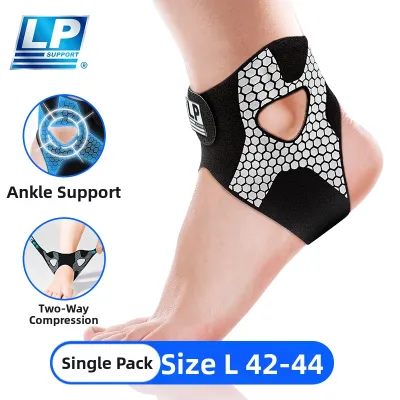
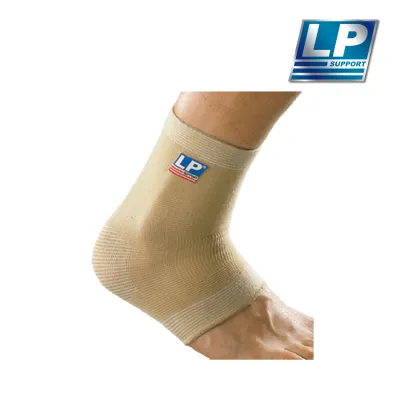
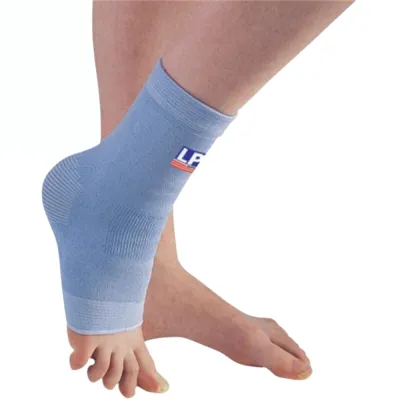
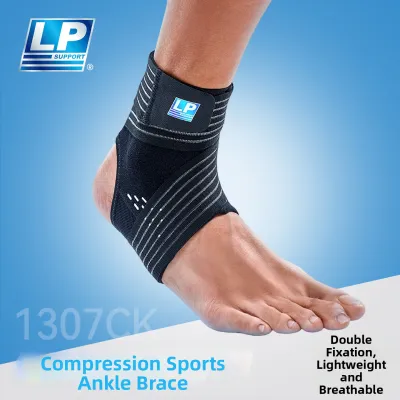
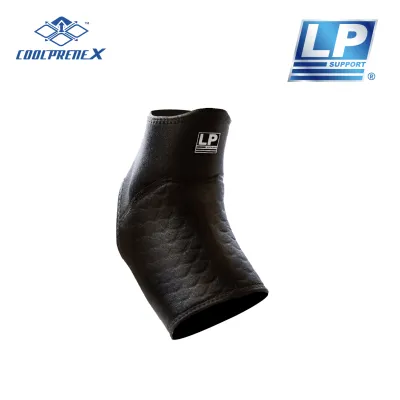
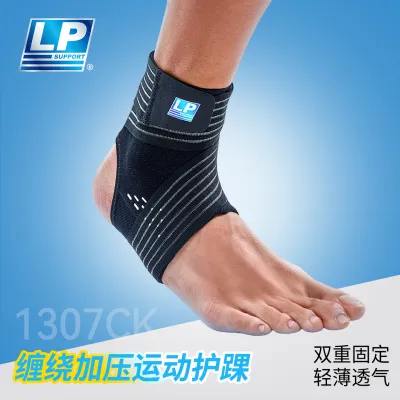
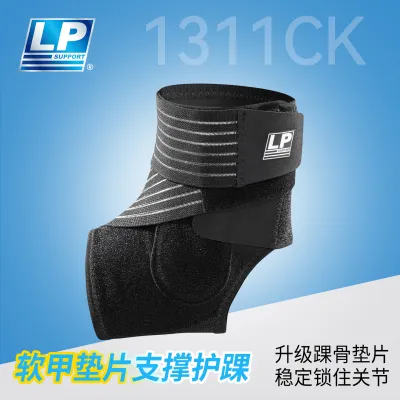
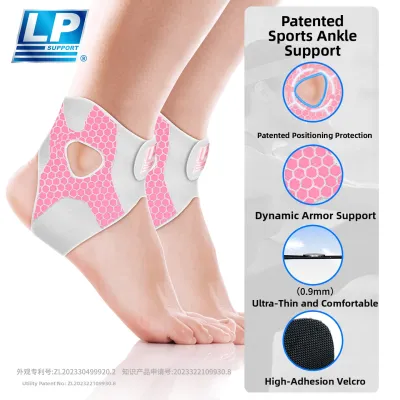
Prices are valid at publication and may change. Please refer to the product page for the latest price.
Choose an LP Hinged Brace if you need maximum rigid side support and restricted lateral range of motion for post-injury protection, severe joint instability, or early-stage rehabilitation.
Always verify your condition first with a healthcare professional if you have a specific medical diagnosis, recent surgery, or severe pain before selecting a rigid or lace-up brace.
How the Three LP Ankle Support Designs Work
Ankle supports are engineered to address different levels of joint vulnerability. Understanding the structural mechanisms of each LP design helps you match the support to your body’s mechanical needs.

Compression Sleeves: Mild Support and Recovery
Compression sleeves rely on elastic, form-fitting materials like nylon, spandex, or neoprene to apply uniform pressure around the entire ankle joint. This continuous compression helps manage mild swelling by promoting fluid clearance and retaining localized heat, which can soothe stiff tendons and muscles.
Another key benefit of a compression sleeve is proprioception, which is the sensory feedback that helps your brain perceive the position and movement of your joint. This heightened awareness can help you maintain better alignment during daily tasks or light exercise.
However, compression sleeves do not provide mechanical resistance against ankle rolling, such as inversion or eversion sprains. They are not designed to physically block joint movement. Before purchasing, check the product label for specific material composition, especially if you have sensitive skin or plan to wear the sleeve in warm, humid climates where sweat accumulation is common.
Lace-Up Braces: Adjustable Stability for Active Sports
Lace-up braces combine a traditional lacing system with adjustable hook-and-loop straps, often configured in a figure-eight pattern, to mimic the protective effects of athletic taping. This design physically locks the heel in place and restricts excessive lateral movement while still allowing functional up-and-down foot flexion.
These braces are highly suited for high-impact court sports like badminton, basketball, or netball, where rapid lateral cuts and sudden stops place extreme stress on the lateral ligaments. They are also valuable during the return-to-play phase of recovery, offering a customizable level of tension that you can tighten or loosen as needed.
The primary trade-offs of lace-up models are their bulk and the time required to put them on. They require compatible shoe volume, meaning you may need to loosen your shoelaces significantly or wear a slightly wider athletic shoe. Additionally, the straps may require periodic re-tightening during extended training sessions as the materials settle.
Hinged Braces: Maximum Rigidity and Post-Injury Protection
Hinged braces represent the highest level of mechanical protection available in the LP lineup. They utilize rigid or semi-rigid plastic side stays connected by a mechanical hinge, which physically blocks the ankle from rolling inward or outward while allowing natural forward and backward bending.
This design is typically reserved for acute injury phases, severe chronic joint instability, or post-operative protection where preventing lateral movement is critical to tissue healing. By restricting lateral mobility, the hinge shields vulnerable ligaments from accidental twisting during daily movements.
Because they are highly restrictive and bulky, hinged braces generally require wider footwear or shoes with removable insoles to accommodate the rigid frame. It is essential to follow the manufacturer’s fitting instructions carefully to ensure the mechanical hinge aligns perfectly with your natural ankle joint, preventing discomfort or improper gait mechanics.
Comparing Protection, Mobility, and Shoe Compatibility
When choosing between these three designs, you must balance the level of physical protection you need against the amount of mobility your activity requires. Footwear compatibility and ease of use are also practical factors that influence daily compliance.
The table below outlines the verifiable structural features of each LP ankle support type to help you compare their physical characteristics:
| Structural Feature | Compression Sleeve | Lace-Up Brace | Hinged Brace |
|---|---|---|---|
| Primary Material | Elastic knit or neoprene | Heavy-duty nylon or canvas | Rigid plastic with padded lining |
| Mechanical Side Stays | None | Flexible spiral stays (some models) | Rigid plastic lateral panels |
| Adjustable Straps | None (or simple tension strap) | Figure-eight hook-and-loop straps | Heavy-duty wrap-around straps |
| Lacing System | No | Yes | No |
| Footwear Volume Required | Minimal (fits standard shoes) | Moderate (may require wider shoes) | High (often requires wider/larger shoes) |
| Primary Support Mechanism | Elastic compression & warmth | Strap tension & heel lock | Rigid physical block with hinge |
Sleeves offer the highest level of natural mobility, making them ideal for activities where joint restriction would hinder performance, such as running or swimming recovery. Lace-up braces strike a balance, allowing you to run and jump while guarding against sudden rolls. Hinged braces prioritize joint safety over absolute mobility, making them the most restrictive but highly protective option.
Matching the Brace to Your Sport and Recovery Stage
Selecting the right support requires analyzing the specific movements of your sport and your current physical condition. A mismatch can either leave your joint under-protected or unnecessarily restrict your athletic performance.
For linear sports like running, jogging, or straight-line cycling, a compression sleeve is often sufficient. These activities do not involve sudden lateral changes of direction, so the lightweight warmth and mild compression of a sleeve can help manage minor stiffness without adding unnecessary bulk. Conversely, multi-directional sports like basketball, tennis, badminton, and netball demand rapid lateral cuts, jumps, and pivoting. For these activities, a lace-up or hinged brace is highly recommended to provide the mechanical resistance needed to protect the lateral ligaments from sudden rolling.
Your recovery stage also dictates the appropriate level of support. In the early, acute phase of a moderate-to-severe ankle sprain, a hinged brace provides the rigid protection needed to let the ligaments heal without being subjected to lateral stress. As you transition back into active sports, switching to a lace-up brace allows you to gradually reintroduce natural movement while maintaining adjustable lateral stability. Once the joint is fully rehabilitated, you might transition to a compression sleeve for long-term maintenance, warmth, and proprioceptive confidence during training.
Preventative use is another consideration for athletes with a history of recurrent sprains. If you have chronic ankle instability, wearing a lace-up brace during high-risk activities can serve as a reliable safeguard. However, keep in mind that a brace should complement, not replace, targeted strength and balance training.
Finally, consider the duration of your activity and environmental factors. In hot and humid climates, such as Singapore’s tropical weather, sweat accumulation can occur quickly under thick materials. Neoprene sleeves trap heat efficiently, which is excellent for soothing joints but may cause skin irritation if worn for extended periods without washing. Lace-up and hinged braces, while bulkier, often feature breathable mesh panels or open-heel designs to help manage moisture during long training sessions.
Sizing, Fit, and Safety Checks Before You Wear
An improperly fitted ankle support can fail to protect your joint and may even cause secondary issues like circulation restriction or skin chafing. Taking precise measurements and performing regular safety checks is essential for safe use.
To find your correct size, always refer to the specific sizing chart on the LP product packaging. Do not rely on your standard shoe size alone, as sizing guidelines can vary significantly between a compression sleeve and a rigid hinged brace. Most models require you to measure the circumference of your ankle just above the ankle bone, or around the heel and instep, using a flexible measuring tape.
Once you have the brace, verify the fit by checking key alignment points. For lace-up and hinged models, ensure your heel is seated firmly in the designated heel opening or pocket. The side stays or hinges must align vertically with the sides of your ankle joint. For compression sleeves, ensure the material lies flat against your skin without bunching behind the ankle or rolling down at the cuffs, which can create painful pressure points.
Always monitor your foot for signs of restricted circulation or nerve compression. Check your toes periodically while wearing the brace; warning signs include numbness, tingling, a cold sensation, or a pale or bluish skin tone. If you observe any of these signs, loosen the straps or laces immediately.
Lastly, establish clear stop conditions. If you experience an increase in pain, worsening swelling, or severe skin irritation while wearing the support, remove it immediately. A brace is designed to support your recovery, not cause additional discomfort. If symptoms persist or worsen, consult a qualified healthcare professional or physical therapist to re-evaluate your joint health and support strategy.
Frequently Asked Questions (FAQ)
Can I wear these LP ankle supports inside any type of shoe?
Compression sleeves are thin and highly elastic, allowing them to fit easily inside almost any standard athletic shoe, casual sneaker, or work boot without altering the fit. Lace-up and hinged braces, however, feature thicker materials, straps, and rigid components that add substantial volume to your foot. To accommodate these mechanical braces, you will likely need to loosen your shoelaces significantly, remove the factory insole of your shoe to create more vertical space, or wear a wider athletic shoe. It is highly recommended to test the brace with the specific footwear you plan to use during your sport or daily activities before making a final decision.
How tight should an LP compression sleeve or lace-up brace feel?
An LP compression sleeve should feel snug and supportive, applying uniform pressure across the entire joint without pinching or digging into your skin. It should not leave deep, painful indentations or restrict blood flow. For lace-up braces, the fit should be secure enough to physically limit lateral movement when you try to roll your foot inward, yet comfortable enough to allow normal forward and backward flexion. Always re-evaluate the tightness of your brace after 10 to 15 minutes of physical activity; as your body warms up and blood flow increases, your feet naturally swell slightly, which may require you to loosen the laces or straps to maintain comfortable circulation.

Community discussion
Share your experience or ask a question. Comments are reviewed before publication.